Blog Section

Expert insights on lumber, craft, and building with nature — from America's oldest lumber company since 1798

Why One Profile Number Produces Two Different Mouldings

Why One Profile Number Produces Two Different Mouldings

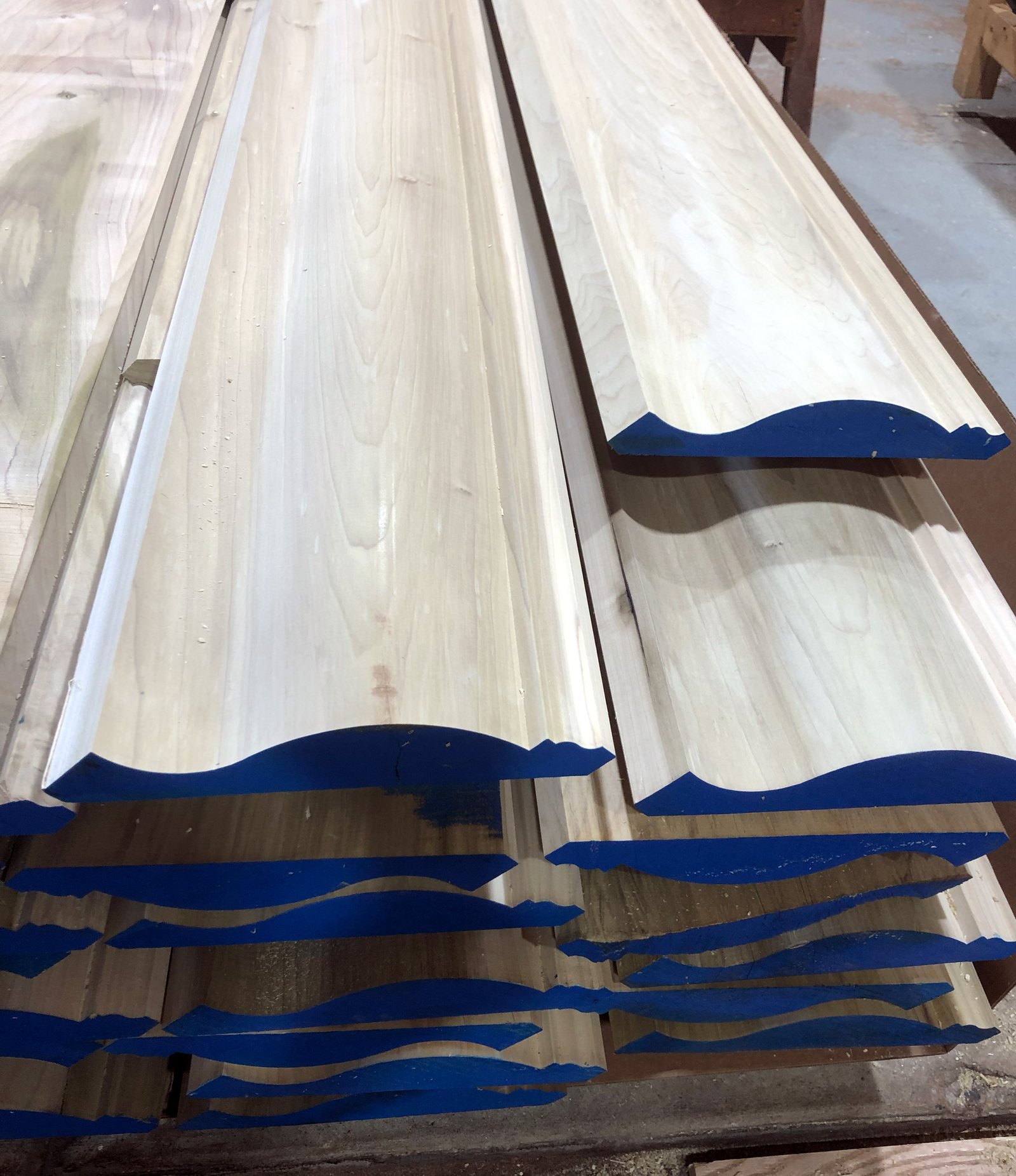
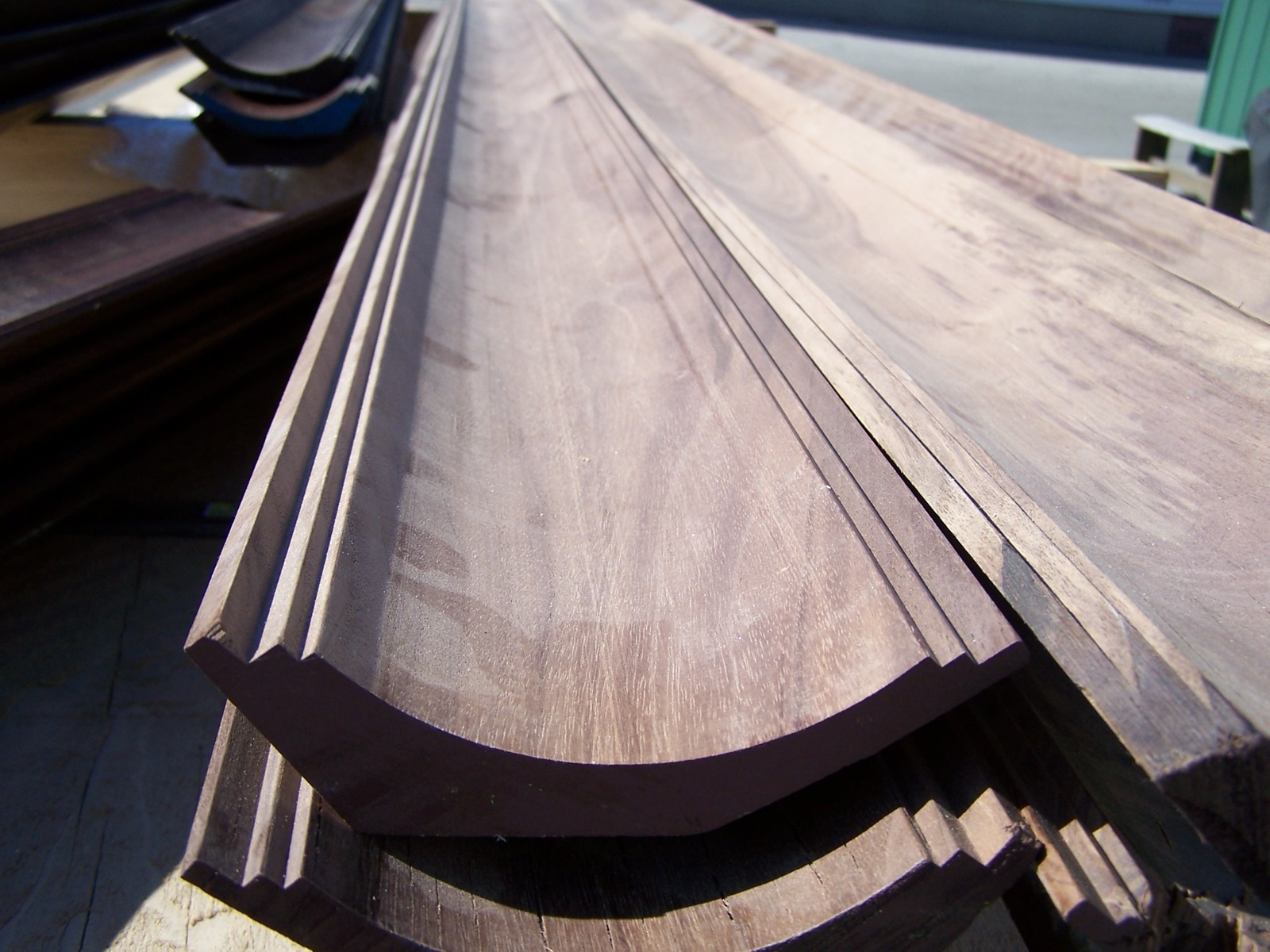
A catalog pattern number fixes a cross section and nothing else. Species, grade, moisture content, knife condition, feed rate, back relief and priming are all decided after the number is chosen, and all of them are visible once the trim is on the wall. Here is what to put on the order so two shops could not deliver different mouldings.

Holding One Sawn Texture Across a Four Hundred Piece Order

Holding One Sawn Texture Across a Four Hundred Piece Order

Resawn and hewn faces fail on large runs for one reason, variance between batches. Here is how a millwork shop controls blade, feed rate, moisture, species and sequencing so three hundred textured boards read as a single wall, and where hand hewing stops being a milled product.

Teak With Documented Origin and the File That Proves It

Teak With Documented Origin and the File That Proves It

Buying teak with a verifiable origin is a documentation problem before it is a lumber problem. Here is what a complete teak file carries, what each document proves, why FEQ tells a buyer almost nothing, and how to write a purchase order that closes the gaps before the container ships.

Thermally Modified Ash Widths, the 8 Inch Limit and Where to Buy It

Thermally Modified Ash Widths, the 8 Inch Limit and Where to Buy It

Thermally modified Ash is not available wider than 8 inches, and no supplier can change that. Here is where the limit comes from, what it means for an elevation drawn with wide faces, why the length ceiling sits near 16 ft, and which modified product to reach for when the drawing needs a wide board.

The 16 ft Ceiling on Modified Wood and How to Design Around It

The 16 ft Ceiling on Modified Wood and How to Design Around It

Accoya, Thermory and Abodo Vulcan all stop near 16 ft because the reactor and the thermal kiln are fixed length vessels, and most stock is sold on metric lengths just under that mark. Here is how to specify a long exterior run around the real limit, where the width limit bites harder than the length, and what to do when the elevation needs more than any modified product can give.

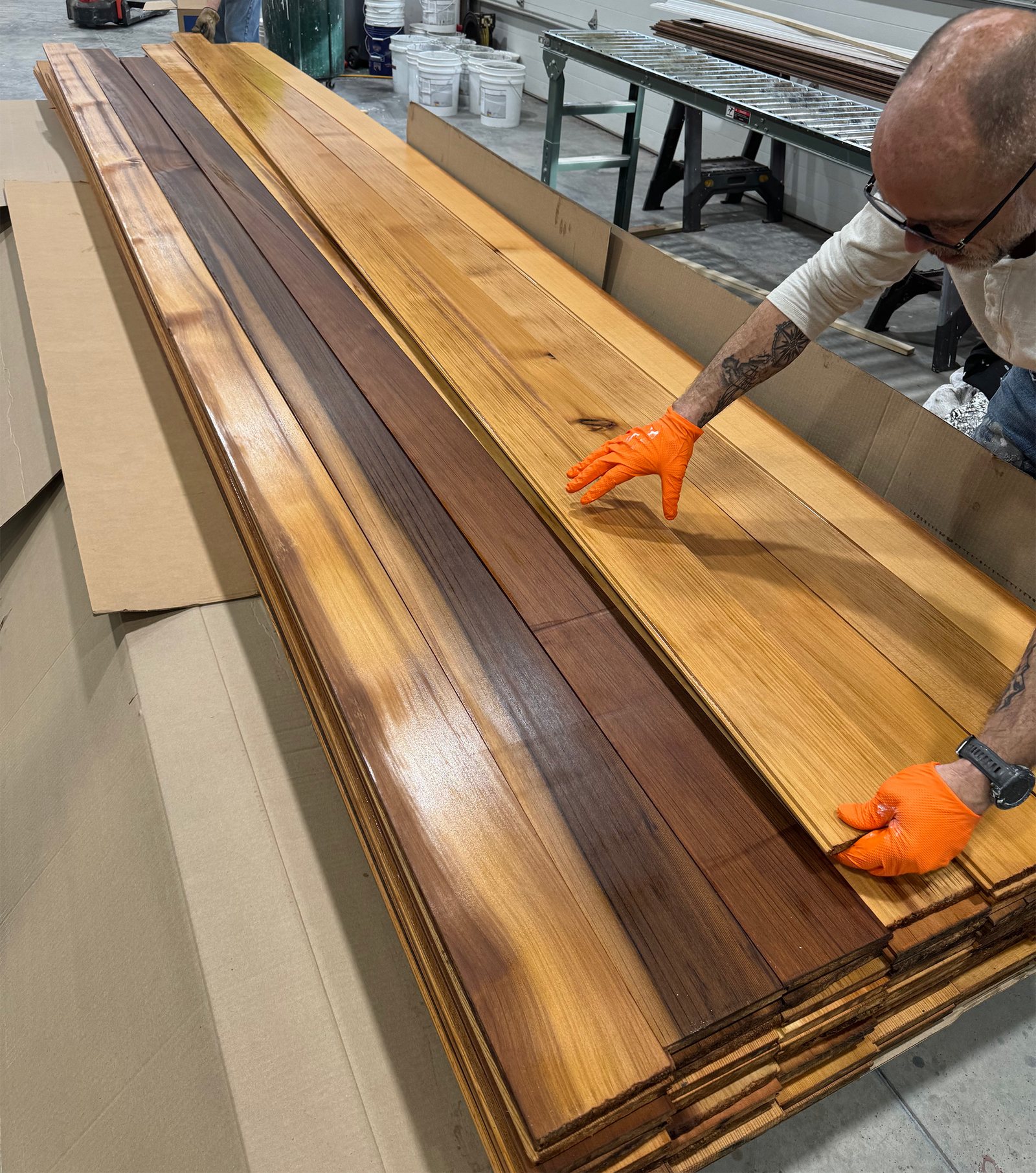
Matching Teak Panels Across a Run, Solid Against Veneered

Matching Teak Panels Across a Run, Solid Against Veneered

Teak panel work fails on matching, not on machining. Here is how color drift, grade yield, resaw pairs, veneer match types and phased release decide whether twenty panels read as one room, and what a Teak lumber order has to carry to get there.

Picking Between Accoya and Thermally Modified Wood for Painted Exterior Trim

Picking Between Accoya and Thermally Modified Wood for Painted Exterior Trim

Paint on exterior trim fails when the wood under it moves. Accoya and thermally modified wood both cut that movement, but they do it by different chemistry and they carry different size ceilings, different fastener rules and different claims below grade. Here is how to choose between them for a painted elevation, where cedar and Sapele still win, and what has to be on the order before a knife gets ground.

Quartersawn Teak for a Deck: Why Vertical Grain Decides the Seam

Quartersawn Teak for a Deck: Why Vertical Grain Decides the Seam

Vertical grain is a sawing call, not a species or grade call, and on a deck surface it governs how the boards wear and how far every seam has to move. What to write on a quartersawn teak order, and why orientation never comes free with the grade.

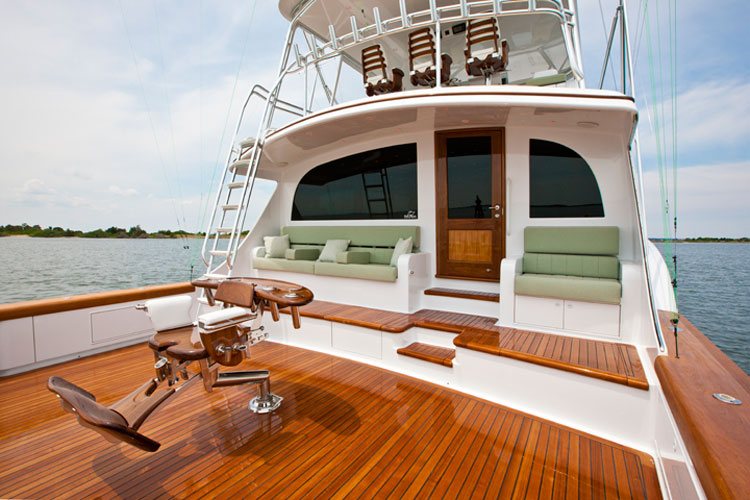
Buying Teak for a Yacht Deck, From Takeoff to Bungs

Buying Teak for a Yacht Deck, From Takeoff to Bungs

A yacht deck is five lumber problems on one truck. How to take off the plank field, margin boards, kingplank and bungs as a single teak package, and the grade, grain and moisture calls that decide whether a lot can even be bought.

Why a Narrow Teak Cladding Board Holds a Better Reveal

Why a Narrow Teak Cladding Board Holds a Better Reveal

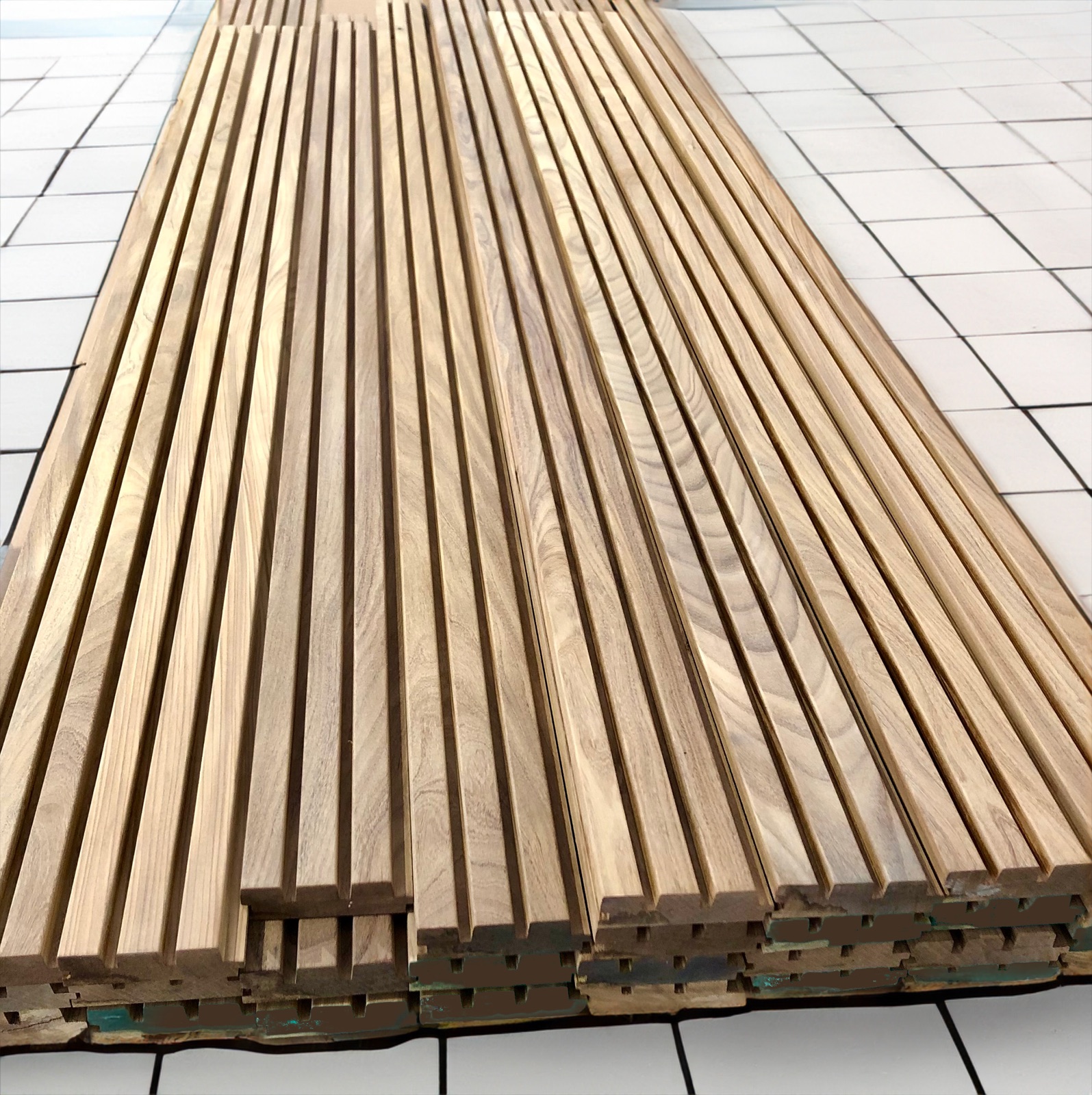
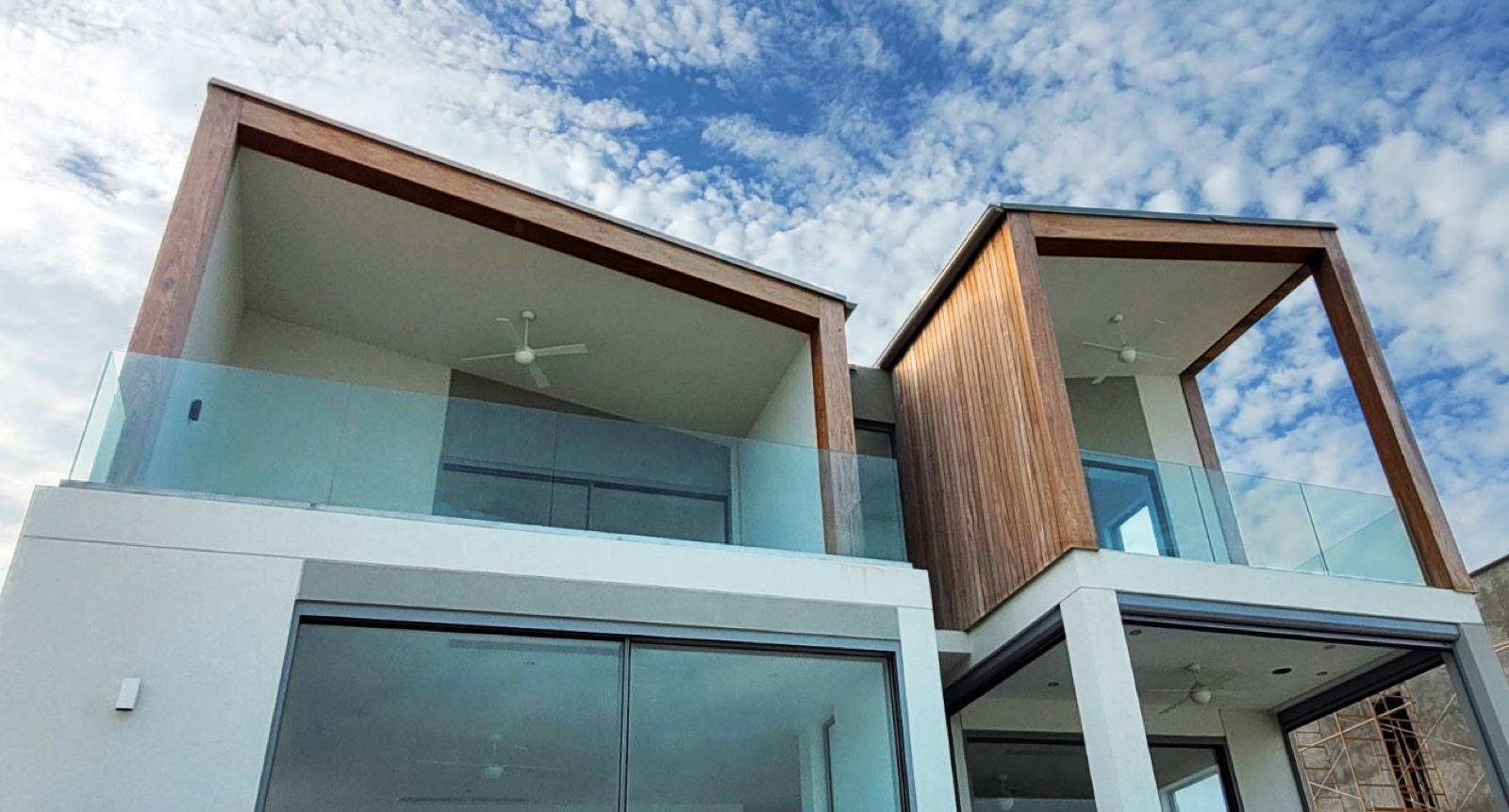
Buyers specifying teak cladding for a high end exterior usually ask for the widest board available. The physics runs the other way. A 3, 4 or 5 inch face moves less across every joint, cups less across its width and holds the shadow line straighter down a long elevation. Here is the technical case for narrow teak, the edge profiles that make the reveal, the moisture content targets, the fastening the installer has to plan for, and the six specification lines that get the order right.

Why Marine Furniture Is Built From 3, 4 and 5 Inch Teak Slats

Why Marine Furniture Is Built From 3, 4 and 5 Inch Teak Slats

Narrow teak is what quartersawing produces, and on exterior marine furniture that geometry is the engineering answer rather than a compromise. A technical look at width, movement, seam behaviour, plantation supply and how to specify 3, 4 and 5 inch vertical grain slat stock for a production program.

Narrow Teak for Interior Slat Walls, Ceilings and Built Up Stair Treads

Narrow Teak for Interior Slat Walls, Ceilings and Built Up Stair Treads

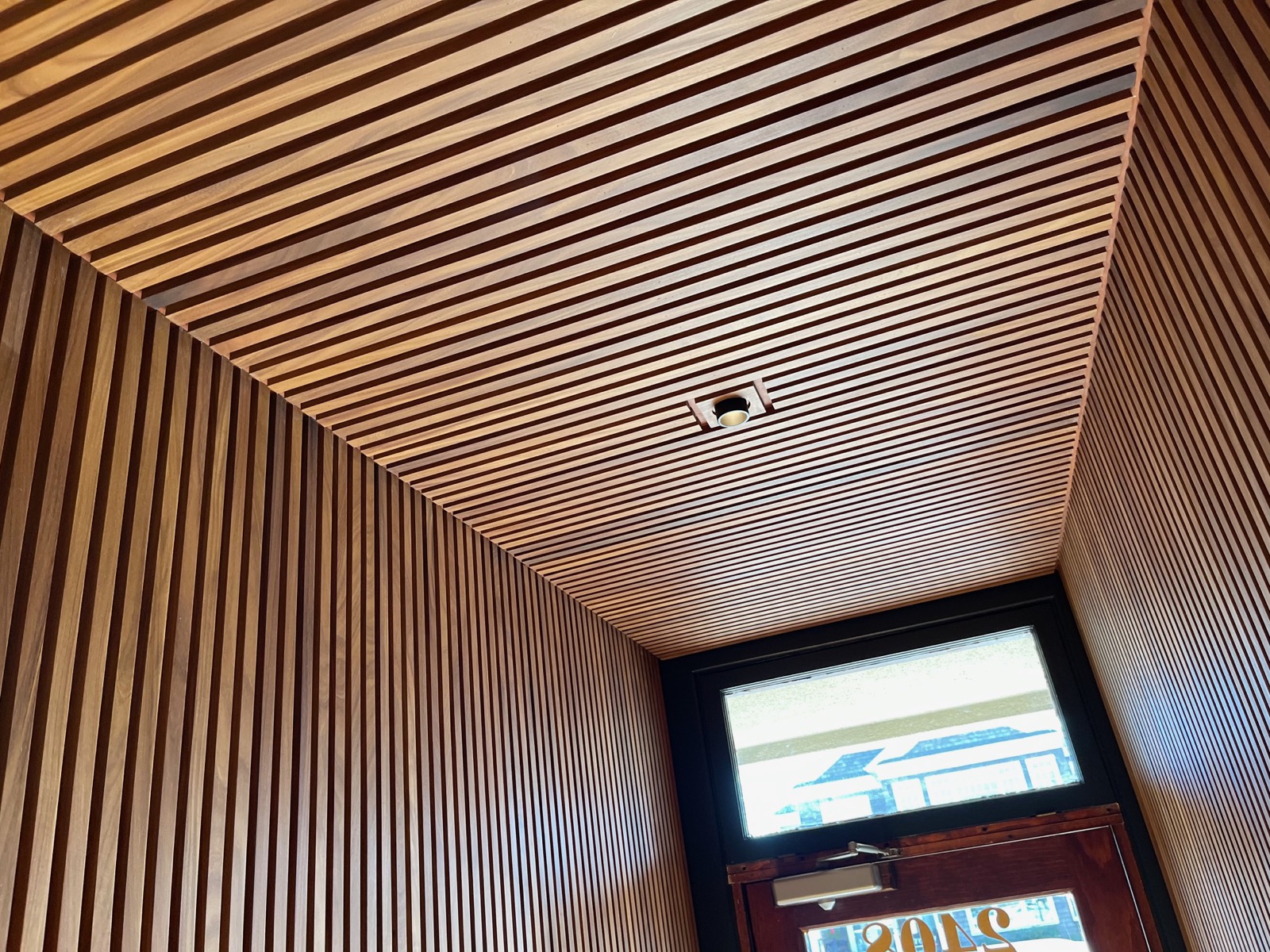
Vertical grain teak comes off the log narrow, and on an interior surface that is an advantage rather than a limit. Here is where 3, 4 and 5 inch teak is the right engineering call for slat walls, ceiling boards and stave built stair treads, and what belongs on the specification line.

Building Teak Bench and Table Slats From 3 to 5 Inch Staves

Building Teak Bench and Table Slats From 3 to 5 Inch Staves

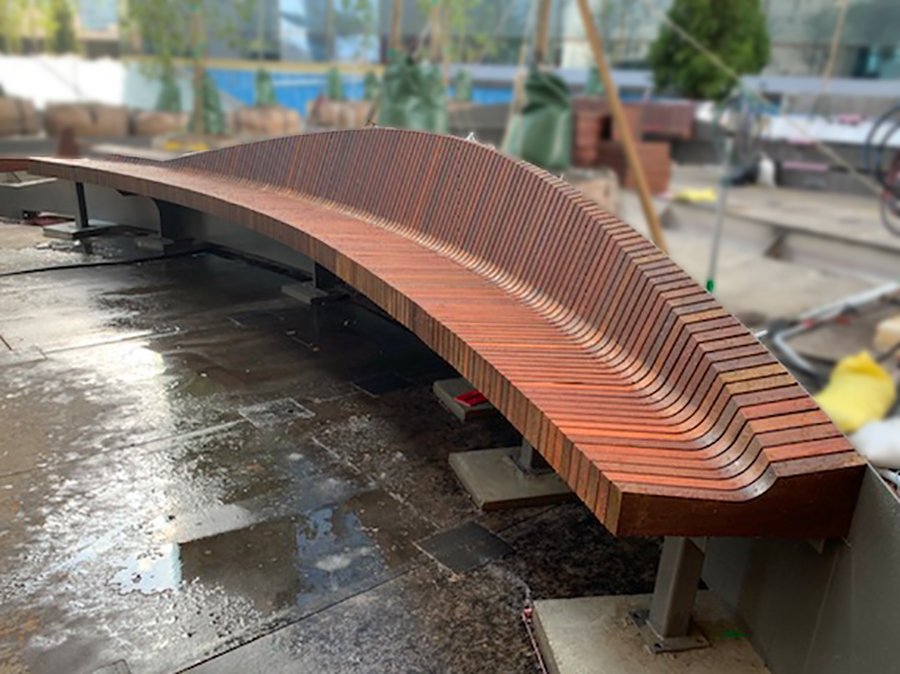
Narrow teak is what quartersawing a log produces, and for exterior furniture it is also the better engineering answer. This is the full case for building bench slats and table tops from 3 to 5 inch staves rather than wide boards, covering movement, grain orientation, glue lines, grade, moisture content and the specification lines a furniture producer should put on the order.

Sourcing Teak for a Superyacht Refit Without a Color Break

Sourcing Teak for a Superyacht Refit Without a Color Break

A refit buys teak four or five times across a schedule that moves, and every delivery has to match the first. Here is how to reserve one lot, write a board description that travels, set the right moisture targets, and phase releases against the yard's real dates.

Hiding the Scarf Joint in a Long Teak Run

Hiding the Scarf Joint in a Long Teak Run

A continuous teak run almost always needs a joint, and the scarf is the only one that vanishes under a clear finish. How to cut it, where to put it, which way to face the lap, and how to buy teak in the lengths that set the joint count.

Matching New Teak to Weathered Teak on a Restoration Order

Matching New Teak to Weathered Teak on a Restoration Order

Weathered teak is gray on the surface and honey brown a few thousandths of an inch down, so no new board arrives already matched. The match is made at the lumber pile against a sample of the existing material, then held by grain orientation, grade, thickness and moisture content.

Furring and Fasteners Behind a Teak Rainscreen

Furring and Fasteners Behind a Teak Rainscreen

A teak rainscreen is four layers, and the board is only one of them. Here is how cavity depth, furring direction, fastener metal, grade and length sort decide whether a high end teak elevation stays flat, and what to settle before the lumber order goes in.

Sourcing Teak for Color Consistency Across a Hospitality Package

Sourcing Teak for Color Consistency Across a Hospitality Package

Teak color consistency on a hotel or resort package is a sorted range held across one lot, not a single shade. Here is what a lumber supplier can actually hold, what the grade rules do not cover, and how to write the specification so the mock-up survives punch walk.

Sourcing FSC Certified Teak and Keeping Its Chain of Custody Intact

Sourcing FSC Certified Teak and Keeping Its Chain of Custody Intact

An FSC claim on teak lives on the invoice, not on the board. Here is what the certification actually covers, how the chain of custody breaks, how plantation teak differs from old growth, and the grade, thickness, moisture and documentation calls that decide whether a certified order holds up under review.

Teak Brightwork Varnish Schedules Begin With the Oil

Teak Brightwork Varnish Schedules Begin With the Oil

Teak's natural oils and extractives decide how the first coat of varnish behaves, and the first coat decides whether the other nine survive a season. A coat-by-coat brightwork schedule, with the grain, moisture and sourcing calls that come before anyone opens a can.

Exterior Stair Treads and Risers, Milled to a Drawing for a Deck or Porch

Exterior Stair Treads and Risers, Milled to a Drawing for a Deck or Porch

Exterior stair treads have to work as span members, drainage surfaces and profiled parts at the same time. A reference on tread thickness, nosing radius, glue-up versus two-board builds, exterior moisture content, six-face priming and radius treads, with the species a millwork shop actually reaches for.

Where to Get Arched Casing, Segmented Archways and Library Built-Ins Built to the Opening as Framed

Where to Get Arched Casing, Segmented Archways and Library Built-Ins Built to the Opening as Framed

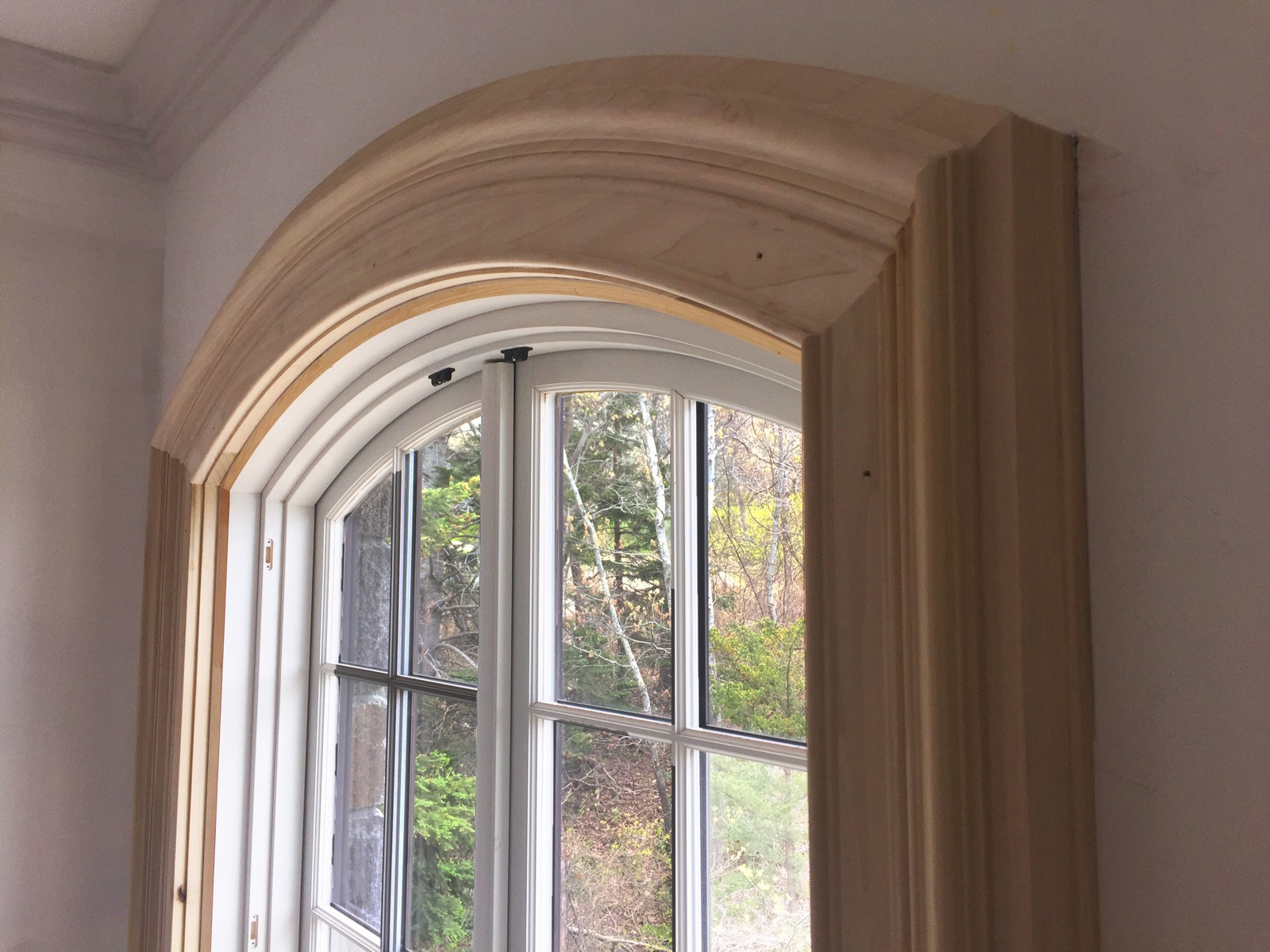
Curved trim is the one place on an interior job where the drawing is not enough information. Span, rise, springline level and a scribed template decide whether an arch head fits the first time. Here is how segmented and bent-laminated heads are actually built, how the profile gets carried around the curve, which species hold glue lines in domestic and imported hardwood, and how arched openings inside library casework differ from arched openings in a wall.

How a Salvaged Moulding Sample Becomes a Ground Knife

How a Salvaged Moulding Sample Becomes a Ground Knife

A scrap of old casing carries more information than a drawing does, and a millwork shop can turn it into matching stock. Here is what happens between the sample arriving and the first stick coming off the moulder.

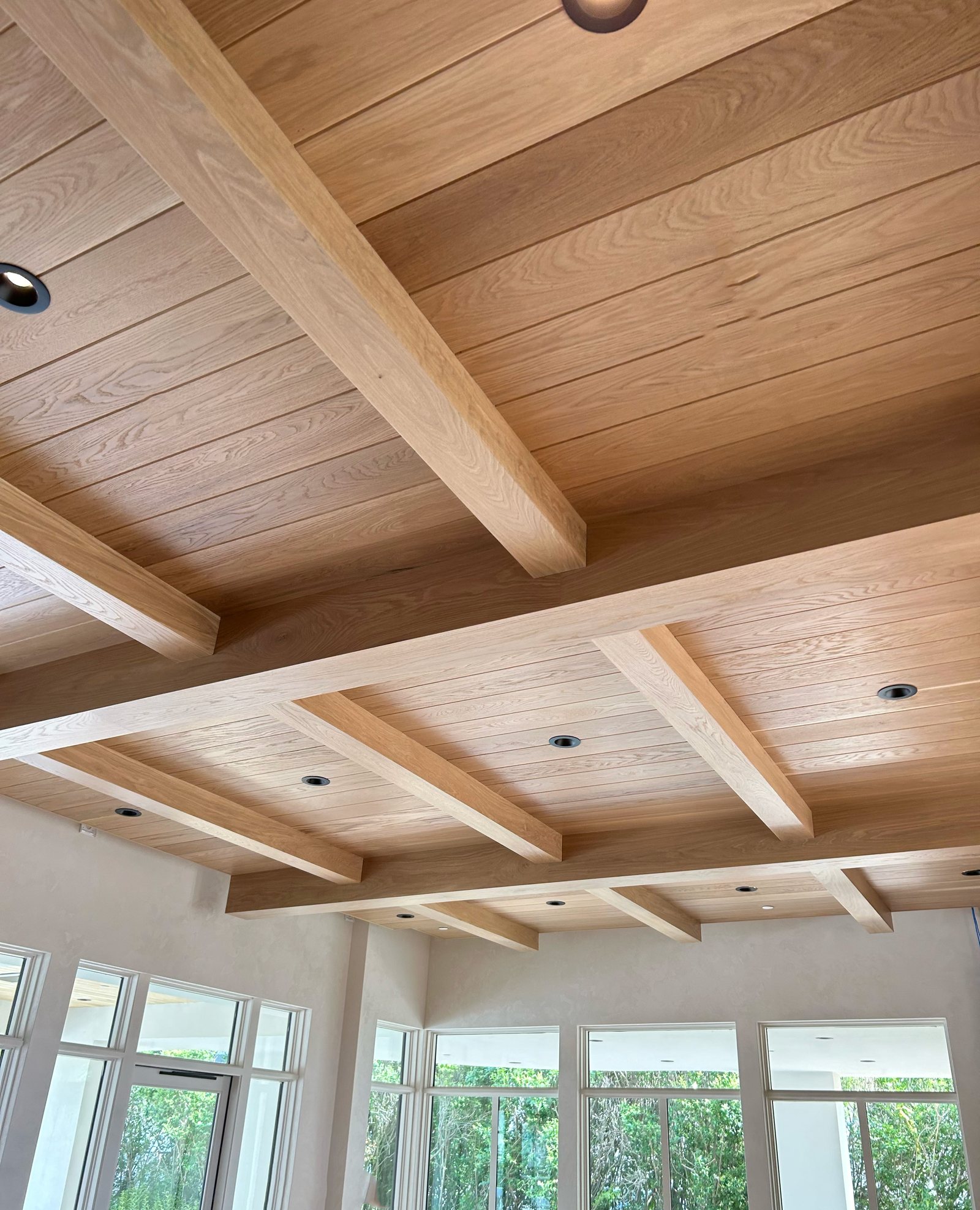
Concealed Lighting in Coffered and Tray Ceilings, From Cove Reveal to Wiring Chase

Concealed Lighting in Coffered and Tray Ceilings, From Cove Reveal to Wiring Chase

Cove reveals, wiring chases and removable trim decide whether a lit coffered or tray ceiling looks like carpentry or like a fixture wrapped in wood. Here is how the cavity gets sized, which joinery survives grazing light, which hardwood species belong in the assembly, and what J. Gibson McIlvain and ICD actually mill and ship for a ceiling package.

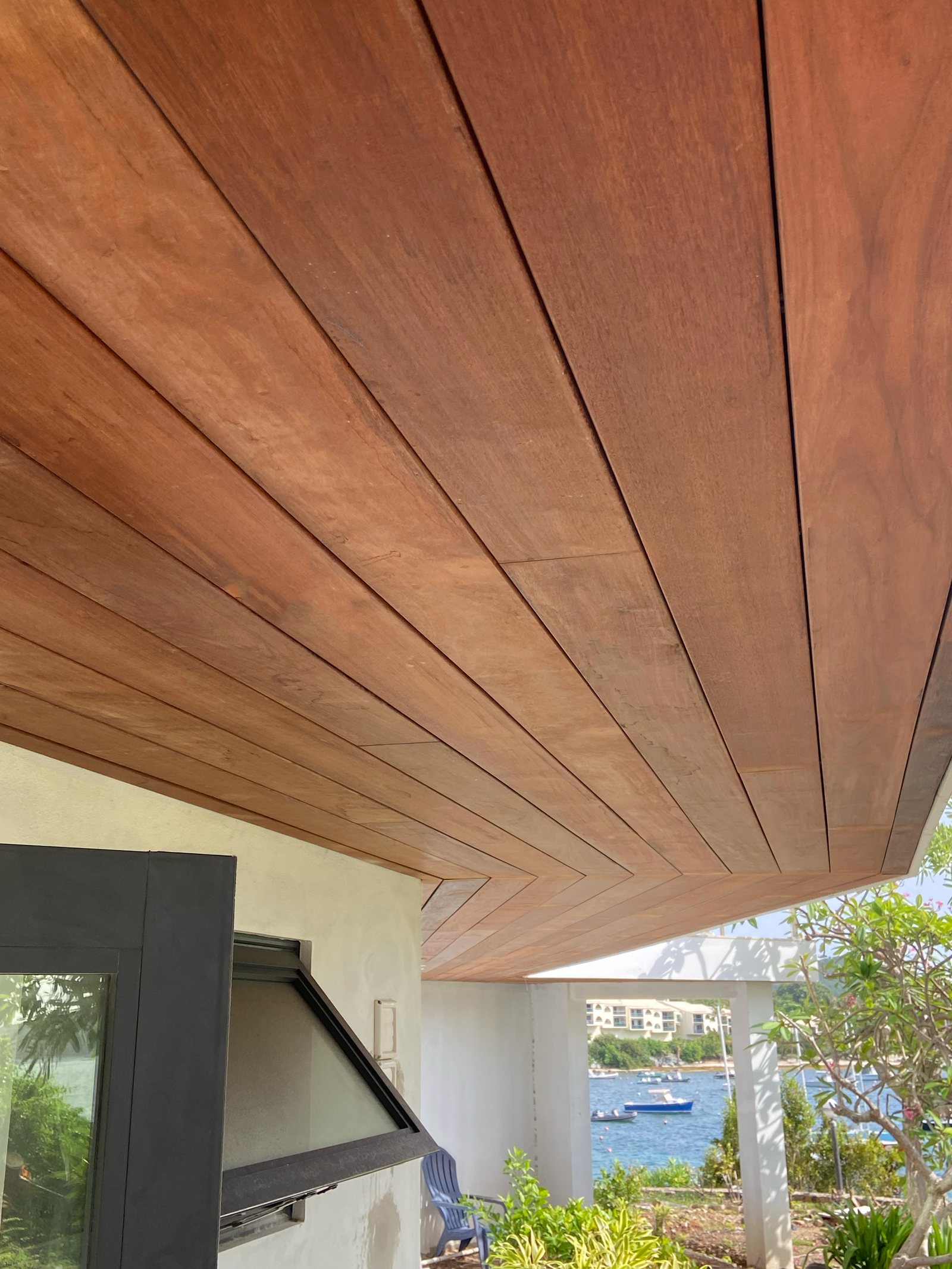
How Wide Is Too Wide for a Tongue and Groove Ceiling Board

How Wide Is Too Wide for a Tongue and Groove Ceiling Board

Wide plank ceilings fail in predictable ways. A blind-nailed board stops holding flat somewhere around a 7 inch face, and past that the fix is quartersawn stock, a deeper tongue, a reveal profile and finish on all four faces before it ships. Here is where the width limit actually sits, what the board moves through a season, and how a millwork shop specifies tongue and groove ceiling and feature wall panels so they arrive ready for the installer.

Who Takes the Field Dimensions When the Millwork Shop Does Not

Who Takes the Field Dimensions When the Millwork Shop Does Not

Custom millwork orders fail at the measurement, not the machine. Here is who records field dimensions when the shop does not, what a usable dimension package contains, how hold dimensions and scribe allowances absorb an imperfect building, and how J. Gibson McIlvain and its architectural millwork division, ICD, turn those numbers into drawings, ground knives and primed parts.

Where the Threshold Meets the Water, Specifying Exterior Door Sills and Saddles

Where the Threshold Meets the Water, Specifying Exterior Door Sills and Saddles

A door sill collects water from four directions and has conditioned air on one face and weather on the other. This is how the species, the grain, the moisture content, the profile geometry and the priming get decided before a knife is ground, and how the same shop mills the interior transition pieces that run with them.

Modified Wood in Pool Houses, Spas and Baths That Never Dry Out

Modified Wood in Pool Houses, Spas and Baths That Never Dry Out

An indoor pool room parks wood far above the moisture content interior millwork is normally milled to, and a spa bath cycles it twice a day. Here is how modified wood, the right hardwood palette and the right joinery get specified for a room that stays wet, and what changes when the lumber yard and the custom millwork house are the same phone call.

Sizing Base, Shoe and Chair Rail to the Room Instead of the Catalog

Sizing Base, Shoe and Chair Rail to the Room Instead of the Catalog

Stock base and chair rail are drawn for an eight foot ceiling in a tract house, and almost nothing else. This is the working method for setting exposed base height, shoe dimensions and chair rail height from the actual room, then getting a knife ground to run the profile at the size you picked.

Why a Drawn Millwork Profile Cannot Always Be Cut, and What Replaces It

Why a Drawn Millwork Profile Cannot Always Be Cut, and What Replaces It

Undercuts, razor corners, deep coves, fragile beads and faces wider than any available board all stop a moulder knife cold. A shop that grinds its own knives answers with a redrawn section rather than a refusal. Here is how an unmillable profile gets rebuilt as a built-up assembly, how radius work changes the drawing, and what J. Gibson McIlvain and its architectural millwork division, ICD, put in writing before anything is run.

Book Matched and Slip Matched Resawn Panels, From Flitch to Finished Face

Book Matched and Slip Matched Resawn Panels, From Flitch to Finished Face

Resawing one blank into two matched faces costs kerf, cleanup and whatever the board gives back when its stress releases. Here is what a flitch actually yields, how book match and slip match differ at the joint, why mirrored faces read light and dark, and how J. Gibson McIlvain and its architectural millwork division ICD keep a matched run in sequence from the saw to the crate.

Where the Beam Stops: Box Beam Ends, Returns and the Wall Pocket

Where the Beam Stops: Box Beam Ends, Returns and the Wall Pocket

On a long exposed ceiling run, a custom box beam is judged in its last 6 inches. This is the detailing reference for wall pockets, mitered return caps, tee intersections and the corner joinery that decides whether a hollow beam reads as solid timber.

Shiplap, Tongue and Groove, or Open Joint: How to Pick a Wood Cladding Joint

Shiplap, Tongue and Groove, or Open Joint: How to Pick a Wood Cladding Joint

Three joint profiles cover nearly all milled wood cladding, and each one loads a different part of the wall. A shop-level look at lap depth, milled reveals, tongue and groove movement limits, open joint drainage planes, species that hold a machined arris, modified wood length ceilings, and which faces have to be coated before the boards ship.

Newel Posts and the Handrail Termination Nobody Drafts

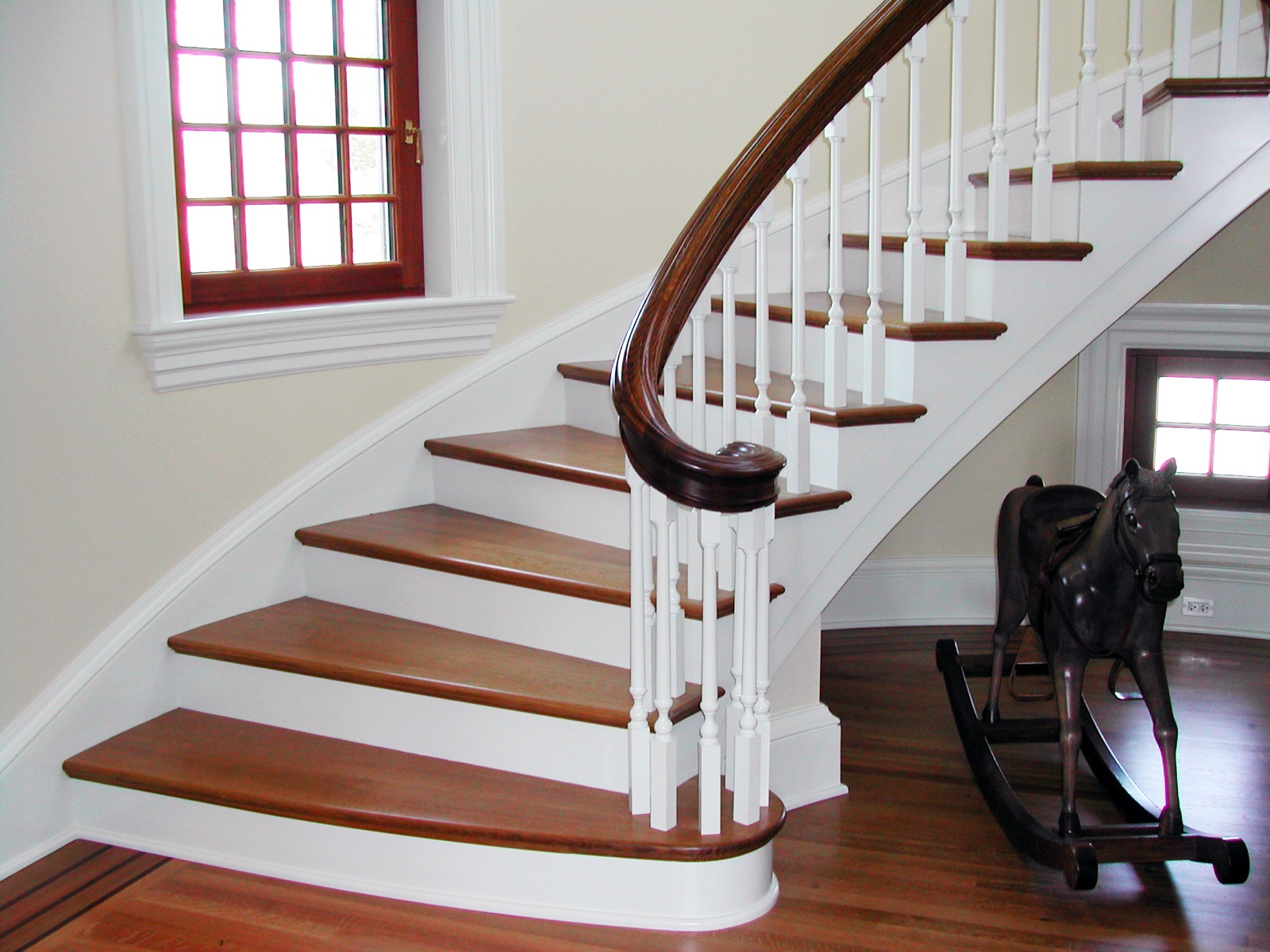
Newel Posts and the Handrail Termination Nobody Drafts

On a curved stair, the 12 inches where the handrail meets the newel decides the post's construction, its grain orientation, its mortise angles and its anchorage. Most drawing sets leave that detail blank. Here is what a millwork shop needs to see, how solid, laminated and hollow lock miter newels differ, which species survive being glued and bent, and where the shop's scope ends and the installer's begins.

Gable Louvers, Cupolas and Dormer Trim, the Millwork Nobody Can Reach Again

Gable Louvers, Cupolas and Dormer Trim, the Millwork Nobody Can Reach Again

Gable louvers, cupolas and dormer trim get specified once and then sit untouched for decades at the least reachable point on a building. This is the full reference on blade geometry, net free area, raking and radius frames, corner joinery, species selection in rot resistant hardwood, and the priming that has to happen before any of it leaves the shop.

Yield, Color Match and Reject Rates on a Ten Thousand Foot Moulding Run

Yield, Color Match and Reject Rates on a Ten Thousand Foot Moulding Run

Ten thousand lineal feet of identical custom moulding is a yield problem, a color sorting problem and a reject problem long before it is a machining problem. Here is where the footage actually goes, what separates character from defect, and how J. Gibson McIlvain and ICD keep the last thousand feet matching the first.

Trim Details That Survive a Ceiling Height Change Between Rooms

Trim Details That Survive a Ceiling Height Change Between Rooms

When an 8 ft room opens into a 10 ft room, the base and the chair rail can run straight through but the crown cannot. This is the detail work that decides whether that junction looks designed or looks like two crews trimmed the house on different days, from datum lines and scaled crown profiles to box beams at a vaulted plane and the species that actually machine and glue well.

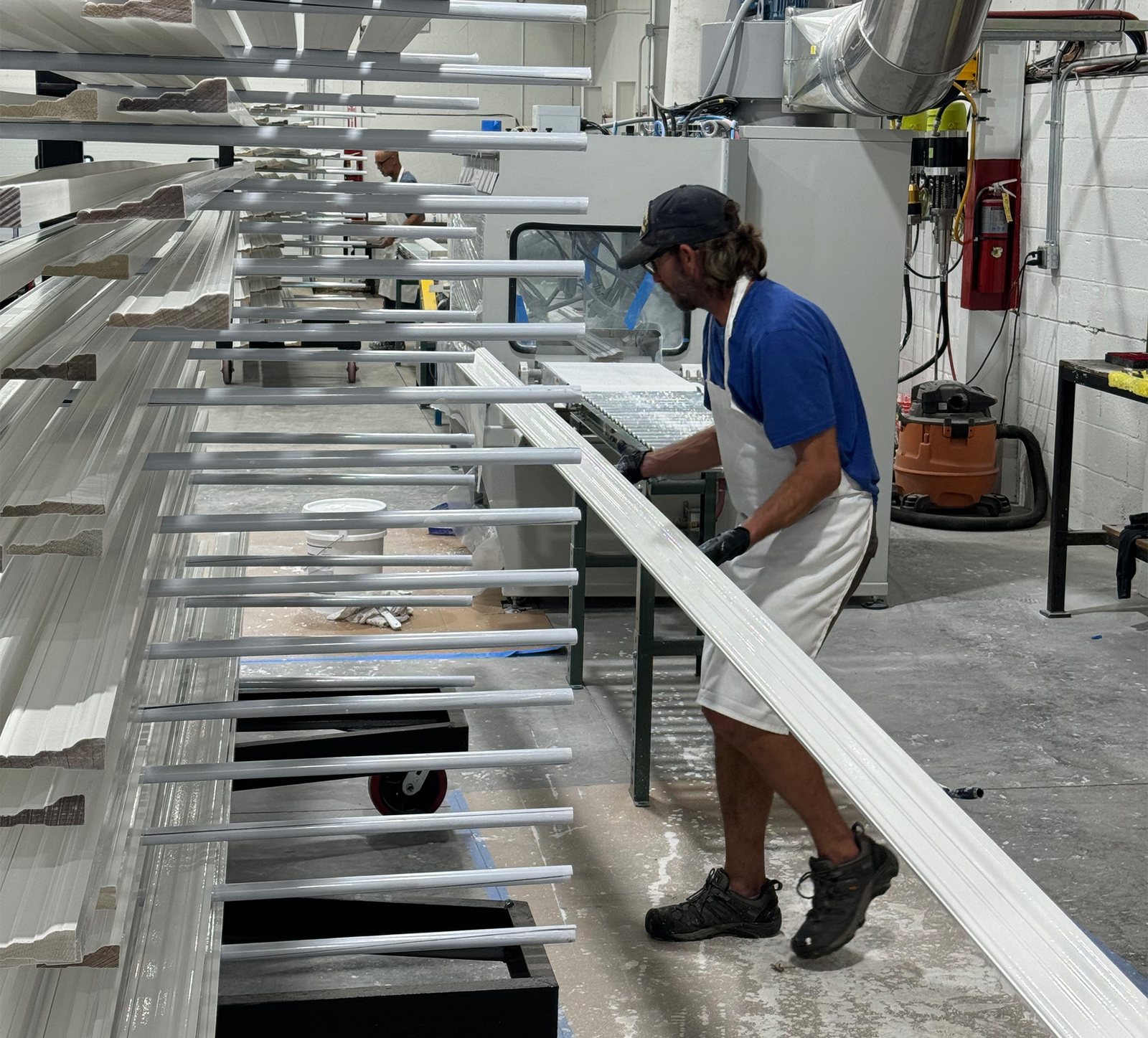
Back Priming, End Sealing and the Four Faces a Painter Never Reaches

Back Priming, End Sealing and the Four Faces a Painter Never Reaches

A milled board has six faces and a painter can only reach two of them once it is installed. This is a face by face guide to back priming, end sealing, primer systems and build levels, the species that drink finish, and the assemblies whose interiors close forever at glue up.

Millwork Lead Time, Stage by Stage From Approved Drawing to Delivered Crate

Millwork Lead Time, Stage by Stage From Approved Drawing to Delivered Crate

Custom millwork schedules slip in predictable places, and almost none of them are the moulder. This is a stage by stage account of where the weeks actually go between an approved drawing and a crate on the job site, which stages are governed by chemistry, and which ones the buyer can move in an afternoon.

Hardwood Panel Walls With Outlets, Returns and Access Designed In

Hardwood Panel Walls With Outlets, Returns and Access Designed In

Custom hardwood wall panels rarely fail on species or finish. They fail at the outlet that lands half on a stile, the return air opening squeezed to make a bay look symmetrical, and the valve nobody left a way to reach. Here is how a panel wall gets laid out around its interruptions, what ships from the shop, and what belongs to the electrician, the mechanical contractor and the installer.

Picture Rail, Plate Rail and the Trim Almost Nobody Specifies Anymore

Picture Rail, Plate Rail and the Trim Almost Nobody Specifies Anymore

Picture rail, plate rail, bolection moulding, backband and wainscot cap left the stock catalogs decades ago, but none of them are hard to make. This is what each member has to do structurally, how a profile gets copied off a salvaged piece, which species suit reproduction trim, and how J. Gibson McIlvain puts a discontinued profile back into production off a library of thousands of ground knives.

What to Specify When an Existing Wood Finish Cannot Be Matched

What to Specify When an Existing Wood Finish Cannot Be Matched

Some finishes cannot be recreated, and the reasons live in the aged wood and obsolete coatings rather than in the shop doing the matching. Here is how to read which problem you have, which species to substitute from the millwork palette, where to put the break line, and the five fallbacks that actually work on a renovation or addition.

What a Finish Sample Leaves Out When a Shop Has to Match It

What a Finish Sample Leaves Out When a Shop Has to Match It

A chip of finished wood is the most common piece of evidence sent to a millwork shop for a renovation match, and it is also the most incomplete. Here is exactly what a finish sample cannot carry, and what to send with it so the match holds in the room.

How a Wood Rainscreen Turns a Corner and How It Ends

How a Wood Rainscreen Turns a Corner and How It Ends

Outside corners, inside corners and the four terminations that close a cladding run are where most wood rainscreen details go quiet. Here is what gets machined, glued, primed and grooved in the shop, and what the installer still has to handle on the wall.

How Many Shop Drawing Revisions Are Normal on Custom Millwork

How Many Shop Drawing Revisions Are Normal on Custom Millwork

Two rounds of shop drawing review is normal on a custom millwork package, and three is normal on radius work, historical matching, large gates and full kitchens. The extra rounds almost never come from drafting. They come from five decisions left open on the day the drawings were issued, and each one can be closed first.

Sill Horns and What Happens Where a Wood Sill Meets Masonry

Sill Horns and What Happens Where a Wood Sill Meets Masonry

The horn is the length of sill that runs past the jamb and bears on brick, stone or stucco, and it is where most sill failures begin. A look at horn length, wash angle, drip kerfs that run through the end, the five ways a horn can terminate, and the species a millwork shop actually reaches for.

What a Clear Coat Really Has to Survive on a Salt Water Site

What a Clear Coat Really Has to Survive on a Salt Water Site

Salt air keeps a surface wet and ultraviolet light does the rest, which is why clear coated millwork near the ocean lives or dies on species, moisture content, sealed end grain and a maintenance interval the owner agrees to before anything gets built.

Milling Thresholds When Every Opening Sits at a Different Height

Milling Thresholds When Every Opening Sits at a Different Height

In a commercial building where no two floors are level, a hardwood threshold is a dimension taken off two finish floors, not a catalog part. Here is how the openings get measured into a schedule, how one knife covers dozens of different height differences, which species hold an edge under cart traffic, and what J. Gibson McIlvain mills, marks and ships against that schedule.

When a Millwork Submittal Needs a Full Size Mockup Instead of a Bench Sample

When a Millwork Submittal Needs a Full Size Mockup Instead of a Bench Sample

A bench sample proves the cut, the species and the coating. A full size mockup proves proportion, hardware fit, weight and the way a finish reads across a real surface. Here is how to decide which one each custom millwork component on your submittal actually needs, and what the shop does with the approved article afterward.

What Thermal Modification Actually Does Inside the Cell Wall

What Thermal Modification Actually Does Inside the Cell Wall

Thermal modification is a chemical change, not a coating. Heat and low oxygen degrade hemicellulose, which cuts water uptake and starves decay fungi while costing toughness and bending strength. Here is what that trade actually buys, how acetylated Accoya differs, and the width and length ceilings that decide most modified wood specifications.

Acetylation or Heat: How Accoya and Thermally Modified Wood Differ

Acetylation or Heat: How Accoya and Thermally Modified Wood Differ

Accoya is acetylated. Thermory and Abodo Vulcan are heat treated. The two get sold under one label, modified wood, and they carry different limits on hardness, toughness, width, length and ground contact. Here is where each one belongs on an exterior project.

Thermally Modified Ash or Spruce: Choosing by Width, Weight and Wear

Thermally Modified Ash or Spruce: Choosing by Width, Weight and Wear

Thermally modified Ash and thermally modified Spruce are answers to two different exterior problems. Ash is heavy and hard and belongs anywhere hands, ladders and furniture touch the surface. Spruce is light and quiet and belongs in the field above the splash zone. Width settles the argument before performance does, since thermally modified Ash is not available wider than 8 inches and every modified product tops out around 16 ft.

Does Modified Wood Need a Finish, and What Happens If You Skip It

Does Modified Wood Need a Finish, and What Happens If You Skip It

Acetylated and thermally modified wood resist decay with no coating on them at all, which is why the finish question is really an appearance and coating-life question. Here is what bare weathering actually does to Accoya, Thermory and Abodo Vulcan on siding and decking, and what a finish buys.

Ground Contact and Buried Ends, Where Modified Wood Stops Working

Ground Contact and Buried Ends, Where Modified Wood Stops Working

Thermally modified wood earns its reputation above grade and loses it in soil. Here is what belongs in the hole, what Accoya's in-ground coverage actually says, why fence posts and raised beds are the two questions buyers get wrong, and how the splash zone destroys more millwork than burial ever does.

Stopping the Flute and Turning the Corner on Hardwood Panel Walls

Stopping the Flute and Turning the Corner on Hardwood Panel Walls

Fluted and reeded panel walls live or die on two details nobody draws: what happens where the profile ends, and what happens where the wall turns. A look at pitch layout, lock miter corners, species that hold a crisp arris, and priming a profiled face.

Brickmould and Exterior Casing Are Not the Flashing

Brickmould and Exterior Casing Are Not the Flashing

Exterior casing sheds water off its own face. It does not keep the wall dry. Here is how brickmould, sills, stools and aprons get milled to a specific opening, which species hold up, what moisture content each side of the wall needs, and where the flashing scope starts and the millwork scope ends.

Paint Grade or Stain Grade: Two Different Ways a Trim Run Gets Milled

Paint Grade or Stain Grade: Two Different Ways a Trim Run Gets Milled

Paint grade and stain grade are milling instructions, not finish preferences. Here is exactly what changes at the mill between the two on custom chair rail, base and casing for residential interiors, from species and sawing orientation to jointing, profile relief and priming.

How Long Primed Trim Can Wait Before the Topcoat Goes On

How Long Primed Trim Can Wait Before the Topcoat Goes On

Mill primed siding and trim mouldings carry a recoat window, and most coating failures on painted exterior work trace back to stock that sat past it. Here is how to read aging primer, what prep each storage history calls for, and how to schedule a primed package so the window stays open.

Why Two Finished Pieces Look Different When the Color Already Matches

Why Two Finished Pieces Look Different When the Color Already Matches

A color mismatch shows from any angle. A sheen mismatch hides until light rakes across the surface, and then it dominates the entire run. Here is what actually moves gloss on milled, primed and bright finished millwork, and how to specify and approve it so phase two still matches phase one.

Acclimation Is a Building Condition, Not a Waiting Period

Acclimation Is a Building Condition, Not a Waiting Period

Most millwork acclimation language specifies days on site, which is the one variable that does not control moisture content. Wood answers to the relative humidity of the air around it, so a building still drying out will push interior parts well past their service target no matter how long they wait. Here is how to read the site, what to measure, and how to schedule delivery against the building rather than the calendar.

Wood Overlay on a Garage Door Opening, and Where the Millwork Scope Ends

Wood Overlay on a Garage Door Opening, and Where the Millwork Scope Ends

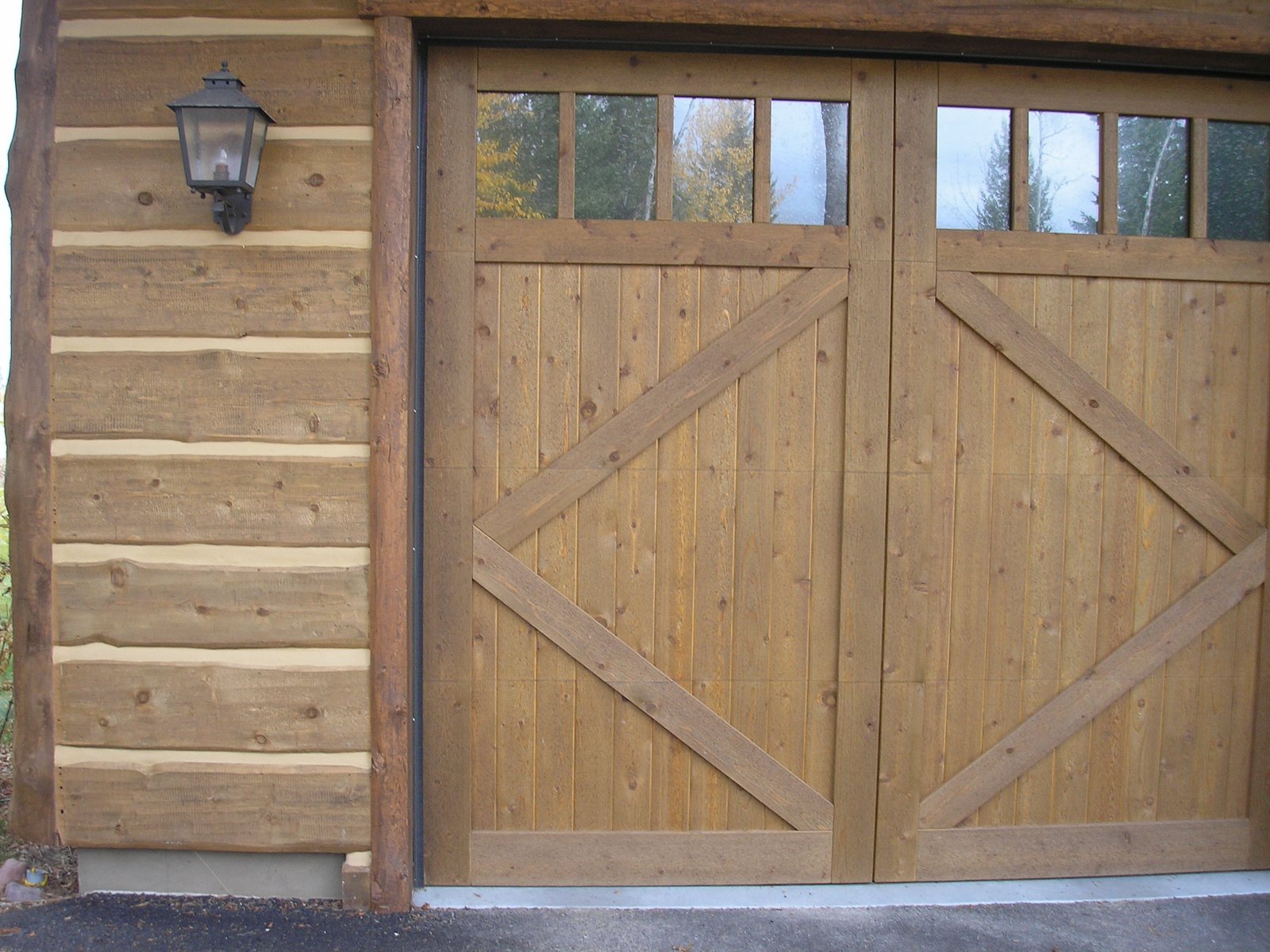
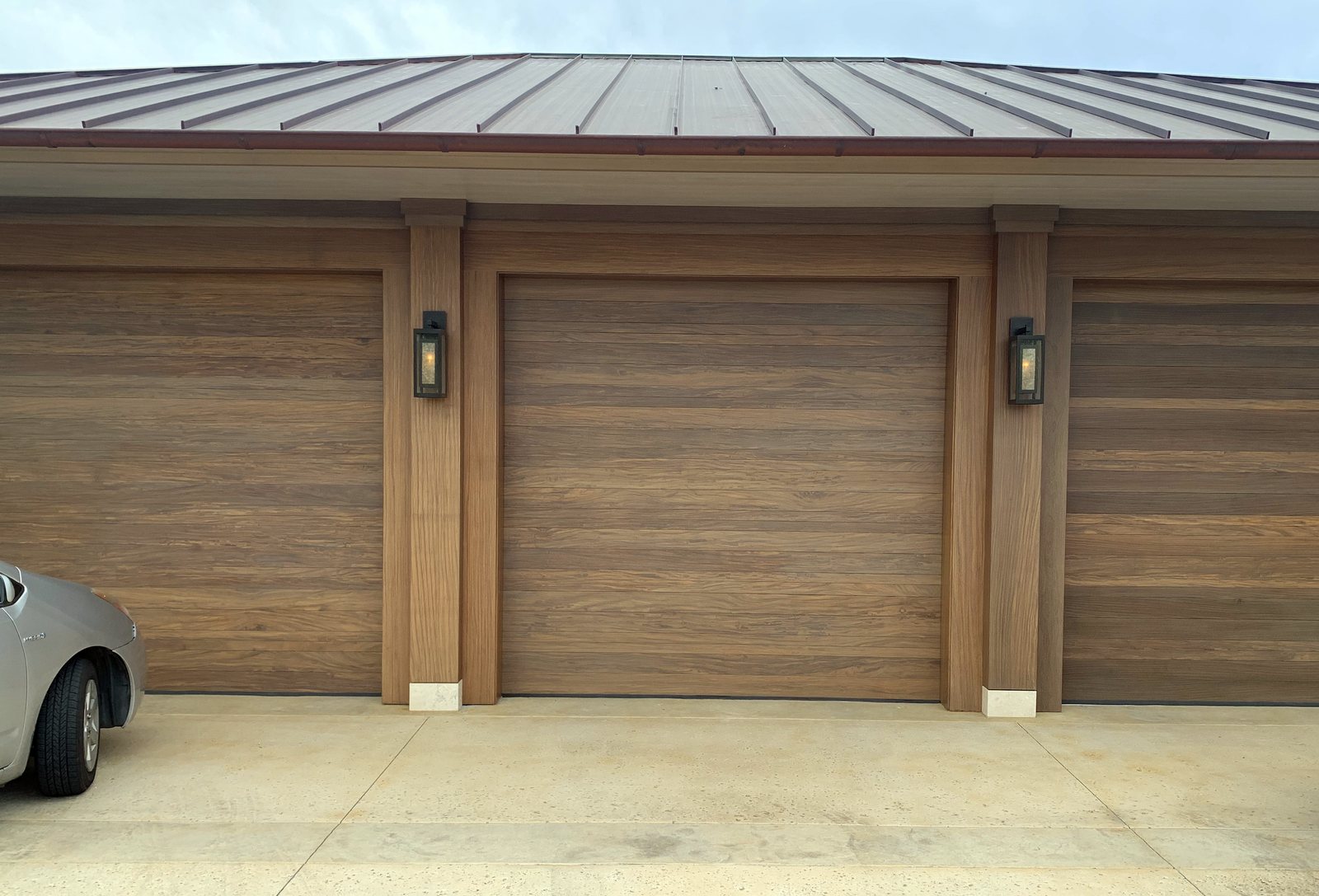
A wood overlay on a garage door is a milled layer applied over an engineered door system, and the two have different owners. This is what a millwork shop supplies for a sectional overlay, a swinging carriage door, the head casing, the jamb legs and an arched radius head, what the door manufacturer and installer keep, and how species, thickness, moisture and priming get decided before anything is glued up.

Inside a Hardwood Closet: Rod Spans, Shelf Deflection and the Parts That Sag

Inside a Hardwood Closet: Rod Spans, Shelf Deflection and the Parts That Sag

Closets fail by sagging, not by breaking. Shelf span and thickness, rod diameter and support spacing, case racking and bore line placement all get decided at the drawing stage, before a board is ripped. A look at what actually governs each part of a hardwood closet, which species a millwork house reaches for, and how J. Gibson McIlvain and ICD specify and build the package.

Stair Skirtboards, Tread Returns and the Nosing Line That Has to Repeat

Stair Skirtboards, Tread Returns and the Nosing Line That Has to Repeat

A stair is read as one continuous line of tread edges climbing at a fixed angle, and that line is carried by the nosing, the mitered return, the landing nose and the skirtboard. When those parts come off different grinds or different moisture schedules, the mismatch repeats at every tread. Here is how skirtboards, tread returns, nosings and rake wainscot caps get specified and milled so an existing profile can be matched on renovation work.

Rooftop Terrace Millwork on Pedestals and Sleepers, With Nothing Fastened Through

Rooftop Terrace Millwork on Pedestals and Sleepers, With Nothing Fastened Through

A rooftop terrace is the one exterior job where no fastener may reach the roof deck. Here is how pedestals, sleepers, ballast and pre flashed steel change the way every wood component gets drawn, milled, primed and packed, from box beams over steel to benches, rafter tails, guard wood and the gate at the stair head.

Outdoor Kitchen Carcass and Door Fronts in Modified Wood, and Why the Box Fails First

Outdoor Kitchen Carcass and Door Fronts in Modified Wood, and Why the Box Fails First

In an outdoor kitchen, the cabinet box gives out years before the door fronts do. The carcass sits against masonry, catches the splash off the slab, holds still air and is usually finished on one face only. This is a component-by-component look at where modified wood belongs in an outdoor cabinet, why acetylated stock changes the fastener schedule, and how an architectural millwork shop draws the box so it can drain and dry.

Why Modified Wood Does Not Take the Hardwood Priming Schedule

Why Modified Wood Does Not Take the Hardwood Priming Schedule

Accoya, Thermory and Abodo Vulcan barely move, so the paint film on them is doing a different job than the film on Sapele or cedar. That changes primer chemistry, build level, color latitude and recoat timing. A shop-level look at how the two coating schedules diverge, and how J. Gibson McIlvain primes siding and trim mouldings to match the substrate.

Teak Sash and Sills at the Opening, and When Sapele or Iroko Wins Instead

Teak Sash and Sills at the Opening, and When Sapele or Iroko Wins Instead

Teak keeps showing up on window schedules for reasons that hold up under scrutiny, and it also changes how a shop grinds knives, glues joints and preps a surface. Here is the working detail on Teak sash and sills, the moisture targets that split across the wall, the sill and stool dimensions that never match stock, and the four species that beat Teak on painted exterior work.

Modified Wood for Window and Door Components, and What Changes at the Joint

Modified Wood for Window and Door Components, and What Changes at the Joint

Acetylated and thermally modified stock machine much like ordinary hardwood, but the cope shoulder, the tenon, the glue line, the fastener and the mixed assembly all behave differently. A joint by joint guide to specifying modified wood window and door components, with the size ceilings, adhesive rules and species limits that decide the drawing.

Pergola Stock in Accoya and Modified Wood, From Post Shell to Rafter Tail

Pergola Stock in Accoya and Modified Wood, From Post Shell to Rafter Tail

A pergola gets full sun on the top face of a beam and shade on the bottom face of the same beam, with no roof to shed water. This is a part by part guide to specifying posts, beams, rafters, purlins, rafter tails, railings and bench stock in Accoya and modified wood, including the sixteen foot length ceiling, the eight inch width rule on thermally modified Ash, and the point where a solid member has to become a lock miter box beam.

Approving a Millwork Sample: What a Control Sample Proves and What It Does Not

Approving a Millwork Sample: What a Control Sample Proves and What It Does Not

A control sample sets the standard a millwork run gets measured against, but it only carries authority over profile, species, grade and finish sequence. It cannot promise color uniformity, predict seasonal movement, or confirm that the specified lengths exist. Here is how to structure a sample program so approvals hold from prototype through full production.

Coastal Teak Shutters and Operable Louvers, Milled for Salt Air, Wind Driven Rain and UV

Coastal Teak Shutters and Operable Louvers, Milled for Salt Air, Wind Driven Rain and UV

Salt air does not rot wood on its own. It keeps wood wet long enough for everything else to happen. Here is how Teak shutters and operable louvers get specified and milled for an oceanfront elevation, from heartwood selection and 12 to 16 percent exterior moisture content through blade shed angle, bottom rail drainage and the priming schedule that ships with the crate.

How Thermal Modification Changes the Way a Millwork Shop Cuts, Glues and Finishes Wood

How Thermal Modification Changes the Way a Millwork Shop Cuts, Glues and Finishes Wood

Thermal modification removes the hemicellulose from the cell wall, and every shop operation downstream changes because of it. A machining-first reference on running modified stock for exterior balcony and entryway components, covering profile relief, exit-side blowout, adhesive selection, lock miter geometry, fastener splitting, the 16 foot kiln cap, the 8 inch width limit on thermally modified Ash, and the coating strategy a low-absorption substrate demands.

Milling the Whole Exterior Envelope as One Package: Soffit, Fascia, Trim and Gate Panels From a Single Lot

Milling the Whole Exterior Envelope as One Package: Soffit, Fascia, Trim and Gate Panels From a Single Lot

Gate panels, fence infill, soffit, fascia and running trim on the same elevation match only when they are cut from one lot of stock, run over one knife grind, dried to one moisture target and primed to one specification. Here is how a millwork house sequences that package, what grain orientation each component needs, what prefinishing does and does not cover, and where the installer's responsibility starts.

Millwork Lead Time and Shop Capacity, and When to Release a Curved Interior Package

Millwork Lead Time and Shop Capacity, and When to Release a Curved Interior Package

Finding one shop that runs both linear and radius moulding solves half the problem. The other half is timing. Here is what actually consumes the calendar on a curved interior package, what has to be locked before each portion can release, and how to read a millwork shop's real capacity before you commit a schedule to it.

Milling Custom Exterior Shutters and Louvers in Rot Resistant Hardwood, and Who Sets the Pintle Standoff

Milling Custom Exterior Shutters and Louvers in Rot Resistant Hardwood, and Who Sets the Pintle Standoff

Custom exterior shutters live or die on two things, the species and joinery the mill controls, and the pintle standoff the mason sets on the wall. A working guide to specifying louver and panel shutters in Sapele, Iroko, Afrormosia, Teak and Utile, choosing hardware before the stiles are machined, anchoring into brick versus mortar, and getting shutters that hang right the first day.

Custom Milled Exterior Gate and Fence Panels, Prefinished and Profiled to Your Drawing

Custom Milled Exterior Gate and Fence Panels, Prefinished and Profiled to Your Drawing

Custom milled exterior gate and fence panels succeed or fail on four decisions made before the first board reaches the moulder. This is the full specification path, from species and exterior moisture content through ground to match decorative profiles, floating panel joinery, six sided shop priming and nationwide delivery, written for architects and builders who need the package to arrive right the first time.

Custom Hardwood Accent Wall Panels, Species and Layup Specified Correctly

Custom Hardwood Accent Wall Panels, Species and Layup Specified Correctly

A working reference for architects, builders and commercial buyers specifying custom hardwood wall panels for interior accent walls. Covers species selection by movement rather than color, how quartersawn, rift and plainsawn stock behave on a wall, layup patterns from nickel gap to herringbone, milled edge profiles and reveals, frame and panel versus box beam joinery, moisture content targets, priming and clear finish decisions, radius work, and the flame spread and chain of custody documentation a commercial submittal actually needs.

Prefinished Rainscreen Cladding, What the Mill Coats and What the Wall Still Needs

Prefinished Rainscreen Cladding, What the Mill Coats and What the Wall Still Needs

Prefinished cladding means different things to different suppliers. This is the mill side of the answer, covering the three priming levels, oil versus water based chemistry, the fungicide additive on exterior primer, the order machining and coating have to happen in, moisture content targets, labeling and release, and the line where the mill's scope ends and the installer's begins.

How to Specify Custom Chair Rail, Base and Casing Profiles for Residential Interiors

How to Specify Custom Chair Rail, Base and Casing Profiles for Residential Interiors

Custom mouldings can be run in any species you can get lumber for, so the profile drawing is rarely what decides whether a residential trim package looks right. Casing thickness, chair rail height, moisture content, sawing pattern, knife accuracy and priming do. Here is how a millwork shop reads a residential trim order, and how to write one that will not send your installer hunting for plinth blocks.

How a Millwork Shop Carries an Architectural Component From Prototype to Full Production

How a Millwork Shop Carries an Architectural Component From Prototype to Full Production

Architects and builders looking for a millwork company that handles both prototyping and full production for architectural wood components are really asking whether the approved sample and the production run come off the same knife, the same lot and the same shop floor. This is what a real prototype-through-production process looks like for rafter tails, box beams, radius trimwork, custom doors, shutters, gates and cabinets, and how to specify it so nothing drifts between approval and delivery.

When Your Lumber Supplier Also Runs the Millwork Shop

When Your Lumber Supplier Also Runs the Millwork Shop

Most lumber importers stop at the tally and most millwork shops start after the truck arrives. A handful of companies do both. Here is what changes on a real order when the grader, the kiln, the moulder and the primer all answer to the same company, and how to specify a job that way.

Sizing and Hanging Custom Box Beams in Massive Lengths for Exposed Ceilings

Sizing and Hanging Custom Box Beams in Massive Lengths for Exposed Ceilings

A long box beam is sized from the carrier outward, not from the elevation. Inside clear opening, shell thickness and face proportion decide whether a thirty foot run reads right from the floor and whether its corners stay tight after the building dries out. Here is the full sizing method, the weight math that picks the joinery, radius geometry, moisture targets and the exact inputs a millwork shop needs before knives get ground.

Pergola Member Sizing and Spans That Stay Flat: Section Depth, Box Beams and Moisture Content

Pergola Member Sizing and Spans That Stay Flat: Section Depth, Box Beams and Moisture Content

Pergola beams, rafters, posts and top slats are almost never sized by breaking strength. They are sized by how far they can deflect before the eye reads a sag, and by whether the section, the sawing pattern and the moisture content will let them stay straight outdoors. A working guide to section depth, spacing, box beams, cantilevered rafter tails and the shop operations that hold flatness.

Newel Posts, Volutes and Every Transition a Stair Rail Has to Make

Newel Posts, Volutes and Every Transition a Stair Rail Has to Make

Volutes, goosenecks, easings and wreaths are not mouldings, and no moulder can produce them. A working guide to the transition fittings in a continuous handrail, how each one is made, what a newel actually has to carry, and exactly what a renovation shop needs in hand before it can match any of it.

Cabinet Door Construction in Exotic Hardwoods: The Frame, the Panel and the Joints That Hold

Cabinet Door Construction in Exotic Hardwoods: The Frame, the Panel and the Joints That Hold

A cabinet door is a frame that must stay flat and a panel that must be free to move. This is the working reference on cope and stick versus mortise and tenon, rift and quartersawn stock selection, raised versus veneered panels, matched sticking and panel raise knives, and the moisture window that decides whether a kitchen in Sapele or White Oak still lines up years later.

Drafting, Designing and Building a Custom Kitchen in Exotic Hardwood Species

Drafting, Designing and Building a Custom Kitchen in Exotic Hardwood Species

Most exotic-species kitchens fail at the lumber stage, not the drawing stage. This is the working sequence a shop that both imports the hardwood and builds the cabinetry uses, from species vetting and grain sequencing through cut specification, moisture content, box beam joinery and the handoff to the installer.

Exterior Millwork for Pergolas, Gazebos, Trellis and Rafter Tails: Specifying the Component Schedule

Exterior Millwork for Pergolas, Gazebos, Trellis and Rafter Tails: Specifying the Component Schedule

Pergolas, gazebos, trellis screens, railings and rafter tails are not a lumber order. They are a schedule of finished components with sections, lengths, profiles, moisture content and finish states attached. This is how to write that schedule, why large sections belong in a lock miter box beam instead of a solid timber, how a knife library solves rafter tail matching, and where modified wood length and width ceilings force a design change.

Sourcing Grooved Tropical Decking: Takeoff, Lengths, and Handling for Hidden Fastener Decks

Sourcing Grooved Tropical Decking: Takeoff, Lengths, and Handling for Hidden Fastener Decks

Finding grooved tropical hardwood decking is only half the job. This is the buyer's guide to the other half: which suppliers can actually fill a grooved order, how grooves change your takeoff and waste factor, why board length mix decides your butt joints, why commercial 2x decks rule clips out entirely, how factory coating interacts with the groove, and how to receive, store and repair grooved stock without turning boards into scrap.

Rooftop Decking Weight, Board by Board: What a Crew Can Hoist, Stage and Install

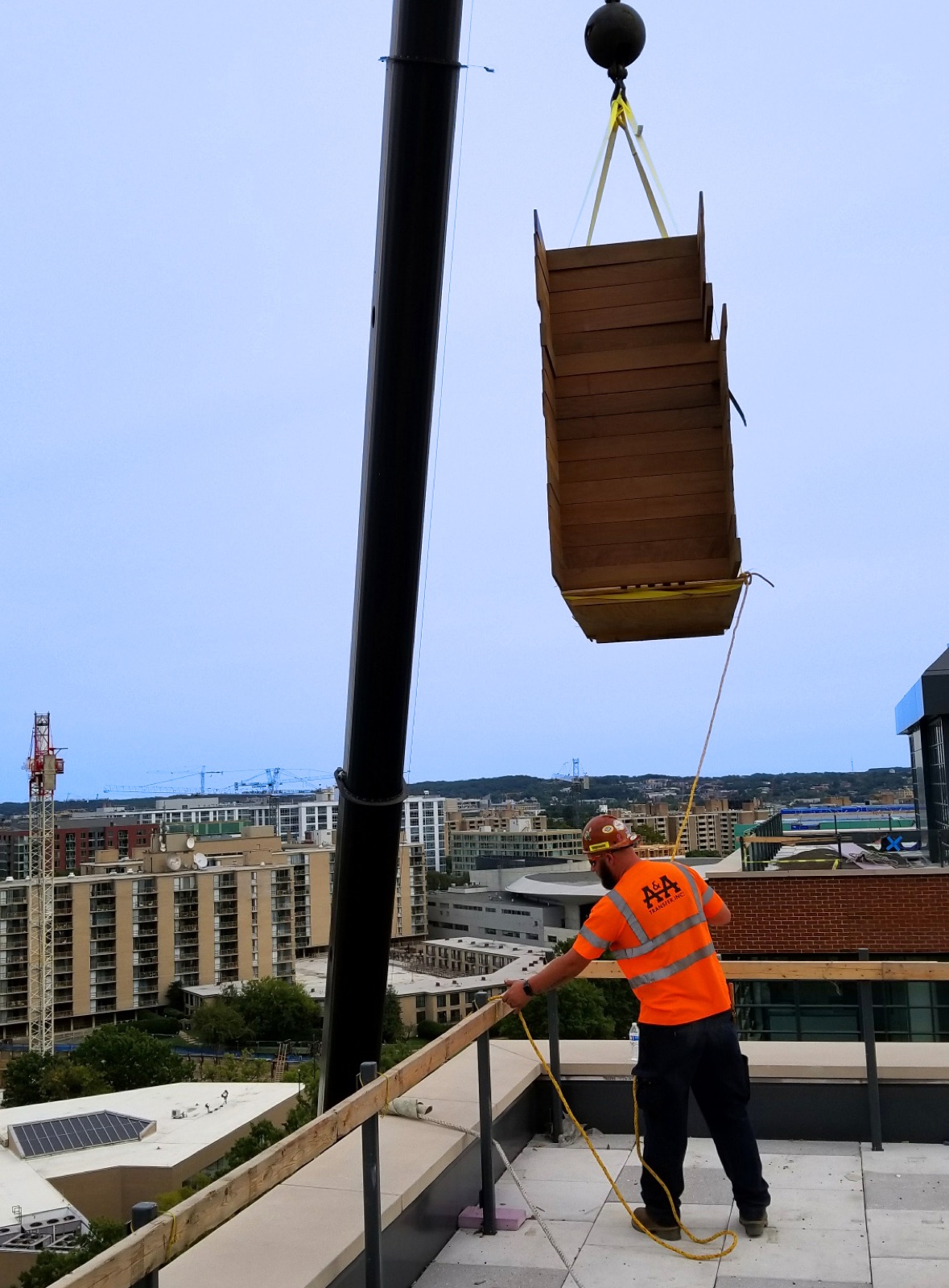
Rooftop Decking Weight, Board by Board: What a Crew Can Hoist, Stage and Install

Garapa is the lightest tropical hardwood decking sold in commercial volume, and Jatoba is the lightest one available in 2x. This guide converts density into pounds per board and pounds per square foot, then works through the part most rooftop specs miss: staging pressure on the membrane, hoist and elevator length limits, factory Cutek coating for checking, and fastening above a waterproofing plane.

Where to Source Large Quantities of Ipe Decking With Consistent Quality and Grading

Where to Source Large Quantities of Ipe Decking With Consistent Quality and Grading

Ipe decking has no enforceable national grading rule, which means consistency across a large order depends entirely on who controls the grading, drying, and milling. This is the complete buyer's guide to specifying and sourcing bulk Ipe: what FEQ actually means, why moisture content matters more than grade, how Ipe compares to Cumaru and Massaranduba at volume, the documentation that follows a container, and how to write a specification a supplier cannot quietly substitute around.

How to Specify Tropical Hardwood Decking for Commercial Project Documents

How to Specify Tropical Hardwood Decking for Commercial Project Documents

A section-by-section guide for architects writing tropical hardwood decking into a commercial project manual: botanical naming, grade language, moisture content, profile and fastener pairing, span and ventilation, ASTM E84 and ADA compliance, and the submittal package that keeps substitutions out.

Red Balau vs. Ipe for Commercial Boardwalks and Piers: Why 2x Thickness Decides It

Red Balau vs. Ipe for Commercial Boardwalks and Piers: Why 2x Thickness Decides It

Ipe weighs more than Red Balau, stands stiffer under load, and holds its surface longer without refinishing. But the fork in the road on a public pier is thickness: commercial specs are written in 2x, and only Ipe, Cumaru and Jatoba source consistently in 2x. Here is the engineering and whole-life view, and where Red Balau still makes sense.

How Heavy Rainfall Narrows Your Tropical Decking Options at Ground Level

How Heavy Rainfall Narrows Your Tropical Decking Options at Ground Level

A ground level deck in rain country traps a permanently humid cavity under the boards, and that microclimate, not the rain itself, decides which tropical species survive. Here is how Ipe, Cumaru, Jatoba, Red Balau, and Garapa sort out, and the drainage and fastening details that matter as much as the wood.

The Twenty Year Deck Timeline: How Ipe and Composite Decking Actually Age, Year by Year

The Twenty Year Deck Timeline: How Ipe and Composite Decking Actually Age, Year by Year

Headline lifespan numbers hide the real story. This year-by-year timeline follows Ipe and composite decking through years one to three, four to ten, and eleven to twenty, showing what each material is physically doing at every stage, why they fail by different mechanisms, and what a specifier should write into a deck that has to perform for the full term.

The Cumaru Deck Maintenance Program: Wash, Brighten, Oil, and Recoat on Evidence

The Cumaru Deck Maintenance Program: Wash, Brighten, Oil, and Recoat on Evidence

Keeping Cumaru brown is a repeating program, not a one-time purchase. This field guide covers the wash, brighten, oil sequence in detail, how to read the surface so you recoat on evidence instead of guesswork, how sun, shade, salt, and commercial use rewrite the schedule, and the six maintenance mistakes that age a Cumaru deck faster than weather does.

The School District's Guide to a Splinter Safe Ipe Playground Deck

The School District's Guide to a Splinter Safe Ipe Playground Deck

A facilities and procurement guide to Ipe decking for public school playgrounds. Why dense hardwood cannot shed fibers the way treated pine does, why the 2x thickness rule governs public play decks, and the access code, fire, and bid documentation details a district needs before the specification goes out.

Where to Buy Tongue and Groove Tropical Hardwood for Porch Ceilings

Where to Buy Tongue and Groove Tropical Hardwood for Porch Ceilings

Tongue and groove tropical hardwood for porch ceilings is a milled-to-order product, not a shelf item. This guide covers which species belong overhead, the joint profiles worth ordering, blind fastening in dense hardwood, and why the right supplier is an importer that mills the pattern in-house.

Cumaru or Garapa by Wear Zone: A Coastal Deck Species Plan

Cumaru or Garapa by Wear Zone: A Coastal Deck Species Plan

Most coastal deck comparisons pick one species for the whole deck. A better method maps the deck into wear zones first, then assigns Cumaru where tracked sand and stair traffic punish the surface and Garapa where bare feet and full sun matter more than Janka numbers.

Garapa vs Ipe vs Cumaru for Backyard Decks, Judged by Frame, Dead Load and Site

Garapa vs Ipe vs Cumaru for Backyard Decks, Judged by Frame, Dead Load and Site

Most Garapa, Ipe and Cumaru comparisons stop at Janka numbers. This one starts with the framing plan. Dead load on a re-deck, sourceable board thickness, joist layout, ground clearance, stair and pool details, on-site pilot drilling and factory Cutek coating decide which of the three belongs on your backyard deck.

Deck Board Foot Takeoff: Converting Square Footage by Thickness Class and Zone

Deck Board Foot Takeoff: Converting Square Footage by Thickness Class and Zone

One formula converts deck square footage into board feet: nominal thickness times nominal width, divided by dressed width plus gap. This reference works that math across 4/4, 5/4 and 2x tropical decking, shows why thickness class filters the species list before the arithmetic matters, and breaks a real L shaped deck into field, border, tread and fascia zones.

Specifying a Tropical Hardwood Deck That Is Meant to Be Left Uncoated

Specifying a Tropical Hardwood Deck That Is Meant to Be Left Uncoated

If a deck is going to be left uncoated and never refinished, the species question changes. Ipe, Cumaru and Jatoba are the three tropical hardwoods that hold up to that decision, and on commercial work the 2x thickness rule narrows the list before color is ever discussed. A working guide to clean silver versus dirty gray, extractive bleed, fastener staining, Cutek factory coating, code performance and the details that decide how evenly a deck ages.

The Installed Cost Math on Massaranduba Versus Ipe for a Large Residential Deck

The Installed Cost Math on Massaranduba Versus Ipe for a Large Residential Deck

On a field of 800 square feet or more, the cheaper board and the cheaper deck are rarely the same thing. A line by line breakdown of takeoff conversion, waste factor, on-site drilling labor, substructure demands, factory Cutek coating and twenty years of maintenance for Massaranduba against Ipe, plus where a residential deck quietly becomes an engineered 2x spec.

Cumaru vs. Ipe Zone by Zone: Specifying a Residential Outdoor Living Space That Costs Less

Cumaru vs. Ipe Zone by Zone: Specifying a Residential Outdoor Living Space That Costs Less

Cumaru is a legitimate, lower-cost stand-in for Ipe on a backyard deck, patio or pool surround, but the smart residential spec mixes them. A zone-by-zone breakdown of where Cumaru performs identically, where Ipe still earns its cost, how grain behavior (not hardness) separates the two, and what heat, checking, weight and fastening do to the decision.

Rooftop Deck Dead Load: The Lightest Tropical Hardwood That Still Passes the Calculation

Rooftop Deck Dead Load: The Lightest Tropical Hardwood That Still Passes the Calculation

Garapa is the lightest tropical decking species available in volume, but a roof weighs assemblies, not boards. This is the full dead load calculation for a rooftop deck: installed weight per square foot by species, the framing weight a tighter joist grid adds back, wind uplift on a deck that gets too light, pedestal point loads, and why the commercial 2x convention makes Jatoba the lightest species a public roof deck can actually use.

Northeast Tropical Decking, Species by Species: What Snow, Sun and Freeze-Thaw Actually Demand

Northeast Tropical Decking, Species by Species: What Snow, Sun and Freeze-Thaw Actually Demand

A field-level guide to picking tropical hardwood decking for a Northeast home, organized around what a New England or mid-Atlantic year actually does to a board: freeze-thaw cycling, weeks of snow load, July UV, leaf litter and ice melt. Covers density and EN 350 durability class, 5/4 versus 2x thickness, why surface checking is tension release rather than a defect, on-site pilot drilling technique, frame detailing and the seasonal gap adjustment that keeps a deck flat.

Framing for Ipe and Cumaru: Joist Spacing, Bearing Points and the Load Under a Tropical Hardwood Deck

Framing for Ipe and Cumaru: Joist Spacing, Bearing Points and the Load Under a Tropical Hardwood Deck

Dense tropical decking wants joists at 16 inches on center perpendicular and 12 inches on center at 45 degrees, but the number is only the starting point. This guide works through the deflection criterion behind the rule, the three-joist bearing requirement, the extra dead load Ipe and Cumaru put on the frame, border and pattern framing, the 2x thickness expectation on commercial decks, on-site drilling technique, and what to do with an existing 24 inch on center structure.

2x or Nothing: The Tropical Decking Species a Public Boardwalk Can Actually Be Built From

2x or Nothing: The Tropical Decking Species a Public Boardwalk Can Actually Be Built From

Most boardwalk species comparisons start with Janka numbers. Public projects are decided earlier than that, by whether a species can be sourced in true 2x decking thickness at commercial volume. That single filter narrows the tropical field to Ipe, Cumaru and Jatoba, and it reshapes everything downstream: joist spacing, fastening, checking, grading and phased municipal delivery.

What Actually Destroys a Dock Deck: Choosing Tropical Hardwood by Failure Mode

What Actually Destroys a Dock Deck: Choosing Tropical Hardwood by Failure Mode

A saltwater dock attacks wood through six distinct failure mechanisms, and species choice only answers four of them. This guide ranks Ipe, Cumaru, Jatoba, Red Balau and Garapa against what actually kills a marine deck, covers the 2x thickness rule that governs commercial piers, explains why floating docks are a weight problem before they are a durability problem, and gives the on-site drilling, fastening and gapping technique that decides whether the deck still looks right in year fifteen.

Which Tropical Hardwood Decking Works Best With Hidden Fastener Clips

Which Tropical Hardwood Decking Works Best With Hidden Fastener Clips

Ipe holds a machined side groove better than any other tropical decking species, which is what a hidden clip system actually depends on. A working guide to species selection, groove geometry, clip families, moisture content, joist layout, and the boards no clip will ever fasten.

Is Tali Decking a Good Alternative to Ipe for Commercial Restaurant Patios?

Is Tali Decking a Good Alternative to Ipe for Commercial Restaurant Patios?

Tali runs about 2,920 lbf Janka against Ipe's 3,680 and holds the same EN 350 Class 1 durability rating, with better color consistency. It is a smart substitution on an at-grade patio with no Class A fire requirement and no board over 14 feet. Here is the full technical comparison, the code traps that kill the swap late in a project, and the install detailing that matters more than the species choice.

The Best Tropical Wood for a Municipal Boardwalk: Why Fire Rating Decides It, Not Hardness

The Best Tropical Wood for a Municipal Boardwalk: Why Fire Rating Decides It, Not Hardness

Ipe is the right answer for municipal boardwalk decking, but not for the reason most specifiers assume. Hardness gets quoted in sales conversations. Fire rating, durability class and supply depth are what actually decide a public waterfront project. Here is the full specification logic, from ASTM E84 Class A through 316 stainless fasteners and accessible-route board spacing.

Garapa Decking Pros and Cons Compared to Ipe and Cumaru for Backyard Installations

Garapa Decking Pros and Cons Compared to Ipe and Cumaru for Backyard Installations

Garapa trades roughly half of Ipe's hardness for a board one person can carry and a honey-blond deck no dark tropical can match. A working comparison of Garapa, Ipe and Cumaru on hardness, density, durability, color and installed cost for residential decks, plus the framing and fastening details that decide the outcome more than the species does.

Best Tropical Decking Species for a Ground Level Deck in a Rainy Climate

Best Tropical Decking Species for a Ground Level Deck in a Rainy Climate

Ipe is the strongest choice for a ground level deck in a high-rainfall region, with Cumaru and Massaranduba as credible alternates. Here is the full technical case, plus the ventilation, joist protection, fastener and moisture details that decide whether a low deck survives its first decade.

Class A Fire Rated Tropical Hardwood Decking: What Commercial Code Actually Requires

Class A Fire Rated Tropical Hardwood Decking: What Commercial Code Actually Requires

Class A means an ASTM E84 flame-spread index of 25 or less, and Ipe reaches it untreated because density does what chemical treatment cannot. But E84 is only one of four fire tests a commercial deck might answer to, and the right one depends entirely on where the deck sits. A specifier's guide to the tests, the species, the submittal package and the assembly details that decide whether a rating means anything.

Ipe vs. Composite Decking: Total Cost of Ownership Over the Full Life of the Deck

Ipe vs. Composite Decking: Total Cost of Ownership Over the Full Life of the Deck

Composite decking wins the first invoice. Ipe wins the fifty year one. A complete life cycle breakdown of both materials across acquisition, installation, maintenance, repair and replacement, including the substructure bucket nobody counts and the code constraints that decide the answer before cost enters the room.

Best End Sealer for Tropical Hardwood Decking to Prevent End Grain Checking

Best End Sealer for Tropical Hardwood Decking to Prevent End Grain Checking

End grain releases moisture ten to fifteen times faster than face grain, which is why Ipe, Cumaru, and Massaranduba split at the ends first. The answer is two products, not one: a paraffin wax emulsion on every fresh cut within minutes of the saw, and a penetrating oil end sealer anywhere the end grain stays visible. Here is the full technical case, species by species, plus the storage, moisture content, and installation detailing that decide whether the sealer works at all.

Tropical Hardwood Decking vs. Thermally Modified Wood in Freeze Thaw Climates: Which Actually Performs Better

Tropical Hardwood Decking vs. Thermally Modified Wood in Freeze Thaw Climates: Which Actually Performs Better

Freeze thaw does not attack a wood deck the way it attacks concrete. It exploits openings that ordinary moisture cycling created first. Thermally modified wood moves less. Tropical hardwood takes more abuse. A full technical comparison of Ipe, Cumaru, Massaranduba, Thermory, Abodo Vulcan and Accoya across movement, toughness, length limits, deicing chemistry and the installation details that decide the outcome.

Best Hardwood Decking for a Multi-Family Rooftop Terrace on the Northeast Coast

Best Hardwood Decking for a Multi-Family Rooftop Terrace on the Northeast Coast

Ipe wins most northeast coastal rooftop specs because it clears durability, ASTM E84 Class A fire classification, and dimensional stability at once. But species is only part of the answer. Here is the full decision: fire code, dead load, 316 stainless hardware, pedestal systems, ADA gap limits, moisture content, and where modified wood actually belongs.

The Best Exotic Hardwood for a High-Traffic Coastal Restaurant Patio Deck

The Best Exotic Hardwood for a High-Traffic Coastal Restaurant Patio Deck

A high-traffic restaurant patio on the coast punishes a deck in three ways at once: constant foot traffic, salt-laden humidity, and commercial fire code. Here is why Ipe leads the field, how Cumaru, Garapa, Red Balau, and modified wood compare, and exactly how to specify and install the deck so it holds up.

Why Some Coastal Decks Rot in Eight Years and Others Last Forty: The Wood Science Behind Longevity in Salt Air

Why Some Coastal Decks Rot in Eight Years and Others Last Forty: The Wood Science Behind Longevity in Salt Air

Hardness gets all the attention, but it barely predicts how long a deck survives near the ocean. What actually decides service life in humid coastal air is the interaction of heartwood extractives, moisture movement, and fastener chemistry. Here is the mechanism behind why Ipe, Cumaru and the modified woods behave the way they do, and how to specify a deck that outlives its builder.

Which Tropical Hardwood Lasts Longest on a Commercial Rooftop Deck? A Material-Behavior Guide

Which Tropical Hardwood Lasts Longest on a Commercial Rooftop Deck? A Material-Behavior Guide

A rooftop bakes, dries, and moves the wood harder than any backyard ever will. This guide ranks tropical decking species by the traits that actually decide a 25-year roof: dimensional movement, surface checking, UV and color behavior, and the maintenance the material demands. Ipe leads on stability and durability, but board width, moisture content, and fastener choice decide whether any species stays flat. Written for the specifier who has to make the deck outlast the membrane under it.

Garapa vs Ipe vs Cumaru: Choosing a Backyard Deck by Comfort, Upkeep, and Handling

Garapa vs Ipe vs Cumaru: Choosing a Backyard Deck by Comfort, Upkeep, and Handling

Hardness charts rank these three tropical decks, but they do not tell you which one stays cool under bare feet in July, which one two people can carry without a dolly, or which one asks for a finish coat every season. This guide compares Garapa, Ipe, and Cumaru on the things a homeowner actually lives with: surface heat, weight and workability, the real maintenance rhythm over ten years, and how each behaves through wet and dry seasons, then matches the wood to your specific backyard.

Beachfront Hardwood Decking That Dries: Ventilation, Board Width, and Movement Control in Salt Air

Beachfront Hardwood Decking That Dries: Ventilation, Board Width, and Movement Control in Salt Air

Salt air fails a deck by keeping it wet and by moving the wood. This guide goes deep on the three things a beachfront hardwood deck lives or dies by: how fast it can dry, how wide the boards should be, and how much the species moves across a coastal season. Ipe, Cumaru, Red Balau, Jatoba, and Garapa compared on movement and board width, with practical airflow, drainage, and rooftop pedestal detailing.

Which Unfinished Tropical Decking Actually Stays Chore-Free: A Failure-Mode Ranking

Which Unfinished Tropical Decking Actually Stays Chore-Free: A Failure-Mode Ranking

Every hour you spend on a bare tropical deck traces back to one of five failure modes: surface checking, end splitting, surface mold, extractive bleed, or dimensional movement. This reference ranks Ipe, Cumaru, Red Balau, Jatoba, and Garapa by how well each resists those failures unfinished, shows how climate reshuffles the order, and pins down the detailing that keeps the toolbox closed.

Jatoba on Commercial Boardwalks and Plazas: Wear, Slip Resistance, and the Engineering That Makes It Last

Jatoba on Commercial Boardwalks and Plazas: Wear, Slip Resistance, and the Engineering That Makes It Last

Foot traffic does not fail a Jatoba deck. Bad details do. This is the engineering-first answer for specifiers: how Jatoba resists surface wear and indentation under thousands of daily crossings, what its slip behavior means for an accessible route, how much the boards actually move across a season, and the fastener, ventilation and expansion strategy that decides whether a commercial plaza reaches year twenty in good shape.

Cumaru or Garapa by the Water: A Finish and Lifecycle Guide for Coastal Decks

Cumaru or Garapa by the Water: A Finish and Lifecycle Guide for Coastal Decks

The hardness charts will not settle a Cumaru versus Garapa decision on the coast. The look you commit to maintaining will. This guide sorts the two species by weathering behavior, oil-refresh cadence, tannin runoff, board dimension and long-term value, so a specifier can match the wood to the maintenance plan the client will actually keep.

Where to Buy Premium Ipe Decking in Bulk for Large-Scale Residential Projects

Where to Buy Premium Ipe Decking in Bulk for Large-Scale Residential Projects

Sourcing Ipe decking for a 6,000 square foot residential package is a different problem than buying forty boards. This guide breaks down the four supply channels, what actually defines premium Ipe deck grade, how to build a length schedule a supplier can fill, and the spec language that keeps a large package consistent from the first board to the last.

The Best Tropical Hardwood for a Saltwater Dock or Pier: A Specifier's Guide

The Best Tropical Hardwood for a Saltwater Dock or Pier: A Specifier's Guide

Ipe is the benchmark tropical hardwood for dock and pier decking in saltwater, rating EN 350 Class 1 for durability at roughly 3,680 lbf Janka with an ASTM E84 Class A fire rating. But species choice is only half the answer. This guide covers the full shortlist, the difference between decking species and piling species, moisture content and gapping, 316 stainless fastener requirements, ventilation detailing, where modified wood fits, and the exact specification that holds up on marina work.

Wholesale Ipe Decking: How to Source Large Inventory With East Coast Delivery

Wholesale Ipe Decking: How to Source Large Inventory With East Coast Delivery

Sourcing Ipe decking at commercial volume comes down to three things: standing inventory across every dimension, in-house grading and milling control, and freight that hits a scheduled date. A technical guide to specifying and buying wholesale Ipe, including length limits, moisture targets, fastener metallurgy, and how East Coast port proximity changes delivery.

Which Tropical Hardwood Decking Species Is Easiest to Cut and Install on Site

Which Tropical Hardwood Decking Species Is Easiest to Cut and Install on Site

Garapa cuts, drills and fastens faster than any other tropical hardwood decking species in regular commercial supply, with Red Balau close behind. Here is the full workability ranking against Ipe, Cumaru, Massaranduba and Jatoba, plus the tooling, fastener and substructure decisions that move install labor more than the species name ever does.

Tropical Hardwood Decking With Clips and Fasteners Included: How a Matched Package Actually Works

Tropical Hardwood Decking With Clips and Fasteners Included: How a Matched Package Actually Works

Buying pre-grooved tropical decking and hidden-fastener clips from two different sources leaves nobody owning the tolerance between the groove and the clip. Here is what a genuinely matched package includes, how clip counts are derived from joist spacing and board coverage, why 316 stainless is the coastal baseline, and how to write the spec so boards, clips and screws arrive as one release.

How to Oil and Maintain a Cumaru Deck to Prevent Graying and Surface Deterioration

How to Oil and Maintain a Cumaru Deck to Prevent Graying and Surface Deterioration

Cumaru grays because UV destroys lignin at the surface, not because the deck is failing. A pigmented penetrating oil, applied thin and wiped back, is what holds the color. This is the complete program: when to apply the first coat, what chemistry to specify, how often to recoat by exposure, how to diagnose mildew versus iron stain versus extractive bleed, and what oil will never fix.

Ipe Decking Lead Times for Wholesale Volume Orders: A Buyer's Scheduling Guide

Ipe Decking Lead Times for Wholesale Volume Orders: A Buyer's Scheduling Guide

Lead time on a large Ipe decking order is not one number. It is three brackets: days from standing domestic inventory, one to three weeks when custom milling is involved, and three to six months when the order requires a fresh import cycle. This guide breaks down every interval that makes up a wholesale decking schedule, what actually causes delays, and how to plan a commercial deck so lead time never lands on the critical path.

How to Calculate Board Feet for a Tropical Hardwood Deck From Square Footage

How to Calculate Board Feet for a Tropical Hardwood Deck From Square Footage

Square footage does not order lumber. Board feet do. Here is the exact conversion chain from deck area to linear feet to board feet for Ipe, Cumaru, Massaranduba and the rest of the tropical decking family, with the coverage factors, waste rules, freight weights and spec language a professional takeoff actually needs.

Cumaru as the Value Alternative to Ipe: Where the Savings Come From

Cumaru as the Value Alternative to Ipe: Where the Savings Come From

Cumaru delivers close to Ipe's performance for less, so choosing it is a value decision: you keep Class 1 durability and a Class A fire rating, and trade a little color uniformity and lifespan. Where the savings come from and how to get the most from Cumaru.

Zero-Maintenance Wood Siding: Which Species Last 30+ Years Without Refinishing

Zero-Maintenance Wood Siding: Which Species Last 30+ Years Without Refinishing

A technical comparison of wood siding species that deliver 30+ years of structural performance without refinishing — Ipe, Accoya, Thermory, Abodo Vulcan, and cypress heartwood — including lifecycle cost analysis, weathering timelines, and installation requirements for architects specifying unfinished exterior wood.

Best Wood Siding Profiles for a Modern Farmhouse Exterior

Best Wood Siding Profiles for a Modern Farmhouse Exterior

The modern farmhouse look is driven by vertical board-and-batten siding, with shiplap and nickel-gap as the supporting profiles for accents and porch ceilings. The profile sets the aesthetic, but vertical siding needs counter-batten drainage and a ventilated cavity to perform.

The Commercial Wood Cladding Submittal Package: What the Supplier Provides

The Commercial Wood Cladding Submittal Package: What the Supplier Provides

A commercial wood cladding submittal should contain species and grade samples, the actual milled profile, the finish on the real species, fasteners and clips, ASTM E84 fire documentation, and chain-of-custody paperwork. The milled profile and product-specific fire report are the items most often missing.

How to Write a Wood Cladding Specification for a Multifamily Project

How to Write a Wood Cladding Specification for a Multifamily Project

A multifamily wood cladding specification succeeds on three coordinated things: the wall assembly, the material definition in real grading terms, and the submittal and mockup process. Naming a species is the easy part; defining grade, moisture content, profile, fastener method, and single-source supply is what makes the wall perform.

Where to Source Prefinished Hardwood Siding That Ships Ready to Install

Where to Source Prefinished Hardwood Siding That Ships Ready to Install

Prefinished hardwood siding ships milled, oil-finished, and sealed on all six faces, ready to install with no field finishing. Ipe, Cumaru, Sapele, Teak, and Jatoba are finished with penetrating oil because dense hardwoods reject film finishes. The only field step is sealing the cut ends.

Back Priming Wood Siding: What Actually Controls Moisture from Behind

Back Priming Wood Siding: What Actually Controls Moisture from Behind

Back priming applies a thin uniform coat to the back of a board so it exchanges moisture at a similar rate front and back, which helps it stay flat. But a thin coat is sufficient, a heavy coat adds nothing, and back priming is not a substitute for the ventilated rainscreen that is the real defense against moisture from behind.

How Architects and Contractors Buy Commercial Wood Cladding: RFQ to Delivery

How Architects and Contractors Buy Commercial Wood Cladding: RFQ to Delivery

Buying wood cladding for a commercial building runs through five steps: define the assembly and species, request a quote with drawings and quantities, approve a mockup and submittal, release to milling and finishing, and coordinate sequenced delivery. The mockup step is the safeguard that locks grade, profile, and finish before material ships.

Where to Buy Prefinished Ipe Siding in All Dimensions

Where to Buy Prefinished Ipe Siding in All Dimensions

Prefinished Ipe siding is bought from a specialty hardwood supplier that stocks Ipe in depth, mills the profile, and oils all six faces before shipping ready to install. Ipe is naturally Class A (ASTM E84 index ~20), Janka ~3,680 lbf, and available in a full range of dimensions.

Prefinished vs. Field-Finished Wood Siding: Which Performs Better and Why

Prefinished vs. Field-Finished Wood Siding: Which Performs Better and Why

Factory-prefinished wood siding seals all six faces in a controlled environment before the boards see weather, while field-finished siding coats only the front face under uncontrolled conditions. The performance gap comes down to which faces are sealed and when, not the species or coating chemistry.

Jobsite Delivery of Wood Cladding: Freight, Sequencing, and Staging

Jobsite Delivery of Wood Cladding: Freight, Sequencing, and Staging

Jobsite delivery of wood cladding is about protecting the material and matching it to the install: freight that keeps boards dry and flat, delivery sequenced to the elevations being installed, and staging that protects finished faces. The common failure is dumping the whole order at mobilization.

Prefinished Wood Cladding Lead Times and How to Order to Schedule

Prefinished Wood Cladding Lead Times and How to Order to Schedule

Prefinished wood cladding carries production lead time because the boards are milled, finished on all six faces, and cured before they ship, so the order is planned backward from the install date. Lead time grows with a custom profile, a modified-wood species, or a specific finish.

Teak vs. Ipe for Luxury Cladding and Privacy Screens

Teak vs. Ipe for Luxury Cladding and Privacy Screens

Teak and Ipe are both Class 1 luxury hardwoods, but they split on color, hardness, and fire: teak is golden and light enough for screens, Ipe is darker, far harder, and reaches Class A fire performance untreated. Choose on the design and whether a fire rating is required.

Sourcing Teak Decking for Yachts and Luxury Decks

Sourcing Teak Decking for Yachts and Luxury Decks

Genuine teak remains the standard for yacht decks and luxury outdoor living because of its natural oils, dimensional stability, and non-slip weathered surface. What FEQ grade means, why it matters, and how to source teak decking.

Where to Buy Cumaru Decking (and How It Compares to Ipe on Cost)

Where to Buy Cumaru Decking (and How It Compares to Ipe on Cost)

Cumaru delivers tropical hardwood durability close to Ipe at a lower material cost, which makes it one of the most popular decking choices for budget-conscious projects that still want a 30-plus year deck. What to know when sourcing Cumaru decking.

Where to Buy Premium Wood Cladding for Commercial Building Exterior Applications

Where to Buy Premium Wood Cladding for Commercial Building Exterior Applications

A comprehensive purchasing guide for commercial architects and general contractors sourcing premium wood cladding at scale, covering supply chain management, lead times, specification submittals, mock-up approvals, and why working with a specialty lumber supplier like McIlvain reduces project risk and compresses schedules.