Why Hardwood for Fencing?
Standard residential fencing uses pressure-treated pine or cedar — adequate for basic boundary fences with 10-20 year life expectancy. But premium projects demand more:
- Longevity: Ipe fence posts last 40-75 years in ground contact — versus 7-12 for PT pine and 15-20 for cedar. The fence outlives the mortgage.
- Density = wind resistance: Hardwood fences at 40-69 lbs/cu. ft. resist wind racking without the diagonal bracing that lighter species require. Critical for tall privacy fences (6-8') and gates.
- Aesthetic weight: Dense hardwood reads as substantial and permanent — communicating quality that lightweight cedar or pine cannot. Important for estate entries and street-facing boundaries.
- No chemical treatment: For properties with gardens, pets, or children, naturally durable hardwoods eliminate concerns about copper leaching from PT lumber into soil.
Species Comparison for Fence Applications
| Species | Ground-Contact Life | Above-Ground Life | Cost (per BF) | Best For |
|---|---|---|---|---|
| Ipe | 40-75 years | 75+ years | $12-$16 | Estate gates, permanent perimeter |
| Accoya | 25+ years (warranted) | 50+ years | $8-$11 | Privacy screens, pool fencing |
| Sapele | 15-20 years | 30-40 years | $7-$10 | Privacy fences, decorative screens |
| Genuine Mahogany | 15-25 years | 35-50 years | $9-$14 | Estate gates, entry features |
| Western Red Cedar | 10-15 years | 20-30 years | $4-$6 | Standard privacy fencing |
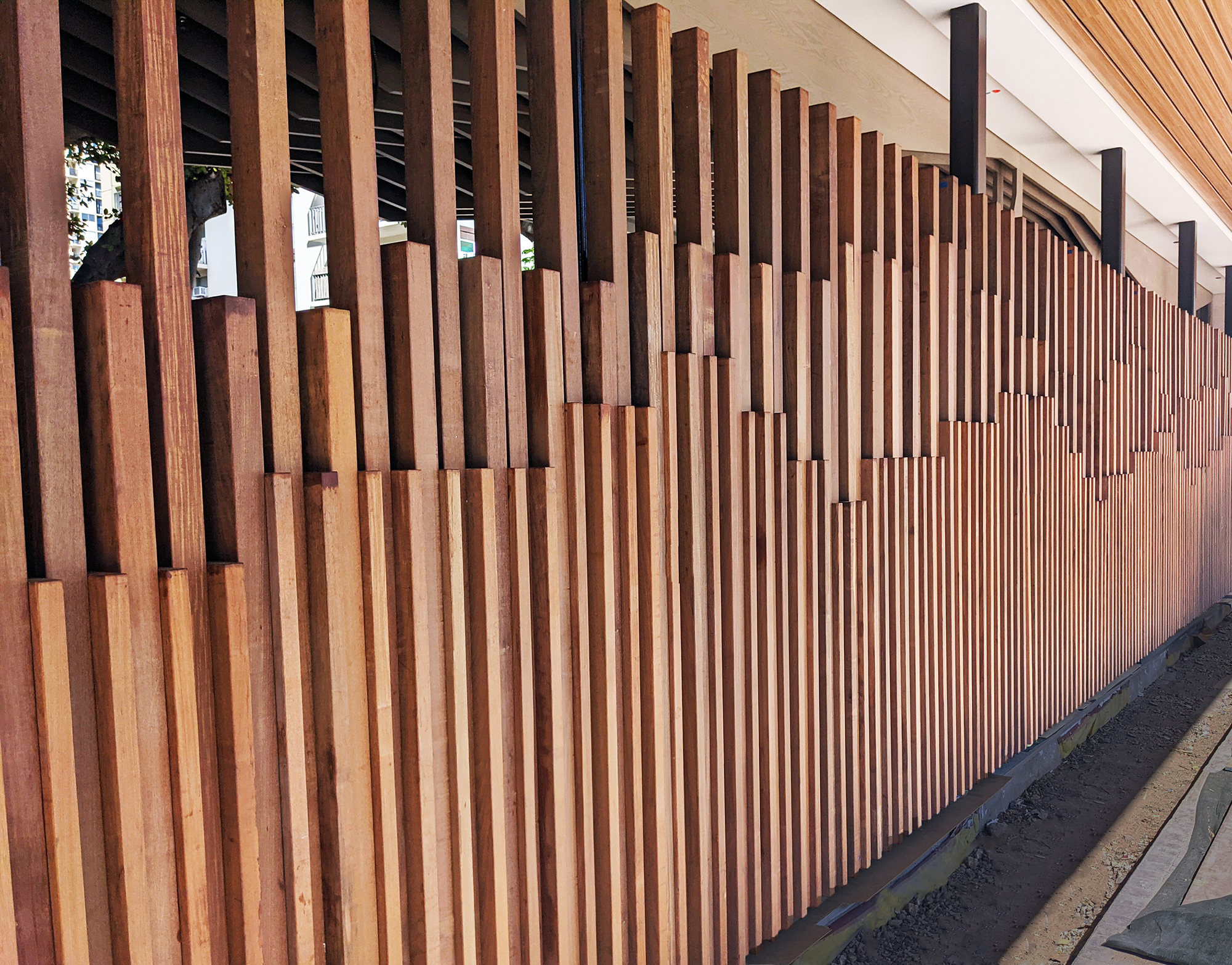
For privacy screen and fence slat applications using hardwood with aluminum framing, see our teak privacy wall systems guide. For Ipe specifications, see our complete Ipe guide.
"We supply Ipe fence posts to estates that are literally building for the next generation. A 6×6 Ipe post set in concrete will be standing solid in 50 years when the cedar fence next door has been replaced twice. For the entry gate that visitors see first — the piece that sets the tone for the entire property — there's no substitute for the weight and presence of genuine hardwood."
— Norm Moton, Director of Sales, J. Gibson McIlvain Co.
Dimensions and Sourcing
Premium hardwood fencing requires specific dimensions not typically stocked at standard lumber yards:
- Posts: 4×4, 6×6 (Ipe, mahogany) — available up to 10' lengths
- Rails: 2×4, 2×6 (sapele, mahogany, Ipe) — 8-16' lengths
- Pickets/slats: 1×4, 1×6 (any species) — dog-ear, flat-top, or custom profile
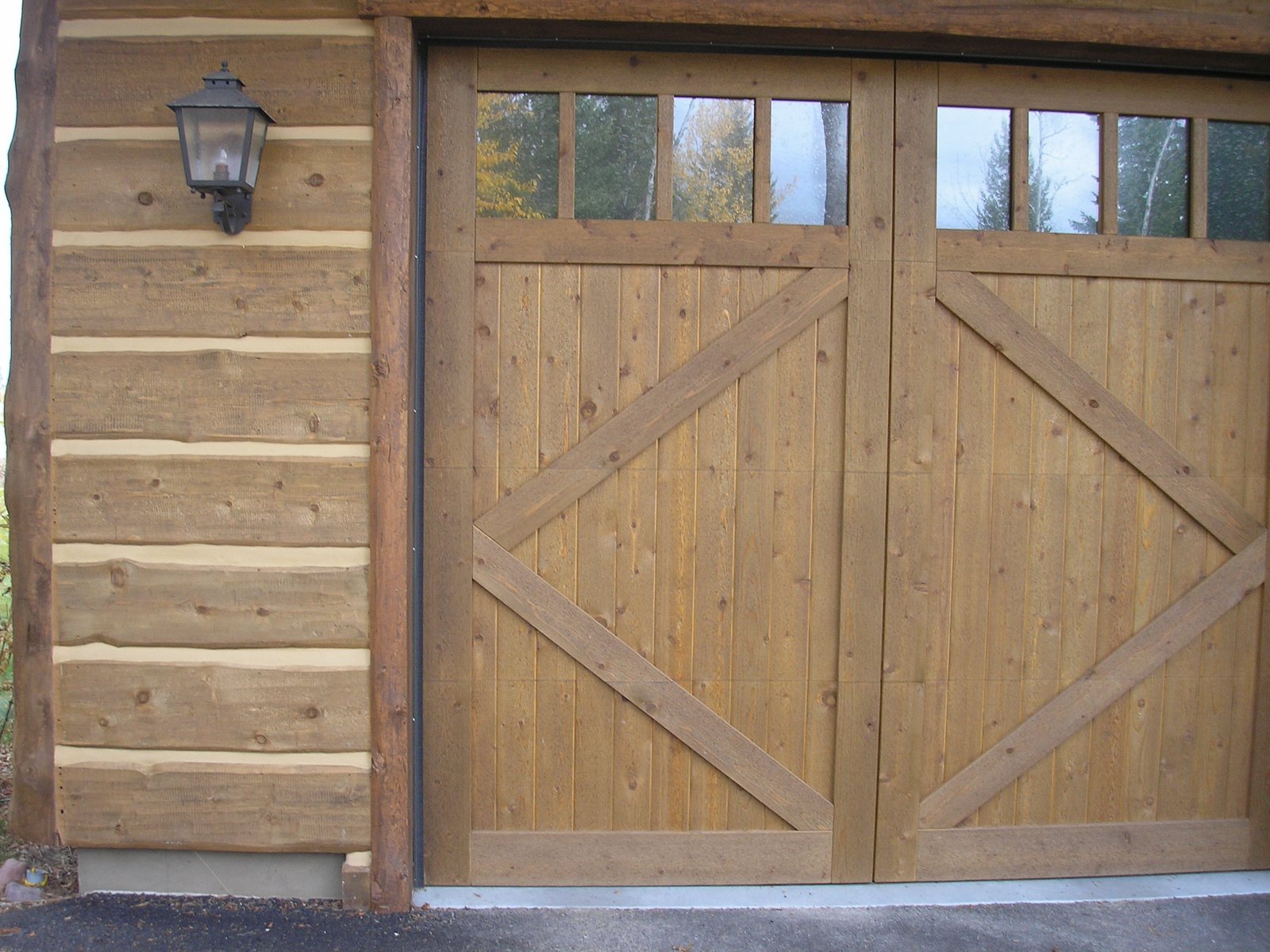
- Gate frames: 2×6 or 3×6 (Ipe or mahogany for maximum rigidity)
J. Gibson McIlvain stocks these dimensions in Ipe, sapele, and mahogany year-round. Custom milling for fence picket profiles available with 500 LF minimum. Call 410-687-0857.
How McIlvain Would Specify This for a Real Project
For McIlvain, Sourcing Exterior-Grade Lumber for Custom Fence and Gate Construction in Premium Hardwood Species is not just a product-selection question. It is a specification question that has to connect custom fence panels, pedestrian gates, driveway gates, and privacy walls with the way the material will be milled, shipped, handled, fastened, and maintained. The right answer starts with premium exterior hardwood for fences and gates, but it only becomes reliable when the species, profile, finish, wall assembly, and field sequencing are written into the same scope.
The practical decision is usually governed by weight, hinge loading, movement, fastener corrosion, and board matching. A profile that looks correct in a rendering can fail in service if the board width is too aggressive for the species, if the fastener schedule fights seasonal movement, or if the wall has no drying path behind the siding. That is why McIlvain treats exterior wood as a system: the lumber order, the milling profile, the jobsite details, and the finish schedule all have to support the same performance target.
Species choice should also be tied to the owner’s tolerance for maintenance. Ipe, Sapele, Teak, Cypress, and thermally modified ash depending on weight, tone, and hardware can all be correct in the right setting, but they do not age, move, or accept finishes the same way. A project that wants a natural silver-gray patina needs different expectations than one that needs a dark factory finish for ten years. A coastal project needs a different fastener and wash-down conversation than a protected inland facade. Those distinctions are where a specialty lumber supplier adds value beyond simply quoting a board price.
Performance and Procurement Checklist
| Item | Why it matters |
|---|---|
| Exposure class | Confirm rain, salt, UV, freeze-thaw, and wall orientation before selecting species. |
| Profile and movement | Match board width, reveal, overlap, and fastening method to the species movement profile. |
| Grade and appearance | Specify clear, vertical-grain, mixed-grain, or architectural grade rather than relying on generic “premium” language. |
| Moisture content | Require a target moisture range and acclimation plan before installation. |
| Milling tolerance | Hold profile geometry, reveal width, and end-match details consistent across the order. |
| Submittals | Review samples, finish schedule, fastener type, and rainscreen details before release. |
Where Specifications Usually Fail
The most common failure is using deck-board assumptions for a gate assembly that carries load differently and moves in two directions. In practice, that means the drawings may show wood siding, the finish schedule may name a color, and the wall section may show a rainscreen, but nobody has confirmed whether the actual boards can be sourced, milled, and installed in a way that satisfies all three. When that gap is discovered after framing or after the material arrives, the project loses the ability to make a clean specification decision.
The second failure point is ventilation, end-grain sealing, stainless fasteners, and moisture-content control. Exterior wood is forgiving when water can drain and the boards can dry; it is unforgiving when water is trapped at laps, end cuts, trim returns, or fastener penetrations. Every outside corner, window head, sill, soffit return, and transition between profiles should be reviewed as part of the siding package. If the detail cannot be drawn clearly, it usually cannot be installed consistently by a crew under schedule pressure.
The third failure point is substituting material late. A lower-cost species or a similar-looking profile may appear harmless on a spreadsheet, but the substitution can change shrinkage, finish behavior, fastener holding, and service life. McIlvain’s strongest recommendation is to approve physical samples, profile mockups, and finish samples before release, not after the first bundle is opened on site.
Ordering Information to Resolve Before Pricing
- Exposure: inland, coastal, shaded, south-facing, high-rise, WUI, or heavy rain-screen exposure.
- Profile: exact face width, reveal, overlap, tongue depth, kerf, drip edge, and whether the profile is intended for horizontal or vertical use.
- Finish: unfinished weathering, penetrating oil, factory prefinish, paint, or field-applied coating.
- Appearance: clear, near-clear, select knotty, vertical grain, mixed grain, color-matched bundles, or architect-reviewed samples.
- Assembly: furring thickness, WRB, clip system, screw type, corner trim, opening details, and ventilation path.
- Logistics: lead time, jobsite delivery sequence, board lengths, waste factor, attic/garage storage conditions, and replacement stock.
Related McIlvain Guidance and Next Steps
For a project that is close to specification, the next step is to compare the design intent against available species, profile tooling, finish schedule, and delivery timing. McIlvain can help translate a rendering or architectural detail into a practical lumber order, including sample selection and milling recommendations.
Frequently Asked Questions
What is the longest-lasting wood for a fence?
Ipe — 40-75 years in ground contact, 75+ years above ground. It's the densest commercially available lumber (3,680 lbf Janka) and is rated Class 1 Very Durable. No chemical treatment needed. A 6x6 Ipe post set in concrete will outlast the property's ownership cycle. Second choice: Accoya at 25+ years ground contact with a manufacturer warranty.
Is hardwood worth it for a fence?
For boundary fences hidden behind landscaping, probably not — cedar or PT pine is adequate. For visible fences (street-facing, entry gates, pool enclosures, estate perimeters), hardwood is justified: 3-5x lifespan eliminates 2-3 replacement cycles, the aesthetic communicates quality, and the density resists wind racking without diagonal bracing. Over 40 years, Ipe fencing costs LESS than cedar replaced twice.
Where can I buy Ipe fence posts?
J. Gibson McIlvain stocks 4x4 and 6x6 Ipe posts in lengths to 10 feet, along with 2x4 and 2x6 rails and 1x4/1x6 pickets. Also available in sapele and mahogany. McIlvain serves as a national distributor: its internal fleet covers East Coast and Midwest routes, while third-party freight partners support West Coast, Hawaii, and other national job sites. Call 410-687-0857 for current pricing and availability.
Sources and Standards Referenced
- USDA Forest Products Laboratory — Tropical hardwood durability in ground contact
- Forest Stewardship Council — Certified Ipe and tropical hardwood sourcing
- EN 350: Natural Durability of Solid Wood