The Three WUI Compliance Paths
WUI codes accept exterior wall coverings that meet one of three paths: noncombustible material, code-defined ignition-resistant material, or an assembly that passes SFM 12-7A-1 or equivalent exterior fire-exposure testing. Wood clears through the second and third.
Two frameworks govern here. California Building Code Chapter 7A and the International Wildland-Urban Interface Code, adopted in varying forms across the western fire-prone states. For wood siding, the ignition-resistant path usually means hitting ASTM E84 Class A, a flame-spread index of 0 to 25, and in California passing the extended 30-minute tunnel exposure or the SFM 12-7A-1 wall test. The National Fire Protection Association publishes NFPA 1144 as more guidance on material selection in WUI construction.
The Testing Standards That Define Compliance
WUI approval for wood hangs on a small set of fire tests, and the reviewer wants the report for the specific product, not a generic species sheet. Knowing which test applies is what keeps a submittal from bouncing.
| Test / Standard | What it measures | WUI relevance |
|---|---|---|
| ASTM E84 (10-min) | Surface flame spread and smoke | Class A (FSI 0-25) is the baseline ignition-resistant target |
| ASTM E84 extended (30-min) | Sustained flame spread under longer exposure | Required by some California jurisdictions |
| SFM 12-7A-1 | Wall assembly under direct flame exposure | Assembly-level path for exterior walls |
| AWPA fire-retardant standards | Treatment performance and durability | Qualifies FRTW for exterior ignition resistance |
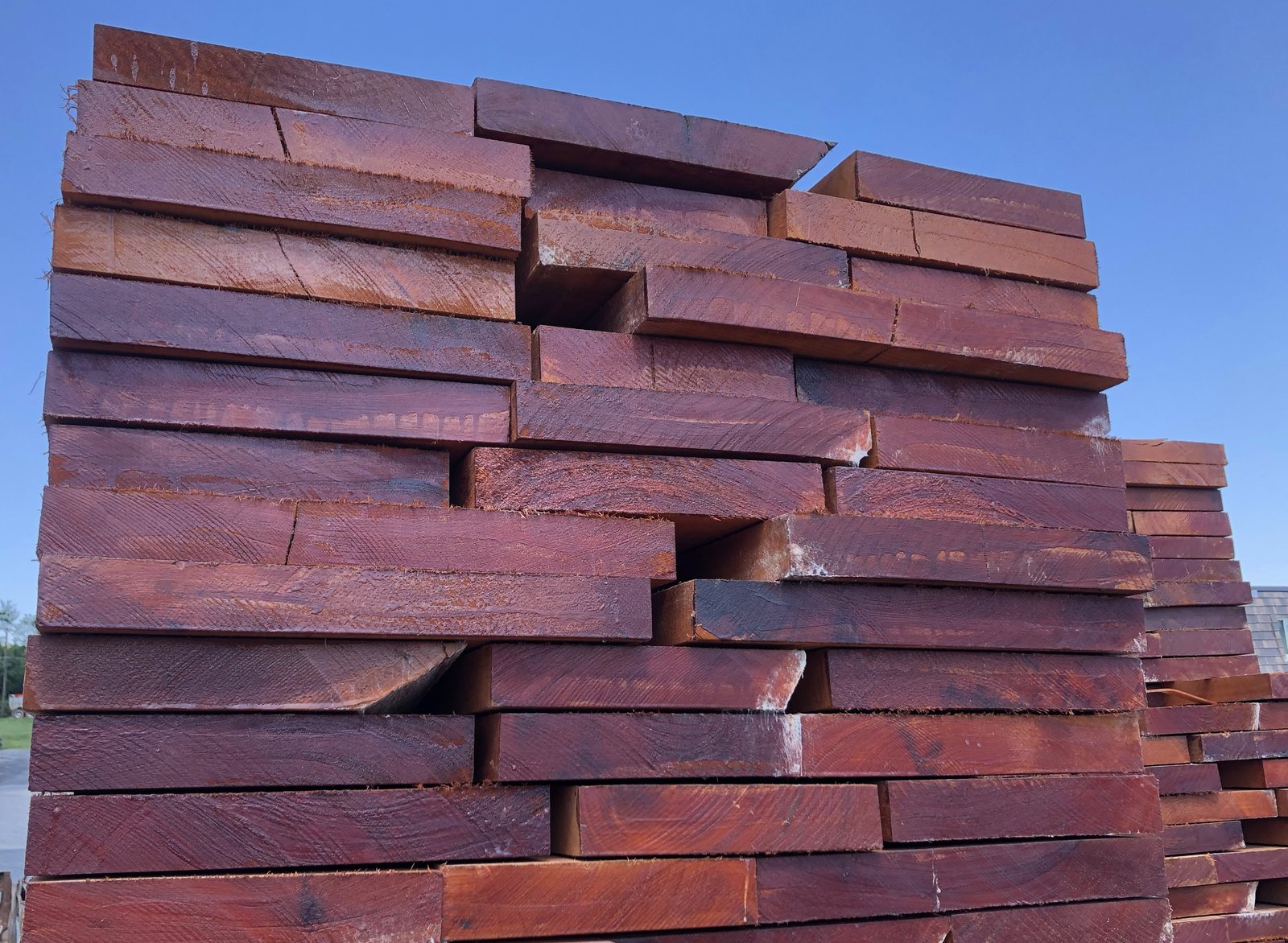
Dense tropical hardwoods like Ipe and Cumaru test in the Class A range, a flame-spread index of roughly 20 to 25, with no treatment, because their density forms an insulating char layer. Lighter species reach Class A only with exterior-rated fire-retardant treatment qualified under AWPA standards. For the broader code picture on commercial walls, see our guide on commercial exterior wood cladding and fire code.
What Plan Review Actually Requires
The authority having jurisdiction wants fire-test documentation for the specific product, at the exact thickness and profile going up, not a generic nod to the species. This is the step that stalls most WUI submittals.
- ASTM E84 test report: for the exact product, showing flame-spread and smoke-developed indices at the installed thickness.
- Treatment certification: for fire-retardant-treated wood, proof the treatment is exterior-rated and meets the required AWPA Use Category, with the extended-exposure result where the jurisdiction requires it.
- Assembly test report: where the SFM 12-7A-1 or equivalent assembly path is used, the report for the tested wall assembly.
- Species and sourcing: documentation of the material, including chain-of-custody paperwork like FSC certification where required, plus the appropriate paperwork for any CITES-listed species.
The authority having jurisdiction makes the final call, and plenty of jurisdictions run stricter than the state model code. Confirm the exact documentation the local reviewer expects before ordering, and you head off a redesign late in the project.
The Assembly Is Evaluated as a System
Even Class A cladding can flunk a WUI inspection if the assembly behind and around it opens fire-propagation or ember-intrusion paths, so the wall gets judged as a complete system. The cladding is necessary. It is not sufficient.
- Ember-resistant venting: rainscreen and attic vents need corrosion-resistant metal mesh with openings no larger than 1/8 inch to block ember entry, per California Building Code.
- Noncombustible furring: many jurisdictions require steel or aluminum furring rather than wood furring strips in WUI zones, while still opening the ventilated rainscreen cavity the wood needs to drain and dry.
- Fire-blocking at transitions: soffits, roof-to-wall junctions, and multi-story cavities need fire-blocking or noncombustible flashing to interrupt concealed-space flame spread.
- Wood detailing: the supplier-side fundamentals still hold, sealing end grain and finishing boards on all faces, since well-sealed boards on a vented, ember-protected cavity perform best. See our guides on end-grain sealing and furring and ventilation.
Naturally Class A hardwoods carry their fire rating for the life of the install, so J. Gibson McIlvain often points to Ipe or Cumaru to sidestep the retreatment question, and supplies the matching ASTM E84 documentation for plan review, shipping nationwide.
"The species gets you to the starting line, but what clears plan review is paper and details. The reviewer wants the ASTM E84 report for the exact product, and they want to see ember mesh at the vents and fire-blocking at the soffits and transitions. We have watched naturally Class A Ipe sail through, and we have watched treated material get held up because the documentation did not match the installed thickness. Confirm what the local authority wants before you order, not after."
Camden Zacker, Sales Director, J. Gibson McIlvain Company
How J. Gibson McIlvain Would Approach a WUI Submittal
A WUI project at J. Gibson McIlvain starts by confirming the fire-hazard severity zone, the code edition in force, and the exact documentation the authority having jurisdiction expects. That settles which compliance path is cleanest. For most projects the team points to a naturally Class A dense hardwood like Ipe or Cumaru, since it drops the treatment and retreatment question entirely and the ASTM E84 documentation is straightforward.
Where budget points to a lighter species, the team can coordinate exterior-rated fire-retardant treatment through qualified treaters and supply the treatment certification and test reports for plan-review submittal. Either path, the material ships with documentation that matches the installed thickness and profile, and the recommendation carries the ember-resistant venting, noncombustible furring where required, and fire-blocking the assembly path leans on.
WUI Compliance and Procurement Checklist
| Item | Why it matters |
|---|---|
| Fire-hazard severity zone | Determines whether Chapter 7A, IWUIC, or a local ordinance applies. |
| Required compliance path | Noncombustible, ignition-resistant, or tested assembly; sets the species and documentation. |
| ASTM E84 report for the product | Plan review requires the report at the installed thickness and profile. |
| Treatment certification | FRTW must be exterior-rated and documented to the required AWPA Use Category. |
| Ember-resistant venting | 1/8 inch maximum mesh at all rainscreen and attic vents. |
| Noncombustible furring and fire-blocking | Often required in WUI zones; evaluated as part of the assembly. |
Where WUI Submittals Usually Fail
- Generic species data instead of a product report: plan review wants the ASTM E84 report for the specific product and thickness.
- Interior-rated FRTW on an exterior wall: only exterior-rated treatment at the correct AWPA Use Category is acceptable.
- Assuming cedar qualifies untreated: untreated cedar does not meet WUI ignition-resistance criteria and needs Class A treatment to be used in these zones.
- Unprotected vents: rainscreen and attic vents without 1/8 inch ember mesh fail inspection regardless of the cladding.
- Missing fire-blocking: soffits and roof-wall transitions without fire-blocking open concealed flame paths.
Ordering Information to Resolve Before Pricing
- Zone and code: fire-hazard severity zone, code edition, and AHJ documentation requirements.
- Compliance path: naturally Class A species, FRTW, or tested assembly.
- Documentation: ASTM E84 report, treatment certification, assembly report as applicable.
- Assembly: ember-mesh venting, furring material, fire-blocking at transitions.
- Logistics: species, profile, thickness, total square footage, lead time.
Related J. Gibson McIlvain Guidance and Next Steps
Frequently Asked Questions
How do you get wood siding approved in a WUI fire zone?
You prove the cladding meets one of three WUI compliance paths, noncombustible, ignition-resistant, or tested per SFM 12-7A-1, and hand the authority having jurisdiction fire-test documentation for the specific product. Dense hardwoods like Ipe and Cumaru hit ASTM E84 Class A untreated; lighter species need exterior-rated fire-retardant treatment. The whole wall assembly, ember-resistant vents and fire-blocking included, gets judged as a system, so approval rides on both the cladding and the assembly detailing.
What documentation does WUI plan review require for wood siding?
Plan review requires the ASTM E84 fire-test report for the specific product at the installed thickness and profile, not generic species data. For fire-retardant-treated wood it also wants treatment certification showing the treatment is exterior-rated to the correct AWPA Use Category, with the extended-exposure result where the jurisdiction requires it. Where an assembly compliance path is used, the SFM 12-7A-1 or equivalent assembly report is required. Chain-of-custody documentation like FSC may also be required.
Does the wall assembly matter for WUI compliance, or just the siding?
The assembly matters as much as the siding. Even Class A cladding can flunk a WUI inspection if the assembly opens ember-intrusion or fire-propagation paths. Rainscreen and attic vents need corrosion-resistant mesh with openings no larger than 1/8 inch, many jurisdictions require noncombustible furring, and soffits and roof-to-wall transitions need fire-blocking. The authority having jurisdiction judges the complete wall as a system, so the cladding species alone does not determine approval.
Can fire-retardant-treated wood be used for WUI siding?
Yes, when the treatment is exterior-rated and documented. Lighter species like Douglas Fir and Southern Yellow Pine can be brought to ASTM E84 Class A with pressure-impregnated fire-retardant treatment qualified under AWPA standards for exterior use, at least Use Category 3B. Interior-rated treatments are not acceptable for siding, since they can leach and lose efficacy outdoors. The treatment certification and test reports go to plan review, and field cuts need re-treatment at the exposed ends.
Can J. Gibson McIlvain supply documented WUI-compliant wood siding?
Yes. J. Gibson McIlvain supplies naturally Class A dense hardwoods like Ipe and Cumaru, which meet WUI ignition-resistance without treatment, and can coordinate exterior-rated fire-retardant treatment for lighter species through qualified treaters. The material ships nationwide with the ASTM E84 documentation plan review requires for the specific product and thickness.
Sources and Standards Referenced
- ASTM E84 - Standard Test Method for Surface Burning Characteristics of Building Materials
- California Building Code Chapter 7A - Materials and construction methods for exterior wildfire exposure (CAL FIRE)
- International Code Council - International Wildland-Urban Interface Code
- National Fire Protection Association - NFPA 1144
- American Wood Protection Association - Fire-retardant treatment standards and Use Categories
- Forest Stewardship Council - Chain of custody certification