
Why End Grain Is the Weak Point in Wood Siding
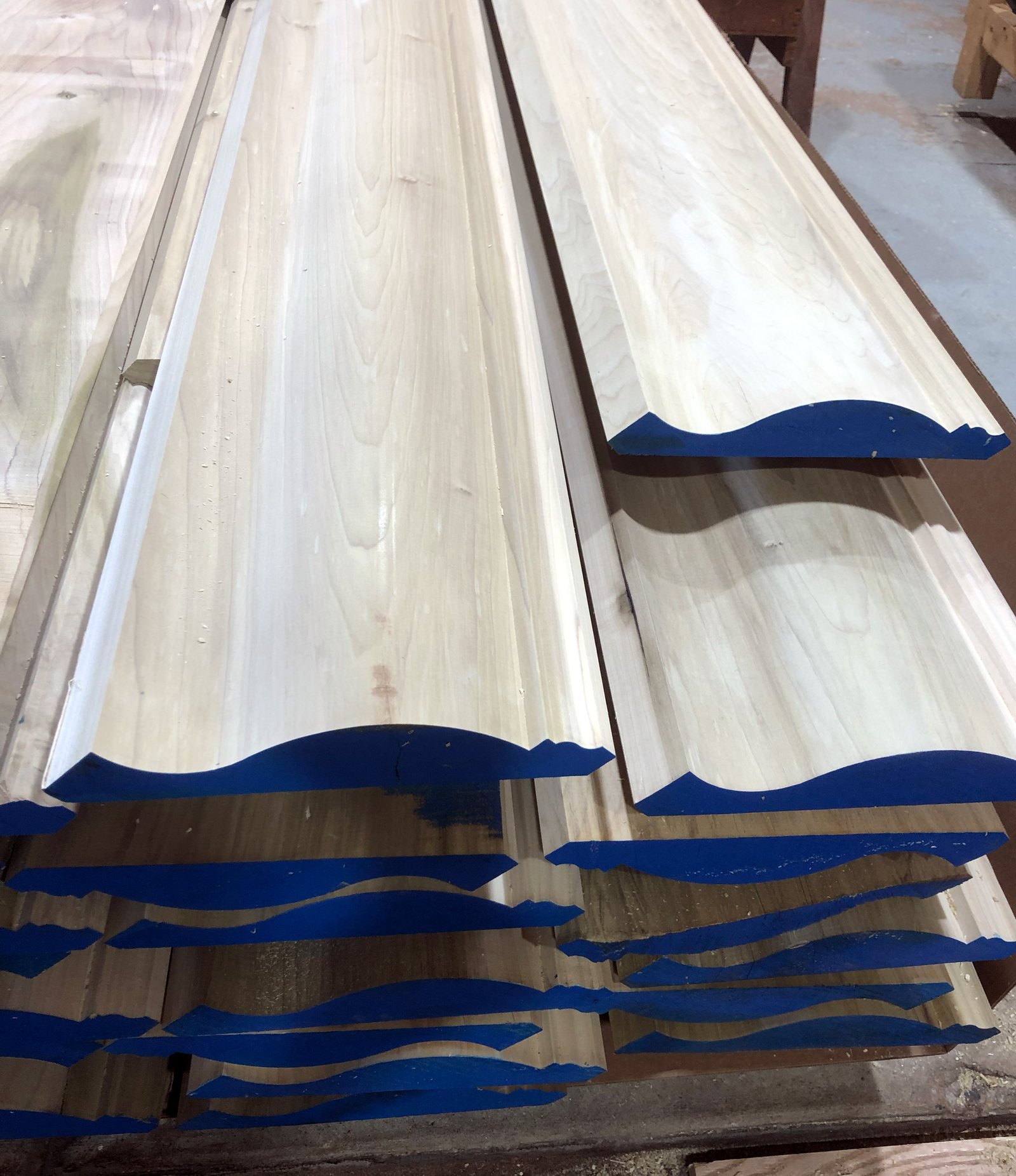
End grain is the open straw end of the board, so it moves water differently than the face or edge of the siding. The USDA Forest Products Laboratory finishing chapter explains that liquid water can enter end grain very quickly and that unsealed end grain gives water an easy entry path. On a wall, that means the cut end beside a window casing, corner trim, vertical butt joint, or lower termination can become wetter than the rest of the board even when the face looks sound.
That uneven wetting is the practical problem. When a board end absorbs water, the end swells while the surrounding board stays drier, and the stress shows up as end checking, fastener splitting, stain bleed, paint peeling, and cupping. The risk is highest where the cut end is close to splashback, trapped behind trim, or protected by a finish on the face but not on the cut end.
- Common failure locations: butt joints, miters, outside corners, window and door trim returns, board ends above horizontal flashings, and bottom ends of vertical siding.
- Common failure symptoms: dark end staining, hairline cracks at fasteners, finish peeling near the last 1 to 3 inches of a board, and early checking on otherwise durable hardwood.
- Common specification mistake: factory-finished siding is installed carefully, then jobsite cuts are left raw because the visible face already looks finished.
End-Grain Sealing Is Not a Substitute for Water Management
End-grain sealer slows water entry at the cut, but the wall still needs drainage, flashing, and drying. The International Residential Code Section R703 requires exterior walls to include a water-resistive barrier and a means to drain water that penetrates exterior cladding. Building Science Corporation's rain-control guidance frames the same issue in building-science terms: cladding inevitably admits or stores some rain, so drainage and drying must be designed into the assembly.
For wood siding, the right hierarchy is straightforward: shed water first with roof overhangs, flashings, and profile orientation; drain water second with a water-resistive barrier and cavity; dry the board third with ventilation; then seal the end grain so each individual board is less vulnerable at its cut ends. The related McIlvain guide to wood rainscreen cladding species and profiles explains why the cavity and profile have to work together rather than relying on finish alone.
What to Use for End-Grain Sealing
The right end-grain product depends on the face finish, species, exposure, and whether the board is painted, stained, factory finished, or intended to weather. Real Cedar's finishing guidance recommends applying finish to all six sides of siding boards for best practice, and the Real Cedar siding finishing guide specifically notes that factory finishing can produce optimal results. The table below translates that principle into specification choices for McIlvain-style exterior wood siding.
| End-Grain Treatment | Performance Role | Cost / Labor Impact | Best Use Case | Specification Caution |
|---|---|---|---|---|
| Oil-alkyd stain-blocking primer | Strong barrier against water entry and extractive bleed at cut ends. | Low material cost; brush work at every cut. | Painted siding, solid-color stain, cedar, cypress, Douglas Fir, and trim-like details. | Confirm compatibility with the topcoat and follow cure-temperature limits. |
| Water-repellent preservative or exterior end sealer | Reduces end wetting while preserving a more natural finish strategy. | Moderate; usually brush-applied on fresh cuts. | Transparent and semi-transparent finishes, hardwood siding, and natural-weathering assemblies. | Do not assume one product works under every oil or film finish. |
| Wax-emulsion end sealer | Slows moisture movement and checking at fresh cuts, especially on dense boards. | Moderate; must be limited to end grain. | Ipe, Jatoba, Teak, Sapele, and other dense hardwood field cuts. | Wax can interfere with coating adhesion if spread onto the face; isolate it to the cut end. |
| Factory touch-up kit | Matches the original finish system and color on prefinished cladding. | Low to moderate; requires jobsite discipline. | Prefinished hardwood siding, Alpha cladding, Thermory, Abodo Vulcan, and Accoya systems. | The installer must touch up every cross-cut before the board is covered by trim or adjacent boards. |
| Caulk alone | Poor end-grain strategy; hides the cut but does not reliably seal the wood fiber. | Looks cheap initially; high callback risk. | Use only where a sealant joint is otherwise required by the detail. | Do not caulk drainage paths or use caulk as a substitute for primer or end sealer. |
Manufacturer products illustrate the range. Sansin End Seal is described as a one-coat system for controlling moisture movement at cross-cut ends, while Nova USA's ExoWax end sealer lists approximately 25 square feet of coverage per quart, touch-dry timing of 1 to 2 hours depending on conditions, and application to fresh end-grain cuts. These examples are not a substitute for a finish-system submittal; they show why the specification should name a compatible product type rather than simply saying seal cut ends.
How to Seal Field Cuts on Wood Siding
The correct jobsite procedure is to seal the cut immediately after cutting and before the board is installed into a place where the end is hard to reach. Moisture content should also be checked before installation; ASTM D4442 is the direct moisture-content measurement standard for wood and wood-based materials, and McIlvain's moisture content guide is the internal companion for setting project targets by species and climate.
- Cut cleanly: Use a sharp blade so the end is not crushed, burned, or torn. A ragged end absorbs unevenly and is harder to seal.
- Remove dust: Brush or blow dust off the cut end so primer or sealer reaches wood fiber rather than sawdust.
- Coat the full cross-section: Brush sealer across the entire end, including tongue, groove, rabbet, bevel, and back edge. Do not coat only the visible face.
- Protect adjacent finish: Keep wax or heavy end sealer off the face if the face will receive oil, stain, or film finish later.
- Allow the required cure: Follow the product data sheet before installing the board tightly into a joint or covering the end with trim.
- Touch up after fastening: If predrilling, trimming, or adjustment exposes fresh wood, seal that exposure before leaving the wall section.
For projects using Alpha wood cladding from J. Gibson McIlvain or other prefinished systems, end-grain sealing should be part of the submittal package with color-matched touch-up, installer instructions, and a mockup. The related McIlvain guide to prefinished hardwood siding sourcing explains why shop-applied finish quality still has to be protected at jobsite cuts.
Species-Specific Considerations
Every exterior siding species benefits from sealed end grain, but dense hardwoods, modified woods, and prefinished cladding need more explicit jobsite instructions. McIlvain's exterior range includes Thermory, Abodo Vulcan, Ipe, Jatoba, Sapele, Teak, Genuine Mahogany, White Oak, Cypress, Cedar, Douglas Fir, and Accoya, so the sealer decision should be tied to species, finish, and profile rather than copied from a generic cedar detail.
| Species Group | End-Grain Risk | Recommended Field-Cut Approach | Best Use Case |
|---|---|---|---|
| Cedar, Cypress, Douglas Fir | Absorbent end grain; extractive bleed and paint peeling are common risks. | Primer or compatible stain on all field cuts; finish all six sides when possible. | Painted or stained lap siding, board-and-batten, trim-adjacent walls. |
| Sapele, White Oak, Genuine Mahogany | Hardwood movement and color variation can make failed end details highly visible. | Seal cross-cuts, predrill near board ends, and coordinate with transparent or semi-transparent finish. | Architectural shiplap, nickel-gap, and visible entry facades. |
| Ipe, Jatoba, Teak | High density slows face wetting but does not make raw end grain harmless; checking can still start at cuts. | Use compatible end sealer, stainless fasteners, and predrilling at ends. | Premium rainscreens, impact-prone walls, commercial and luxury residential cladding. |
| Thermory and Abodo Vulcan | Improved dimensional stability does not eliminate fresh-cut exposure. | Follow the modified-wood manufacturer's touch-up and end-seal instructions exactly. | Contemporary T&G, shiplap, and ventilated cladding profiles. |
| Accoya | Very stable acetylated wood, but coating performance still depends on sealed cuts and finish compatibility. | Use Accoya-compatible coating and primer systems; do not improvise with incompatible sealers. | Painted siding, coastal cladding, high-exposure projects. |
For material sourcing, use McIlvain's hardwood lumber inventory, tropical hardwood inventory, Accoya resources, and thermally modified wood resources to narrow species before writing the field-cut specification. Genuine Mahogany also needs a CITES Appendix II, FSC, and legal-harvest documentation note; the FSC chain-of-custody program is the relevant framework for certified wood claims.
End-grain sealing is not a glamorous specification line, but it is one of the first things McIlvain looks for when a siding detail is supposed to last. A premium profile can be factory finished perfectly and still fail early if the installer cuts it beside a window, leaves that crosscut raw, and traps it behind trim. The cut end has to be treated as part of the finish system, not as jobsite waste.
- Brett Miller, President, J. Gibson McIlvain Company
End Joints, Expansion Gaps, and Fasteners
The best end-grain detail combines sealed cuts, movement allowance, and fasteners placed far enough from the end to avoid splitting. The FPL siding-performance paper recommends bevel cuts rather than square 90-degree butt joints where siding pieces meet end-to-end, and it also advises predrilling near the end of a siding board. For cladding assemblies that must drain, ASTM E2273 is useful context because it frames drainage efficiency as a measurable wall-assembly behavior, not just a product claim.
In practical terms, specify a 45-degree bevel or scarf-like end joint where the profile and design allow it, seal both cut faces, keep fasteners back from the end, and avoid caulk that blocks a drainage path. For wider profiles or vertical boards, coordinate this with the movement strategy in McIlvain's furring strips and ventilation guide and oil versus film finishes guide.
How McIlvain Would Specify This for a Real Project
McIlvain would write end-grain sealing into the siding specification before pricing the profile, because the finish system, species, and installation method all affect what happens at field cuts. A useful spec does not say seal ends generically. It identifies the siding species, profile, face finish, shop-finish process, end-grain product, application timing, cure requirements, butt-joint geometry, fastener type, and inspection responsibility.
For a real project, that means sending drawings, elevations, profile details, finish target, species preference, and exposure conditions to McIlvain's custom milling services team early. If the wall uses long boards, tight reveals, prefinished hardwood, or modified wood, the end-grain procedure belongs in the mockup so the architect and installer can see how the finished cut looks before production material is ordered.
Performance and Procurement Checklist
| Item | Decision to Record | Why It Matters |
|---|---|---|
| Species | Cedar, Cypress, Douglas Fir, Sapele, White Oak, Genuine Mahogany, Ipe, Jatoba, Teak, Accoya, Thermory, or Abodo Vulcan. | Species controls absorption, density, predrilling, finish compatibility, and legal documentation. |
| Profile | Shiplap, T&G, channel, rainscreen, nickel gap, board-and-batten, or custom profile. | Profiles create hidden cut surfaces that may be missed during touch-up. |
| End-grain product | Primer, water-repellent preservative, wax emulsion, manufacturer touch-up, or matched factory system. | The product must match the face finish and cannot interfere with adhesion. |
| Timing | Seal shop cuts before delivery and jobsite cuts immediately after cutting. | Fresh cuts absorb moisture before they look wet, especially in humid or wet-site conditions. |
| Joint detail | Bevel, scarf, open reveal, trim-covered end, or flashed termination. | End-grain sealing performs better when water is also directed away from the joint. |
| Inspection | Mockup approval, touch-up log, installer responsibility, and final wall walk-through. | End-grain sealing is easy to skip because it disappears once the board is installed. |
Where Specifications Usually Fail
End-grain failures usually happen because the project treats field cuts as installation waste instead of as exposed wood surfaces. The common mistakes are predictable: no touch-up kit on site, installers cutting prefinished boards and installing them immediately, wax end sealer smeared onto face grain where stain later fails, butt joints caulked shut without drainage logic, and fasteners driven too close to board ends. Another frequent failure is relying on natural durability alone. Ipe, Jatoba, Teak, Sapele, Cypress, Cedar, Accoya, Thermory, and Abodo Vulcan all perform differently, but none of them benefits from raw crosscuts hidden in wet joints.
Ordering Information to Resolve Before Pricing
- Exposure: Coastal, shaded, high-rain, high-UV, freeze-thaw, splashback, or protected soffit-adjacent wall.
- Material: Species, grade, board width, profile, grain orientation, and whether the boards are natural, modified, or factory finished.
- Finish: Paint, solid-color stain, semi-transparent stain, oil, factory finish, natural weathering, or compatible end-seal product.
- Assembly: Rainscreen depth, WRB visibility, furring layout, flashing, corner details, and trim returns.
- Field procedure: Who cuts, who seals, when cure is verified, where touch-up material is stored, and how completed cuts are inspected.
- Documentation: FSC chain-of-custody where required, CITES documentation for Genuine Mahogany, product data sheets, and finish warranty conditions.
Related McIlvain Guidance and Next Steps
Frequently Asked Questions
Do you have to seal the cut ends of wood siding?
Yes. Every field cut and exposed crosscut should be sealed before installation, especially at butt joints, corners, and window or door trim. FPL research identifies end-grain sealing as a siding-performance measure, and WRCLA guidance says all field cuts must be finished because end grain absorbs liquid much faster than other wood surfaces.
What is the best product for sealing wood siding end grain?
The best product depends on the finish system. Painted or solid-stain siding often uses an oil-alkyd stain-blocking primer; natural or semi-transparent systems may use a compatible water-repellent end sealer; dense hardwoods may use a wax-emulsion end sealer limited to the cut end. Prefinished siding should use the manufacturer's touch-up system.
When should end-grain sealer be applied?
Apply it immediately after cutting and before the board is installed. The cut end should be clean, dust-free, and coated across the entire cross-section. If the product requires cure time before handling or installation, follow the data sheet instead of covering the end behind trim while wet.
Does Ipe or Jatoba siding still need end-grain sealing?
Yes. Dense tropical hardwoods resist many exterior stresses, but a fresh crosscut is still a moisture pathway and a checking risk. Ipe, Jatoba, and Teak should be end-sealed, predrilled near board ends, and installed with stainless steel fasteners in exterior cladding assemblies.
Can caulk replace end-grain sealer on siding?
No. Caulk can be part of a designed sealant joint, but it is not a reliable substitute for sealing exposed wood fiber. Caulk can also block drainage if used indiscriminately. Seal the end grain first with a compatible primer or end sealer, then use sealant only where the wall detail actually requires it.
Sources
- USDA Forest Products Laboratory - Improving the Performance of Painted Wood Siding - rain screen, end-grain seal, and back-priming guidance for siding.
- FPL PDF - Rain Screen, End-Grain Seal, and Back Priming - detailed recommendations for coating end cuts, bevel joints, and rain-screen construction.
- USDA FPL Wood Handbook Chapter 16: Finishing Wood - finishing, end-grain wetting, and exterior wood coating background.
- Western Red Cedar Lumber Association - Installing Western Red Cedar Siding - field-cut finishing, fastener, storage, and all-side finishing guidance.
- Real Cedar - Choosing a Finish for Western Red Cedar Siding - six-side finishing and cedar finish-system guidance.
- ASTM D4442 - direct moisture-content measurement for wood and wood-based materials.
- International Residential Code Section R703 - exterior wall envelope, WRB, flashing, and drainage requirements.
- Building Science Corporation BSD-013 - rain control, drainage, and drying principles for wall assemblies.
- ASTM E2273 - drainage-efficiency test method context for exterior cladding assemblies.
- Sansin End Seal - manufacturer end-sealer description for cross-cut wood ends.
- Nova USA ExoWax End Grain Sealer - wax-emulsion end-sealer coverage, application, and end-checking claims.
- FSC Chain of Custody - certification framework for responsible wood product claims.