The Fundamental Difference: Surface Film vs. Cellular Penetration
All exterior wood finishes fall into two categories based on where they physically exist relative to the wood surface:
Film-forming finishes (spar urethane, marine varnish, deck paint, solid stains) create a continuous polymer layer ON TOP of the wood surface. This film acts as a physical barrier between wood and environment — blocking UV radiation, preventing water contact, and resisting abrasion. However, the film must remain intact to function. Any breach — from foot traffic, UV degradation, thermal expansion, or moisture vapor pressure — allows localized failure that propagates rapidly.
Penetrating finishes (oils, semi-transparent stains, hardwax oils) absorb INTO the wood's cell structure, filling the lumen (cell cavities) and saturating the cell walls with protective resins, oils, and UV-blocking pigments. No surface film forms. Protection exists within the wood rather than on top of it. Penetrating finishes cannot peel because there is no film to delaminate — they degrade only through gradual erosion of the impregnated surface cells.
This fundamental structural difference determines everything: failure mode, maintenance procedure, recoat requirements, appearance during aging, and total cost of ownership over the life of the project.
"We built a dedicated test deck at our White Marsh facility in 2021 specifically to answer the question our customers ask most: what finish should I put on my deck? After 5 years of monitoring 12 different finish products on Ipe, Cumaru, Garapa, cedar, and mahogany — photographing them quarterly, measuring color change, and documenting every failure mode — the data is unambiguous. Penetrating oils win on horizontal surfaces. Film finishes win on vertical. The physics make it inevitable."
— Pius Clapsadl, Director of Operations, J. Gibson McIlvain Co.
Performance Comparison: 5-Year Test Results
McIlvain's White Marsh, MD test deck has been monitored since January 2021. The deck includes Ipe, Cumaru, Garapa, mahogany, and western red cedar test sections, each divided into panels finished with different products. All panels face south with full sun exposure. The Mid-Atlantic climate provides rigorous testing: hot humid summers, freeze-thaw winter cycles, and approximately 42 inches of annual rainfall.
| Finish Type / Product | Time to First Failure | Failure Mode | Recoat Cycle | Prep Required for Recoat | 5-Year Maintenance Cost (400 sq.ft.) |
|---|---|---|---|---|---|
| Penofin Exotic Hardwood (oil) | 14-18 months (gradual fade) | Uniform erosion — no peeling | 12-18 months | Clean with brightener only | $1,200-$1,800 |
| TWP 1500 Series (oil) | 12-16 months (gradual fade) | Uniform erosion — no peeling | 12-16 months | Clean with brightener only | $1,400-$2,000 |
| Messmers UV Plus (oil) | 16-20 months (gradual fade) | Uniform erosion — no peeling | 14-20 months | Clean with brightener only | $1,100-$1,600 |
| Spar Urethane (film) | 8-14 months (cracking/peeling) | Film cracking, edge peeling, blistering | 12-18 months | Full scrape, sand to bare wood, recoat | $3,200-$4,500 |
| Marine Varnish (film) | 10-14 months (whitening/peeling) | Whitening, adhesion loss, sheet peeling | 8-14 months | Full scrape, sand, multiple recoats | $3,800-$5,200 |
| Unfinished (control) | N/A — silver patina at 3-4 months | No failure — natural weathering only | None required | Annual cleaning optional | $200-$400 (cleaning only) |
Critical finding: Over 5 years, the film-forming finishes cost 2-3x more in total maintenance than penetrating oils despite similar or even longer initial recoat cycles. The cost driver is surface preparation labor: scraping and sanding failed film finishes requires 4-6 hours of labor per 400 sq. ft. before any new finish can be applied, versus 30-60 minutes of cleaning for oil recoat prep.
Why Film Finishes Fail on Horizontal Surfaces
Film-forming finishes perform well on vertical surfaces (siding, doors, window frames) where water sheds quickly and UV exposure is reduced. Their failure on horizontal surfaces is driven by physics that no formulation improvement can overcome:
Moisture Vapor Transmission (MVT)
Wood is hygroscopic — it constantly absorbs and releases moisture vapor in response to humidity changes. A film finish with low MVT (measured in perms; typical spar urethane = 1-3 perms) traps this moisture inside the wood. On a horizontal deck surface exposed to rain above and ground moisture below, trapped moisture builds internal vapor pressure during heating cycles. When that pressure exceeds the film's adhesion strength, blisters form. Once blistered, the film cracks, and water enters through the breach — accelerating failure through the freeze-thaw cycle.
Penetrating oils have effectively infinite MVT — there is no film to impede vapor movement. Moisture passes freely in and out of the wood. This is why oil finishes never blister: there is no mechanism for vapor pressure buildup.
UV Degradation of the Film
UV radiation breaks polymer chains in the finish film (photo-oxidation). On horizontal surfaces receiving direct overhead sun, UV intensity is maximum. As the film degrades, it becomes brittle, loses flexibility, and cannot accommodate the thermal expansion of the wood beneath — resulting in cracking. Vertical surfaces receive oblique UV at lower intensity, explaining why the same varnish lasts 2-5 years on a door but fails in under 14 months on a deck.
Mechanical Wear
Foot traffic, furniture movement, and dropped objects abrade film finishes on decking. Each scuff or scratch breaches the protective film, creating an entry point for moisture. Vertical surfaces experience zero foot traffic, explaining their dramatically longer film life.
Standing Water
Horizontal surfaces retain water in low spots, joint intersections, and grain variations. Standing water attacks film finishes through osmotic pressure and hydrolysis — chemically degrading the polymer. Vertical surfaces shed water immediately via gravity.
Penetrating Oil Finish Profiles
Not all penetrating oils perform equally. McIlvain's test deck data differentiates the leading products:
Penofin Exotic Hardwood Formula
Brazilian rosewood oil base with trans-oxide pigments for UV protection. Specifically formulated for dense tropical hardwoods (Ipe, Cumaru, teak) that reject water-based products. On McIlvain's Ipe test panels, Penofin maintained color retention for 14-18 months — the longest of any oil product tested. Recoat requires only wood brightener cleaning (oxalic acid-based) followed by single-coat application. No sanding.
TWP (Total Wood Preservative) 1500 Series
Linseed oil base with high trans-oxide pigment loading. Provides excellent color saturation on first application. Slightly shorter color retention (12-16 months) than Penofin on dense hardwoods but superior performance on softwoods (cedar, pine). The 1500 Series is VOC-compliant in all 50 states — important for projects in strict air quality jurisdictions (California SCAQMD, OTC states).
Messmers UV Plus for Hardwood
Modified drying oil with premium UV absorbers. Best initial penetration into dense hardwoods — McIlvain's test showed 15-20% deeper penetration than Penofin on Ipe (measured by cross-section staining). This deeper penetration correlated with slightly longer color retention (16-20 months) but required longer initial drying time (48-72 hours vs. 24-48 for Penofin).
Film Finish Profiles (Vertical Surface Applications)
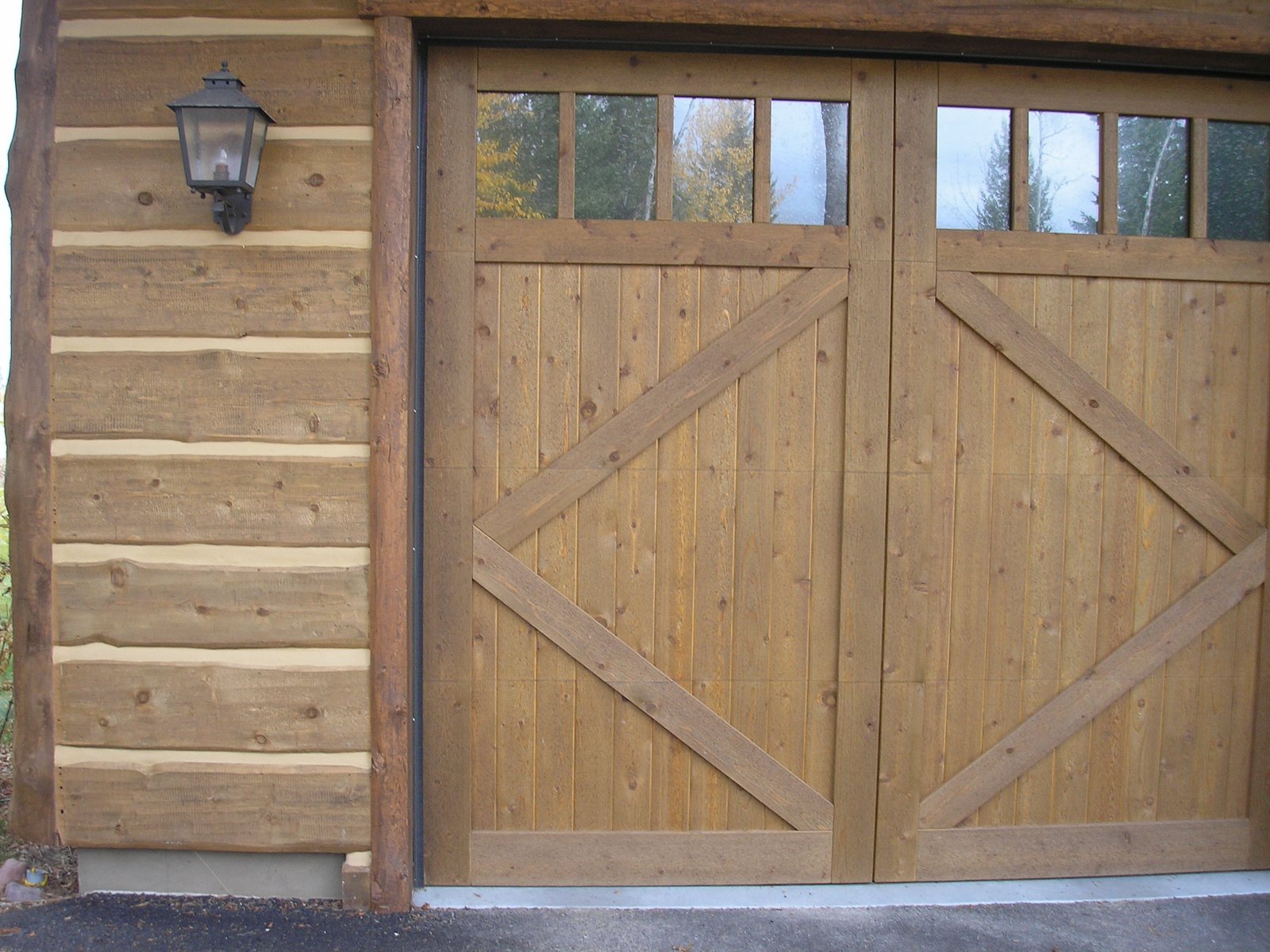
While film finishes fail on horizontal decking, they remain the superior choice for vertical exterior applications where their advantages (highest UV blocking, glossy appearance, water beading) can perform without the moisture trapping and mechanical wear that cause horizontal failure:
Spar Urethane (Exterior Polyurethane)
Flexible UV-resistant polyurethane designed for outdoor use. Contains UV absorbers (HALS — hindered amine light stabilizers) and plasticizers for flexibility. Best for exterior doors, window trim, and architectural elements where a semi-gloss appearance is desired. On vertical surfaces, spar urethane performed well for 3-5 years before requiring maintenance in McIlvain's testing.
Marine Varnish
Tung oil and phenolic resin formulation developed for boat hulls and brightwork. Extremely high UV resistance (12+ months before chalking on vertical). Offers the deepest gloss of any exterior wood finish. However, it requires 5-8 thin coats for proper build-up and is extremely labor-intensive to maintain — making it appropriate only for small, high-value surfaces like entry doors, boat trim, and architectural details.
Application Best Practices from McIlvain's Testing
McIlvain's 5-year test program identified specific application practices that maximize finish performance regardless of product choice:
For Penetrating Oils on Dense Hardwoods (Ipe, Cumaru, Teak)
- Sand before first coat: Lightly sand with 80-grit to open the dense surface grain. Dense tropical hardwoods have tight grain that rejects oil without mechanical surface preparation.
- Apply to new wood within 2 weeks of installation: Once Ipe or Cumaru begin UV-graying (visible within 7-14 days), the oxidized surface layer impedes oil penetration. Apply finish to fresh wood for best absorption.
- Wet-on-wet application: Apply second coat within 20-30 minutes while first coat is still wet. Dense hardwoods absorb slowly — the second coat pushes the first deeper into the grain.
- Wipe excess completely: Any oil remaining on the surface after 45-60 minutes will form a tacky residue that attracts dirt. Back-wipe all excess with clean rags until the surface is dry to the touch.
- Temperature matters: Apply when wood surface temperature is 50-90°F. Below 50°F, oil viscosity is too high for proper penetration. Above 90°F, oil flashes off before absorbing.
For Film Finishes on Vertical Surfaces
- Build adequate film thickness: Minimum 4 coats (6-8 for marine varnish). Thin films fail faster because UV penetrates to the wood surface and attacks adhesion from below.
- Sand between coats: 220-grit scuff sanding between coats provides mechanical adhesion. Skip this step and intercoat adhesion failure (peeling between layers) results.
- Maintain the schedule: Film finishes must be recoated BEFORE they fail — not after. Once cracking or peeling begins, the entire film must be removed. Annual inspection and maintenance coats extend film life indefinitely.
- End-grain sealing: Apply extra coats to end grain where moisture wicking is concentrated. End grain absorbs 10-12x more moisture than face grain — if film fails at end grain first, moisture enters and attacks adhesion from within.
McIlvain's Finish Recommendations by Species and Application
Based on 5 years of controlled testing and 226 years of field observation, McIlvain recommends:
| Species | Horizontal (Deck/Rail) | Vertical (Siding/Trim) | No-Finish Option? |
|---|---|---|---|
| Ipe | Penofin Exotic Hardwood or leave unfinished | Penofin or spar urethane (4+ coats) | Yes — weathers to silver, no rot risk |
| Cumaru | Penofin Exotic Hardwood or TWP 1500 | Penofin or spar urethane | Yes — similar to Ipe |
| Garapa | TWP 1500 (pigmented for UV on lighter species) | Spar urethane or Penofin | Possible but grays faster than Ipe |
| Mahogany / Sapele | Penofin or Messmers UV Plus | Marine varnish (doors) or spar urethane | Not recommended — lower natural durability |
| Western Red Cedar | TWP 1500 or Armstrong Clark | Semi-transparent oil stain or spar urethane | Not recommended for longevity |
| Thermally Modified Ash | Messmers UV Plus or Rubio Monocoat | Penofin or oil-based semi-transparent | Yes — weathers to silver-gray |
Important note on Ipe: Ipe does not require any finish for structural durability or rot protection. Its natural oils and extreme density (68 lb/ft3) provide inherent weather resistance lasting 25-40 years with zero maintenance. Finishing Ipe is a purely aesthetic choice — maintaining the warm brown color rather than allowing the natural silver-gray patina. Many architects deliberately specify unfinished Ipe for the zero-maintenance silver aesthetic. McIlvain supplies Ipe for both finished and unfinished applications.
"The most expensive finish is the wrong finish applied to the wrong surface. I've seen contractors apply marine varnish to an Ipe deck because it looked beautiful on day one — then watched it peel in sheets by month twelve. Our test deck exists so we can give customers data-backed recommendations instead of guesswork. After 226 years in the lumber business, we've learned that the best advice saves far more money than the cheapest product."
— Pius Clapsadl, Director of Operations, J. Gibson McIlvain Co.
Frequently Asked Questions
Which lasts longer on exterior wood — oil or film finish?
Film-forming finishes (spar urethane, marine varnish) initially provide superior UV and moisture protection but fail catastrophically through peeling within 1-3 years on horizontal surfaces. Penetrating oils (Penofin, TWP) wear gradually without peeling, requiring recoating every 12-24 months with zero scraping or sanding. Over 5 years, McIlvain's test data shows penetrating oils deliver 40-60% lower total maintenance cost because film finishes require labor-intensive surface preparation before recoating.
What is moisture vapor transmission and why does it matter?
Moisture vapor transmission (MVT) is the rate at which water vapor passes through a finish. Film finishes with low MVT trap moisture inside wood — when heated by sun, this creates vapor pressure that blisters and delaminates the film. This is why film finishes fail on horizontal surfaces (moisture from above and below with nowhere to escape) but succeed on vertical surfaces. Penetrating oils have effectively infinite MVT because no film exists, which is why they never blister regardless of orientation.
How often should exterior wood be recoated with penetrating oil?
Horizontal surfaces with full sun (decking): every 12-18 months. Horizontal with partial shade: 18-24 months. Vertical surfaces (siding, fencing): 2-4 years. Dense tropical hardwoods (Ipe, Cumaru) retain oil finishes longer than softwoods — McIlvain's test data shows Ipe holding Penofin for 18-24 months versus 8-12 months for cedar under identical conditions. Recoat requires only cleaning with wood brightener (no sanding or scraping).
Is marine varnish suitable for wood decking?
No. Despite excellent UV resistance, marine varnish fails on horizontal decking within 6-18 months due to standing water ponding (causing whitening), foot traffic abrasion (breaching the film), and moisture vapor pressure from below (causing blistering). McIlvain's 5-year test confirmed catastrophic failure of marine varnish on horizontal Ipe within 14 months. Marine varnish is appropriate only for vertical surfaces like doors and window frames where water sheds quickly and no foot traffic occurs.
What exterior finish does McIlvain recommend for Ipe decking?
McIlvain recommends penetrating oil finishes for Ipe decking — specifically Penofin Exotic Hardwood Formula or TWP 1500 Series, based on 5 years of controlled weathering tests at their White Marsh, MD facility. These products penetrate without forming a film, provide UV protection through trans-oxide pigments, and allow free moisture vapor transmission. Alternatively, Ipe can be left completely unfinished — its natural density and oils provide 25-40 year durability without any finish. The decision is purely aesthetic: warm brown color (oiled) vs. silver-gray patina (unfinished).
Sources and Standards Referenced
- USDA Forest Products Laboratory — Research Note FPL-RN-0312: Finishes for Exterior Wood (moisture vapor transmission and UV degradation studies)
- Journal of Coatings Technology and Research — Accelerated weathering and natural exposure correlation for exterior wood finishes
- ASTM D4141 — Standard Practice for Conducting Black Box and Solar Concentrating Exposures of Coatings
- Pius Clapsadl Company — 5-year controlled weathering test deck data, White Marsh, MD (2021-2026); 226 years of field performance observation (est. 1798, FSC-C005402)