
What a Commercial Decking Specification Must Define
A commercial decking spec has to define the material, the performance, the assembly, and the review process in one coordinated section, because a gap in any one of them surfaces during construction or on the submittal. Architects who specify only the species, and leave grade, moisture content, fastening, and sourcing implied, are the ones who field questions after the bid or discover a substitution on site. The WoodWorks technical resources for commercial wood construction make the same point: exterior wood is a system, and the specification has to describe the whole system, not just the wearing surface. The sections below take those pieces in order, starting with the one every spec gets half right: the species and its grade.
Species and Grade in Real Terms
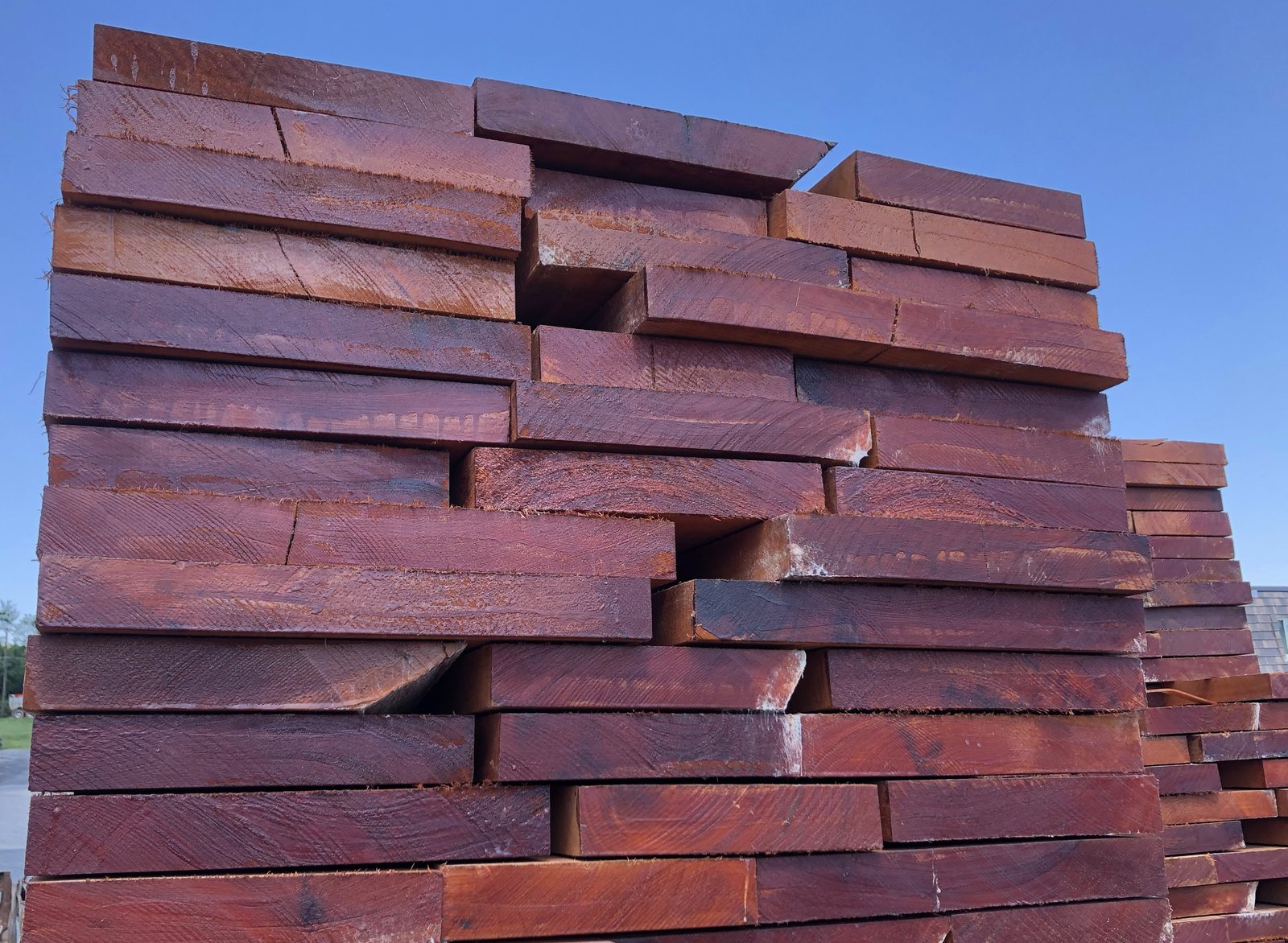
State the species and the grade in recognized grading language, not adjectives, since \"premium Ipe\" tells a supplier nothing enforceable. Name the species (Ipe, Cumaru, Garapa, Massaranduba) and reference the applicable NHLA grade or an architectural grade defined by an approved sample. Specify grain orientation where stability matters, since vertical-grain boards move less than flat-grain. Because color varies by species, note whether color sorting is required, which matters on continuous commercial surfaces where lot-to-lot variation is visible. A grade the supplier cannot grade to is not a grade.
Defining grade by sample is the enforceable path: a physical sample sets the color range, grain, and defect expectation the supplier grades to. This protects both the owner and the specifier and is standard on architectural work. Grade settles how the deck looks. The performance criteria settle what it must do.
Performance Criteria for the Decking Spec
Specify the measurable performance the deck must meet: durability class, fire rating where the code requires it, and the moisture content at delivery. Tropical hardwoods rate Class 1 durability under EN 350 and reach Class A flame spread under ASTM E84 without treatment, which matters on commercial rooftops and assemblies with a fire requirement. Require the boards kiln-dried to a stated moisture content, roughly 12 to 16 percent, so they do not move after installation. These criteria give the submittal reviewer objective measures to check rather than a subjective description. With the numbers fixed, the next decision is physical: the board profile and the fastener that holds it down.
Profile and Fastener Method as One Decision
Specify the profile and the fastener method together, because square-edge boards, pre-grooved boards for hidden clips, and pre-drilled boards for plugged face screws are different products. A hidden-fastener deck needs pre-grooved boards milled to a named clip system; a plugged face-screw deck needs pre-drilled and countersunk boards with matching plugs; both need stainless fasteners, 316 near salt water. Specify the fastener grade and the board gap. The American Wood Council publishes the fastener design basis these choices follow. Leaving the fastener method to the shop drawings is a common source of conflict. The boards and fasteners are also only the visible half of the assembly, which is why the spec has to keep going below the surface.
The Substructure, Drainage, and Rooftop Detailing
The specification has to describe the assembly beneath the boards, since a Class 1 deck on a substructure that traps water still fails. Define the joist material and spacing, commonly 16 inches on center for 5/4 boards, the board gap and drainage, and, on a rooftop or balcony, the pedestal or sleeper system that floats the deck above the membrane without penetrating it. Dense tropical decking adds weight, around 5 to 6 lb per square foot for 5/4 Ipe, so the structural load is confirmed. See our rooftop deck systems guide for the membrane detailing.
Documentation the Submittal Requires
Commercial and public submittals require documented legal sourcing: FSC chain-of-custody, CITES permits for listed species, and, on green-building projects, the certification that supports LEED materials credits. Only an FSC-certified supplier can issue valid chain-of-custody, and the U.S. Green Building Council recognizes FSC toward LEED. Write the documentation requirement into the spec so it is priced into the bid rather than discovered late. See our FSC certification guide. Paper proves the sourcing. The sample and mockup, covered next, prove everything else.
Samples, Mockups, and the Submittal Review
Require a physical sample and, on larger projects, a mockup approved before release, so the color, grain, profile, and finish are agreed against a real reference rather than a description. The submittal package should require species and grade samples, the actual milled profile, and the finish on the real species. Reviewing these against the specification catches substitutions early, since a lower-cost species or a similar-looking profile changes shrinkage, finish behavior, and fastener holding. An approved sample also anchors the color sorting for variable species. In practice, when J. Gibson McIlvain supports a commercial submittal, what lands on the reviewer's desk is a species and grade sample, mockup material milled to the specified profile, and the FSC chain-of-custody and CITES paperwork, so the review happens against real material and real documents.
Single-Source Supply Across the Project
Specify single-source supply for the decking package so grade, color, and milling stay consistent across every phase and elevation of a commercial project. On a large or multi-building job, material split across suppliers drifts in grade and color, which reads on continuous surfaces. A single deep, certified source fills the whole project in matched material, mills any custom profiles and pre-grooving in-house, and provides the documentation for the submittal. J. Gibson McIlvain supplies commercial decking from one certified inventory with in-house milling. Consistency across a commercial deck is either specified or left to luck.
| Section | What to define |
|---|---|
| Material | Species, NHLA or architectural grade, grain, color sorting |
| Performance | Durability class, Class A fire where required, moisture content |
| Profile and fasteners | Square-edge, pre-grooved, or pre-drilled; stainless grade; gap |
| Substructure | Joist material and spacing; rooftop pedestal system; drainage |
| Documentation | FSC chain-of-custody, CITES, LEED support |
| Review process | Samples, mockup, submittal requirements |
| Sourcing | Single-source for consistency across the project |
Completing the Decking Specification
A complete commercial decking specification reads as one coordinated package where the material, performance, assembly, documentation, and review all point at the same deck. Written this way, the submittal reviewer has objective criteria to check, the bidder prices the real scope including documentation, and the installed deck matches the intent. The USDA Forest Products Laboratory Wood Handbook is the reference behind the durability and moisture criteria. J. Gibson McIlvain supports the specification with samples, FSC and CITES documentation, in-house custom milling and pre-grooving, and single-source supply shipped nationwide.
Coordinating the Decking Section With Roofing and Structure
On a rooftop or elevated deck, the decking specification has to coordinate with the roofing and structural sections, because the deck floats on the membrane and loads the structure. The membrane and its warranty live in the roofing section, the load capacity in the structural section, and the wearing surface in the decking section, and a conflict between them, a fastener detail that penetrates the membrane, a weight the structure cannot carry, surfaces during construction if the sections are not reconciled. Referencing the pedestal or sleeper system, the no-penetration requirement, and the confirmed load in the decking spec keeps the trades aligned. See our rooftop deck systems guide for the membrane interface.
Evaluating Substitution and Or-Equal Requests
Commercial bids often bring substitution or "or-equal" requests, and the specification should define how they are evaluated: against the approved sample and the stated performance criteria, not a name. A proposed alternate species or a similar-looking profile can change durability class, density, movement, finish behavior, and fastener holding, so an "or-equal" is only equal if it meets the same measurable criteria and matches the mockup. Writing the evaluation basis into the spec, durability class, fire rating, grade by sample, gives the architect an objective way to accept or reject an alternate rather than a subjective argument. J. Gibson McIlvain can supply samples and documentation that let a specifier evaluate an alternate against the specified criteria. A species name is not a performance criterion.
Performance Criteria and Their Standards
Each criterion references an objective standard, EN 350, ASTM E84, NHLA, so a submittal reviewer can verify rather than judge subjectively.
| Criterion | Standard / reference |
|---|---|
| Durability class | EN 350 (Class 1) |
| Flame spread | ASTM E84 (Class A) |
| Moisture content | ~12 to 16% at delivery |
| Grade | NHLA rules or approved sample |
| Legal sourcing | FSC chain-of-custody; CITES |
"The specs that go smoothly define grade in real language, set a moisture number, lock the profile to the fastener method, describe the substructure, and require a mockup before we ship. When all of that is in one section, the species almost takes care of itself and the submittal clears. The ones that struggle just say premium Ipe decking and assume everyone fills in the rest the same way. On a commercial job the documentation is part of the spec too, not a favor at the end."
Brett Miller, President, J. Gibson McIlvain Company
How J. Gibson McIlvain Supports a Commercial Specification
For J. Gibson McIlvain, supporting a commercial decking specification means translating design intent into a buildable, documented order: providing species and grade samples, milling the specified profile and pre-grooving in-house, supplying FSC chain-of-custody and CITES documentation, and filling the whole project from one certified inventory so grade and color stay consistent. Because the company mills and grades its own material, it can meet a specification rather than substitute a stock size.
The team's strongest recommendation to specifiers is to define grade by an approved sample and require a mockup before release. That single step prevents most substitution and consistency problems on a large commercial deck.
Specification Checklist
| Item | Why it matters |
|---|---|
| Grade by sample | Enforceable color, grain, defect expectation. |
| Moisture content | Prevents post-install movement. |
| Profile and fastener | One decision; stainless grade and gap defined. |
| Substructure and drainage | The assembly the deck depends on. |
| Documentation | FSC/CITES priced into the bid. |
| Mockup and single source | Catches substitutions; keeps consistency. |
Where Commercial Decking Specs Fail
- Grade by adjective: "Premium" is not enforceable; use NHLA or a sample.
- No moisture requirement: Boards installed wet move regardless of species.
- Profile without fastener method: Resolve it in the spec, not shop drawings.
- Ignoring the substructure: A good deck on a wet frame still fails.
- Documentation left to the end: Write FSC/CITES into the spec so it is bid.
- No mockup: Substitutions and color drift are found too late.
Related J. Gibson McIlvain Guidance and Next Steps
Frequently Asked Questions
How do you specify tropical hardwood decking for a commercial project?
Write the specification as one coordinated package: the species and grade in real grading terms (NHLA or a sample), the performance criteria (Class 1 durability, Class A fire where required, moisture content), the profile and fastener method together, the substructure and drainage, the documentation (FSC chain-of-custody, CITES), and the review process (samples and a mockup). Naming only the species leaves grade, moisture, fastening, and sourcing undefined, which is where submittals stall. J. Gibson McIlvain supports commercial specs with samples, documentation, and in-house milling.
How should decking grade be specified in construction documents?
Specify grade in recognized grading language rather than adjectives like premium, referencing the applicable NHLA grade or an architectural grade defined by an approved physical sample. The sample sets the enforceable color range, grain, and defect expectation the supplier grades to, and it anchors color sorting for variable species. Note grain orientation where stability matters, since vertical-grain moves less. J. Gibson McIlvain provides samples and grades commercial orders to the approved reference.
What documentation does a commercial decking submittal need?
Commercial and public submittals require documented legal sourcing: FSC chain-of-custody certification, CITES permits for listed species, and, on green-building projects, the FSC certification that supports LEED materials credits. Only an FSC-certified supplier can issue valid chain-of-custody. Writing the documentation requirement into the specification ensures it is priced into the bid rather than discovered late. J. Gibson McIlvain is FSC-certified and provides chain-of-custody and CITES documentation with commercial orders.
Why require a mockup for a commercial decking project?
A physical mockup approved before material release lets the architect and owner confirm species, grade, profile, finish, and fastener detailing against the design intent before the bulk order ships, on a real reference rather than a description. It catches substitutions early, since a lower-cost species or similar-looking profile changes shrinkage, finish behavior, and fastener holding, and it anchors color sorting. J. Gibson McIlvain provides samples and mockup material milled to the specified profile and grade.
Should commercial decking be single-source?
Yes. Specifying single-source supply keeps grade, color, and milling consistent across every phase and elevation of a commercial project, which material split across suppliers cannot guarantee, since grade and color drift between sources shows on continuous surfaces. A single deep, certified supplier fills the whole project in matched material, mills custom profiles and pre-grooving in-house, and provides the submittal documentation. J. Gibson McIlvain supplies commercial decking from one certified inventory with in-house milling.
How should a decking spec handle substitution requests?
Define in the specification that substitutions or or-equal requests are evaluated against the approved sample and the stated performance criteria, durability class, fire rating, grade by sample, and moisture content, not against a species name. A proposed alternate can change density, durability, movement, and fastener holding, so it is only equal if it meets the same measurable criteria and matches the mockup. This gives the architect an objective basis to accept or reject. J. Gibson McIlvain provides samples and documentation for evaluating alternates.
Sources and Standards Referenced
- WoodWorks - Commercial Wood Construction Resources
- National Hardwood Lumber Association - Grading Rules
- EN 350 - Durability of Wood and Wood-Based Products
- ASTM E84 - Surface Burning Characteristics
- American Wood Council - Fastener and Span Design
- Forest Stewardship Council - Chain of Custody Certification
- U.S. Green Building Council - LEED Materials Credits
- USDA Forest Products Laboratory - Wood Handbook
- International Code Council - Building and Residential Codes
- North American Deck and Railing Association
- CITES - Convention on International Trade in Endangered Species
- PEFC - Programme for the Endorsement of Forest Certification