Color and Look
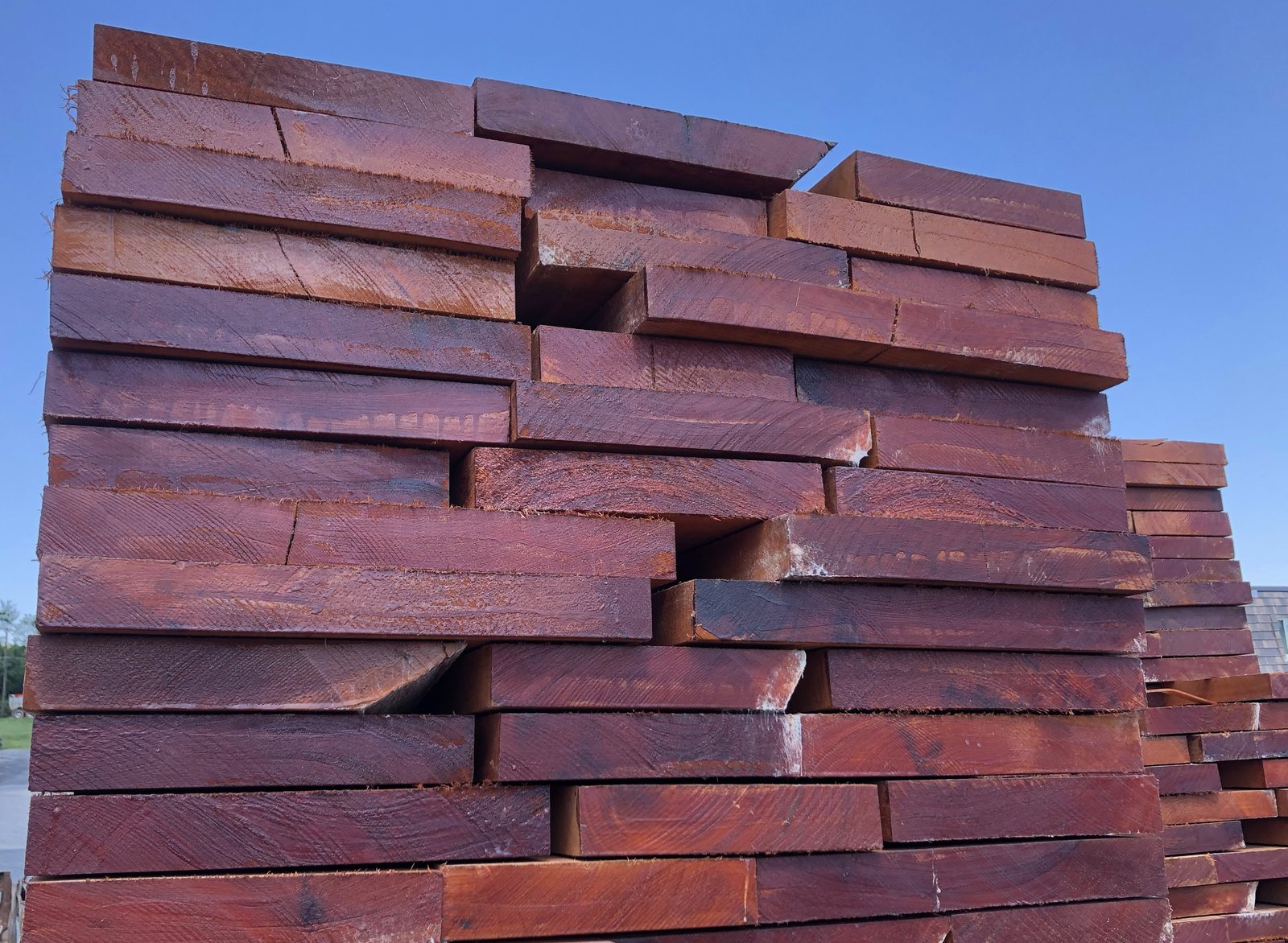
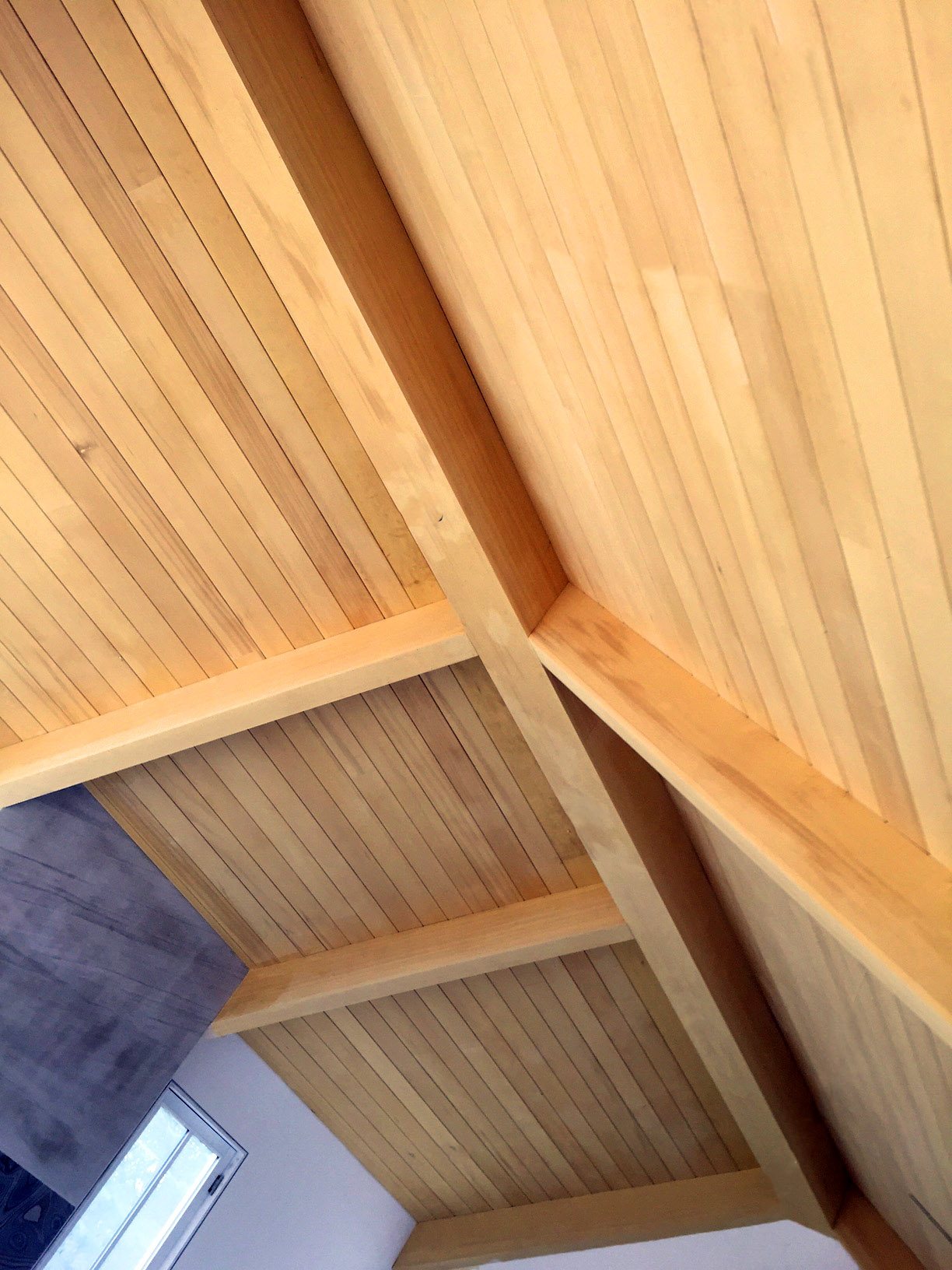
The fastest way to choose is color. Teak reads golden brown under oil, warm and honeyed. Ipe reads deep brown, almost espresso on some boards, with a tighter, more uniform grain.
Left unfinished, both silver to gray, and both do it more evenly than most woods. Oiled, teak keeps its honey tone while Ipe holds its dark richness. Neither look is better. They set different moods on a facade or a screen, and the design usually points clearly to one. For the species in depth, see our teak lumber grades guide and our Ipe complete guide.
Hardness and Fire
This is where they diverge hard. Ipe sits around 3,680 lbf on the Janka scale. Teak sits around 1,070. Ipe is more than three times as hard.
| Factor | Teak | Ipe |
|---|---|---|
| Color | Golden brown | Deep brown |
| Janka hardness | ~1,070 lbf | ~3,680 lbf |
| Durability (EN 350) | Class 1 | Class 1 |
| Fire (ASTM E84) | Not a rated class | Class A untreated (FSI ~20) |
| Stability | Very high | High when dried |
| Working weight | Lighter; screen-friendly | Heavy; dense to work |
| Best for | Color, screens, louvers | Hardness, fire rating, high traffic |
Ipe's density gives it a Class A flame-spread rating under ASTM E84 with no treatment, which matters on commercial walls and in wildfire zones. Teak does not carry a rated fire class. So on a facade that needs documented fire performance, Ipe wins by default. On a screen or louver where workability and color lead, teak's lighter weight is the advantage.
Screens, Louvers, and Workability
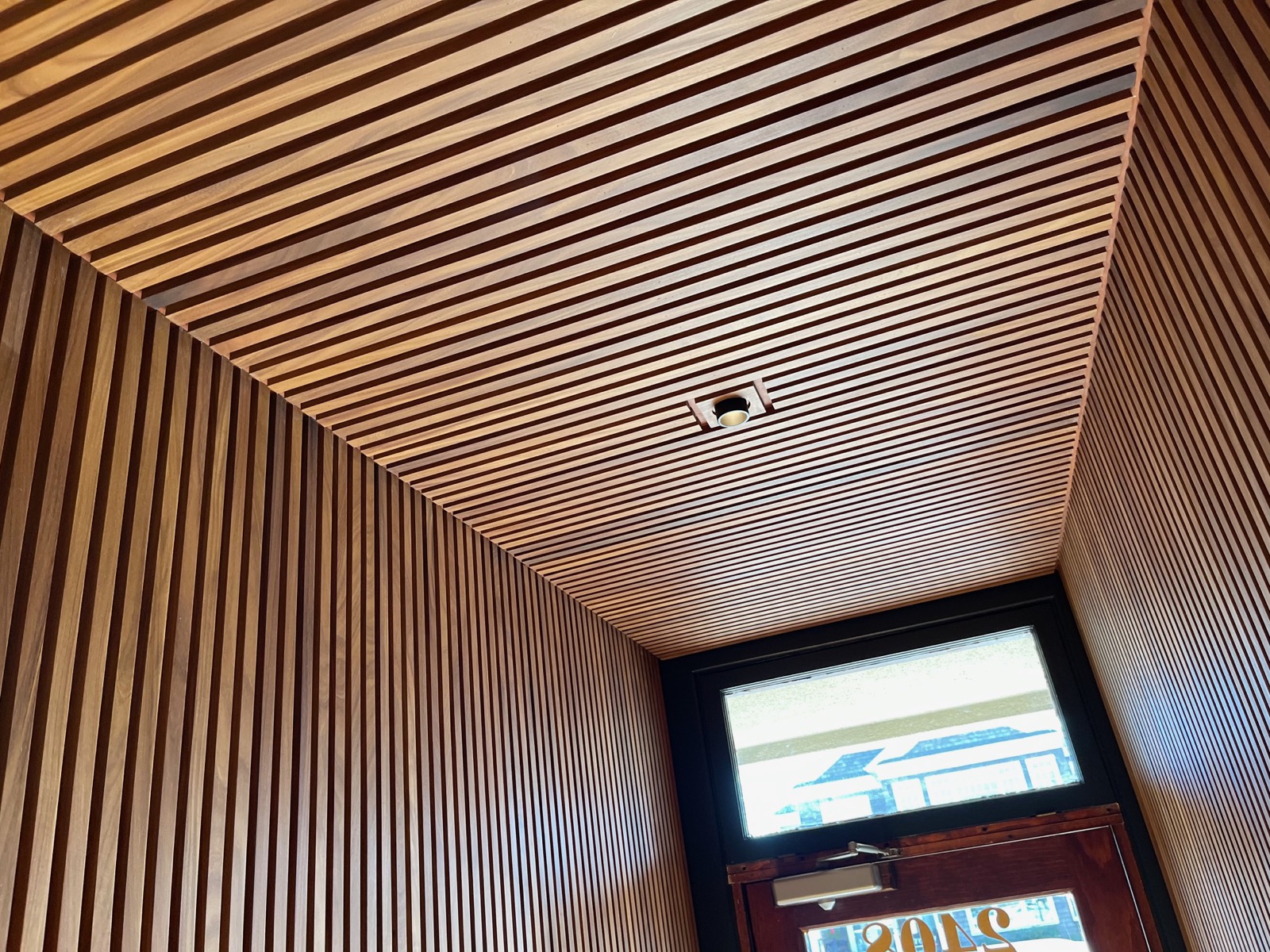
Teak's lighter weight and clean working make it the easier wood for screens, louvers, and privacy walls. Ipe can do screens too, but its density means pre-drilling everything and heavier members.
Both hold their shape, which is the non-negotiable for a screen exposed on all sides. The difference is in the shop and on the ladder: teak works faster and hangs lighter, Ipe fights the tools but rewards you with hardness that shrugs off abuse. For privacy-wall sourcing specifically, our teak coverage goes deeper, and for Ipe against its closest cousin, see our Ipe vs. Cumaru comparison.
Finish and Maintenance
Both take a penetrating oil and both can be left to silver, and neither takes a film finish. Their oils fight film adhesion, so paint and varnish peel on both.
Oiled, each recoats without stripping; see our oil vs. film finishes guide. Left bare, both go evenly gray with no loss of durability. Maintenance is low for both by hardwood standards, and neither, as a solid wood, carries a product warranty. For dock-adjacent and marine crossover work, teak's boat pedigree shows; see our marine-grade lumber guide.
"I get asked to pick between them like one is better, and they are just different tools. Want the golden color and a screen wall that works easy and hangs light? Teak. Want the hardest wood on the block and a natural Class A fire rating with no treatment? Ipe. Both last for decades, both silver if you let them. We stock both, so I tell people to choose on the look and whether they need the fire rating, not on what we happen to have."
Norm Moton, Director of Sales, J. Gibson McIlvain Company
How J. Gibson McIlvain Specifies Teak and Ipe
J. Gibson McIlvain stocks both teak and Ipe in depth, including a full range of Ipe dimensions, and mills, oils, and ships both nationwide. The team steers the choice by three questions: the color the design wants, whether a rated fire class is required, and whether the application is a screen where workability matters. Ipe answers the fire and hardness questions; teak answers the color and screen-workability questions.
For a facade in a commercial or wildfire zone, Ipe carries the ASTM E84 Class A documentation. For a luxury screen or louver wall, teak works lighter and reads golden. Both come prefinished with a penetrating oil, or unfinished to silver, and both pair with a vented rainscreen for cladding or a concealed frame for screens, with legal-sourcing paperwork on the teak.
Teak vs. Ipe Selection Checklist
| Question | Points to |
|---|---|
| Golden or deep brown? | Teak (golden) or Ipe (deep brown) |
| Rated fire class needed? | Ipe (Class A untreated) |
| Screen or louver wall? | Teak (lighter, easier to work) |
| Maximum hardness? | Ipe (~3,680 lbf Janka) |
| Finish | Penetrating oil or silver on both |
| Sourcing | Both stocked; teak with legal-harvest docs |
Where the Teak-or-Ipe Choice Usually Fails
- Expecting a fire rating from teak: only Ipe carries Class A untreated.
- Specifying heavy Ipe members for a delicate screen: teak works lighter for screens.
- Film finish on either: both fight film adhesion; use penetrating oil or silver.
- Expecting a warranty on either: both are solid woods; the oil is maintenance.
- Skipping the rainscreen: both need a vented cavity as cladding.
Ordering Information to Resolve Before Pricing
- Species: teak or Ipe, chosen on color, fire, and application.
- Application: cladding, screen, louver, or privacy wall.
- Finish: oiled or natural silver.
- Documentation: ASTM E84 for Ipe, legal-harvest for teak, FSC where required.
- Logistics: square footage or member count, lengths, delivery, lead time.
Related J. Gibson McIlvain Guidance and Next Steps
Frequently Asked Questions
Teak or Ipe for a luxury facade?
Choose teak for its golden color and lighter, screen-friendly workability, and Ipe for maximum hardness and a natural Class A fire rating with no treatment. Both are Class 1 durable, both are dimensionally stable, and both take a penetrating oil or silver to gray. The deciding questions are the color the design wants, whether a rated fire class is required, and whether the application is a screen. J. Gibson McIlvain supplies both.
Is Ipe harder than teak?
Yes, by a wide margin. Ipe sits around 3,680 lbf on the Janka hardness scale, while teak sits around 1,070 lbf, so Ipe is more than three times as hard. That hardness makes Ipe extremely resistant to wear and impact, which suits high-traffic facades, but it also makes Ipe heavy and dense to work, requiring pre-drilling. Teak's lower hardness makes it lighter and easier to work into screens and louvers.
Does teak or Ipe have a fire rating?
Ipe reaches ASTM E84 Class A, with a flame-spread index around 20, without any treatment, because its density near 1,050 kg/m3 forms an insulating char layer. Teak does not carry a rated fire class. On a commercial wall or a wildfire-zone facade that needs documented fire performance, Ipe is the choice, with the ASTM E84 report supplied for plan review. For a screen or facade where fire rating is not a requirement, teak's color and workability lead.
Which is better for privacy screens and louvers?
Teak is the easier choice for screens and louvers, because it is lighter and works cleaner than the much denser Ipe, while still holding its shape when exposed on all sides. Ipe can be used for screens too, but its density means heavier members and pre-drilling throughout. Both are stable enough to stay straight in a screen, so the practical edge goes to teak's workability and lighter hanging weight.
Do teak and Ipe both weather to gray?
Yes. Left unfinished, both silver to an even gray, more evenly than most woods thanks to their natural oils and tight grain, with no loss of durability. Oiled, teak keeps its golden tone and Ipe holds its deep brown, and both recoat without stripping. Neither takes a film finish, since their oils fight film adhesion. As solid woods, neither carries a product warranty; the oil is maintenance.
Sources and Standards Referenced
- USDA Forest Products Laboratory - Teak and Ipe properties
- ASTM E84 - Surface Burning Characteristics of Building Materials
- National Hardwood Lumber Association - Hardwood grading rules
- Forest Stewardship Council - Chain of custody certification
- American Wood Council - Flame-spread performance of wood products