Freight That Protects the Boards
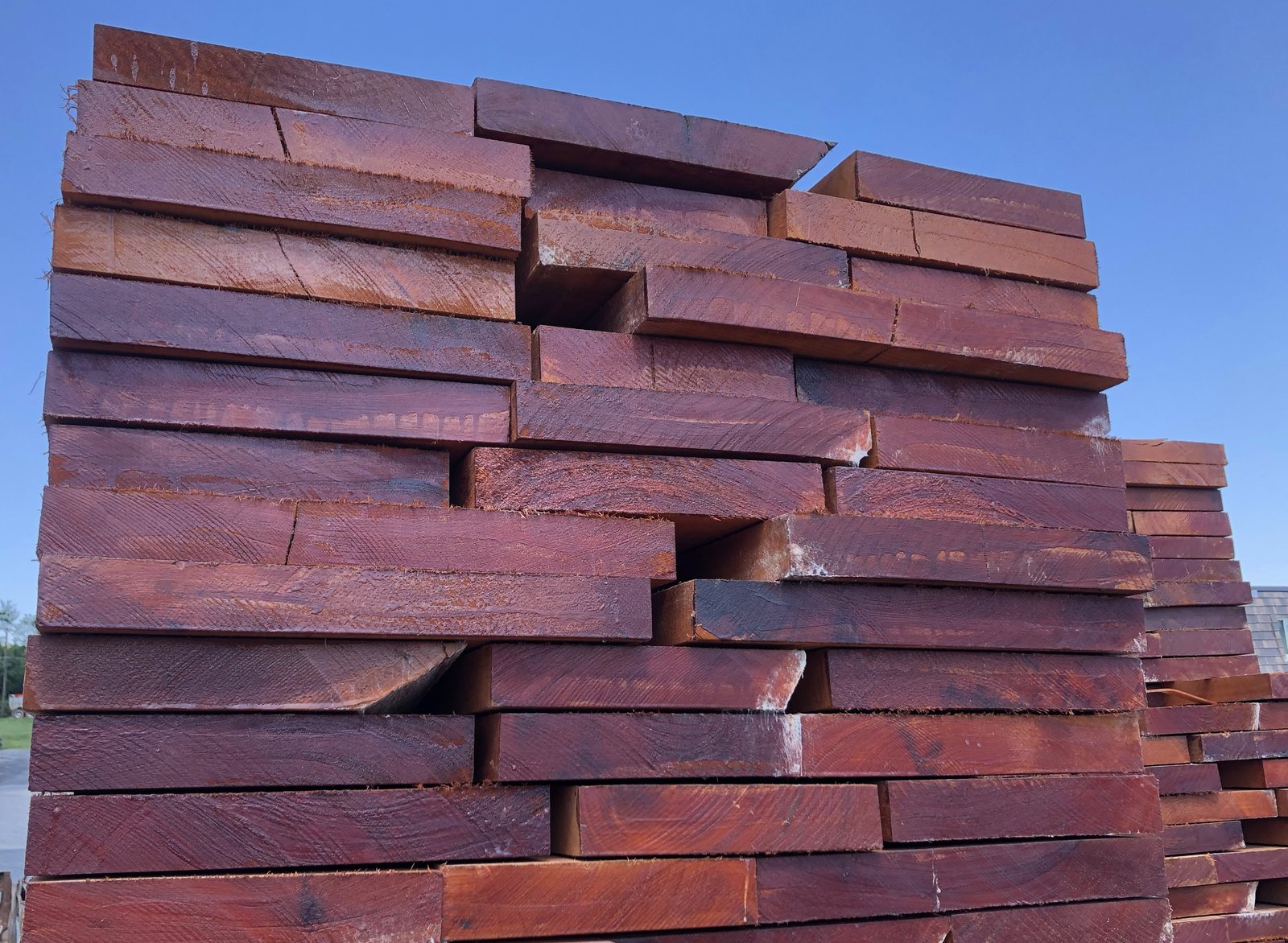
Cladding has to show up dry, flat, and undamaged, so the freight gets specified to protect the boards, not just to move them. Bunks are wrapped and dunnaged so they do not pick up road moisture or take a set, and prefinished faces are protected from abrasion in transit.
Long lengths and wide boards need real support on the trailer or they bow. Dense hardwood bunks are heavy, which changes how they load and offload. A supplier that runs facade-scale cladding all the time, and ships nationwide, plans the freight around those facts. Even so, check and acclimate the material on arrival, since installing near the in-service equilibrium moisture content is what keeps boards flat; see our moisture content guide.
Sequenced Delivery Beats a Single Dump
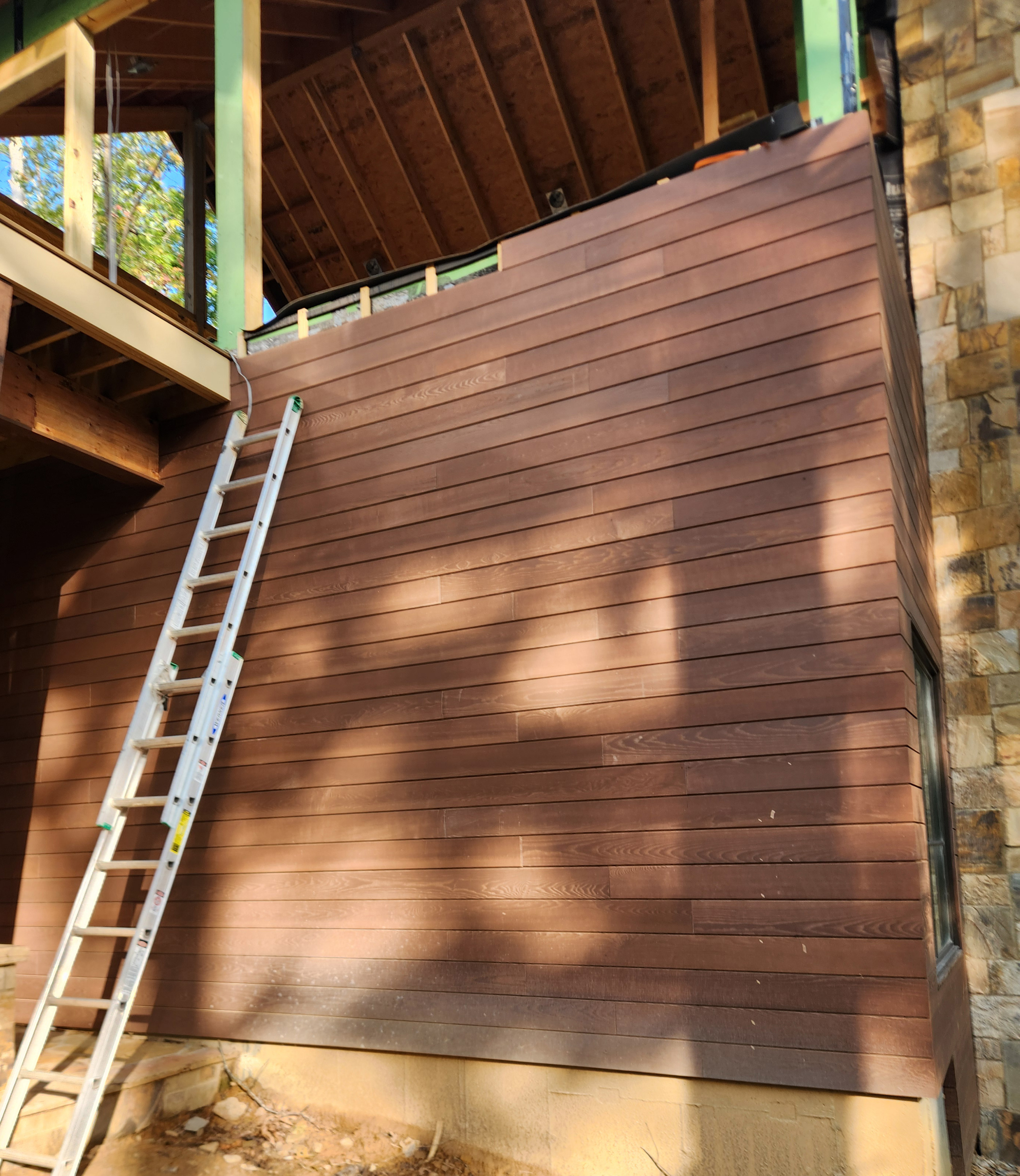
On a large facade, delivering in sequence keeps material off the ground and out of the weather until the crew is ready for it. A single bulk drop at mobilization means the last boards installed have sat on site for weeks, soaking up sun, rain, and handling.
Sequencing also cleans up the logistics. Less staging area is tied up, less material is at risk, and the crew works from fresh, protected bunks. It only works when the supplier can stage production and freight to the schedule, which is what a single-source supplier built for commercial volume does. For how milling and delivery tie together, see our guide on custom siding profile milling and national jobsite delivery.
| Approach | Material exposure | Best for |
|---|---|---|
| Single bulk drop | High; last-installed boards sit exposed | Small, fast jobs with covered storage |
| Sequenced by elevation | Low; boards arrive as installed | Large facades, phased installs |
| Release-based (call-off) | Lowest; supplier holds stock, releases on call | Long or weather-dependent schedules |
Staging and Handling on Site
Once cladding lands, store it flat, off the ground, and shaded until it goes up, and keep the finished faces from getting scuffed. Bad staging wastes a good freight plan.
- Store flat and supported: level dunnage so boards do not bow or take a set.
- Keep dry and shaded: under cover or wrapped, so the boards hold their moisture content and prefinished faces do not weather early.
- Acclimate: let the material reach local conditions so it installs near its in-service moisture content.
- Protect finished faces: prefinished boards arrive done, so handle them without scuffing the show face; touch-up sealer covers cut ends.
All of it still leads to a ventilated rainscreen install, since the wall assembly, not the cladding on its own, manages the moisture; see our furring and ventilation guide.
"The worst thing you can do with a nice cladding order is drop the whole thing at mobilization and let it sit in the weather. We ship nationwide and stage the deliveries to the install, so the boards show up as the crew needs them, elevation by elevation. Less material sitting out means less damage, less moisture pickup, and a cleaner install. The freight plan is part of the order, not an afterthought."
Brett Miller, President, J. Gibson McIlvain Company
How J. Gibson McIlvain Handles Cladding Delivery
Delivery at J. Gibson McIlvain is planned as part of the order. The team arranges freight that keeps bunks dry and supported, sequences deliveries to the elevations being worked, and holds stock for release-based call-offs on long or weather-dependent schedules. The company ships nationwide from its own inventory and milling, so a single order can be staged to arrive in the sequence the crew installs it, with grade and color steady across every drop.
Species and profile are milled and finished before the truck loads, so what arrives is ready to go up: naturally Class A hardwoods like Ipe and Cumaru, modified woods such as Accoya, Thermory, and Abodo Vulcan, or cedar and cypress. Touch-up sealer rides along with prefinished orders so crews seal field cuts as they install.
Delivery and Staging Checklist
| Item | Why it matters |
|---|---|
| Freight protection | Boards must arrive dry, flat, and undamaged. |
| Delivery sequence | Match drops to the elevations being installed. |
| Site storage | Flat, off the ground, dry, and shaded. |
| Acclimation | Install near in-service moisture content. |
| Finished-face protection | Avoid scuffing prefinished show faces. |
| Touch-up sealer | Seal field cuts as the crew installs. |
Where Cladding Delivery Usually Fails
- Single bulk drop: material sits exposed for weeks and takes weather and handling damage.
- No freight protection: boards arrive wet, bowed, or scuffed.
- Poor site storage: boards stored on the ground or in the sun move and mar before install.
- No acclimation: material installed off its in-service moisture content moves afterward.
- Split sourcing: multiple deliveries from different vendors show grade and color drift.
Ordering Information to Resolve Before Pricing
- Schedule: install sequence by elevation and any phasing.
- Delivery mode: sequenced, single drop, or release-based call-off.
- Site conditions: covered storage, staging area, offloading equipment.
- Material: species, profile, finish, lengths, weight.
- Logistics: total square footage, lead time, freight destination.
Related J. Gibson McIlvain Guidance and Next Steps
Frequently Asked Questions
How should wood cladding be delivered to a large jobsite?
Deliver it with freight that keeps the boards dry, flat, and undamaged, sequenced to the elevations being installed rather than dropped all at once. Sequenced or release-based delivery keeps material off the ground and out of the weather until the crew needs it, cutting damage and moisture pickup. J. Gibson McIlvain ships nationwide and can stage a large order to the install so boards arrive in the courses the crew is working.
Why not just deliver the whole cladding order at once?
A single bulk drop at mobilization means the last boards installed have sat on site for weeks, exposed to rain, sun, and handling, which brings moisture pickup, bowing, and surface damage. Sequenced delivery matched to the install keeps material protected until it is needed and frees up staging area. It takes a supplier that can stage production and freight to the schedule, which is what a single-source supplier built for commercial volume does.
How should wood cladding be stored on site before installation?
Store cladding flat and supported on level dunnage so boards do not bow, off the ground, and protected from rain and direct sun so they hold their moisture content and prefinished faces do not weather early. Let the material acclimate to local conditions so it installs near its in-service equilibrium moisture content. Prefinished boards arrive finished, so handle them without scuffing the show face, and touch-up sealer covers field-cut ends.
Does J. Gibson McIlvain deliver wood cladding nationwide?
Yes. J. Gibson McIlvain ships nationwide, including regular deliveries to the West Coast, and its business is commercial and contractor volume. A large cladding order can go out sequenced to the install or held for release-based call-offs, with freight planned to keep bunks dry and supported. Because the material is milled and finished before shipment and comes from one source, grade and color stay consistent across every delivery.
Can delivery be timed to a phased installation?
Yes. On phased or weather-dependent installs, delivery can be sequenced by elevation or handled as release-based call-offs, where the supplier holds the stock and ships on call. That keeps material exposure to a minimum and matches deliveries to the crew's progress. J. Gibson McIlvain stages production and freight to the schedule and ships nationwide, so a phased facade gets material in the order it is installed instead of all at mobilization.
Sources and Standards Referenced
- USDA Forest Products Laboratory - Moisture content and wood movement
- Building Science Corporation - Cladding and moisture management
- American Wood Council - Wood construction standards
- National Hardwood Lumber Association - Hardwood grading rules
- Forest Stewardship Council - Chain of custody certification