Get the Grade Right Before Anything Else
Cedar is really two products, and the grade decides which one lands on the wall. Confuse them on a bulk order and half the bundles look wrong.
Clear vertical grain cedar is the clean, tight-grained face most contemporary designs want. It moves little, holds a finish well, and reads uniform across a facade. Select tight knot cedar is the knotty, character-grade look, a different aesthetic for a different buyer, and it costs a fraction of CVG. Neither is better. They serve different walls. The Western Wood Products Association publishes the grade rules that pin this down, and specifying by grade rather than by the word "premium" is what keeps a bulk order honest. For a full facade in T&G cedar, see our guide on bulk tongue-and-groove cedar for a custom home.
Consistency Across a Large Order
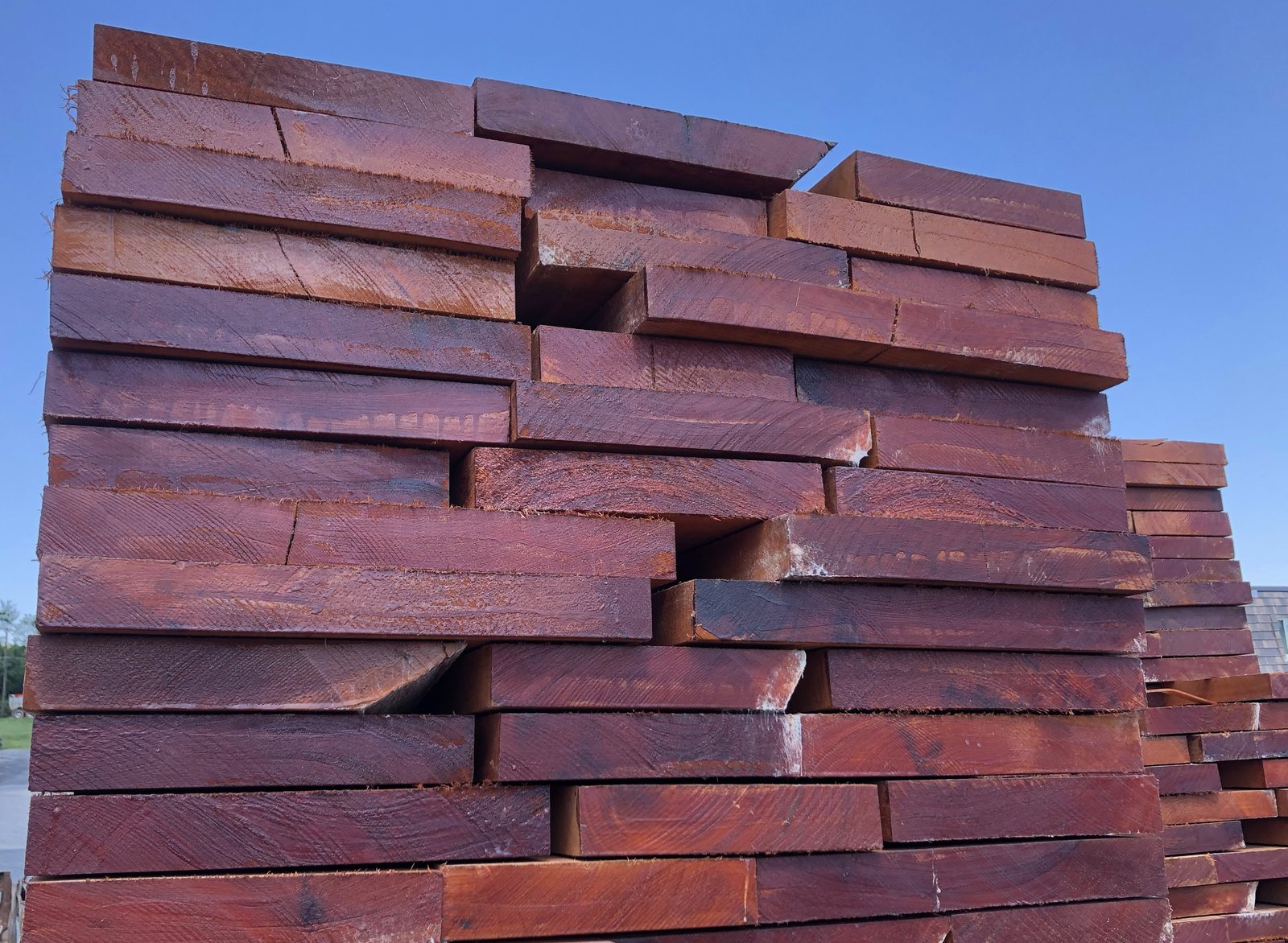
On a bulk cedar order the risk is not the first bundle, it is the fiftieth. Grade drift and color variation between lots show up across a big wall, and by then the material is already on site.
| Grade | Look | Movement | Market |
|---|---|---|---|
| Clear vertical grain (CVG) | Clean, tight, uniform | Low; vertical grain | Contemporary, high-end |
| Select tight knot (STK) | Knotty, rustic character | Moderate | Rustic, value-driven |
| Mixed grain / custom | Between the two | Varies | Project-specific |
A supplier that buys deep and mills in-house can hold a bulk order to one grade band and one color range, then run it all to a single profile tolerance. That is the value of ordering the whole quantity from one source instead of chasing bundles across yards. J. Gibson McIlvain carries cedar in volume and mills the profile in-house, so a large order does not drift from bundle to bundle.
Why Cedar Earns the Volume
Cedar is the default cladding wood for a reason, and bulk buyers keep coming back to it. Its lower density lets it flex through freeze-thaw cycles that crack tighter woods, and you rarely hear of it failing in service.
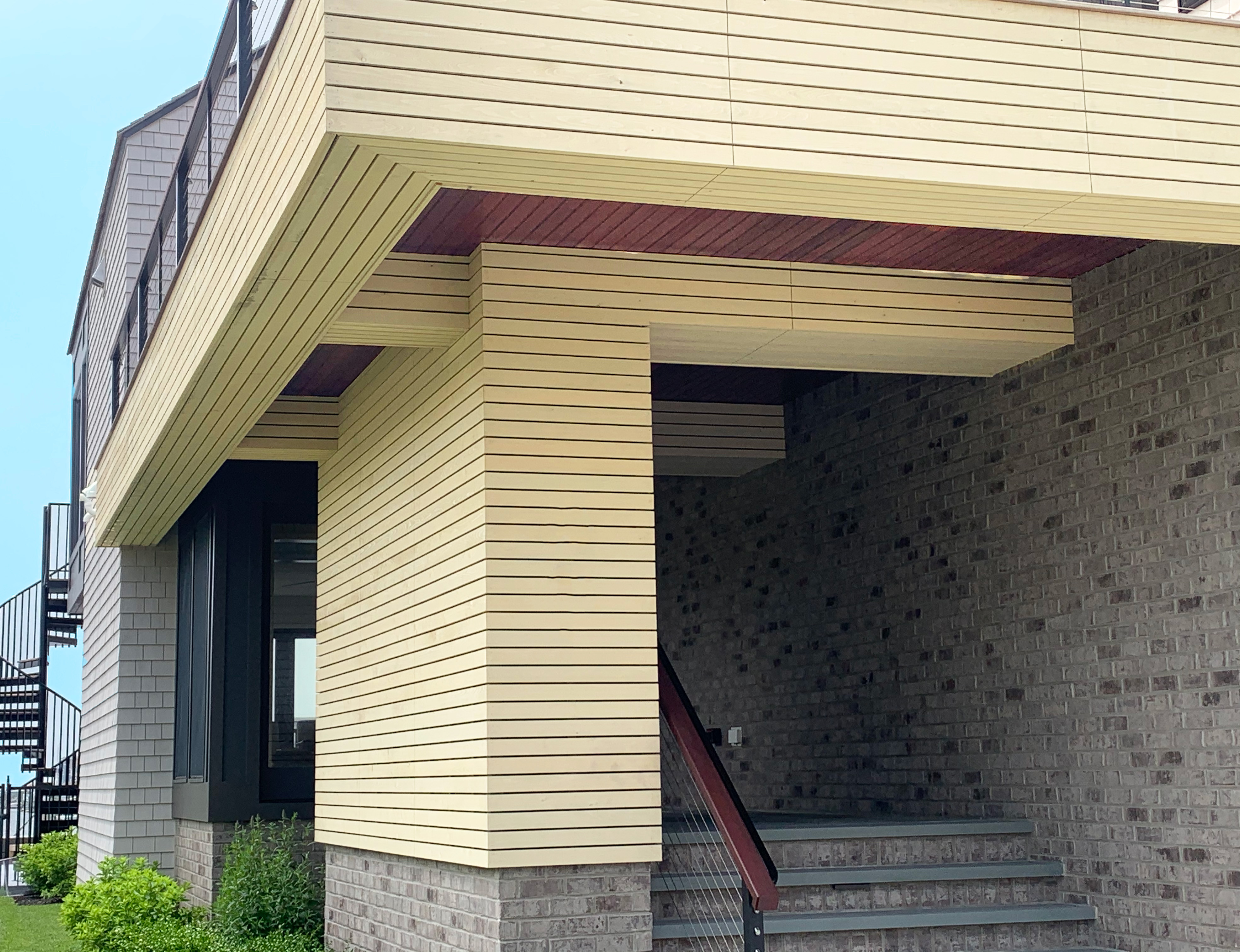
It also takes a finish well and mills clean, whether the order is horizontal lap, board and batten, channel, or tongue-and-groove. For the profile options, see our guides on board-and-batten cedar and cypress and drop channel siding. Where a buyer wants cedar's look with even less movement and a longer finish cycle, our thermally modified ash vs. cedar comparison lays out the trade.
Ordering and Install Notes for Bulk Cedar
A bulk cedar order still installs like any wood cladding: over a ventilated rainscreen, at the right moisture content, with stainless fasteners. Volume does not change the fundamentals.
- Moisture content: acclimate and install near the in-service equilibrium so a big order does not move after it goes up; see our moisture content guide.
- Rainscreen: furr the wall for a minimum 3/8 inch vented cavity so the cedar drains and dries.
- Fasteners: stainless to avoid staining; tongue-and-groove hides fasteners, shiplap gets face fastened.
- Orientation: grooved profiles go groove-down to drain.
"With bulk cedar the whole game is grade and consistency. Somebody says premium cedar and I have to ask, CVG or STK, because those are two different walls at two different prices. Once we know the grade, we buy it deep and mill it all to one spec so the last bundle matches the first. Cedar has been cladding houses forever. Order it right and it just works."
Norm Moton, Director of Sales, J. Gibson McIlvain Company
How J. Gibson McIlvain Handles a Bulk Cedar Order
A bulk cedar order at J. Gibson McIlvain starts with the grade conversation, CVG or STK, since that sets both the look and the budget. The team buys the quantity deep, mills it to one profile tolerance in-house, and ships nationwide, holding grade and color consistent so a large facade does not drift from bundle to bundle. Cedar is stocked in volume alongside the cypress and modified-wood options a buyer might weigh against it.
Where a project wants cedar's look with more stability, the team can lay the choice next to modified woods like Accoya, Thermory, and Abodo Vulcan, or clear vertical grain for the tightest cedar face. The recommendation always pairs the material with a vented rainscreen and the right moisture content, since a bulk order that moves after install is a bulk problem.
Bulk Cedar Procurement Checklist
| Item | Why it matters |
|---|---|
| Grade: CVG or STK | Two different looks, markets, and prices. |
| Grade held across the order | Drift shows on a large wall. |
| Single-source supply | Keeps color and milling consistent bundle to bundle. |
| Profile and tolerance | One spec across the whole quantity. |
| Moisture content | Install near in-service EMC on a big order. |
| Rainscreen and fasteners | Vented cavity, stainless, groove-down. |
Where Bulk Cedar Orders Usually Fail
- Grade by adjective: "premium cedar" is not a grade; specify CVG or STK.
- Mixing grades on one wall: CVG and STK read as two different facades.
- Split sourcing: color and milling drift between yards on a large order.
- Skipping acclimation: a big order installed wet moves after it goes up.
- No rainscreen: cedar cladding needs a vented cavity to drain and dry.
Ordering Information to Resolve Before Pricing
- Grade: CVG, STK, or a specified mixed grade.
- Profile: lap, board and batten, channel, or T&G, with tolerance.
- Quantity and lengths: total square footage and run lengths.
- Finish: unfinished, factory finished, or field finished.
- Logistics: single-source confirmation, delivery sequence, lead time.
Related J. Gibson McIlvain Guidance and Next Steps
Frequently Asked Questions
How do I buy cedar siding in bulk?
Start by specifying the grade, clear vertical grain (CVG) or select tight knot (STK), since they are two different looks at two different prices. Then source the whole quantity from one supplier that can hold grade and color consistent and mill it all to one profile tolerance, so the last bundle matches the first. J. Gibson McIlvain carries cedar in volume, mills the profile in-house, and ships nationwide, which keeps a large order from drifting bundle to bundle.
What is the difference between CVG and STK cedar?
Clear vertical grain (CVG) cedar is clean and tight-grained, moves little, and reads uniform, which suits contemporary facades. Select tight knot (STK) cedar is knotty character grade for a rustic look, at a fraction of the CVG price. Neither is better; they serve different walls and different budgets. On a bulk order the two should not be mixed on the same facade, since they read as completely different materials.
Why does cedar hold up so well as siding?
Western Red Cedar has a lower density than most cladding hardwoods, which lets it flex through freeze-thaw cycles that crack tighter woods, and it rarely fails in service. It also takes a finish well and mills clean across lap, board and batten, channel, and tongue-and-groove profiles. Cedar has been the default North American cladding wood for a long time, which is why bulk buyers keep specifying it.
How do I keep a large cedar order consistent?
Source the whole quantity from one supplier that buys deep and mills in-house, so grade and color hold to one band and the profile runs to a single tolerance. Grade drift and color variation between lots show up across a big wall, and split sourcing across yards makes it worse. J. Gibson McIlvain holds a bulk cedar order to one grade and one color and ships it nationwide from a single source.
Does bulk cedar siding still need a rainscreen?
Yes. Volume does not change the install. Bulk cedar goes over a ventilated rainscreen cavity of at least 3/8 inch so it drains and dries, with stainless fasteners to avoid staining and grooved profiles run groove-down to drain. Acclimate and install near the in-service equilibrium moisture content, since a large order installed wet will move after it goes up. The fundamentals are the same as any wood cladding, just at scale.
Sources and Standards Referenced
- Western Wood Products Association - Western Red Cedar grade rules
- USDA Forest Products Laboratory - Cedar properties and moisture content
- Thermory - Thermally modified wood, for comparison
- Abodo - Vulcan thermally modified product data, for comparison
- Forest Stewardship Council - Chain of custody certification
- American Wood Council - Wood construction standards