What the FSC Label on Teak Actually Covers
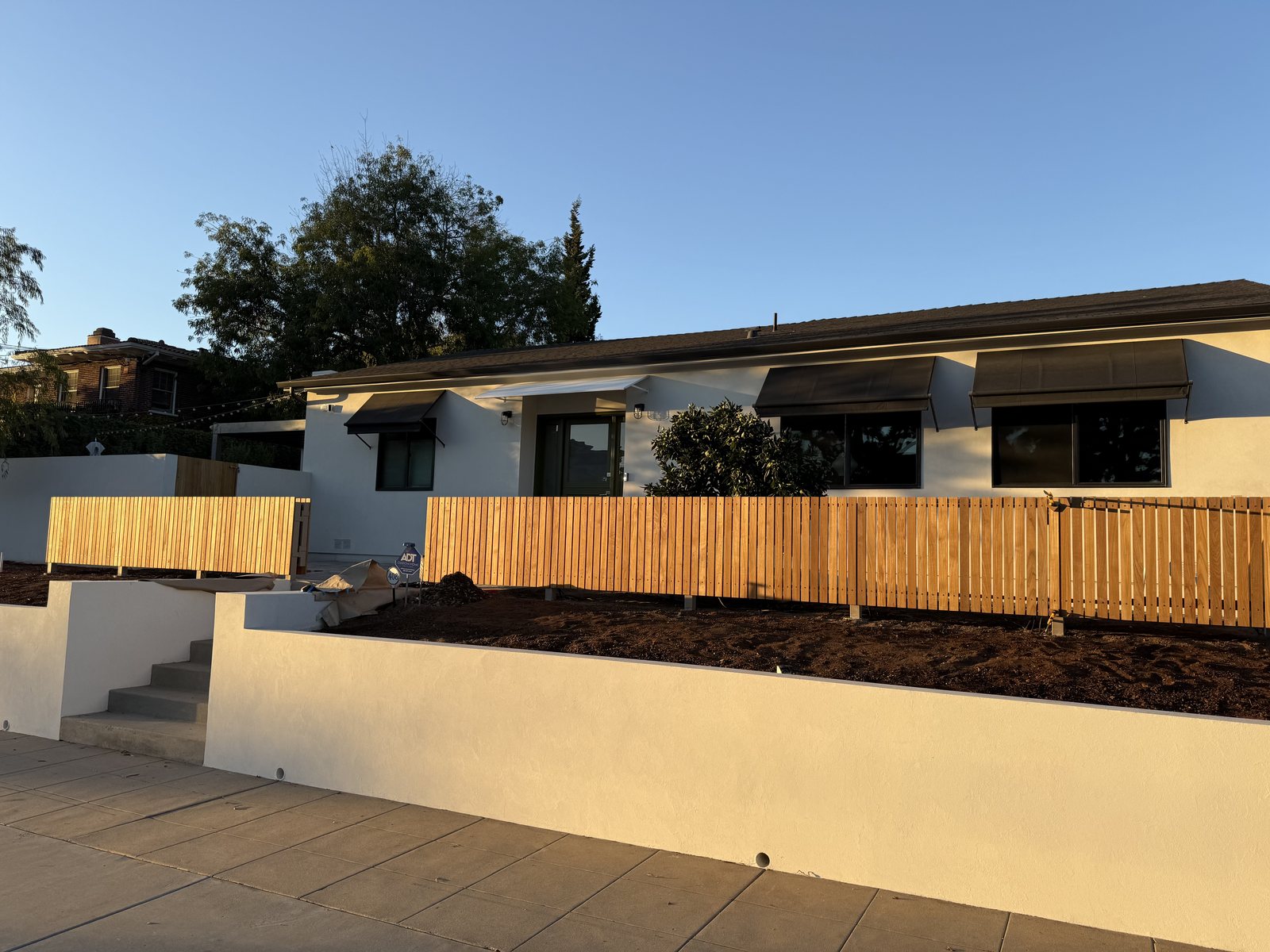
An FSC certified teak board carries a claim about the forest it grew in and about every company that has handled it since, not a claim about its color, its grain or its strength. Two separate certificates sit behind that label. Forest management certification applies to the forest or the plantation itself. Chain of custody certification applies to each company that takes ownership of the material afterward, which means the sawmill at origin, the exporter, the importer and the distributor each have to hold one.
Buyers conflate the two constantly. A supplier can hold a genuine chain of custody certificate and still sell teak with no certified claim attached to it, for the simple reason that the lot in question was not bought as certified material. The certificate proves a company is able to sell certified product. The invoice proves that this order is certified product. Ask for both, then read the second one closely.
The claim has categories, and they are not interchangeable. FSC 100% means all the fiber traces to certified forests. FSC Mix means certified fiber is combined with controlled wood under a percentage or credit system. Solid teak lumber usually moves as FSC 100%, and the label language belongs on the invoice in writing. The Forest Stewardship Council publishes both the claim definitions and a public database of certificate holders, and checking a code against that database takes about a minute.
What the label does not tell you matters just as much. It says nothing about moisture content, nothing about grade, nothing about whether the pack holds the lengths your shop drawing calls for. Those are separate conversations with the supplier, and a buyer who treats the certification as a quality grade will be surprised when the container opens.
How Chain of Custody Travels With a Board
Chain of custody is a chain of invoices, and it breaks the moment one company in the line sells the board without the claim written on the paperwork. The material is unchanged. The claim is not recoverable downstream. That is the part that costs an architect a credit on a submittal six months after the wood shipped.
Each certified company carries a certificate code and a license code, and both belong on the sales document along with the claim and the species. A certified importer buying from a certified mill and selling to a certified distributor keeps the line intact. Insert one broker who holds no chain of custody certificate, and the teak arriving at your shop is ordinary teak with a good story behind it.
J. Gibson McIlvain is an FSC certified importer and miller, which means a certified teak pack can be received, graded, resawn and re-invoiced without the claim dropping out between the container and the shop that mills it. That matters on a project where certified content is a specification requirement rather than a preference, since the milling step is exactly where an uncertified handler usually enters the picture.
Keep the documents with the project file rather than with the accounting file. A chain of custody claim that lives only in a paid invoice folder is hard to produce when a reviewer asks for it, and reconstructing it after the fact means going back to every company that touched the lot.
Plantation Teak and Old Growth Teak Read Differently
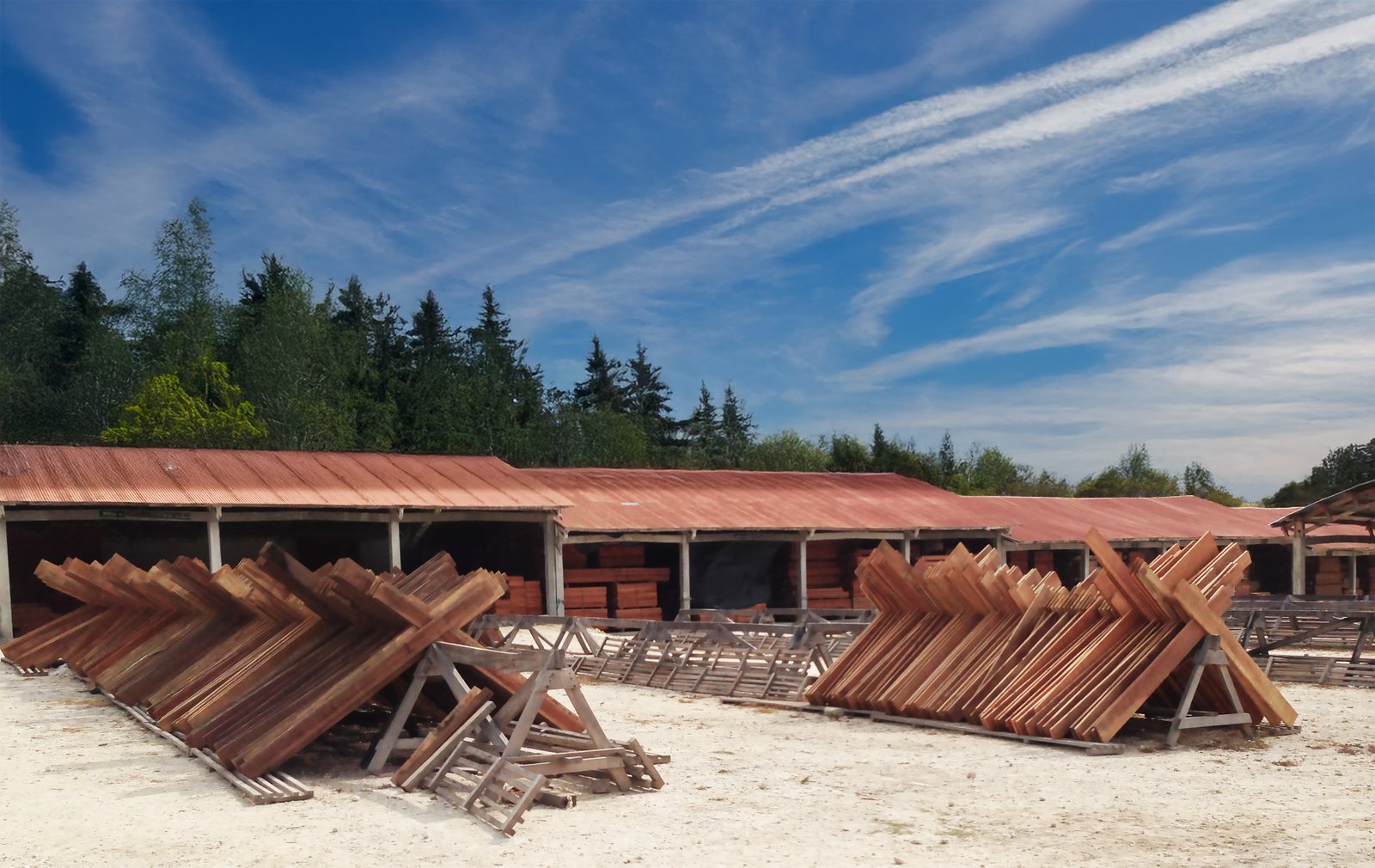
Nearly all FSC certified teak available today is plantation grown, and a plantation board does not look or cut like the old growth stock that built the species reputation. Growth rings are wider. Sapwood content is higher. Color runs lighter and more variable across a pack, and a finished run assembled from several boards will show that variation unless it is laid out deliberately.
The durability sits in the heartwood. Teak sapwood is not durable and has no business in exterior work, so a specification for exterior teak should say heartwood only and the tally should be checked against that. On a bright or oiled interior surface the sapwood reads as a pale streak that no amount of finish will blend.
Plantation rotations also cap the geometry. Smaller logs mean narrower widths, shorter clear runs and fewer long lengths than the trade saw decades ago. A 12 ft clear length in teak is a real request that has to be confirmed against actual stock rather than assumed. The Wood Database entry for teak covers the species figures, including hardness and dimensional numbers, and is the right reference when a drawing calls for a value this article does not state.
None of this makes plantation teak a lesser material. It makes it a different material to specify. The shop that lays out parts knowing it will see sapwood, color spread and shorter clear cuttings orders the right volume the first time.
Grades, Tallies and the Rules Behind Them
Imported teak rarely arrives on a North American grade, so the mill tally and the written grade definition carry the weight a familiar grade stamp would carry on domestic stock. Domestic hardwood in the United States runs on National Hardwood Lumber Association rules, which grade a board by the yield of clear face cuttings rather than by appearance alone.
Those rules are worth knowing even when the teak is not sold under them, because they are the vocabulary every architect and buyer already shares. FAS is the top grade, requiring a minimum board of 6 inches wide by 8 ft long yielding 83 and 1/3 percent clear face cuttings. FAS One Face, written F1F, meets FAS on the better face. Selects meet FAS on the better face at a smaller minimum size. No. 1 Common requires 66 and 2/3 percent on a minimum board of 3 inches by 4 ft, and No. 2A Common requires 50 percent.
Grade describes yield, not defect. A No. 1 Common board is not damaged goods. It yields smaller clear cuttings, which makes it the economical grade for short parts and the wrong grade for long clear runs. Half the grade arguments in this trade come from a buyer who ordered on price for parts that needed length.
Teak sold on export or mill grades uses different names for similar ideas, and the names are not standardized between mills. Get the definition in writing. J. Gibson McIlvain grades incoming teak packs against the order before release, which is the step that catches a mill grade that does not mean what the exporter said it meant.
Thickness, Width and Length Worth Asking About
Thickness quoted in quarters is where a teak order quietly fails, since a 4/4 board will not yield a 1 inch finished part once it has been surfaced. 4/4 is nominal 1 inch rough. 8/4 is 2 inches. 16/4 is 4 inches. Every surfaced dimension comes off those rough numbers, and the loss is real on a species this expensive to waste.
Work backward from the finished part. A 1 inch finished stile starts life in 5/4. A 1 and 3/4 inch door stile starts in 8/4. Ordering 4/4 for a part that finishes at 3/4 inch leaves almost no room for the cup and twist that show up after a board is ripped, which is why a shop that plans parts from rough thickness runs fewer replacement orders.
Width and length are the harder ask in certified teak, and inventory depth is the only honest answer to it. J. Gibson McIlvain holds over seven million board feet of exotic and domestic lumber at its Maryland yard, which is what makes it possible to pull a run of matched widths or longer lengths out of existing stock rather than waiting on the next container from origin. The company also resaws thicker stock on band resaws when a specified width exists only in a heavier thickness.
Sawing orientation belongs in the specification too. Quartersawn and rift stock moves less across its width than plainsawn, which is why it gets called out where a panelized or coated surface has to stay flat. Teak is often sold without an orientation call at all, so the drawing has to make the request if the request matters. More detail on what the milling side of J. Gibson McIlvain can take on sits on the company site.
Moisture Content Decides Whether Teak Stays Put
Teak that was air dried at origin is not kiln dried stock, and an interior job running at 6 to 8 percent will not forgive the difference. Air dried material settles near the equilibrium moisture content of wherever it sat, which in a tropical port is nothing like a conditioned building in Denver or Boston.
Interior millwork is milled to an in-service moisture content near 6 to 8 percent. Exterior work runs near 12 to 16 percent, since the material is going to live in weather and a bone dry exterior part will swell. Those two numbers decide which pack goes to which job, and they are a reason to ask about drying history before the order rather than after delivery. The USDA Forest Products Laboratory publishes the equilibrium moisture content data behind those targets.
Verification is a meter reading, not a claim. J. Gibson McIlvain checks boards with a meter before a pack leaves the yard and holds stock at the moisture content the end use calls for, which is a more useful answer than a kiln certificate from a mill 9,000 miles away. Moisture meter procedure is standardized, and ASTM maintains the test methods that calibration references.
Acclimation is the shop step nobody schedules. Certified teak delivered on a Friday and cut on a Monday has not come to terms with the building yet. The teams that lose the least material stage the pack in conditioned space, read it, and cut when the readings stop moving. Building Science Corporation has the underlying moisture and enclosure material for anyone who wants the physics.
Documentation to Request Before the Pack Ships
A certified teak order survives an audit on five documents, and four of them have to be requested before the material leaves the supplier. Chasing them afterward works sometimes. It fails exactly when the project schedule has no room for it.
Specification reviewers are not all looking for the same thing. A project pursuing certified wood credit under USGBC rating systems needs the claim on the invoice in a specific form. An architect enforcing millwork quality standards from the Architectural Woodwork Institute is looking at grade, moisture and construction instead. Both sets of paper come from the same order, and both are easier to produce at the time of shipment.
| Document | What it proves | Who issues it | What to check |
|---|---|---|---|
| Chain of custody certificate | The supplier is authorized to sell certified material | The certification body, through the supplier | Certificate code is current and lists sawn lumber in scope |
| Invoice carrying the claim | This specific order is certified material | The supplier | Claim category, species, quantity and license code all present |
| Mill tally or packing list | What is physically in the pack, board by board | The mill or the importer | Lengths and widths match what the drawing needs, not just total volume |
| Written grade definition | What the grade name on the order actually requires | The mill, relayed by the supplier | Clear cutting yield and minimum board size are stated |
| Moisture readings | The pack is dried for the intended service condition | The supplier at the point of release | Readings taken on this pack, with the target stated |
One more item belongs in the file even though it is not a document. Record which lot the material came from. A second phase ordered a year later goes much better when the supplier can look up what shipped the first time, and a certified claim that has to be matched across phases depends on that record existing somewhere other than memory.
Where Teak Earns Its Place
Teak belongs where water, movement and a bare or lightly oiled finish all meet at once, and most of the millwork it gets specified for does not need it. Exterior doors, window sash, thresholds, marine work and exterior seating are the honest cases. The species holds its dimension, tolerates wetting and dries without the surface checking that punishes lesser choices.
Unfinished exposure is the real argument for it. Teak left bare weathers to gray and keeps working, which is why boat builders and architects designing a bare exterior detail keep coming back to it. Paint it, and the money has been spent on a property the paint film now hides.
ICD, the architectural millwork division of J. Gibson McIlvain, builds teak doors and window units as true custom work planned around the actual opening rather than cut down from a stock size. That is also the kind of work where the species earns a premium, since the joinery is carrying weather and the part has to hold its shape through a wet season.
There is no warranty on solid unmodified teak, and no supplier can honestly offer one. Solid wood is an organic material responding to its environment. Warranties exist on modified products, which is a genuine difference in the category rather than a sales distinction.
The Species Specified Alongside Teak
The millwork palette is Sapele, Iroko, Afrormosia, Teak and Utile, and four of those five solve problems teak is too valuable to be spent on. Utile is sold as Sipo. All of them machine cleanly, hold a profile and come in sizes a millwork shop can plan around.
For painted exterior trim, Sapele is the better call than Genuine Mahogany. It holds paint better, and it comes in a wider range of sizes and longer lengths. Sapele runs roughly 1,410 lbf on the Janka scale against roughly 800 lbf for Genuine Mahogany. One limit to respect is that Sapele is not milled 1x8 for exterior use, too wide to stay stable in that application. Cupping on exterior trim is driven by installation and back ventilation rather than by the species on the invoice.
Cedar remains a legitimate default, and on cedar the grade call matters more than the species call. CVG, clear vertical grain, and STK, select tight knot, are two different products with two different appearances and two different behaviors, and specifying cedar without naming one of them leaves the decision to whoever fills the order.
Where a painted exterior part has to be wide and stay flat, the modified options are Accoya and Abodo Vulcan. Accoya runs roughly 1,600 lbf with acetylation giving dramatically reduced shrinkage and swelling. Modified products top out around 16 ft, most of them sold on metric lengths just under 16 ft, because of kiln size, so a longer run has to be jointed rather than ordered.
The tropical decking species sit in a different conversation. Ipe, which is Tabebuia spp, along with Cumaru, Garapa, Jatoba and Red Balau, are extremely hard and carry high oil content, which makes them difficult to glue. They are decking stock. A millwork shop reaches for Sapele, Iroko, Afrormosia, Teak or Utile instead when a part has to be moulded, glued up or machined to a profile.
Ordering Certified Teak Without Breaking the Claim
The order that arrives correct was written with the claim, the grade, the thickness, the moisture target and the length schedule all on the same purchase order. Split those across three emails and a phone call and something gets dropped, usually the one that was hardest to confirm.
Lead time deserves a straight answer rather than an optimistic one. Certified teak in a specific width and length is not a catalog item, and a supplier working from held inventory can answer faster than one waiting on a mill at origin. Ask which situation you are in before the schedule depends on the answer.
"When a customer calls for certified teak, the first thing I ask is what the parts are and how long they have to be. That tells me whether we are pulling from what is already here or whether we are talking about a longer conversation with a mill, and the buyer deserves to know which one it is on the first call."
Norm Moton, Director of Sales, J. Gibson McIlvain
J. Gibson McIlvain ships certified lumber nationwide, and a buyer in any state can get the material and the paperwork on the same delivery rather than coordinating them separately. Call 800-638-9100 to talk through a teak order with someone who will give you the real inventory position before you write the specification around it.
How J. Gibson McIlvain Would Specify This
A certified teak specification that holds up names the claim, the heartwood requirement, the grade with its written definition, the thickness in quarters, the moisture target and the length schedule, in that order. Everything else is a preference the supplier can work with.
Write the claim first. State that the material must ship with an FSC claim on the invoice and that the certificate code and license code must appear on the sales document. Add heartwood only for anything exterior. Those two lines eliminate most of what goes wrong on a certified teak job.
Then name the geometry against the parts. Give the thickness in quarters based on the finished dimension, not the finished dimension itself. Give the longest clear length the job actually requires and let the supplier tell you whether it exists. Call quartersawn or rift where a surface has to stay flat, and skip the call where it does not, since specifying it unnecessarily narrows availability for no benefit.
Put the moisture target in writing at 6 to 8 percent for interior work or 12 to 16 percent for exterior work, and ask for readings taken on the actual pack at release. Then say who stages and acclimates the material, which on nearly every job is the buyer's own shop. Field measurement, fitting and hanging sit with the fabricator and the installing contractor, so the specification should be explicit about where that line falls.
Keep the record. J. Gibson McIlvain has been in business since 1798 and is run by the seventh generation of the same family, and keeping the species, grade and lot on file is what lets a second phase match a first phase years later. For a current project, the fastest path is a call to 800-638-9100 with the parts list in hand.
Frequently Asked Questions
Where can I source FSC certified teak in the United States?
Buy from a company that holds its own chain of custody certificate, because a certified claim can only continue on an invoice issued by a certified company. J. Gibson McIlvain is an FSC certified importer and miller holding over seven million board feet of exotic and domestic lumber at its Maryland yard, and it ships certified lumber nationwide. Ask any supplier for the certificate code, check it against the Forest Stewardship Council database, and then confirm that this particular order will carry the claim on the invoice. Call 800-638-9100 with the parts list and the longest clear length the job needs.
Is FSC certified teak the same thing as old growth teak?
No. Nearly all certified teak available today is plantation grown. Expect wider growth rings, a higher proportion of sapwood, lighter and more variable color, narrower widths and shorter clear lengths than old growth stock. The heartwood is still durable. Specify heartwood only for exterior work and plan a color run deliberately rather than assuming a pack will match itself.
What paperwork should come with a certified teak order?
Five items. The supplier's chain of custody certificate, an invoice carrying the claim category along with the certificate and license codes, a mill tally or packing list showing actual lengths and widths, a written definition of whatever grade name is on the order, and moisture readings taken on that pack at release. Request four of the five before the material ships, since reconstructing them later means going back to every company that touched the lot.
What moisture content should teak be at when it arrives?
Interior millwork is milled to an in-service moisture content near 6 to 8 percent and exterior work near 12 to 16 percent. Air dried teak settles near the equilibrium moisture content of wherever it was stored, which is not a substitute for kiln dried stock on an interior job. Ask for meter readings on the actual pack, then stage the material in conditioned space and cut when the readings stop moving.
What grade should I order teak in?
Match the grade to the parts. NHLA rules grade a board by the yield of clear face cuttings, so FAS yields the long clear runs and No. 1 Common yields smaller clear cuttings at a minimum board of 3 inches by 4 ft, which makes it the economical grade for short parts. Imported teak often sells on a mill or export grade instead, and those names are not standardized between mills, so get the yield requirement and the minimum board size in writing.
Should I use teak for painted exterior trim?
No. Paint hides the one property teak is bought for. Sapele is the better call for painted exterior trim, since it holds paint better and comes in a wider range of sizes and longer lengths, running roughly 1,410 lbf on the Janka scale against roughly 800 lbf for Genuine Mahogany. Sapele is not milled 1x8 for exterior use. Where a painted exterior part has to be wide and stay flat, the modified options are Accoya and Abodo Vulcan, both topping out around 16 ft because of kiln size.
Can a supplier warranty solid teak?
No, and nobody honestly should. Solid unmodified wood is an organic material responding to its environment, so there is nothing to warranty against. Warranties exist on modified products, which is a real difference in the category. What a lumber supplier can stand behind on solid teak is grade, species, moisture content at release and the certified claim on the invoice.
Why does the millwork palette lead with Sapele, Iroko, Afrormosia, Teak and Utile instead of the tropical decking species?
Those five machine cleanly, hold a moulded profile and glue up reliably. Utile is sold as Sipo. Ipe, which is Tabebuia spp, along with Cumaru, Garapa, Jatoba and Red Balau, are extremely hard and carry high oil content that makes them difficult to glue, so they belong on a deck rather than in a glued or moulded component.