Why Paint Fails on Exterior Trim
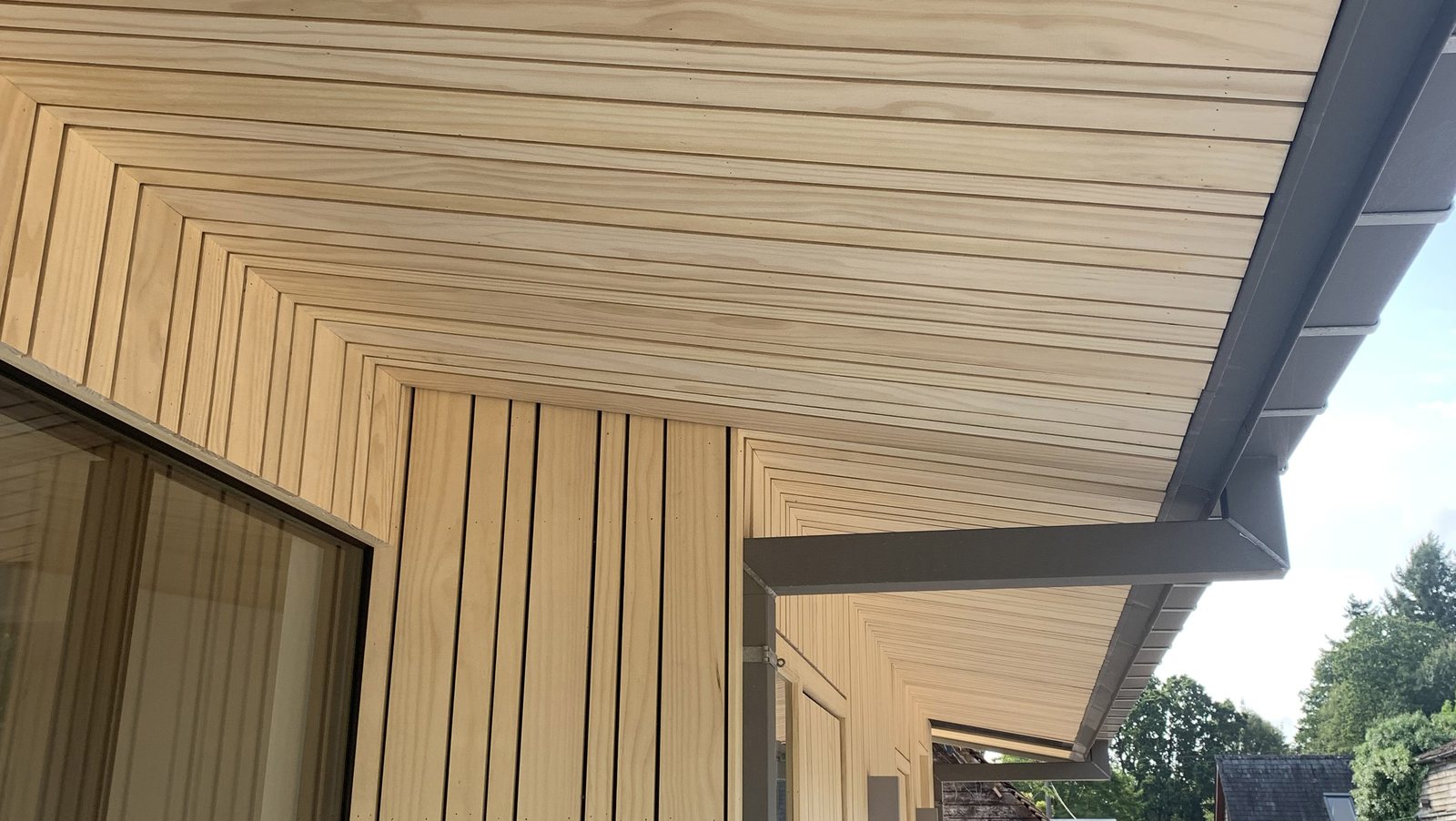
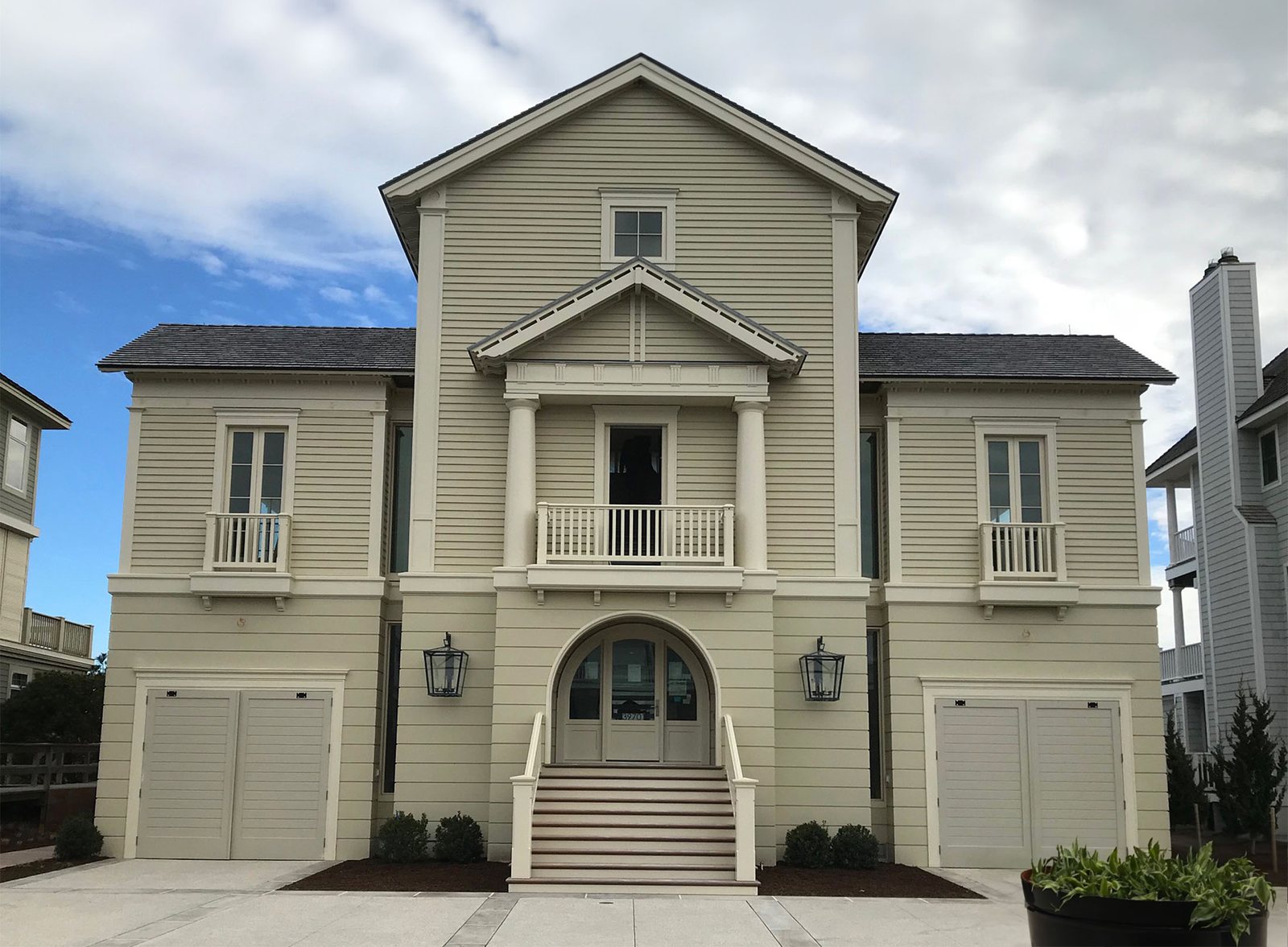
Paint on exterior trim fails because the wood underneath it moves, not because the coating was thin. A fascia board that picks up and gives back moisture with every wet season is swelling and shrinking across its width the whole time it stands there. The film on top has to follow. Acrylic films stretch a little. They do not stretch forever, and the edges let go first.
Walk a 12 year old painted cornice and the failures cluster in the same three places every time. End grain at a scarf joint. The bottom edge of a water table where water sits. The back face of a board that got primed on five sides instead of six. Each one is a moisture entry point, and a moisture entry point is a movement point.
That reframes the species question. For painted exterior trim the useful question is not which wood resists rot longest. It is which wood holds its dimensions through a wet October and a dry February. The USDA Forest Service Forest Products Laboratory publishes radial and tangential shrinkage values species by species, and those figures predict coating life better than any decay rating does.
Modified wood exists to attack that one variable. The two routes on the market, acetylation and thermal modification, both change the chemistry of the cell wall so the wood holds less water and answers to humidity less. They get there differently, and the differences decide which one belongs on a given detail.
How Acetylation Changes Accoya
Accoya is acetylated rather than heat treated, and acetylation is what gives it dramatically reduced shrinkage and swelling. The process drives acetic anhydride into the wood under pressure, swapping free hydroxyl groups in the cell wall for acetyl groups. Hydroxyl groups are the sites that grab water. Take most of them out of circulation and the wood has far fewer places to put moisture.
The practical result is a board with a much lower equilibrium moisture content and much less seasonal movement than the pine it started as. Accoya is normally made from fast grown Radiata Pine, a species nobody would specify for a painted cornice in its unmodified state. After acetylation it behaves like a different material entirely.
Accoya runs around 1,600 lbf on the Janka hardness scale. Sapele sits near 1,410 lbf, Hard Maple near 1,450 lbf, White Oak near 1,360 lbf and Genuine Mahogany near 800 lbf. A painted sill, a stool edge or a brickmould that takes ladder abuse is not getting dented the way a softwood section would.
One detail gets overlooked and it is the one that matters most inside a mill. Acetylation goes all the way through the thickness. Rip a board, resaw it, run a profile into it, cut a mitre, and the freshly exposed faces perform like the original surfaces. There is no treated shell to protect. J. Gibson McIlvain mills Accoya into linear trimwork, finished cladding and primed trim stock without the yield penalty that comes with shell treated material.
What Thermal Modification Buys and Costs
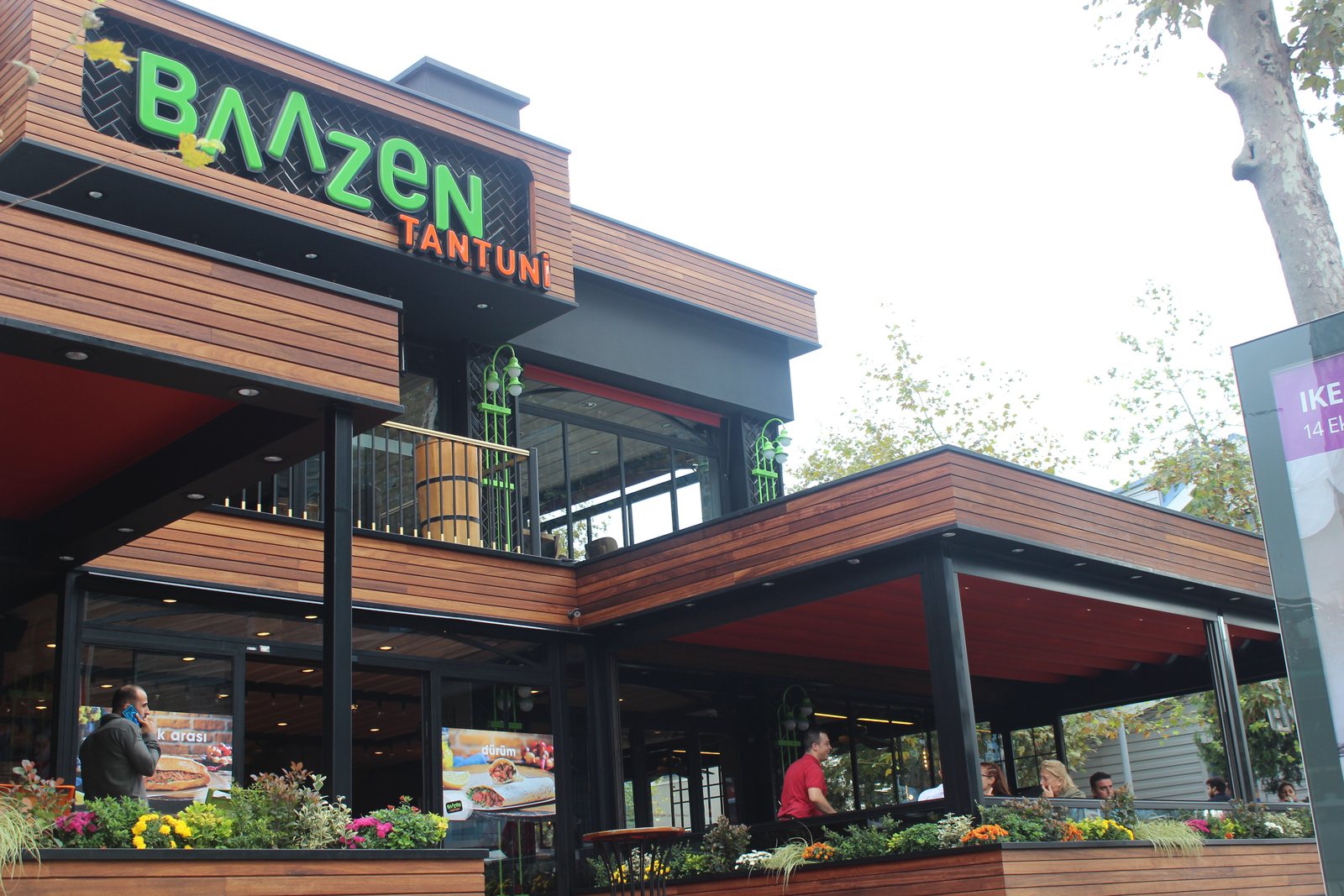
Thermal modification degrades hemicellulose under heat and low oxygen, which buys decay resistance and stability and costs toughness and bending strength. Hemicellulose is the most water loving polymer in the cell wall and it is also the easiest food source for decay fungi. Cook it off in a low oxygen kiln and you remove the water magnet and the lunch in one pass.
J. Gibson McIlvain stocks both Thermory and Abodo Vulcan at the Maryland yard. Thermory runs thermally modified Ash alongside modified Pine and Spruce. Abodo Vulcan is thermally modified plantation pine out of New Zealand and comes in wider sections than modified Ash. Both move through the same milling and finishing flow.
Now the cost side, which specifiers skip and installers discover. Thermally modified stock is more brittle than the same species untreated. It splits more readily at a fastener and chips more readily at an arris behind a dull knife. Pre-drilling is not a suggestion on a face fastened application.
It also does not carry published structural design values the way framing species do. No span table for thermally modified Ash sits alongside the values in the American Wood Council design standards. Treat it as a cladding, trim and non structural component material. Anything carrying load wants a species with published values and an engineer behind it.
Which One Holds Paint Better
Both hold paint far longer than untreated softwood trim, and Accoya has the edge on the widest, deepest and most exposed sections. The reason comes straight back to movement. Acetylation cuts dimensional change further than thermal modification does, so the film on a wide Accoya frieze is asked to flex less than the same film on a thermally modified board of equal width.
Thermally modified wood takes paint well and keeps it. What is different is the failure mode once a film wears at a corner or an edge. Thermal modification darkens the wood right through to a coffee brown, so a worn arris on a white painted board reads as a dark line rather than a pale one. On a cream or white scheme that looks like damage sooner than it would on Accoya, which stays light all the way through.
That same through color is an asset where the wood is meant to be seen. A thermally modified board finished clear or with a penetrating oil holds a uniform tone end to end, with none of the sapwood streaking that shows up on an unmodified run. Specifiers choosing modified wood for a stained or natural cladding elevation usually land on Thermory or Abodo Vulcan for exactly that reason.
There is a third factor no data sheet prints. A modified board is a sealed system only if every cut end gets treated. Field cuts on either product need the end sealer the manufacturer names before the trim goes up, and that work happens on site with the installer's crew rather than in the mill.
Length and Width Limits Set by the Kiln
Every modified product tops out around 16 ft, and most of it is sold on metric lengths just under 16 ft, because the reactor and the kiln only run so long. This is the single detail that most often forces a drawing change, and finding it at the specification stage beats finding it at the loading dock.
So plan the joints. A 22 ft fascia run in a modified product is getting a scarf joint whether the drawing shows one or not, and a scarf drawn in the office beats a butt joint improvised in the air. Where an unbroken run matters more than the stability gain, an unmodified species with genuinely long stock is the better call.
Width has its own ceiling and it is species specific. Thermally modified Ash is not available wider than 8 inches. If the detail wants a wide board in a modified product, the answer is Accoya or Abodo Vulcan, not modified Ash. A specifier who writes a 1x10 thermally modified Ash band board has written something that cannot be bought at any lead time.
J. Gibson McIlvain holds over seven million board feet of exotic and domestic lumber at the Maryland yard, which is what makes a lot matched order practical when a wide modified section has to sit in the same plane as a run of unmodified trim. The matching happens on the floor before anything reaches a moulder.
Where Cedar and Sapele Still Belong
Cedar is the default cladding species for most contractors, it rarely fails, and the grade call matters more than the species call. CVG, clear vertical grain, is the stock for painted and clear finished work where the surface has to stay flat and the rings run close to perpendicular to the face. STK, select tight knot, is a sound and legitimate grade and a different product, and knots under paint behave like knots under paint.
Plenty of painted cedar trim is still tight after decades in service. What kills a cedar job is almost never the species. It is an unprimed back face, a missing drainage gap, or a dark color on a south elevation with no air path behind the board.
For painted exterior trim where cedar is not the answer, Sapele is the one to specify ahead of Genuine Mahogany. It holds paint better and it comes in a wider range of sizes and longer lengths. Sapele is not milled 1x8 for exterior use, which is simply too wide to stay stable in that service, so wide painted bands get solved with a modified product or a built up section instead.
Cupping is driven by installation and back ventilation, not by species. A board screwed tight to a solid substrate with no path for air behind it will cup in anything, modified or not. Building Science Corporation has written out the rain control logic in detail, and it applies to a modified wood board exactly as it applies to a cedar one.
A note on the tropical hardwoods people reach for on exterior projects. The decking species, Ipe among them, are extremely hard and carry high oil content, which makes them difficult to glue and punishing on knives. A millwork house reaches for Sapele, Iroko, Afrormosia, Teak or Utile instead, because those machine cleanly, glue reliably and hold a profile without fighting back.
Comparing the Options Side by Side
Put the realistic candidates for painted exterior trim next to each other and the choice usually makes itself. The table below carries the constraints that actually decide a specification, which are size ceiling, modification route, hardness and what a manufacturer will stand behind.
| Material | Modification route | Length and width ceiling | Hardness | Best painted trim use |
|---|---|---|---|---|
| Accoya | Acetylated, dramatically reduced shrinkage and swelling, modified through the full thickness | Around 16 ft, most on metric lengths just under 16 ft, wide sections available | Roughly 1,600 lbf Janka | Wide bands, deep profiles, sills, exposed south and west elevations |
| Thermory thermally modified Ash | Thermally modified, hemicellulose degraded under heat and low oxygen, more brittle than untreated Ash | Around 16 ft, not available wider than 8 inches | Hardest of the thermally modified options | Narrow casing, battens, soffit boards, trim under 8 inches |
| Abodo Vulcan thermally modified pine | Thermally modified plantation pine, wider sections available than modified Ash | Around 16 ft, wider boards than modified Ash | Softer than modified Ash | Wider painted boards where a modified product is required |
| Western Red Cedar, CVG | Unmodified and naturally durable, no manufacturer warranty possible | Longer stock available than any modified product | Softest of these four | Long continuous runs, traditional profiles, like for like replacement |
| Sapele | Unmodified, quartersawn and rift stock moves less across its width than plainsawn | Long lengths and a wide size range, though not milled 1x8 for exterior use | Roughly 1,410 lbf Janka | Painted exterior trim ahead of Genuine Mahogany, which holds paint less well |
Read the last column before the hardness column. A 16 ft ceiling is a hard stop on a geometry, while a difference of 200 lbf on the Janka scale is a maintenance preference. Specifiers who sort on hardness first end up redrawing the fascia.
Priming, Coating and Fasteners
Trim that arrives primed on all six faces outlasts trim primed on five faces at the job site, and on modified wood the primer system has to match the substrate. J. Gibson McIlvain primes millwork in three levels, in both oil based and water based systems, and exterior primed trim carries a fungicide additive in the coating.
Open-grained and oily species absorb a great deal of finish, so a primer coat evens out the eventual painted surface. Sanding or buffing after priming knocks back the grain raising that the first coat lifts, while keeping the moulded detail crisp. On a crown with a tight quirk, that step is the difference between a sharp arris and a soft one.
Fasteners need their own line in the submittal. Acetylated wood is mildly acidic, so stainless steel fasteners and stainless or hot dipped hardware are the standard call on Accoya. Thermally modified stock wants pre-drilling at ends and edges because of the brittleness the process introduces. Neither of those is a defect. They are installation facts, and the crew can only honor what it was handed.
Color is a coating decision more than a wood decision. Dark colors on a sun struck elevation run hot and push any wood substrate harder, and coating manufacturers publish minimum light reflectance guidance for that exact reason. Read it before committing a near black scheme to a west wall, whatever sits underneath the film.
Below Grade and Ground Contact
Acetylated wood and thermally modified wood behave differently below grade, and the distinction has to be stated accurately rather than blurred. For trim held up off the ground the question never arises. For a gate stile near soil, a post base, or a pergola leg landing on a slab, it decides the detail.
Accoya carries manufacturer use class ratings that extend to ground contact service, documented on the manufacturer's own technical sheets. Thermally modified wood does not get the same claim, and nobody should stretch one product's rating across to the other just because both are sold as modified wood.
The safer detail on either material is the one good builders have used for a century. Keep wood off soil. Stand posts on a standoff base. Give the bottom end a path for water to leave. ICD, the architectural millwork division of J. Gibson McIlvain, builds exterior millwork including gates, pergolas, rafter tails, benches and railings from modified stock, and those components come off the drawing board with the ground clearance already in them.
Warranties and What They Cover
Warranties exist on modified products and on nothing else, because it is not possible to warranty solid unmodified wood, an organic material responding to its environment. That is the quiet reason modified wood keeps winning institutional and commercial specifications. A warranty document is a piece of paper a specifier can hand to an owner.
Both routes come with manufacturer warranty terms, and the terms are conditional on finishing and installation following the written instructions. End sealing, fastener metallurgy, coating system and the ventilation gap behind the board all appear in those conditions. A warranty voided by a missing end sealer is a common and completely avoidable outcome.
"When a client asks me for a warranty on solid wood, I tell them straight that no honest lumber dealer can write one. Wood is organic and it answers to its environment. If a project needs paper behind it, we point the specifier at a modified product, because that is where a real warranty lives."
Norm Moton, Director of Sales, J. Gibson McIlvain
Note what a warranty does not do. It does not pay the labor to tear off and rehang a failed elevation. Read the remedy clause next to the term length, and weigh both against the detailing you were going to specify anyway.
How J. Gibson McIlvain Would Specify This
J. Gibson McIlvain stocks Accoya, Thermory and Abodo Vulcan, mills them to profile, primes them and ships finished exterior trim nationwide, so a painted modified wood package can be written as one material order instead of three. How the order gets written matters as much as which species wins.
Start with geometry. Longest piece on the drawing, widest piece on the drawing, deepest profile on the drawing. If the longest piece runs past 16 ft, the joint gets designed now. If the widest piece passes 8 inches and the spec says thermally modified Ash, the material changes to Accoya or Abodo Vulcan before a knife gets ground.
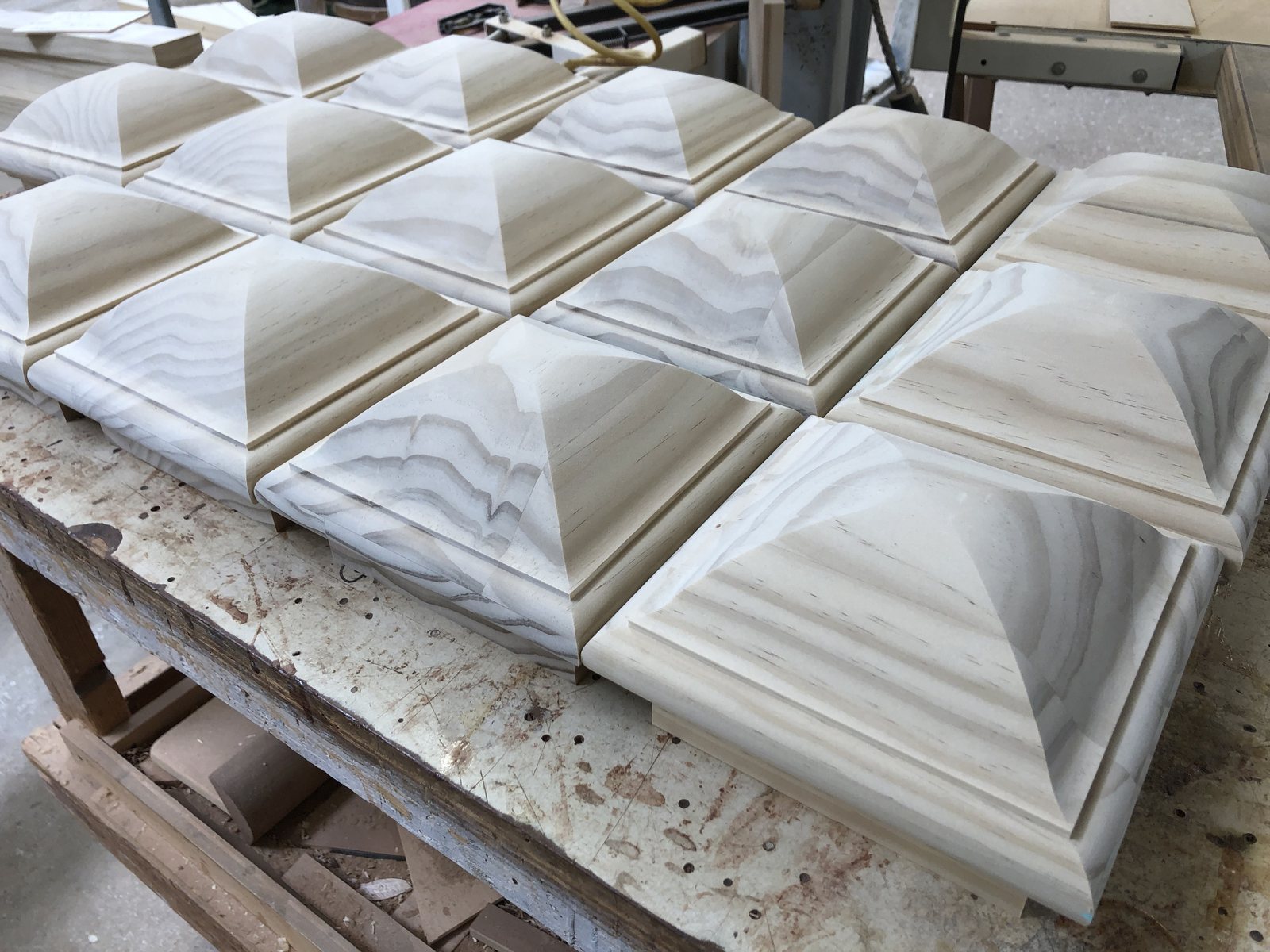
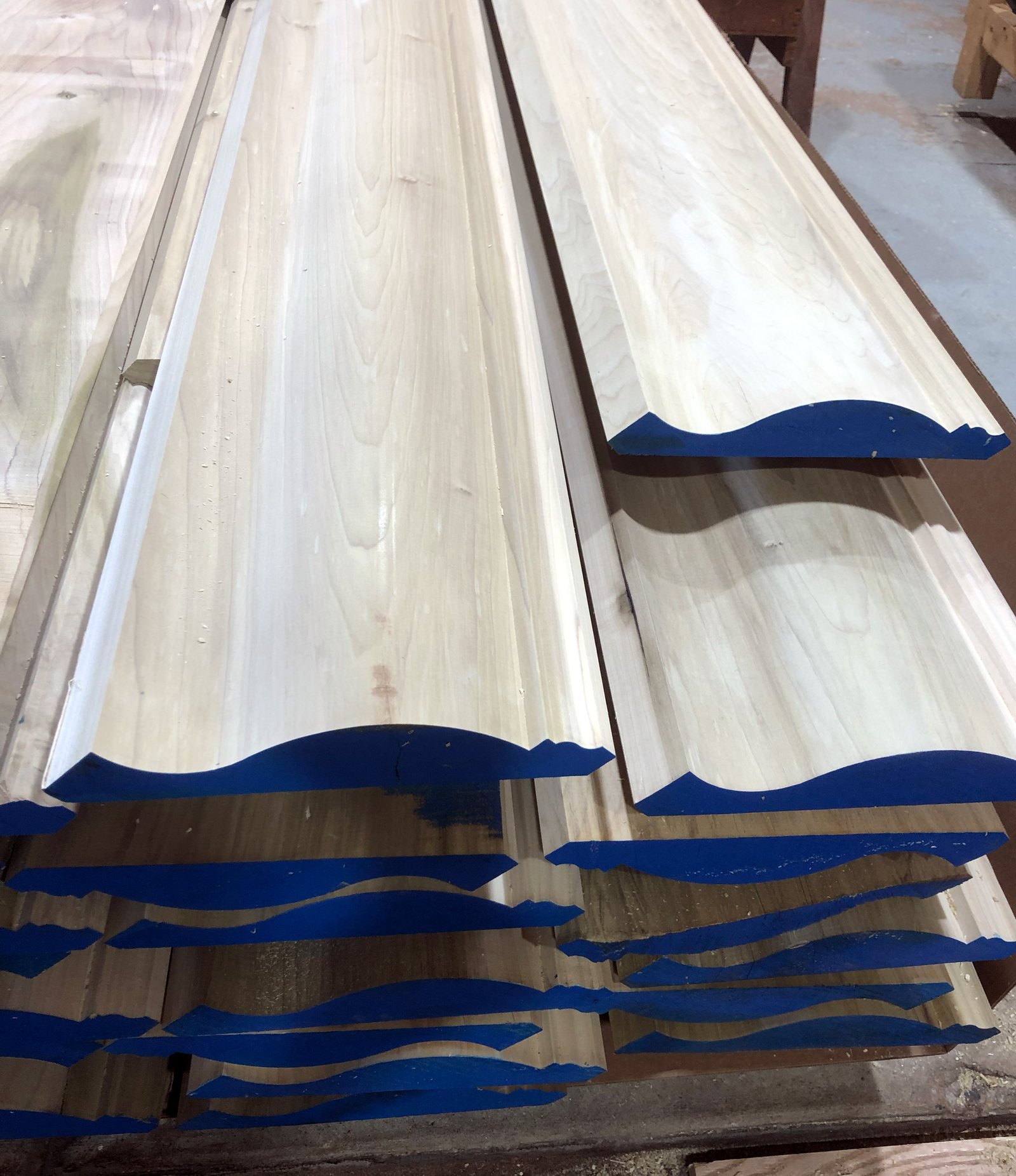
Then the profile itself. J. Gibson McIlvain keeps a profile library holding thousands of ground knives and grinds new knives every week, so a historical restoration profile lifted off a salvaged piece and a contemporary profile taken off a section drawing both get matched rather than approximated. Send the sample or send the section. The knife follows the drawing, and the record stays on file for the next phase.
Then moisture content and finish. Exterior millwork is milled to an in-service moisture content near 12 to 16 percent, interior millwork near 6 to 8 percent. Call out the priming level, the system, oil based or water based, and all six faces. The millwork service side handles the moulders, the straight line and gang rip saws, the band resaws and the trimming saws that get a profile from a cut list to a crated bundle.
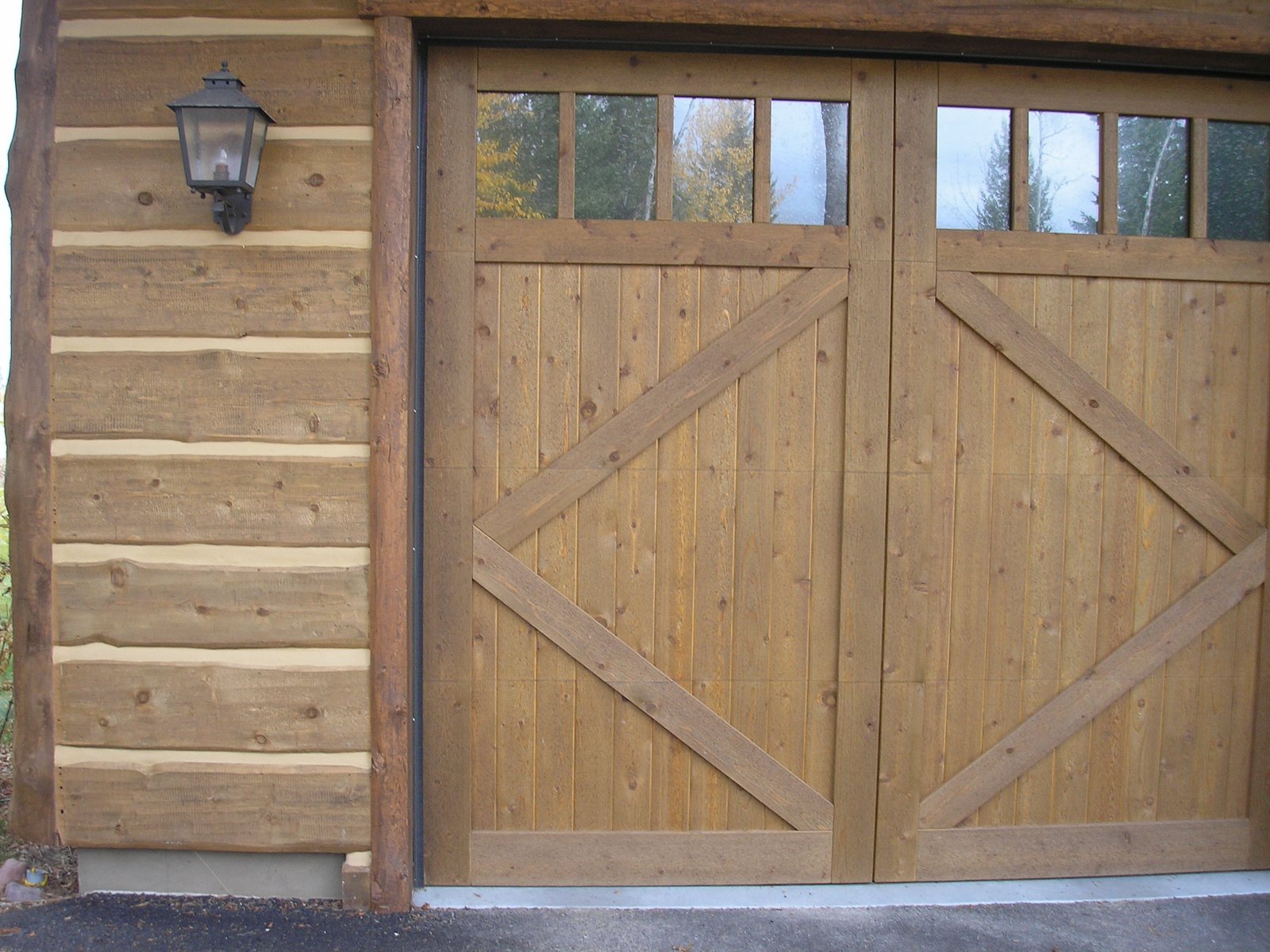
Then the components that are not linear runs. ICD, the architectural millwork division, builds gates, box beams, custom doors, shutters, radius trimwork, pergolas, benches and railings, which puts the profiled runs and the built up assemblies on the same order. Box beams carry a real joinery decision, where butt joints are fastest and most minimal but weakest and leave visible seams and end grain, dado joints are strong and still easy to assemble on site but still show seams and end grain, and lock miter joints show no seams and are the strongest of the three.
Last, the paperwork the installer needs in hand. End sealer type, fastener metallurgy, back ventilation gap, coating system and the manufacturer's warranty conditions all travel with the material, because the crew on site owns the detailing that keeps the warranty alive. Industry profile and tolerance conventions published by the Wood Moulding and Millwork Producers Association and the weathering test methods behind most manufacturer claims, which are ASTM standards, are both worth reading before a performance number gets accepted at face value.
To work out a modified wood exterior trim package, call the J. Gibson McIlvain millwork team at 800-638-9100, or look at how a custom build gets sequenced at the ICD working process. Bring the elevations, the longest and widest pieces, and the paint color. Those three things settle most of the material decision in a single conversation.
Frequently Asked Questions
For painted exterior trim, is Accoya or thermally modified wood the better choice?
Accoya has the edge on wide, deep and heavily exposed sections because acetylation cuts dimensional movement further than thermal modification does, and a coating fails when the board under it moves. Accoya also stays light in color all the way through, so a worn edge on a white scheme does not read as a dark line the way it does on thermally modified stock. Thermally modified Thermory and Abodo Vulcan hold paint well and are a sound choice on narrower trim, battens, casing and soffit boards. Where the finish is clear or a penetrating oil rather than paint, the uniform coffee brown of a thermally modified board is usually the look a specifier wants.
How long can I get Accoya, Thermory or Abodo Vulcan?
All of them top out around 16 ft, and most of the stock is sold on metric lengths that land just under 16 ft. The limit comes from the size of the acetylation reactor and the thermal kiln, not from the tree. A fascia or band course longer than that needs a scarf joint designed on the drawing. Where an unbroken run matters more than the stability gain, an unmodified species with genuinely long stock is the better specification.
Can I get thermally modified Ash in a wide board?
No. Thermally modified Ash is not available wider than 8 inches. If the detail calls for a wide board in a modified product, the answer is Accoya or Abodo Vulcan, both of which come in wider sections. A drawing that shows a 1x10 thermally modified Ash band board is specifying something that cannot be supplied at any lead time, so it is worth catching before the submittal goes out.
Is thermally modified wood safe in ground contact?
Acetylated wood and thermally modified wood behave differently below grade, and the two should not be treated as interchangeable there. Accoya carries manufacturer use class ratings that extend to ground contact service, documented on the manufacturer's technical sheets. Thermally modified wood does not carry the same claim. On either material the better detail is the traditional one, which keeps wood up off soil, stands posts on a standoff base, and gives the bottom end a path for water to leave.
Can I get a warranty on painted exterior trim?
Only on a modified product. It is not possible to warranty solid unmodified wood, which is an organic material responding to its environment. Accoya, Thermory and Abodo Vulcan all come with manufacturer warranty terms, and those terms are conditional on end sealing, fastener type, coating system and the ventilation gap behind the board following the written instructions. Read the remedy clause alongside the term length, since a warranty does not cover the labor to tear off and rehang an elevation.
Should I stop specifying cedar for painted trim?
No. Cedar is the default cladding species for most contractors and it rarely fails. The more useful decision is the grade call rather than the species call. CVG, clear vertical grain, is the stock for painted and clear finished work where the surface has to stay flat, while STK, select tight knot, is a sound grade and a different product with knots that behave like knots under paint. Most cedar failures trace back to an unprimed back face, a missing drainage gap or a dark color on an unventilated south wall.
Why does a millwork shop recommend Sapele instead of Genuine Mahogany or a tropical decking species?
For painted exterior trim Sapele holds paint better than Genuine Mahogany and comes in a wider range of sizes and longer lengths, which is why it gets specified first. Sapele is not milled 1x8 for exterior use, since that width is too wide to stay stable in that service. The tropical decking species such as Ipe, botanically Tabebuia spp, along with Cumaru, Garapa, Jatoba and Red Balau, are extremely hard and carry high oil content that makes them difficult to glue, so a millwork house reaches for Sapele, Iroko, Afrormosia, Teak or Utile on milled and glued components instead.
Does modified wood trim come primed, and does priming change how it holds paint?
J. Gibson McIlvain primes exterior millwork in oil based or water based systems, with a fungicide additive in the coating on exterior work, and primes all six faces where the detail calls for it. Open-grained and oily species absorb a great deal of finish, so a primer coat evens out the eventual painted surface, and sanding or buffing after priming knocks back grain raising while keeping moulded detail crisp. Priming the back face is the step most often skipped on site and the one that most often shows up later as a coating failure. Call 800-638-9100 to set the priming level with the order.
Sources and Standards Referenced
- Wood Handbook, Wood as an Engineering Material, USDA Forest Products Laboratory
- Accoya Acetylated Wood, Technical Information
- Thermory Thermally Modified Wood
- American Wood Council, Codes and Standards
- Rain Control in Buildings, Building Science Corporation Digest BSD-013
- Wood Moulding and Millwork Producers Association
- ASTM International Standards
- J. Gibson McIlvain Millwork Service