Why Modified Wood Stops Near 16 ft
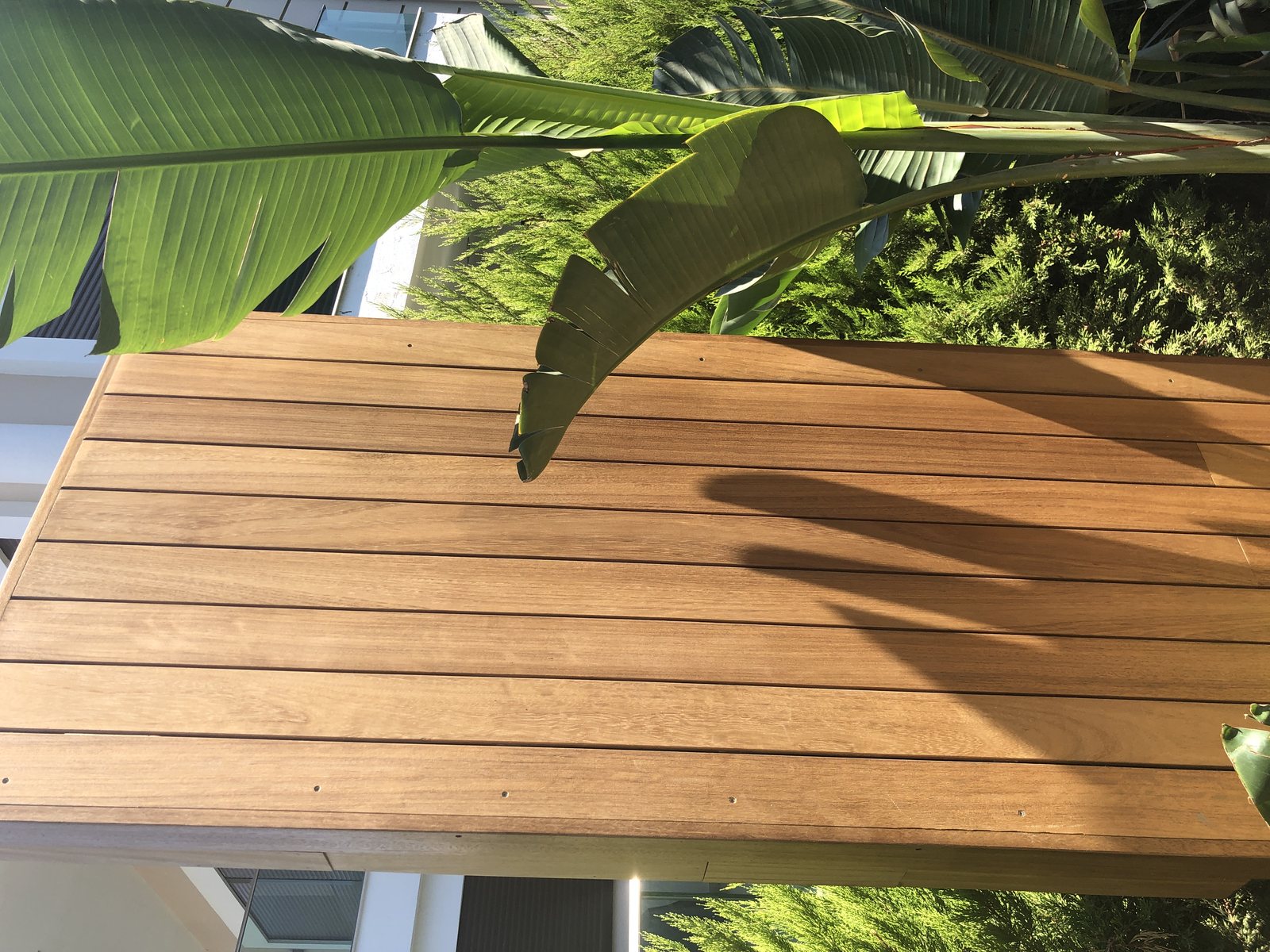
Every modified wood product on the market tops out around 16 ft, and the limit comes from the kiln, not the tree. Modification is a batch process that happens inside a sealed vessel. Accoya runs through an acetylation reactor. Thermory and Abodo Vulcan run through a low oxygen thermal kiln. Both chambers are a fixed interior length, boards are loaded as full packs, and nothing longer than the chamber comes out the other end.
That makes the length ceiling a manufacturing fact rather than a sourcing problem. Switching brands does not move it. Switching distributors does not move it. A buyer who has been told that some other yard can supply a 20 ft acetylated board is being told something the process does not allow.
J. Gibson McIlvain stocks Accoya, Thermory and Abodo Vulcan at the Maryland yard and sells all three against the same ceiling. The useful conversation is not how to beat 16 ft. It is how to lay out an elevation so the ceiling never shows.
Metric Lengths and the Cut List Problem
Most modified stock is sold on metric lengths that land just under 16 ft, which means a clean 16 ft imperial call-out is the one length nobody can fill. The long end of most packs sits near 4.8 m. Convert that and you get slightly less than 15 ft 9 in. Close enough to look like 16 ft on a schedule. Not close enough to span a 16 ft opening.
This is where a good drawing set saves a week. A designer who writes 16 ft runs on an elevation schedule has written a dimension that will arrive three inches short on every piece, and the shortage gets discovered on the ground with the crew standing there. Converting the schedule to metric before the order goes out removes the whole problem.
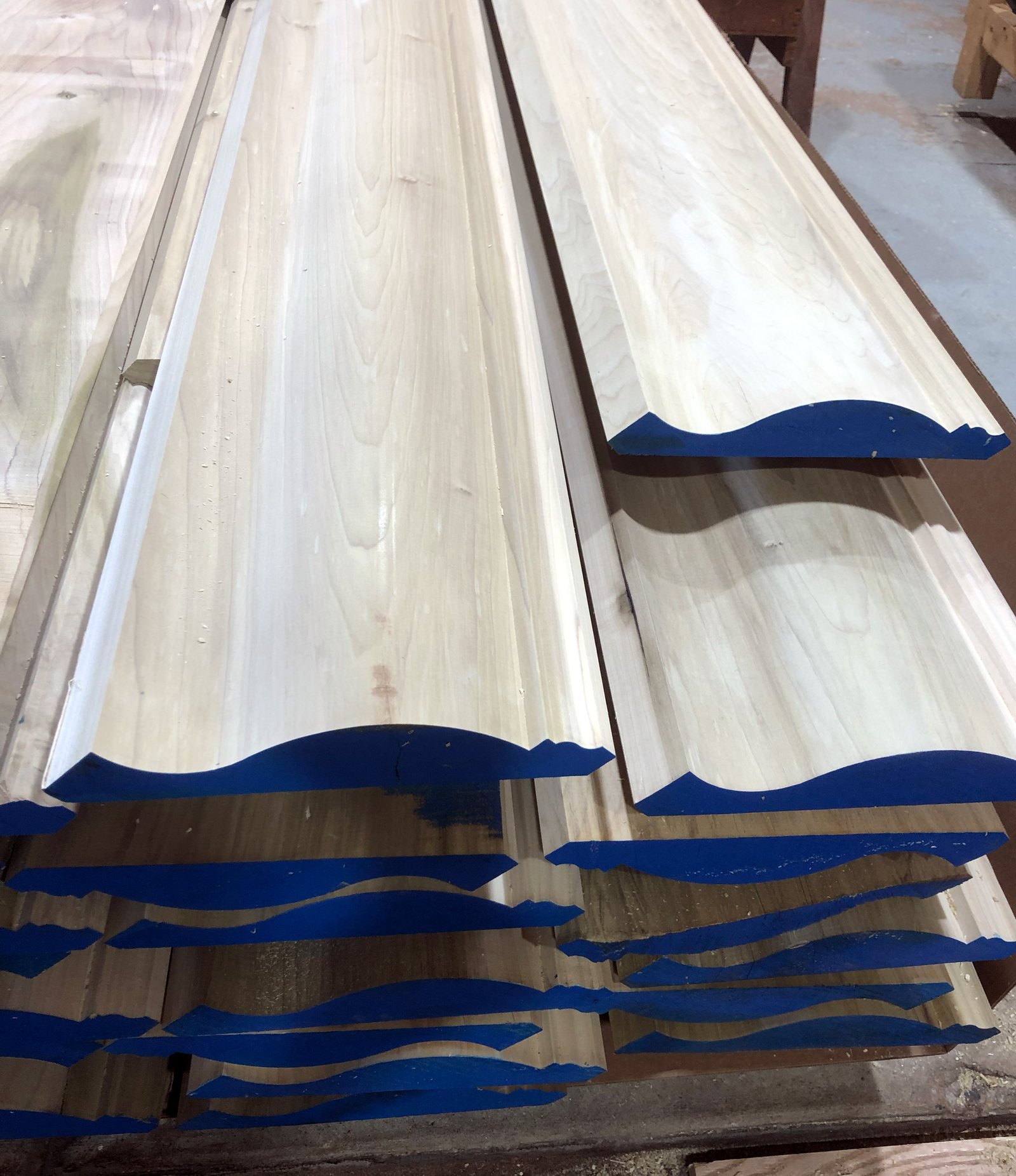
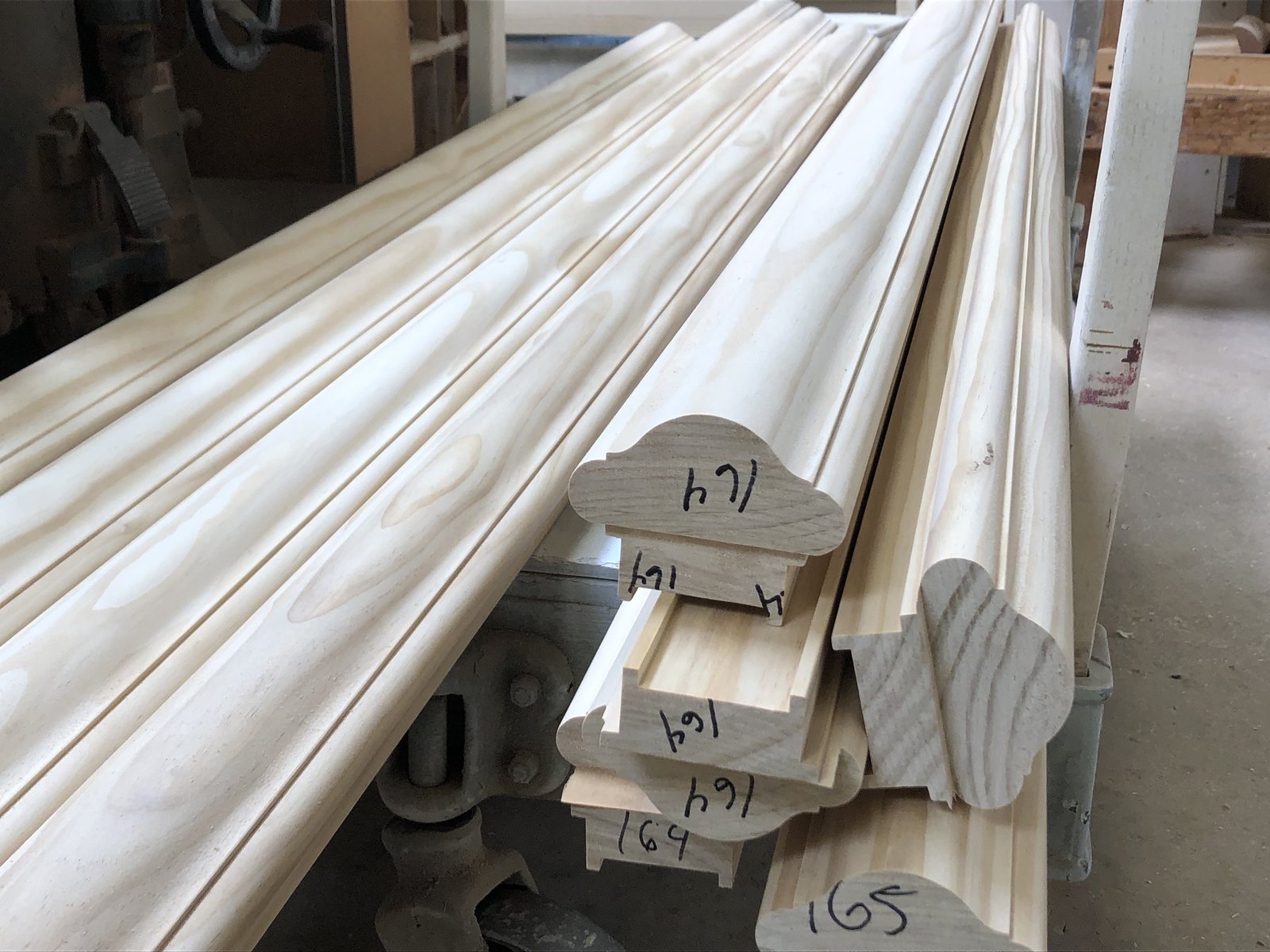
J. Gibson McIlvain mills those metric boards into linear trimwork, finished cladding and primed trim, and the cut list it works from is the one the drawing gives it. Give it metric lengths and the yield math holds. Give it imperial lengths that assume a board which does not exist and the yield math collapses on the first course.
Width Is the Tighter Limit on Thermally Modified Ash
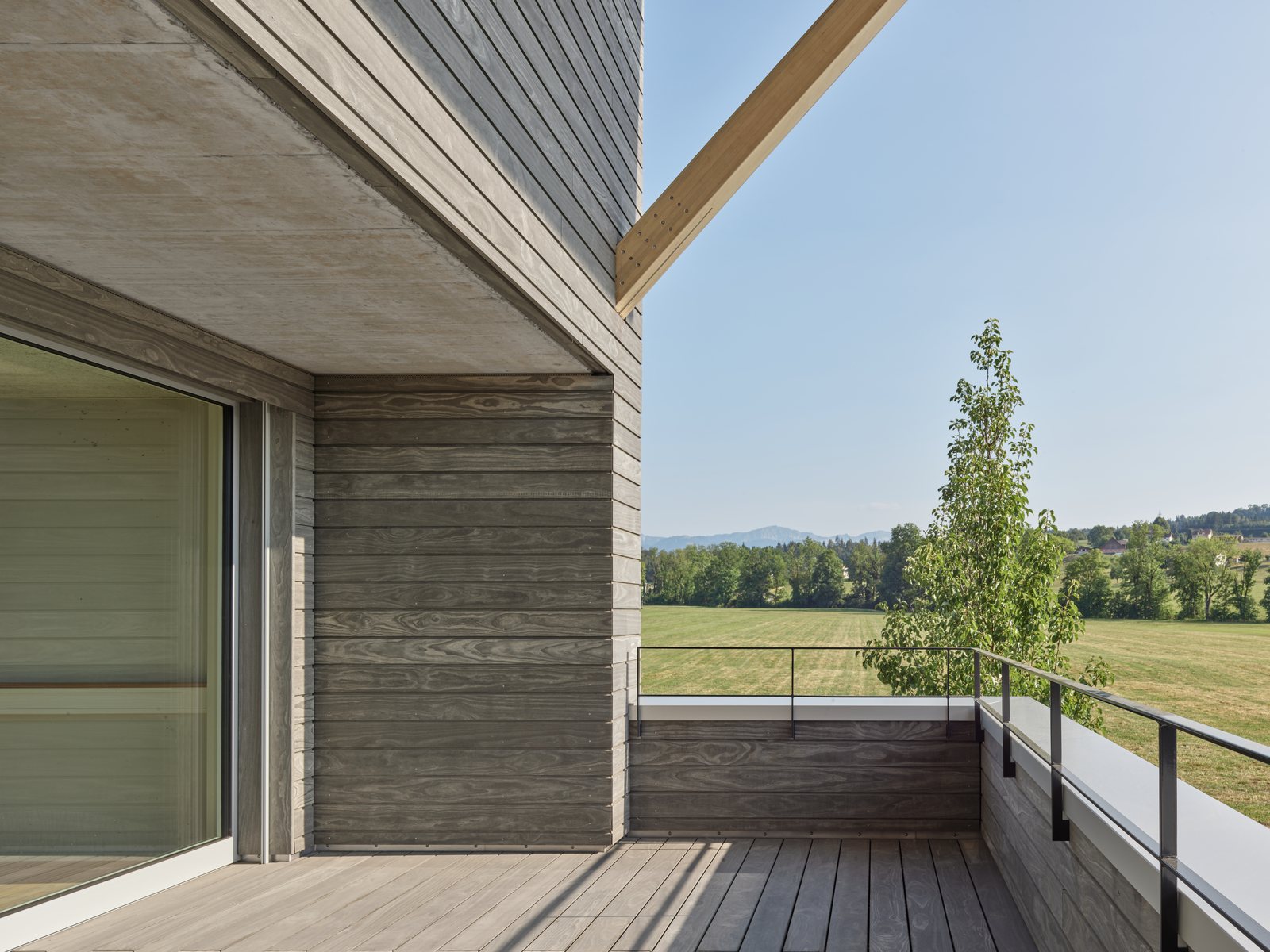
Thermally modified Ash is not available wider than 8 inches, so a wide exterior board in a modified product means Accoya or Abodo Vulcan. Ash is a ring porous hardwood that degrades at the margins under thermal treatment, and the wider the face, the more of that degrade shows up as checking and end splitting. The mills that produce it have settled on narrow stock for good reason.
Plenty of elevations get drawn with a 10 in or 12 in face. Rainscreen details with a deep reveal, soffit boards, fascia on a heavy cornice. None of that gets built in thermally modified Ash. The move is to change product, not to chase a supplier who claims to have the wide material.
Accoya starts life as a softwood blank that comes in wider sizes before acetylation, and Abodo Vulcan comes out of a plantation species that mills to wider faces. Both carry the width an architect usually wants on a board that reads as a plank rather than a strip. The length ceiling still applies to both.
Acetylation and Thermal Modification Buy Different Things
Accoya is acetylated rather than heat treated, and that one difference changes the dimensional math, the hardness and what a warranty will cover. Acetylation reacts the wood's hydroxyl groups with acetic anhydride, which takes away most of the sites that bind water. The result is dramatically reduced shrinkage and swelling across the grain, and a board that holds a painted joint through a wet spring far better than the unmodified version of the same species.
Accoya also runs around 1,600 lbf on the Janka scale, which puts it above White Oak at roughly 1,360 lbf and above Sapele at roughly 1,410 lbf. That matters on a horizontal surface somebody walks on or leans a ladder against. For reference values on unmodified species, the Wood Database and the USDA Forest Products Laboratory are better sources than a manufacturer sheet.
Thermal modification works differently. Heat and low oxygen degrade the hemicellulose in the cell wall, which strips out the sugars decay organisms eat and locks the board into a narrower moisture range. It buys decay resistance and stability. It costs toughness and bending strength. Thermally modified stock is more brittle than the same species untreated, and it does not carry published structural design values the way framing species do.
A spec writer hunting for allowable bending or shear values will not find them in the American Wood Council design standards, since the modified product is not in there. Treat it as cladding and trim. Do not treat it as a beam.
Below grade is where the two processes part company hardest. Accoya carries manufacturer coverage that reaches in-ground use. Thermally modified wood does not behave the same way under constant soil moisture and should not inherit that claim by association. Post bases, pier sleeves and anything buried need the acetylated product or a different material entirely.
The three modified products J. Gibson McIlvain carries sort by width and by exposure rather than by which one is better, and a long exterior run usually needs more than one of them. None of the three gets a longer length by paying more for it, and none of the three carries a structural rating.
| Product | Modification | Practical length ceiling | Width range | Where it belongs on an exterior run |
|---|---|---|---|---|
| Accoya | Acetylated, not heat treated | Around 16 ft, sold on metric lengths just under it | Narrow through wide faces | Painted trim, wide boards, components with an in-ground condition |
| Thermory thermally modified Ash | Thermal, hemicellulose degraded under heat and low oxygen | Around 16 ft, sold on metric lengths just under it | Not available wider than 8 inches | Cladding strips, decking, narrow rainscreen profiles above grade |
| Abodo Vulcan | Thermal, hemicellulose degraded under heat and low oxygen | Around 16 ft, sold on metric lengths just under it | Narrow through wide faces | Wide cladding, soffit and fascia where a modified product is specified above grade |
Laying Out a Long Run Against the Ceiling
A 40 ft elevation in modified wood is a joint problem, and the joint plan belongs on the drawing before anybody orders material. Two approaches work. Random length cladding with staggered end joints hides the breaks in a pattern the eye reads as intentional. Fixed length coursing with every joint landing on a planned line reads as architecture, but it wastes more material and it demands a cut list that respects the metric reality.
End joints need backing. A butt joint floating between furring strips will open as the boards move and it will telegraph in raking light. Land each joint over solid blocking, or detail a scarf with a shallow angle so the seam closes rather than gaps. Keep joints off the plane the eye travels first.
One real advantage of modified wood on a long run is that the modification goes all the way through the board. A field cut does not expose an untreated core the way a cut into pressure treated lumber does, so the installer can trim ends on site without compromising decay resistance. End coating is still worth doing for the paint system's sake.
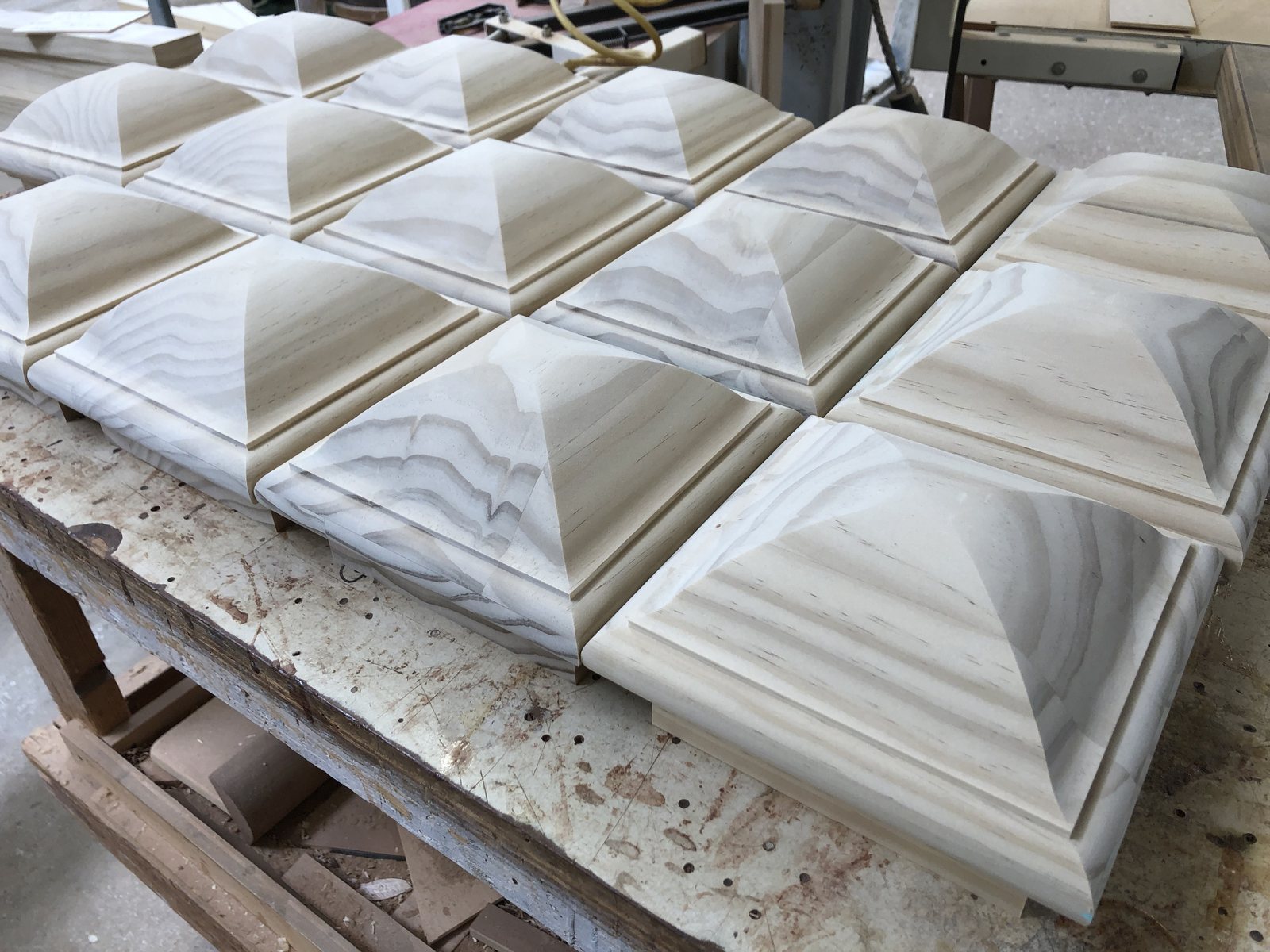
ICD, the architectural millwork division of J. Gibson McIlvain, builds rafter tails, gates, box beams, pergolas, shutters and railings from these same materials, and every one of those components lives under the same 16 ft ceiling. A pergola rafter that wants to run 18 ft gets redesigned around a joint or gets built from something unmodified. The ICD exterior millwork drawings are planned around stock length from the first sketch, which is why they come back buildable.
When the Run Needs More Than 16 ft
Past 16 ft the answer is not a different modified brand, it is unmodified hardwood in a species that comes long. The millwork palette for exterior work is Sapele, Iroko, Afrormosia, Teak and Utile. Those five mill clean, glue reliably and arrive in a range of sizes and lengths the modified products cannot touch.
For painted exterior trim, Sapele beats Genuine Mahogany. It holds paint better and it comes in a wider range of sizes and longer lengths, and at roughly 1,410 lbf on the Janka scale it is substantially harder than Genuine Mahogany at roughly 800 lbf. One caution. Sapele is not milled 1x8 for exterior use, since that width is too wide to stay stable outdoors.
The tropical decking species sit in a different category. Ipe, botanically Tabebuia spp, along with Cumaru, Garapa, Jatoba and Red Balau, are extremely hard and carry high oil content, which makes them difficult to glue. A millwork house reaches for Sapele, Iroko, Afrormosia, Teak or Utile when a component has to be machined, glued or moulded, and leaves the decking species for actual decking.
Understand what you give up when you leave the modified products behind. Warranties exist on modified wood and on nothing else. It is not possible to warranty solid unmodified wood, an organic material that keeps responding to its environment for as long as it is in service. That is not a dodge. It is an accurate description of what wood does.
Where Cedar Is Still the Right Call
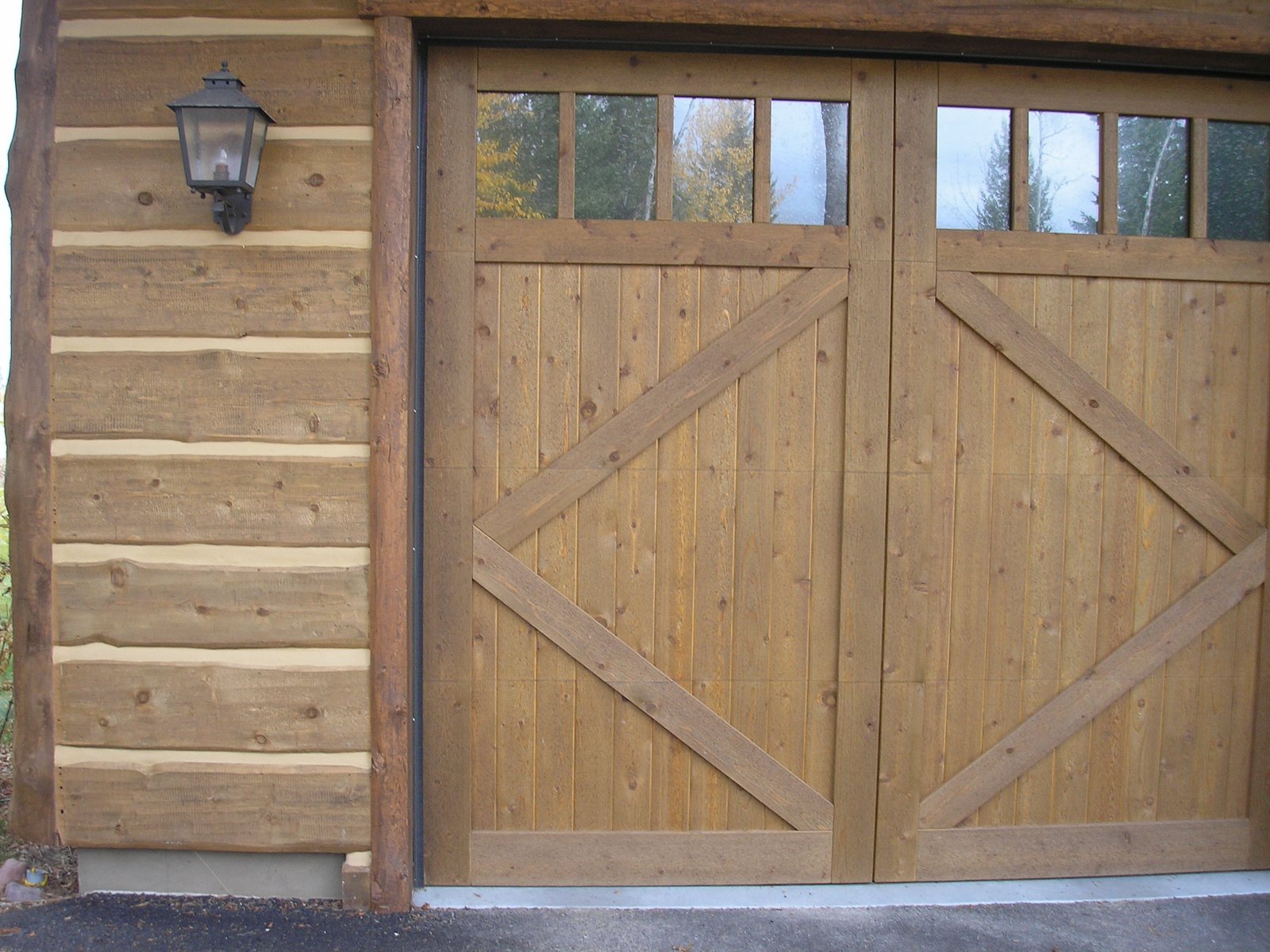
Cedar remains the default cladding species for most contractors and it rarely fails, so the honest question on a long run is usually the grade, not the species. Cedar also comes in lengths that run past the modified ceiling, which quietly solves the problem this whole article is about on a great many jobs.
The grade call carries more weight than the species call. CVG, clear vertical grain, gives a tight uniform face with no knots to bleed through a light paint, and the vertical grain orientation moves less across the width than flatsawn stock. STK, select tight knot, gives a knotty face that reads warm under a stain or a solid body finish and costs less in material yield. Both perform. They do not perform the same job.
Specify CVG where the finish is paint, where the reveal is tight, and where a run of boards has to read as one surface. Specify STK where the look is rustic and the finish is penetrating. A spec that calls for cedar without naming a grade has handed the most consequential decision to whoever is buying.
Milling, Priming and What Arrives Ready to Hang
J. Gibson McIlvain primes exterior trim in three levels, in oil based and water based systems, with a fungicide additive on exterior work. A primed board that arrives on site and gets hung the same week never sits in the weather pulling water through raw faces, and on a long run that staging advantage compounds across every course.
Open-grained and oily species absorb a great deal of finish, so a primer coat evens out the eventual painted surface rather than leaving it blotchy where the grain drinks unevenly. Thermally modified Ash is ring porous and open grained. Iroko and Teak carry natural oils. Both conditions reward a primer applied in the shop under controlled conditions instead of in a driveway in August.
Sanding or buffing after priming matters as much as the primer itself. It knocks back the grain raising the first coat lifts, and it does that without rounding over the moulded detail a profile was ground to produce. J. Gibson McIlvain resaws, rips and moulds the blanks in house, so priming happens on a profile the same shop just cut rather than on something that arrived from elsewhere already out of tolerance.
Exterior millwork is milled to an in-service moisture content near 12 to 16 percent, against 6 to 8 percent for interior work. That difference exists so a board reaches equilibrium with outdoor humidity instead of swelling after installation. For the physics behind that number, Building Science Corporation has the clearest public material on wood and moisture in building enclosures.
Ordering a Long Run Around a Phase Schedule
A long exterior run almost never gets installed in one pass, so the order has to be sized to the whole elevation and released to the phase that is actually ready. Ordering phase by phase is how a job ends up with two color batches of thermally modified Ash on the same wall, since the thermal process produces a color that varies from kiln run to kiln run.
J. Gibson McIlvain stores finished millwork for inventory control, which lets a buyer commit to the full elevation at one time and take delivery in pieces as the building catches up. The whole run comes from one production batch. The color matches across every course. Nobody ends up in front of a punch list item that exists only because material arrived six weeks apart.
Depth of inventory is what makes that work. J. Gibson McIlvain holds over seven million board feet of exotic and domestic lumber at the Maryland yard and ships nationwide, so one production batch stays one batch even on a job three time zones away. Milled and primed material travels better than raw stock does, and a staged release keeps finished faces out of a job trailer for months at a stretch.
"The length question comes up on nearly every modified wood quote we write, and the answer never changes. We would rather spend twenty minutes on the phone reworking a joint plan around what the kilns actually produce than ship a buyer material that is three inches short on every piece."
Norm Moton, Director of Sales, J. Gibson McIlvain
Cupping, Back Ventilation and What Length Will Not Fix
Cupping is driven by installation and back ventilation, not by species, so a 16 ft limit and a cupping complaint are two separate conversations. A board that dries faster on one face than the other will cup. That is true of Accoya, of thermally modified Ash, of Abodo Vulcan, of cedar and of Sapele.
What prevents it is an assembly that lets both faces see similar conditions. A drained and vented rainscreen cavity behind the cladding. Fasteners sized and placed to allow movement rather than restrain it. A finish applied to all faces, not only the one the architect looks at. Those are detailer and installer decisions, and they are where most cladding complaints actually originate.
What the shop controls is what arrives. Consistent thickness so the fastener pattern sits flat. Moisture content in the right range for the exposure. A primed back face where the detail calls for one. Profile and tolerance conventions are published by the Wood Moulding and Millwork Producers Association, and the coating and weathering test methods behind most manufacturer durability claims are ASTM standards worth reading before accepting a performance number at face value.
How J. Gibson McIlvain Would Specify This
Specify the length in metric, pick the product by width and exposure, plan the joints on the drawing, and buy the elevation in one batch. That sequence turns the 16 ft ceiling from a surprise into a parameter.
Start with the widest board on the elevation. If anything exceeds 8 inches on the face, thermally modified Ash is out and the choice narrows to Accoya or Abodo Vulcan. If any component sits in or against soil, Accoya is the only modified option that carries that claim. If a single run has to span past 16 ft with no joint at all, the specification moves to Sapele, Iroko, Afrormosia, Teak or Utile, and the warranty question changes with it.
Then write the cut list in metric. Note on the drawing which end joints land on blocking and which land on a scarf. Decide whether the courses are random length or fixed, because that one decision changes the quantity on the order by a real margin. Settle the priming level and the system, oil based or water based, before the material is milled rather than after.
For linear trimwork, finished cladding and primed stock, J. Gibson McIlvain mills to the submitted cut list off its millwork service. For true custom components built around a specific elevation, rafter tails, gates, box beams, pergolas, shutters and railings, ICD, the company's architectural millwork division, builds from the same stock under the same length limit. Send the elevation, the widest board on it and the exposure condition, and the quote comes back naming the products that can actually do the work. Call 800-638-9100 to reach the lumber sales desk.
Frequently Asked Questions
What is the longest board available in Accoya, Thermory or Abodo Vulcan?
All three top out around 16 ft, and most of what is sold arrives on metric lengths that land just under that figure, with the long end of most packs near 4.8 m. The limit is set by the interior length of the acetylation reactor and the thermal kiln, so it is identical across brands and across suppliers. Anyone offering a 20 ft modified board is describing something the process cannot produce. J. Gibson McIlvain stocks all three products at its Maryland yard and quotes them against that same ceiling.
I need a 12 inch wide modified board for a fascia run. What can I use?
Accoya or Abodo Vulcan. Thermally modified Ash is not available wider than 8 inches, since the wider the face, the more thermal degrade shows up as checking and end splitting. Accoya begins as a softwood blank that comes in wider sizes before acetylation, and Abodo Vulcan mills from a plantation species that holds a wider face. The 16 ft length ceiling still applies to both, so a wide board does not buy you a longer one.
Can thermally modified wood be used in ground contact the way acetylated wood can?
No, and the two should not be blurred together. Accoya carries manufacturer coverage that reaches in-ground use. Thermally modified wood behaves differently under constant soil moisture and does not inherit that claim by association. Post bases, pier sleeves, gate posts and anything buried need the acetylated product or a different material entirely. Above grade, all three modified products perform well as cladding and trim.
What do I specify when a single exterior run has to span more than 16 ft with no joint?
Move off the modified products and into unmodified hardwood that comes long. The exterior millwork palette is Sapele, Iroko, Afrormosia, Teak and Utile, and those species mill clean, glue reliably and arrive in a wider range of sizes and lengths. For painted exterior trim, Sapele is the better call than Genuine Mahogany, since it holds paint better and comes longer, at roughly 1,410 lbf on the Janka scale against roughly 800 lbf. Note that Sapele is not milled 1x8 for exterior use, since that width is too wide to stay stable outdoors. The trade is the warranty, which exists on modified products and on nothing else.
Why can a modified wood product be warrantied when solid wood cannot?
Modification changes the chemistry of the cell wall, which is why the manufacturer is willing to stand behind a performance window. Acetylation blocks most of the sites that bind water. Thermal modification degrades the hemicellulose that decay organisms feed on. Unmodified solid wood is an organic material that keeps responding to its environment for as long as it is in service, and it is not possible to warranty that. The honest answer on unmodified stock is species selection, grade selection, moisture content and a detail that lets the board move.
Is modified wood strong enough to use as a structural member on an exterior run?
No. Thermal modification buys decay resistance and stability and it costs toughness and bending strength, which leaves thermally modified stock more brittle than the same species untreated. None of the modified products carry published structural design values the way framing species do, so an engineer will not find allowable bending or shear numbers for them in the American Wood Council standards. Specify them as cladding, trim, decking and non load bearing components, and carry the structure in a material that has design values.
My last cedar cladding job cupped. Will a modified product fix that?
Probably not, because cupping is driven by installation and back ventilation rather than by species. Any board that dries faster on one face than the other will cup, and that is as true of Accoya and thermally modified Ash as it is of cedar or Sapele. The fix lives in the assembly, a drained and vented rainscreen cavity, fasteners placed to allow movement, and a finish applied to all faces instead of only the visible one. On cedar specifically, the grade call matters more than most people expect, with CVG, clear vertical grain, moving less across the width than flatsawn STK, select tight knot.
How do I keep color consistent across a long thermally modified run installed in phases?
Buy the whole elevation at one time and take delivery in stages. The thermal process produces a color that varies from kiln run to kiln run, so ordering phase by phase is the fastest way to end up with two color batches on one wall. J. Gibson McIlvain stores finished millwork for inventory control, which lets a buyer commit to the full quantity out of a single production batch and release it as the building catches up. Call 800-638-9100 to set that up before the first phase ships.
Sources and Standards Referenced
- Accoya Acetylated Wood, Technical Information
- Thermory Thermally Modified Wood
- USDA Forest Service, Forest Products Laboratory
- American Wood Council, Codes and Standards
- Building Science Corporation
- Wood Moulding and Millwork Producers Association
- ASTM International Standards
- The Wood Database, Species Reference Data
- J. Gibson McIlvain Millwork Service
- ICD Exterior Millwork