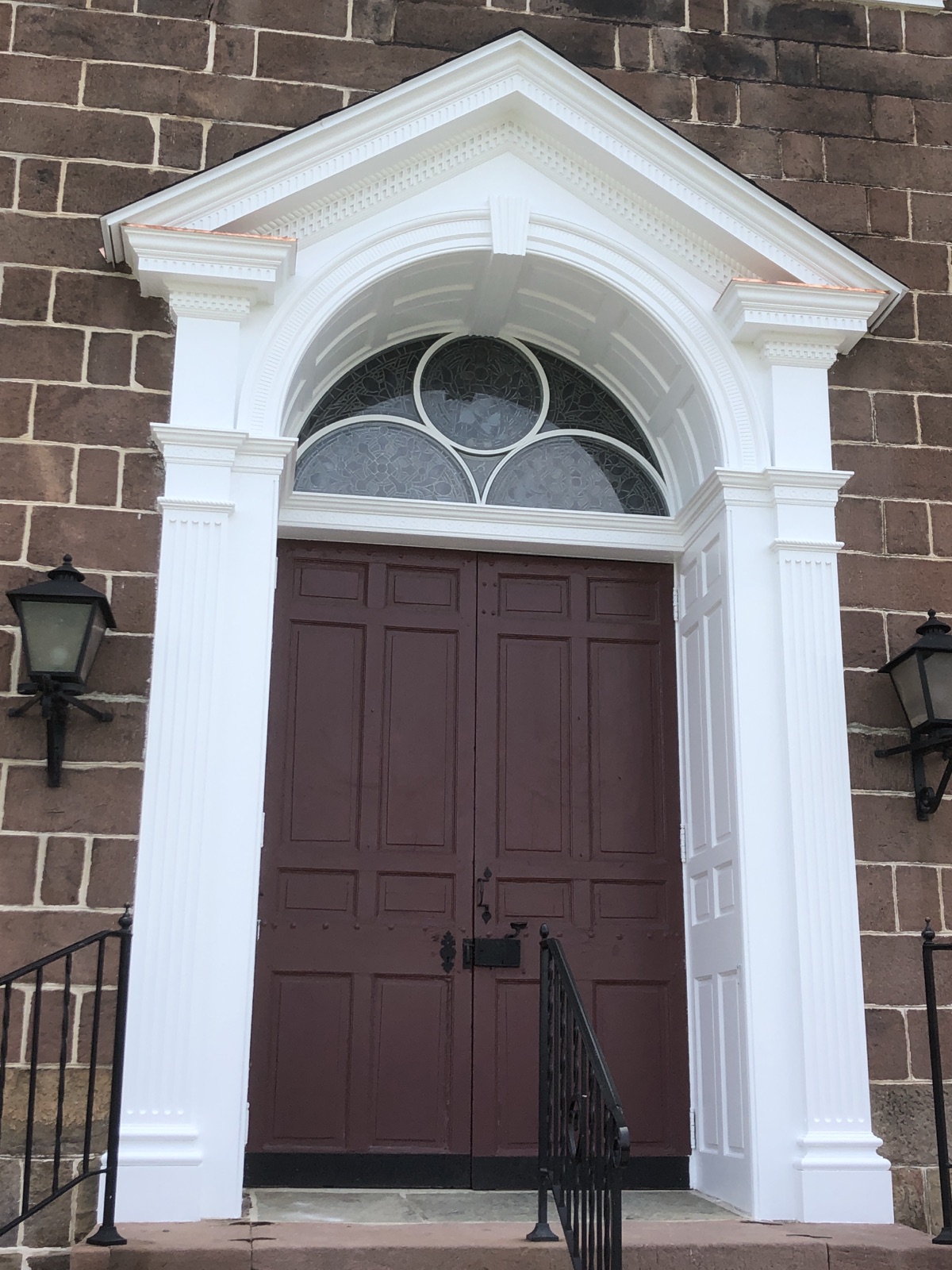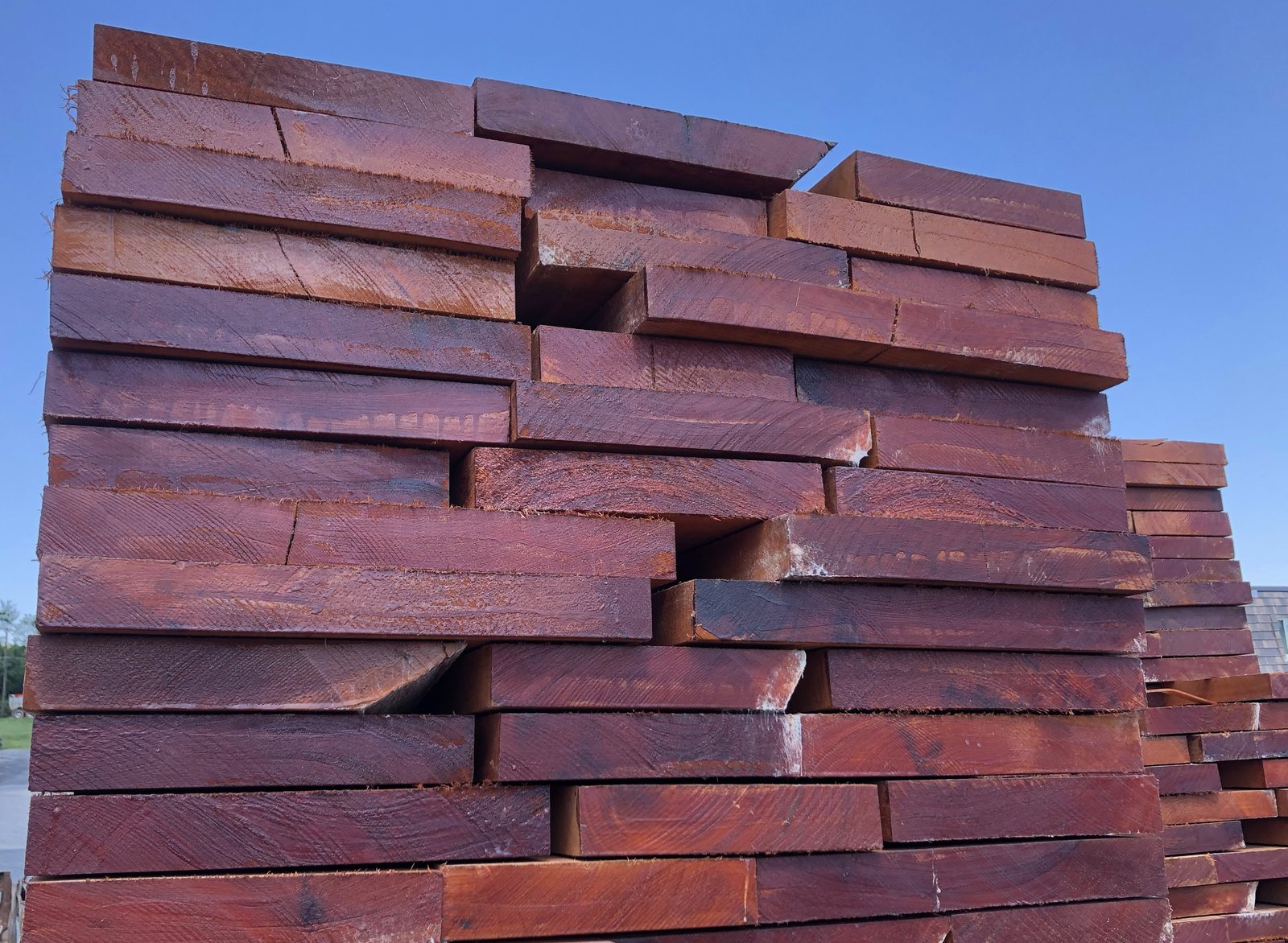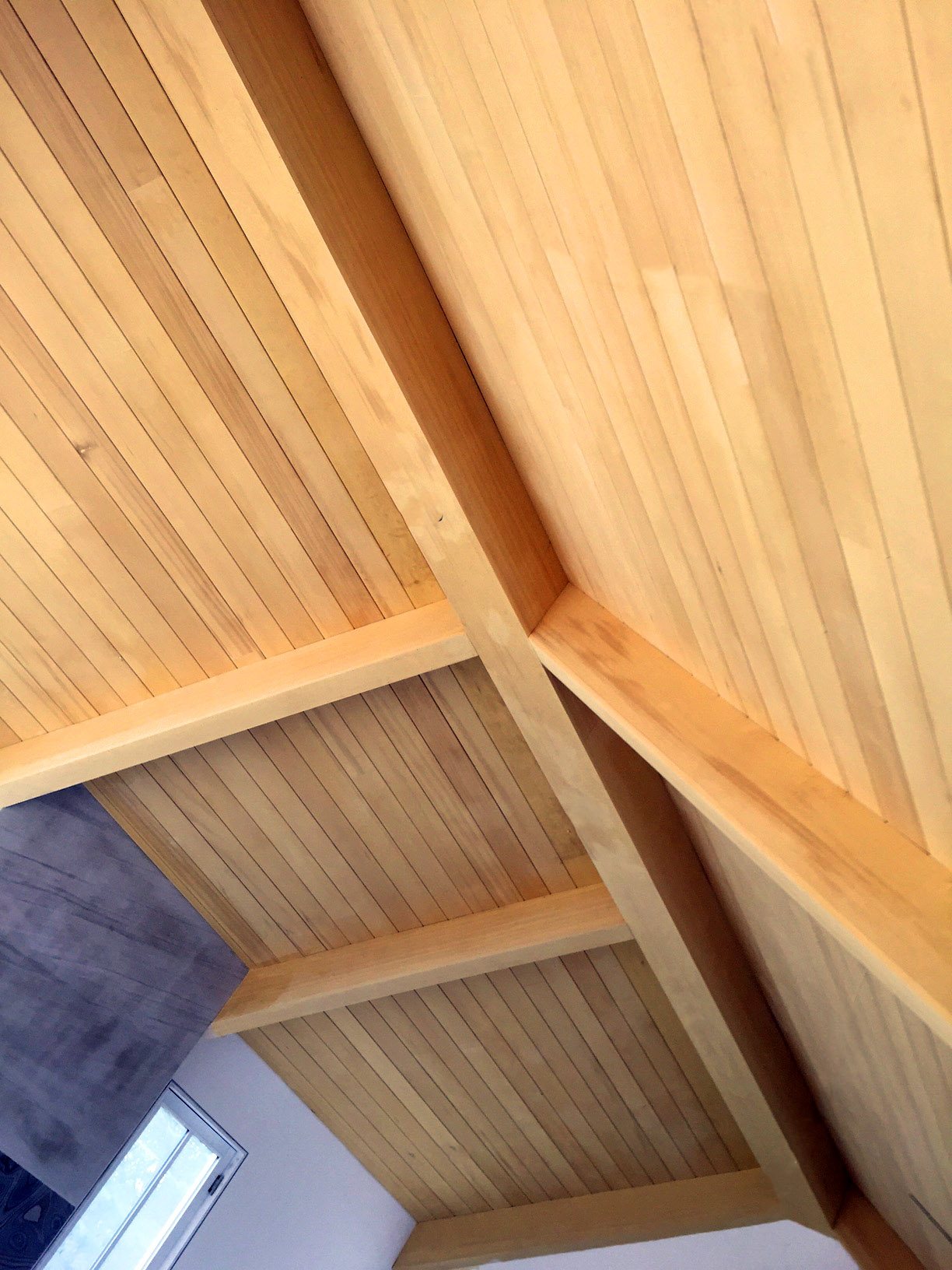
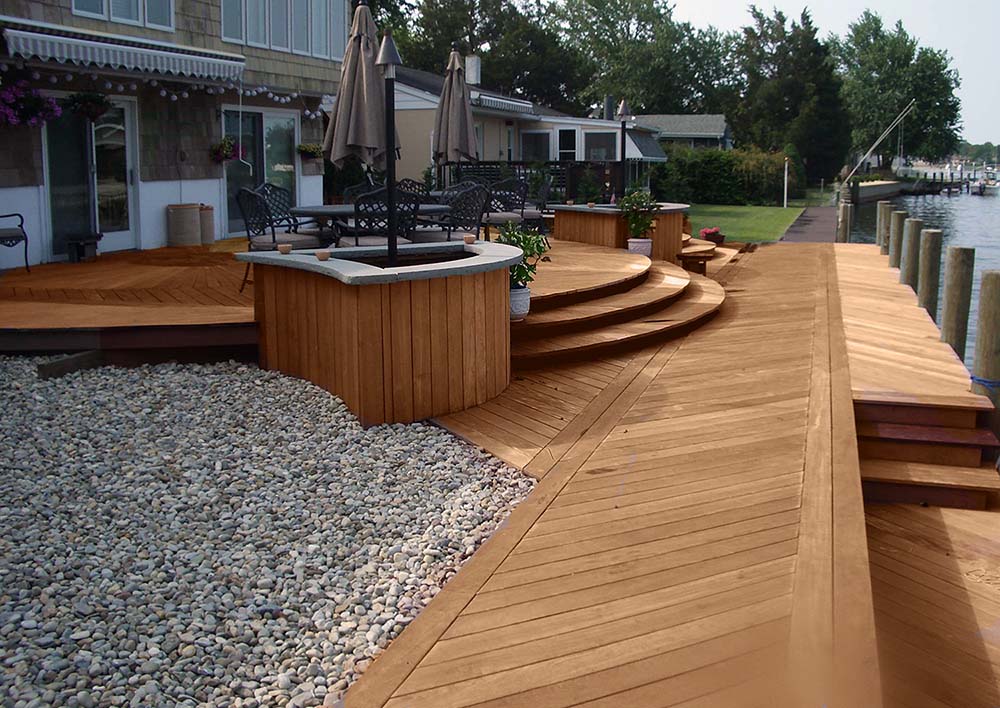
Step 1: Start With a Cut List
The order starts with the deck's dimensions and board layout, a cut list, because that is what lets a supplier optimize lengths to minimize waste and jointing. A rough square-footage number leads to over-ordering premium material and more offcuts. Providing the actual lengths needed lets the supplier pull boards that fit with the least drop. For help translating a deck into board footage, see our board feet guide. A footage-only number is a guess dressed up as a specification.
Step 2: Quote, Species, and Profile
The quote confirms the species, dimensions, profile, and any milling, so decisions like square-edge versus pre-grooved and standard versus custom width are made here, not after. This is where the choice between Ipe and a value species like Cumaru is settled, and where pre-grooving for hidden fasteners is specified. Pre-grooved and custom profiles require in-house milling, so they are part of the quote conversation. See our Ipe decking guide for the options. With the cut list in hand, starting a J. Gibson McIlvain quote is simple: call 800-638-9100 or use the contact form, and the conversation begins from real numbers instead of estimates. Once the quote is confirmed, the order moves into the yard for grading and drying.
| Step | What happens |
|---|---|
| 1. Cut list | Deck dimensions and lengths define the order |
| 2. Quote | Species, dimensions, profile, and milling confirmed |
| 3. Grading and drying | Matched, kiln-dried material pulled from inventory |
| 4. Milling | Pre-grooving or custom widths milled in-house |
| 5. Documentation | FSC and CITES paperwork prepared |
| 6. Delivery | Staged nationwide shipping to the jobsite |
Step 3: Grading, Drying, and Milling
Once confirmed, the supplier pulls matched, kiln-dried material graded for consistency and mills any pre-grooving or custom dimensions in-house. This is where inventory depth matters: a deep supplier fills the order in matched lengths and colors, while a shallow one substitutes. Kiln-drying to a stable moisture content is essential so the deck does not move after install. Legal-sourcing documentation, FSC and, for CITES-listed species, the required paperwork, is prepared alongside. Each of those steps consumes calendar days, which is exactly what the lead time conversation in the next step accounts for.
Step 4: Lead Time and Staged Delivery
Because grading, drying, and milling take time, an Ipe order needs lead time relative to the install date, and large orders can be staged to arrive in sequence. Planning the order date backward from the install avoids a schedule crunch. For a large deck or boardwalk, staged delivery keeps material arriving as the crew needs it without overwhelming the jobsite. J. Gibson McIlvain ships Ipe decking nationwide, including sequenced delivery for larger projects. Timing settles when the material arrives. A physical sample settles what arrives.
Samples and Grading Standards
On a significant decking order, approving a physical sample and defining the grade by that sample is how a buyer locks in the quality they will actually receive, rather than relying on a grade name alone. Tropical hardwood grades describe defect limits and appearance, but a sample makes the expectation concrete: color range, grain, and finish are agreed before the bulk material ships. This is standard practice on architectural and large orders and protects both sides.
Defining the order to a sample also anchors color sorting for species that vary, and it gives the crew a reference on delivery. Combined with the cut list and the confirmed profile, an approved sample turns the order into a clear specification. For how grading works across species, see our Ipe vs. Cumaru guide and the sourcing depth discussed in our complete Ipe decking guide. J. Gibson McIlvain can provide samples and grade the order to them, filling matched material from deep inventory and shipping nationwide. Grade names are abstractions. A board in your hand is not.
Lead Times, Seasonality, and Planning Your Order
Decking demand is seasonal, peaking in spring and summer, so ordering ahead of the building season shortens the wait and gives the supplier time to grade, dry, and mill the order properly. Because tropical hardwood is milled, graded, and kiln-dried rather than pulled off a rack, an order placed during peak season competes with many others, while one planned ahead moves through without a rush. For a large or custom order, that lead time is what allows optimization and matched material.
Planning the order date backward from the install date, and building in margin for milling any pre-grooving or custom sizes, keeps the project on schedule. For large jobs, staged delivery is arranged in the same planning conversation. Ordering off-peak or well ahead is the single easiest way to get exactly the material wanted without schedule pressure. J. Gibson McIlvain fills decking orders from deep inventory year-round and can plan lead time and staged delivery around a project's schedule, shipping nationwide. Lead time is cheap. A stalled crew is not. The document that turns all this planning into an order is the cut list itself, built out below.
Building a Complete Cut List
A complete cut list gives the supplier every length the deck needs, not just total footage, so the material can be optimized and matched, and it includes the decking, plus any stairs, fascia, and trim. Listing the actual board lengths for each run lets the supplier pull material that fits with the least drop, while noting the stairs, fascia, and border ensures the whole package is matched from the same stock. A footage-only order forces the supplier to guess lengths, which wastes premium material.
The cut list is paired with the species, profile, and any pre-grooving to form the full specification, and an approved sample locks the grade. Our board feet guide helps translate the deck into the list. J. Gibson McIlvain fills orders to a complete cut list, matching decking, treads, fascia, and trim from deep inventory, shipping nationwide. With the list complete, the remaining work is arithmetic: board feet, coverage, and delivered weight.
Board Feet, Coverage, and Moisture in an Order
An accurate order rests on a few measured conventions: a board foot equals 144 cubic inches, decking is kiln-dried to roughly 12 to 16 percent moisture content, and coverage is figured from actual milled width plus gap, so a nominal 6-inch board covering about 5-1/2 inches plus a 3/16-inch gap yields roughly 2.1 linear feet per square foot. The National Hardwood Lumber Association defines the grading and measurement rules these figures follow, so a cut list built on actual dimensions is what lets a supplier optimize lengths and minimize drop.
Because Ipe's density near 1,050 kg/m3 puts installed weight around 5 to 6 lb per square foot, a large order is also a logistics calculation, and the American Wood Council span basis (5/4 over joists at 16 inches o.c.) confirms the material suits the frame. Kiln-drying to a stable moisture content, documented by the USDA Forest Products Laboratory, is what keeps the delivered deck flat. The delivered material's Class 1 durability under EN 350 and Class A fire rating under ASTM E84 are documented on the order. J. Gibson McIlvain fills orders to a cut list built on these measured conventions and ships matched material nationwide.
Quote Package Reference
What a complete decking quote specifies, following NHLA measurement rules and the moisture data of the USDA Wood Handbook.
| Item | Specification |
|---|---|
| Cut list | Actual board lengths, not just footage |
| Lengths | Random 8 to 20 ft or specified |
| Moisture content | ~12 to 16% kiln-dried |
| Profile | Square-edge, pre-grooved to a clip, or T&G |
| Documentation | FSC chain-of-custody; CITES where listed |
| Delivery | Nationwide; staged for large jobs |
"The smoothest orders start with a cut list. Give us the deck dimensions and the lengths, and we optimize the material so you are not paying for drop and you are not jointing every few feet. Then we grade it, dry it, mill any grooving, get the FSC and CITES paperwork ready, and ship it, staged if it is a big job. The mistakes are always the same: a vague footage number and not enough lead time. Plan it and it goes clean."
Camden Zacker, Sales Director, J. Gibson McIlvain Company
How J. Gibson McIlvain Runs a Decking Order
For J. Gibson McIlvain, an Ipe decking order runs from the cut list backward: optimize lengths, confirm species and profile in the quote, pull matched and kiln-dried material from deep inventory, mill any pre-grooving in-house, prepare FSC and CITES documentation, and ship nationwide, staged for large jobs. Because the inventory is deep, the order is filled in matched material rather than substituted.
The team treats ordering as a specification conversation. The value a specialty supplier adds is the optimization, the grading consistency, the milling, and the logistics, none of which is available from an off-the-rack purchase, which is why starting with a cut list and adequate lead time is the advice on every order.
Ordering Checklist
| Item | Why it matters |
|---|---|
| Cut list | Optimizes lengths and minimizes waste. |
| Species and profile | Ipe or value species; square-edge or pre-grooved. |
| Kiln-dried, graded | Stability and consistency. |
| Documentation | FSC and CITES for legal sourcing. |
| Lead time and delivery | Order backward from install; stage large jobs. |
Where Decking Orders Go Wrong
- Ordering by rough footage: Wastes premium material; use a cut list.
- Deciding profile late: Pre-grooving must be specified in the quote.
- Too little lead time: Grading, drying, and milling take time.
- One giant delivery: Stage large orders to the schedule.
Related J. Gibson McIlvain Guidance and Next Steps
Frequently Asked Questions
How do I order Ipe decking?
Ordering Ipe decking runs from a cut list and quote through grading, kiln-drying, any milling, documentation, and delivery. Start by providing the deck's dimensions and board lengths so the supplier can optimize material, then confirm the species, profile, and any pre-grooving in the quote. The supplier pulls matched, kiln-dried, graded material, mills custom work in-house, prepares FSC and CITES paperwork, and ships nationwide. J. Gibson McIlvain fills orders to a cut list from deep inventory.
How far in advance should I order Ipe decking?
Because grading, kiln-drying, and any milling take time, an Ipe order needs lead time planned backward from the install date rather than expected on short notice, and large orders can be staged to arrive in sequence. Planning ahead avoids a schedule crunch and lets the supplier optimize and mill the material properly. J. Gibson McIlvain ships Ipe decking nationwide and can sequence delivery for larger projects when the order is planned in advance.
What information do I need to get an Ipe decking quote?
To get an accurate quote, provide the deck's dimensions and a cut list of board lengths, the species (Ipe or a value alternative like Cumaru), the desired profile (square-edge or pre-grooved for hidden fasteners), any custom widths, and whether FSC or CITES documentation is required. This lets the supplier optimize lengths, confirm milling, and price the order accurately. J. Gibson McIlvain quotes Ipe decking to a cut list and mills custom profiles in-house.
Can Ipe decking be delivered nationwide?
Yes. Although some suppliers are regional, deep specialty suppliers ship tropical hardwood decking nationwide, including staged delivery sequenced to the construction schedule for large projects. J. Gibson McIlvain ships Ipe and other tropical decking nationwide, including regular deliveries well beyond the East Coast, filling orders to a cut list from deep inventory with FSC and CITES documentation prepared as part of the order.
Should I get a sample before ordering decking?
Yes, on any significant decking order. Approving a physical sample and defining the grade by that sample locks in the color range, grain, and finish you will actually receive, rather than relying on a grade name alone. It is standard practice on architectural and large orders and protects both buyer and supplier, and it anchors color sorting for species that vary. J. Gibson McIlvain can provide samples and grade the order to them, filling matched material from deep inventory.
How do I make sure the decking I receive matches what I ordered?
Define the order to an approved physical sample, provide a cut list, and confirm the species, grade, and profile in the quote, so the expectation is concrete before the bulk material ships. The sample anchors color and grain, the cut list optimizes lengths, and the confirmed profile settles any milling. Together they turn the order into a clear specification. J. Gibson McIlvain grades orders to an approved sample and fills matched material from deep inventory, shipping nationwide.
When should I order decking for a summer project?
Order ahead of the spring and summer building season, since decking demand peaks then and tropical hardwood is milled, graded, and kiln-dried rather than pulled off a rack, so a peak-season order competes with many others. Planning the order date backward from the install date, with margin for any milling, avoids a rush and allows optimization and matched material. J. Gibson McIlvain fills orders from deep inventory year-round and can plan lead time around a project's schedule.
Is tropical decking harder to get at certain times of year?
Decking demand is seasonal, peaking in spring and summer, so lead times can lengthen during the building season as orders compete for grading, drying, and milling. Ordering off-peak or well ahead of the install date is the easiest way to get exactly the material wanted without schedule pressure, especially for large or custom orders. J. Gibson McIlvain maintains deep inventory year-round and can plan lead time and staged delivery around a project's schedule, shipping nationwide.
What should a decking cut list include?
A complete cut list gives every board length the deck needs, not just total footage, so the supplier can optimize and match the material, and it includes the field decking plus any stair treads, fascia, and trim so the whole package comes from the same stock. Pairing it with the species, profile, and any pre-grooving forms the full specification, and an approved sample locks the grade. J. Gibson McIlvain fills orders to a complete cut list, matching all components from deep inventory.
Sources and Standards Referenced
- USDA Forest Products Laboratory - Wood Handbook
- Forest Stewardship Council - Chain of Custody Certification
- CITES - Convention on International Trade in Endangered Species
- American Wood Council - Wood Construction Standards
- National Hardwood Lumber Association - Grading and Measurement Rules
- EN 350
- ASTM E84
- USDA Forest Products Laboratory - Wood Handbook (FPL-GTR-282)
- International Code Council - Building and Residential Codes
- North American Deck and Railing Association