What Makes Channel Siding "Mid-Century"
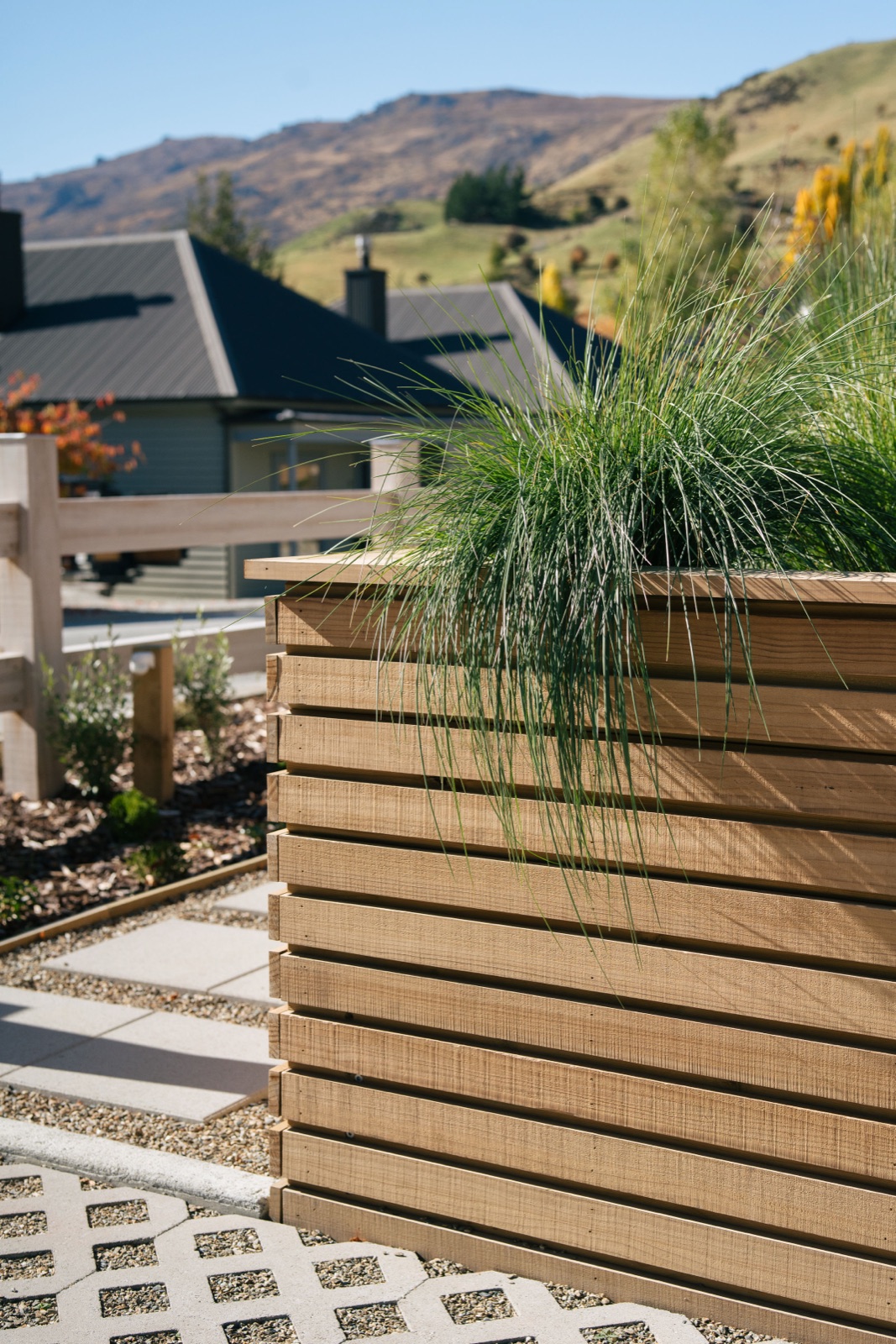
Channel siding creates a deep, defined rectangular shadow between each course — unlike the tapered shadow of lap siding or the thin line of shiplap. This bold horizontal emphasis was deliberately chosen by mid-century architects to create a sense of groundedness and horizontality that complemented their low-slung, flat-roofed designs.
The profile works by milling a recessed step into the overlap area: when boards are installed, the step creates a visible channel (typically 1/4" deep × 3/4" wide) that casts a consistent rectangular shadow regardless of sun angle. The result is a facade that reads as a series of precise horizontal bands — the visual signature of MCM residential architecture.
Profile Specifications
| Specification | Authentic MCM (1950s-60s) | Modern Equivalent |
|---|---|---|
| Pattern designation | WP-11, 117 pattern | Custom "channel" or "drop channel" |
| Board thickness | 3/4" (from 4/4 rough) | 3/4" or 1" |
| Face width | 5-1/2" (from 1×6) | 5-1/2" or 7-1/4" |
| Channel depth | 1/4" | 1/4" to 3/8" |
| Channel width | 3/4" | 3/4" to 1" |
| Original species | Redwood (premium) or cedar | Cedar, TM ash, Accoya |
| Original finish | Often unfinished (natural weathering) or semi-transparent stain | Same options + modern penetrating oils |
Species Options for MCM Channel Siding
Western Red Cedar (Recommended)
The most available and cost-effective match for original MCM channel siding. Clear or B-grade heartwood provides the clean, knot-free appearance these designs demand. Machines cleanly into precise channel profiles. Cost: $5.50-$8.00/sq. ft. depending on grade and length.
Redwood (Authentic but Scarce)
The original premium species for many California MCM homes (Eichler, Cliff May). Old-growth redwood is no longer available; second-growth redwood offers similar appearance but reduced durability. Supply is inconsistent and pricing volatile. Cost: $8-$14/sq. ft. when available.
Thermally Modified Ash (Modern Performance)
For MCM renovations prioritizing performance over strict material authenticity, thermally modified ash offers Class 1 durability and zero maintenance in the channel profile. The darker color reads differently from original cedar but suits contemporary reinterpretations of MCM design. Cost: $7.50-$9.00/sq. ft.
"For Eichler and MCM renovation, we mill channel siding to match the original WP-11 pattern exactly — 1/4" channel depth, 3/4" channel width, 5-1/2" face. We can even match the original flat-grain orientation if the homeowner wants period-correct detail. Most of these homes were built with flatsawn redwood; we replicate that in clear cedar."
— Camden Zacker, Sales Director, J. Gibson McIlvain Co.
Sourcing and Lead Times
Channel siding is a specialty profile — it's not stocked by standard lumber yards. Sources:
- J. Gibson McIlvain (Nationwide): Custom-mills channel profiles in cedar, TM ash, and redwood (when available). 2-3 week lead time. Minimum 500 LF. Contact for pricing — 800-638-9100.
- WRCLA-member mills (Pacific NW): Some mills stock WP-11 pattern in cedar. Longer freight time to East Coast projects.
- Specialty restoration suppliers: For exact-match redwood channel, expect 4-8 week lead times and $10-$14/sq. ft.
For a comparison of all available siding profiles, see our complete siding profiles guide.
How McIlvain Would Specify This for a Real Project
For McIlvain, Where to Buy Channel Siding in Cedar or Redwood for a Mid-Century Modern Renovation is not just a product-selection question. It is a specification question that has to connect profile selection for residential and commercial exterior cladding with the way the material will be milled, shipped, handled, fastened, and maintained. The right answer starts with exterior wood siding profiles, but it only becomes reliable when the species, profile, finish, wall assembly, and field sequencing are written into the same scope.
The practical decision is usually governed by water shedding, reveal depth, shadow line, board width, and milling repeatability. A profile that looks correct in a rendering can fail in service if the board width is too aggressive for the species, if the fastener schedule fights seasonal movement, or if the wall has no drying path behind the siding. That is why McIlvain treats exterior wood as a system: the lumber order, the milling profile, the jobsite details, and the finish schedule all have to support the same performance target.
Species choice should also be tied to the owner’s tolerance for maintenance. Cedar, Cypress, Sapele, Accoya, and thermally modified ash depending on profile tightness and exposure can all be correct in the right setting, but they do not age, move, or accept finishes the same way. A project that wants a natural silver-gray patina needs different expectations than one that needs a dark factory finish for ten years. A coastal project needs a different fastener and wash-down conversation than a protected inland facade. Those distinctions are where a specialty lumber supplier adds value beyond simply quoting a board price.
Performance and Procurement Checklist
| Item | Why it matters |
|---|---|
| Exposure class | Confirm rain, salt, UV, freeze-thaw, and wall orientation before selecting species. |
| Profile and movement | Match board width, reveal, overlap, and fastening method to the species movement profile. |
| Grade and appearance | Specify clear, vertical-grain, mixed-grain, or architectural grade rather than relying on generic “premium” language. |
| Moisture content | Require a target moisture range and acclimation plan before installation. |
| Milling tolerance | Hold profile geometry, reveal width, and end-match details consistent across the order. |
| Submittals | Review samples, finish schedule, fastener type, and rainscreen details before release. |
Where Specifications Usually Fail
The most common failure is selecting a profile by name without matching the actual milled geometry to the climate and design intent. In practice, that means the drawings may show wood siding, the finish schedule may name a color, and the wall section may show a rainscreen, but nobody has confirmed whether the actual boards can be sourced, milled, and installed in a way that satisfies all three. When that gap is discovered after framing or after the material arrives, the project loses the ability to make a clean specification decision.
The second failure point is ventilation, end-grain sealing, stainless fasteners, and moisture-content control. Exterior wood is forgiving when water can drain and the boards can dry; it is unforgiving when water is trapped at laps, end cuts, trim returns, or fastener penetrations. Every outside corner, window head, sill, soffit return, and transition between profiles should be reviewed as part of the siding package. If the detail cannot be drawn clearly, it usually cannot be installed consistently by a crew under schedule pressure.
The third failure point is substituting material late. A lower-cost species or a similar-looking profile may appear harmless on a spreadsheet, but the substitution can change shrinkage, finish behavior, fastener holding, and service life. McIlvain’s strongest recommendation is to approve physical samples, profile mockups, and finish samples before release, not after the first bundle is opened on site.
Ordering Information to Resolve Before Pricing
- Exposure: inland, coastal, shaded, south-facing, high-rise, WUI, or heavy rain-screen exposure.
- Profile: exact face width, reveal, overlap, tongue depth, kerf, drip edge, and whether the profile is intended for horizontal or vertical use.
- Finish: unfinished weathering, penetrating oil, factory prefinish, paint, or field-applied coating.
- Appearance: clear, near-clear, select knotty, vertical grain, mixed grain, color-matched bundles, or architect-reviewed samples.
- Assembly: furring thickness, WRB, clip system, screw type, corner trim, opening details, and ventilation path.
- Logistics: lead time, jobsite delivery sequence, board lengths, waste factor, attic/garage storage conditions, and replacement stock.
Related McIlvain Guidance and Next Steps
For a project that is close to specification, the next step is to compare the design intent against available species, profile tooling, finish schedule, and delivery timing. McIlvain can help translate a rendering or architectural detail into a practical lumber order, including sample selection and milling recommendations.
Frequently Asked Questions
What is channel siding?
Channel siding (drop channel, WP-11 pattern) is a horizontal wood siding profile with a rectangular recessed channel milled into the overlap joint between boards. This channel creates a bold, defined shadow line — the signature detail of mid-century modern architecture. Standard dimensions: 3/4" thick, 5-1/2" face, with 1/4" deep × 3/4" wide channel.
Where can I buy channel siding for MCM renovation?
Channel siding is a specialty profile not stocked at standard lumber yards. J. Gibson McIlvain custom-mills it in cedar, thermally modified ash, and redwood with 2-3 week lead time (minimum 500 LF). West Coast WRCLA mills may stock WP-11 pattern. For exact-match redwood restoration, expect 4-8 weeks and $10-$14/sq. ft.
Is cedar or redwood better for channel siding?
For MCM authenticity on California homes, redwood is original but scarce and expensive ($8-$14/sq. ft.). Cedar is the practical choice — similar appearance, better availability, lower cost ($5.50-$8.00/sq. ft.), and equivalent Class 2 durability. For maximum performance regardless of style, thermally modified ash offers Class 1 durability at $7.50-$9.00/sq. ft.
Sources and Standards Referenced
- Western Red Cedar Lumber Association — Pattern designations and profile standards
- USDA Forest Products Laboratory — Cedar and redwood species properties
- WWPA Pattern Book — WP-11 and 117 profile specifications