Start With the Duty Rating, Not the Species Brochure
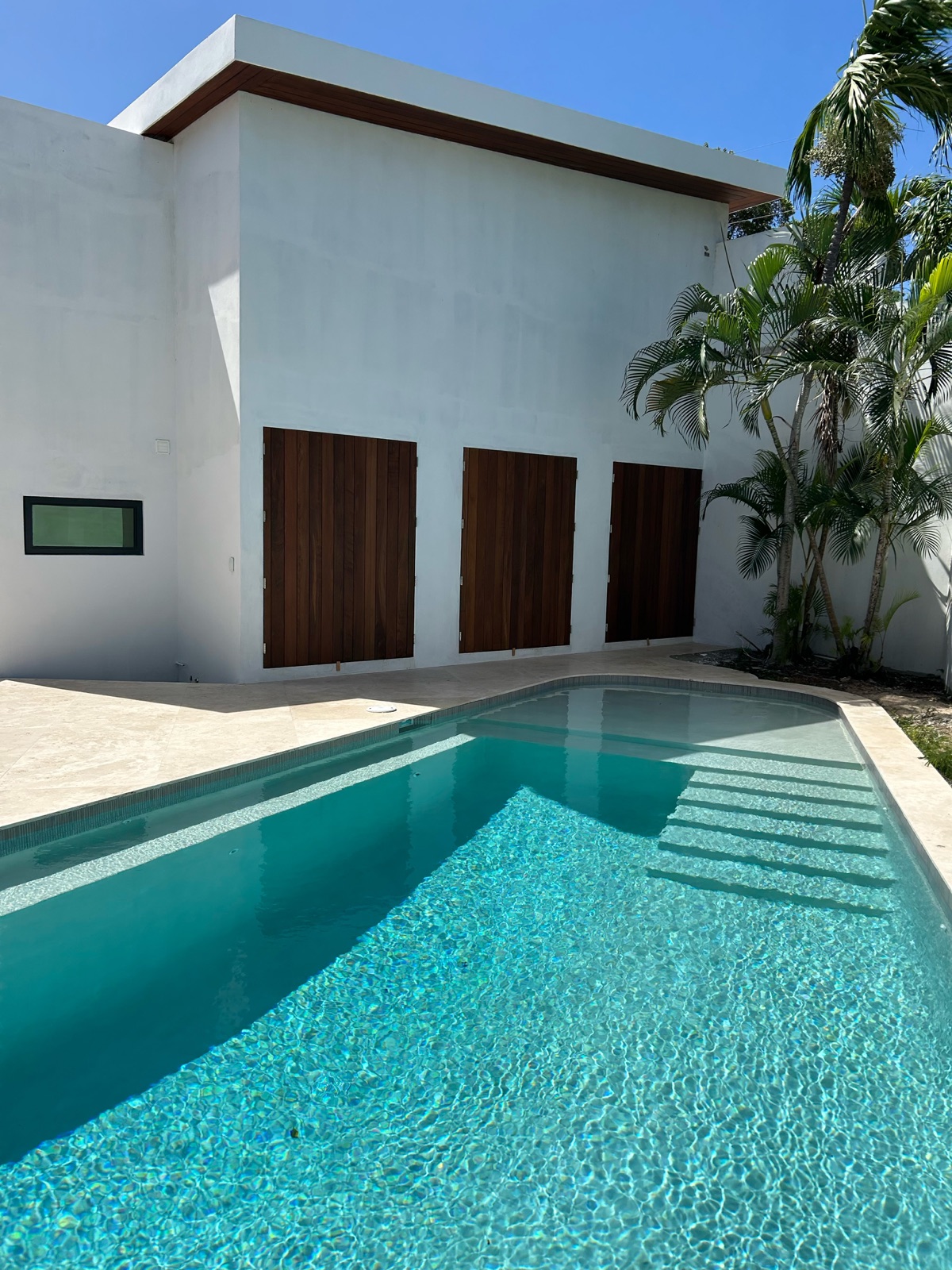
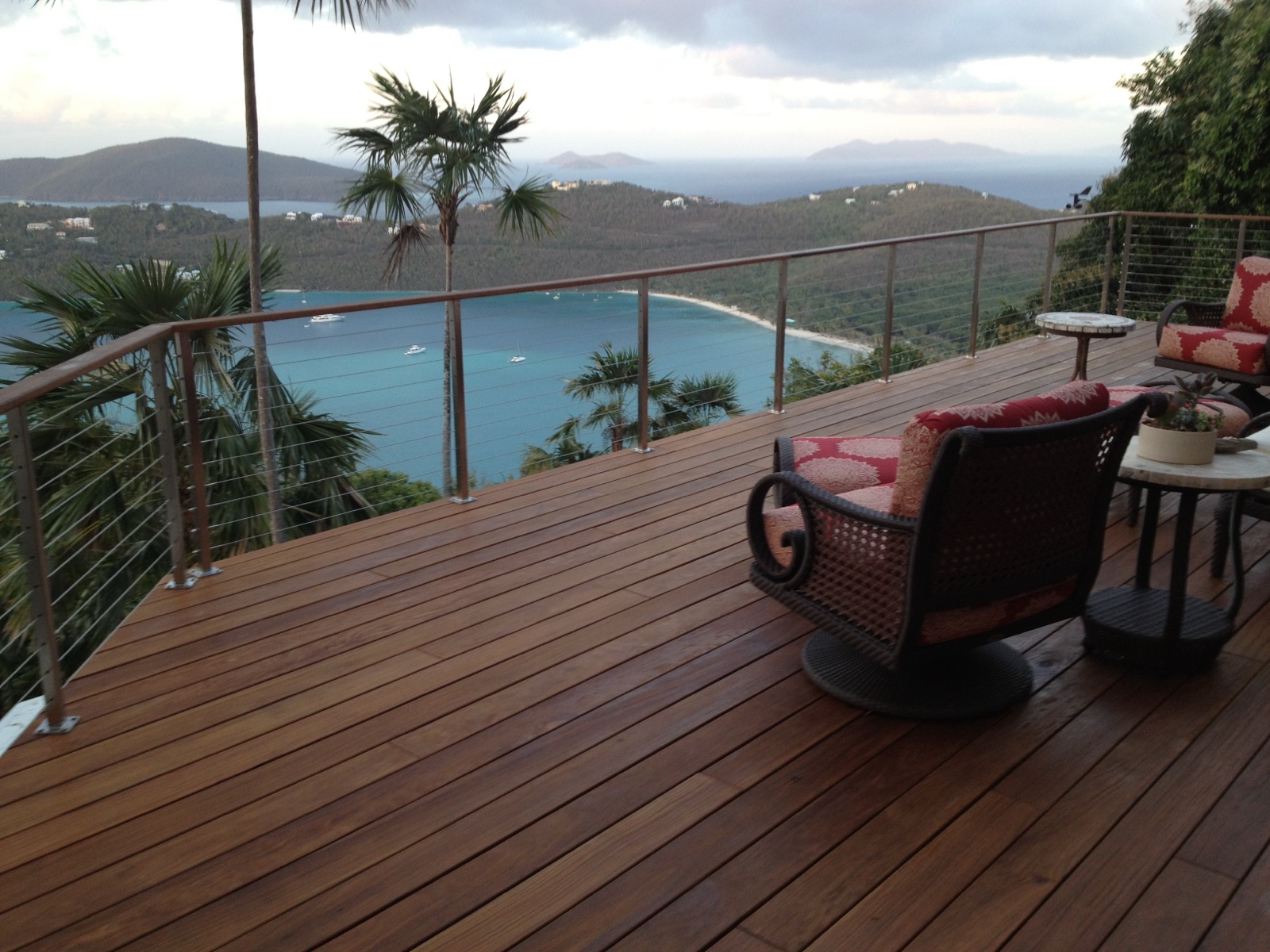
For a high traffic restaurant patio in salt air, the spec that survives review is 2x Ipe decking on a ventilated frame, with Cumaru as the proven alternate. That conclusion falls out of the job conditions rather than a species beauty contest. A restaurant patio is a commercial assembly floor. It takes chair drag from open to close, rolling bus carts, dropped trays, and a nightly washdown, and the ocean feeds it salt and moisture the entire time. Run the exotic decking field through those filters in order and it collapses fast. Commercial thickness availability removes most species before appearance ever comes up. Hardness removes more. What remains is Ipe (Tabebuia spp.) at the top and Cumaru just behind it, both available in true 2x commercial stock, both rated Class 1 for natural durability under EN 350, and both hard enough to shrug off furniture that would chew a softer deck to splinters in two seasons.
The sections below walk through the filters in the order a specifier should apply them. The order matters. Settle thickness, framing, and code questions first and the species question nearly answers itself.
What Restaurant Duty Actually Does to a Deck
A restaurant deck wears out from furniture and service traffic long before weather gets a vote. Think about what actually touches the surface. Metal chair feet drag across the same twenty square feet hundreds of times a day. Bus carts concentrate their load onto four small polyurethane wheels. Trays hit the deck edge-first when a server loses one. Heels land point-first. None of that resembles the foot traffic a residential deck sees, and it is exactly the kind of loading the Janka test simulates, a steel ball pressed into the face of the board until it embeds.
Ipe tests at roughly 3,680 lbf on that scale, among the highest of any commercially traded decking species, and Cumaru sits close behind at about 3,540 lbf, according to the species data compiled at the Wood Database. Teak, the traditional marine benchmark, comes in near 1,070 lbf. That gap is visible on a real floor within one season. A dining chair that leaves a bright dent trail in teak or cedar will polish Ipe rather than crush it. Garapa and Red Balau, at roughly 1,700 to 2,000 lbf, hold up well under residential use and engineer-approved light commercial work, but under cast metal furniture on a floor that never rests, the two densest species earn their reputation.
The 2x Thickness Rule Filters the Field Before Color Does
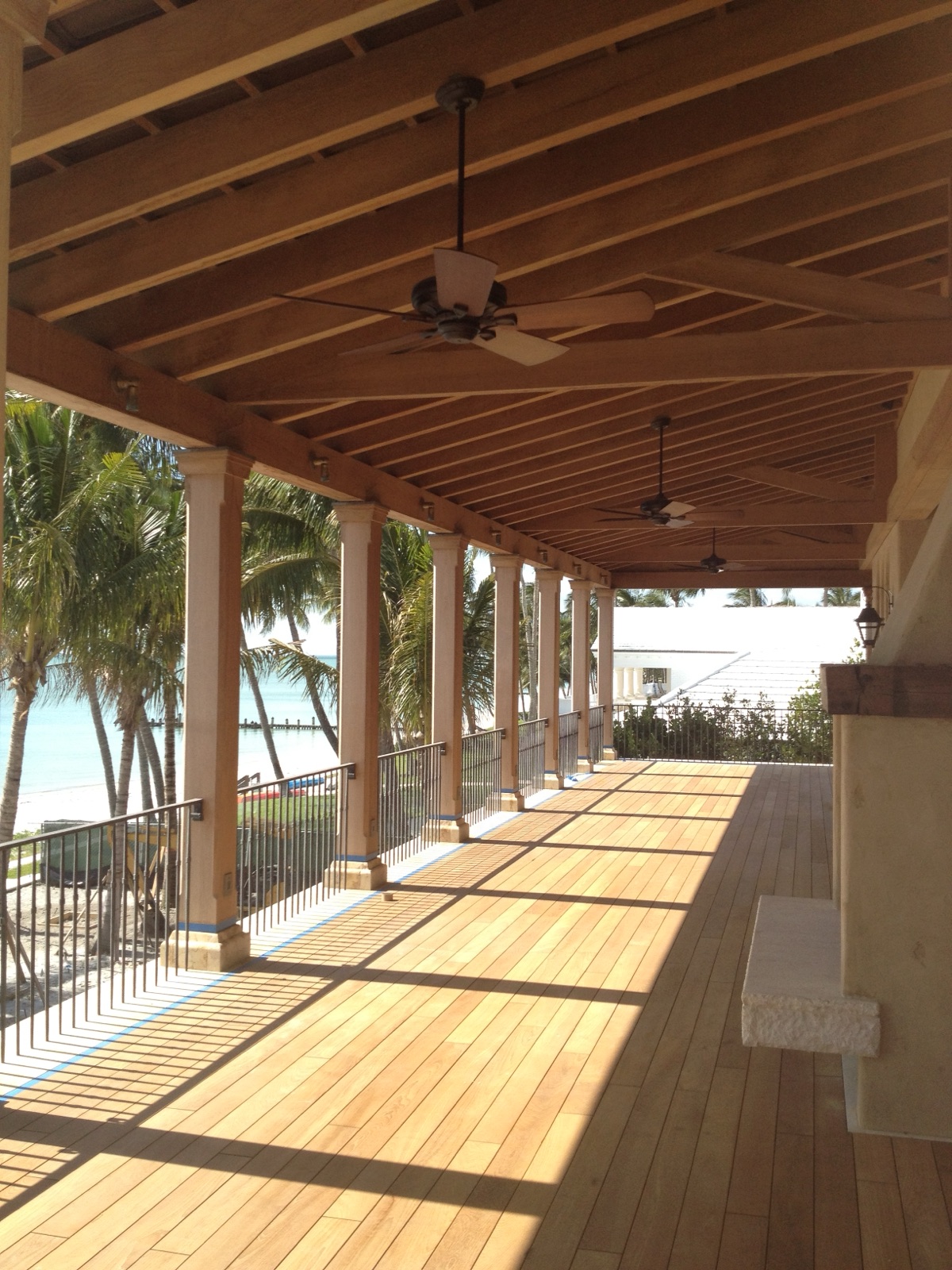
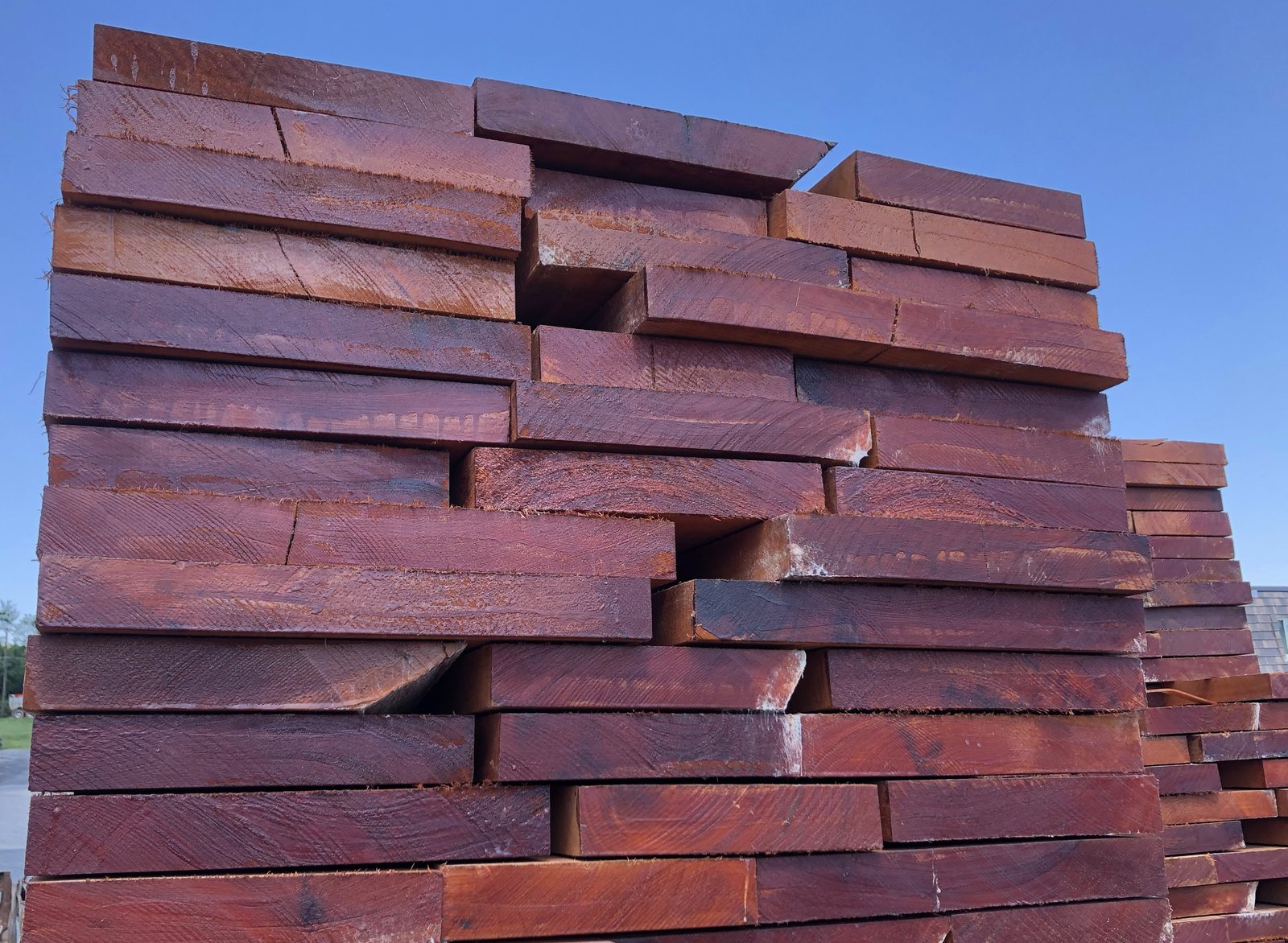
Commercial decks are specified at 2x thickness, and only Ipe, Cumaru, and Jatoba can be sourced consistently in 2x decking stock. This is the filter most first-time hospitality specifiers miss. Boardwalks, piers, plaza decks, and commercial patios get 2x boards to control deflection under crowd loading, and no professional will go first with a thinner board on a public job even where the strength math for 5/4 stock pencils out. The liability calculus alone settles it. A bouncy board under a loaded bus cart is a claim waiting to be filed.
The supply-side consequence is what makes this rule decisive. Red Balau and Garapa are milled and traded overwhelmingly as 5/4 material. They belong in residential decks and in 5/4 commercial applications an engineer has signed off on, and they perform honestly there. They are not candidates for a 2x public hospitality floor because the thickness simply cannot be sourced reliably. That leaves three species standing, and Jatoba, at about 2,690 lbf, gives up meaningful hardness and durability margin to the other two in a salt-air washdown environment.
"When a hospitality job comes across my desk, the first question is never color, it's thickness. Once the architect confirms it's a public floor, we're talking 2x, and that means Ipe or Cumaru out of our yard. We load those orders for job sites on both coasts every week, California included."
Norm Moton, Director of Sales, J. Gibson McIlvain
Nightly Washdowns Are a Wetting Cycle No Residential Deck Sees
A restaurant deck gets hosed, degreased, and squeegeed almost every night of the season, and dense Class 1 hardwood is the only unmodified decking built for that cycle. Between the fryer exhaust near the kitchen door, spilled sauces, and the health inspector's expectations, the closing crew will put more water on this deck in a month than rain will in a year. At a density near 1,050 kg per cubic meter, Ipe absorbs that water slowly and gives it back slowly, which keeps the wet-dry swings at the surface shallow. The USDA Forest Products Laboratory literature on wood-moisture relations explains why that matters. Dimensional movement tracks moisture change, and a species that resists rapid uptake moves less per cycle, holds its gap spacing, and keeps fastener holes tight.
Detailing has to support the cleaning regime. Slope the frame so wash water runs off instead of ponding. Hold consistent board gaps so debris rinses through rather than composting between boards. Frame with open, cross-ventilated joist bays at 16 inches on center so the underside dries at something like the rate of the top face. On patios built over a concrete slab, that means sleepers tall enough to create a real air channel, not furring pressed flat to wet concrete. A deck that can dry from below survives the washdown regime. One that cannot will cup no matter which species you buy.
Salt Air Attacks the Hardware Before It Attacks the Wood
On the coast, fastener metallurgy decides the service life of the connection, so the spec is 316 stainless steel and nothing less. Ipe and Cumaru are naturally resistant to decay and marine borers, but the screws holding them down are not, and salt spray will eat coated carbon steel and even 305 stainless within sight of the water. Type 316 stainless, with its molybdenum content, is the marine standard for a reason. Specify it for every screw, clip, and joist connection on the job.
Fastening dense hardwood is site work, done against the frame as it was actually built. Layout adjustments and field cuts invalidate any hole pattern established before delivery, so the boards ship clean and the crew drills on the deck. The technique is not complicated but it is non-negotiable. Pilot drill every hole with a self-centering combination bit that cuts the pilot and the countersink in one pass. Set two fasteners per board at every joist. Hold roughly 3/4 inch of edge distance. Drill full-depth pilots near board ends, where splitting risk peaks, and land every butt joint on doubled bearing rather than a single joist face. Face-fastening is the right call for a floor under this kind of traffic. Where an owner insists on a fastener-free surface, only a tongue and groove profile hides fasteners honestly, and any drainage or relief grooves on a profiled board face down.
Surface Checking Will Happen, and the Honest Spec Plans for It
No supplier can promise a check-free dense tropical deck, and a spec that promises one will embarrass its author by August. Checking is the wood relieving tension as the surface heats and dries faster than the core. It is a surface phenomenon. It does not weaken the board, and small checks on a properly seasoned deck are normal, even a sign that the material dried the way it should. What a specifier can control is the size and frequency of those checks. J. Gibson McIlvain factory coats its tropical decking with Cutek, a penetrating oil stabilizer that slows the surface moisture exchange driving check formation, and that coating measurably reduces checking in the first critical seasons.
Site practice does the rest. Confirm moisture content at delivery against the 12 to 16 percent exterior in-service range. Seal every field-cut end the day it is cut, since end grain loses moisture many times faster than face grain. Keep the ventilation details from the washdown section intact. Do all of that and checks stay small and cosmetic. Skip it and the deck will tell on the crew.
Surface Temperature, Slip, and the Guest Experience
Guests judge the deck with their sandals and their chair legs, so surface temperature and wet-slip behavior belong in the spec conversation. Dark boards run hot in full sun, and Ipe is a dark olive-brown deck. On a south-facing patio with no shade structure, that is a real August design input. Cumaru runs a shade lighter and warmer in tone. The practical answers are architectural, not botanical. Shade sails, umbrellas, and orientation do more for surface temperature than any species swap that keeps the density needed for the traffic.
Slip is a maintenance variable more than a species variable. A dense hardwood deck kept clean and periodically re-oiled presents a consistent, predictable surface wet or dry. The hazard on a restaurant floor is film, the grease and organic slick that builds where service traffic concentrates, and the nightly washdown regime exists to remove it. Smooth-face boards are the right call here. Ribbed or corrugated faces trap grease and rinse poorly, which is why food-service decks moved away from them. Keep the face smooth, keep the cleaning schedule honest, and the floor stays trustworthy in the rush.
Fire Classification and Accessibility Are Pass-Fail Gates
A restaurant patio is an assembly occupancy, and the deck must clear the fire marshal and the ADA at the same time. Ipe carries a Class A flame spread rating under ASTM E84, meaning a flame-spread index of 25 or less, with no chemical treatment. Very few natural building materials do that, and it removes an entire category of friction from plan review under the codes published by the International Code Council. Confirm the local amendments early, since coastal jurisdictions in wildfire and hurricane country layer their own requirements onto the model code, and the American Wood Council standards govern the structural side of the wood design.
Accessibility is the quieter gate. Under the ADA standards interpreted by the U.S. Access Board, openings in an accessible floor surface cannot pass a sphere larger than 1/2 inch, and vertical level changes are capped at 1/4 inch. In deck terms, that sets a hard ceiling on board gaps and on how much cupping or offset between boards the finished floor can tolerate. Stable, dense 2x stock on a flat, well-built frame is how a wood deck holds those tolerances year after year. This is one more place where the commercial thickness rule quietly earns its keep.
Where the Realistic Candidates Land
Lined up against restaurant-duty criteria instead of a generic hardness chart, the field sorts into two commercial species and a supporting cast with legitimate but different jobs. The table below is built on the axes this project actually turns on. Note that Massaranduba appears for comparison only. It is not part of the J. Gibson McIlvain program.
| Option | Janka hardness (lbf) | Consistent 2x commercial supply | Washdown and salt-air behavior | Where it belongs |
|---|---|---|---|---|
| Ipe (Tabebuia spp.) | ~3,680 | Yes, all standard and custom dimensions | Excellent, slow moisture uptake, EN 350 Class 1 | First choice for the commercial coastal patio |
| Cumaru | ~3,540 | Yes | Excellent, slightly more movement than Ipe | Proven alternate, warmer color |
| Jatoba | ~2,690 | Yes | Good, less margin in constant-wet duty | Covered and semi-exposed commercial work |
| Massaranduba (comparison only) | ~3,190 | Inconsistent | Durable but movement-prone in wet-dry cycling | Seen in some markets, not a fit here |
| Red Balau | ~1,700 to 2,000 | No, 5/4 species | Good durability at residential exposure | Residential and engineer-approved 5/4 decks |
| Garapa | ~1,700 | No, 5/4 species | Good, golden color, lighter surface temperature | Residential decks and light commercial 5/4 work |
| Teak | ~1,070 | No | Superb marine durability, low dent resistance | Marine joinery and furniture, not a traffic floor |
Modified woods deserve one honest paragraph. Thermory and Abodo Vulcan, both of which J. Gibson McIlvain carries, deliver real durability and carry manufacturer warranties, something no unmodified solid wood offers. Kiln dimensions cap them at lengths just under 16 feet, and their softer surfaces suit shaded lounge zones and wall cladding better than a metal-chair dining floor. Western Red Cedar remains a legitimate default on residential coastal porches, specified as CVG for clear vertical grain or STK for select tight knot depending on the look. Neither is the wrong material. They are the right materials for different floors.
Build the Maintenance Calendar Around the Service Season
An operating restaurant maintains its deck in the gaps of the business calendar, and 2x hardwood is forgiving enough to make that schedule work. The big decision is finish philosophy. Left to weather, Ipe and Cumaru turn an even silver-gray without losing durability, and some hospitality brands want exactly that look. Most choose to maintain the brown, which means a wash and a fresh coat of penetrating oil once or twice a year, timed to the slow season or a scheduled closure week. Penetrating oils recoat without sanding or stripping, which is the entire reason they suit commercial floors.
Thickness pays a second dividend here. A 2x board carries enough meat above the fastener line that a tired deck can be professionally sanded and re-oiled years down the road and come back close to new. Concentrated wear paths by the kitchen door and service stations get spot attention on the same schedule. Budget the labor annually, put it in the operations manual, and the floor will outlast every interior finish in the building.
How J. Gibson McIlvain Would Specify This
The buildable spec for this job is short, and every line of it traces back to a filter above. Decking, 2x6 Ipe, air dried for exterior service in the 12 to 16 percent moisture range, smooth face, factory coated with Cutek, lengths scheduled to the seating plan to minimize butt joints in the main dining field. Frame, joists at 16 inches on center with positive slope and open cross ventilation, sleepers with a genuine air channel where the patio sits over slab. Fasteners, Type 316 stainless, two per board per joist, every hole piloted and countersunk on site with a self-centering bit, butt joints on doubled bearing. Alternate, 2x6 Cumaru where a warmer color is wanted at a cost below Ipe.
J. Gibson McIlvain stocks Ipe decking in a vast inventory across every standard and custom dimension, 2x6 commercial stock included, and ships it nationwide from its own yard, with loads going to California as routinely as to the Eastern Seaboard. The same yard carries Cumaru, Garapa, Jatoba, and Red Balau for projects where those species fit the duty. FSC-certified material is available for projects pursuing certification under programs like those of the Forest Stewardship Council, and when a specified species is CITES-listed, the required CITES export documentation travels with the shipment, handled by the importer of record. Send the seating plan and the framing drawings to the sales desk, or call 800-638-9100, and a takeoff comes back with lengths and dimensions matched to the layout. Details on stocked profiles and dimensions are at the J. Gibson McIlvain Ipe decking page.
Frequently Asked Questions
Will dragged chairs and bar stools dent an Ipe deck?
Not in any way guests will notice. The Janka test presses a steel ball into the board face, which is a close stand-in for a metal chair foot under load, and Ipe scores about 3,680 lbf, more than three times teak. Constant chair drag burnishes the surface rather than crushing it. What furniture will do over time is wear the oil finish along high-traffic paths faster than elsewhere, so plan on spot re-oiling around seating clusters and service stations.
Can a restaurant let its deck weather to gray instead of oiling it?
Yes, and some hospitality concepts choose the silver-gray look deliberately. Graying is a surface effect on Ipe and Cumaru and does not reduce durability. Two cautions apply. Wear patterns gray unevenly under concentrated traffic, so a grayed dining floor can look blotchy where chairs run, and the factory Cutek coating still matters in the first seasons to keep surface checking small while the deck acclimates. Many operators keep oil on the main dining field and let secondary areas weather.
Is 5/4 decking ever acceptable on a restaurant patio?
Only with an engineer's sign-off, and even then most design teams decline. Public hospitality floors follow the commercial convention of 2x thickness to control deflection under crowd and cart loading, and no professional wants to be the first name on a thinner public floor. Species that trade mainly as 5/4 stock, like Garapa and Red Balau, are excellent residential decks but are filtered out of commercial patio specs by thickness supply alone.
Does the decking arrive drilled or finished from the mill?
It arrives factory coated with Cutek, a penetrating oil stabilizer that reduces surface checking, but it never arrives drilled. Fastener layout depends on the frame as actually built, and field cuts would invalidate any factory hole pattern. The crew drills on site with a self-centering combination bit, piloting every hole, setting two fasteners per board at each joist, holding about 3/4 inch of edge distance, and drilling full pilots near board ends.
What board gap keeps a patio deck ADA compliant?
Openings in an accessible route cannot pass a sphere larger than 1/2 inch, and vertical level changes between boards are capped at 1/4 inch under the ADA standards. In practice, dense hardwood decks are gapped well under the 1/2 inch ceiling, commonly in the 1/8 to 1/4 inch range depending on moisture content at installation, which also lets wash water and debris rinse through. The harder requirement is the 1/4 inch vertical limit, which is why stable 2x stock on a flat frame matters.
How should the closing crew handle grease near the kitchen door?
Treat it as a daily removal job, not a periodic deep clean. Grease film is the real slip hazard on a restaurant deck, and it concentrates within a few feet of the kitchen threshold and service stations. A nightly hot-water wash with a deck-safe degreaser and a stiff broom or squeegee keeps the film from bonding into the finish. Dense hardwood tolerates this regime indefinitely, and a mat at the threshold cuts the workload. Avoid chlorine-heavy products that break down oil finishes prematurely.
How far ahead should a restaurant project order its decking?
Lock the takeoff during design development, not during framing. A commercial order specifies lengths matched to the seating plan to minimize butt joints, and pulling those lengths, coating them, and routing freight to the site takes coordination even from a deep inventory. J. Gibson McIlvain ships nationwide from its own yard, so the freight leg is routine, but giving the sales desk the drawings early is what gets the right lengths on the truck. Call 800-638-9100 with the plan set.
Sources and Standards Referenced
- Ipe | The Wood Database (Lumber Identification)
- Cumaru | The Wood Database (Lumber Identification)
- USDA Forest Products Laboratory
- U.S. Access Board, Guide to the ADA Standards, Chapter 3: Floor and Ground Surfaces
- American Wood Council, Codes and Standards
- Forest Stewardship Council
- CITES, Convention on International Trade in Endangered Species
- International Code Council