How Each Species Takes the Char
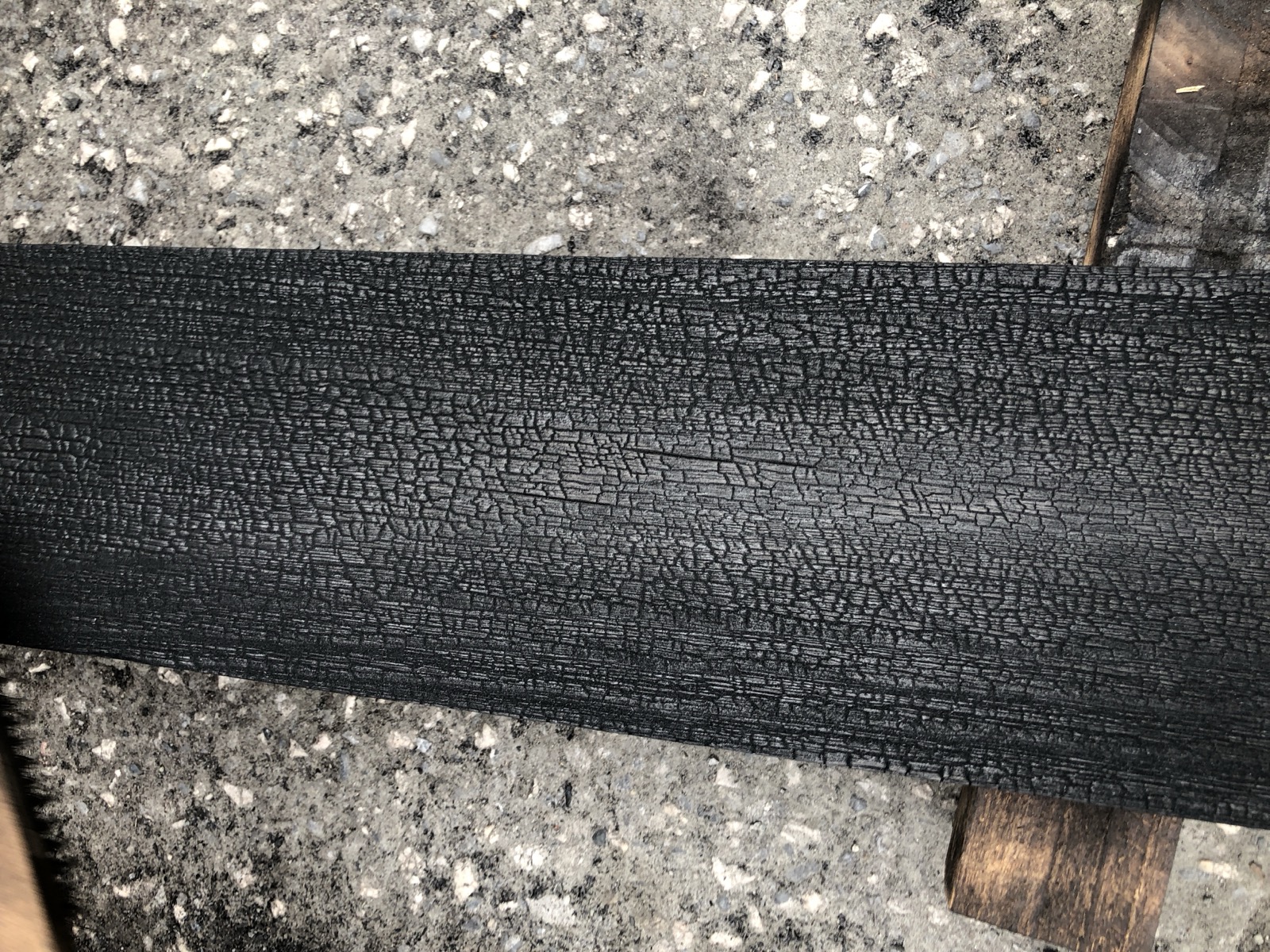
The burn behaves differently on each wood, and that shows up in the texture and how the char wears. Density, grain, and stability all play in.
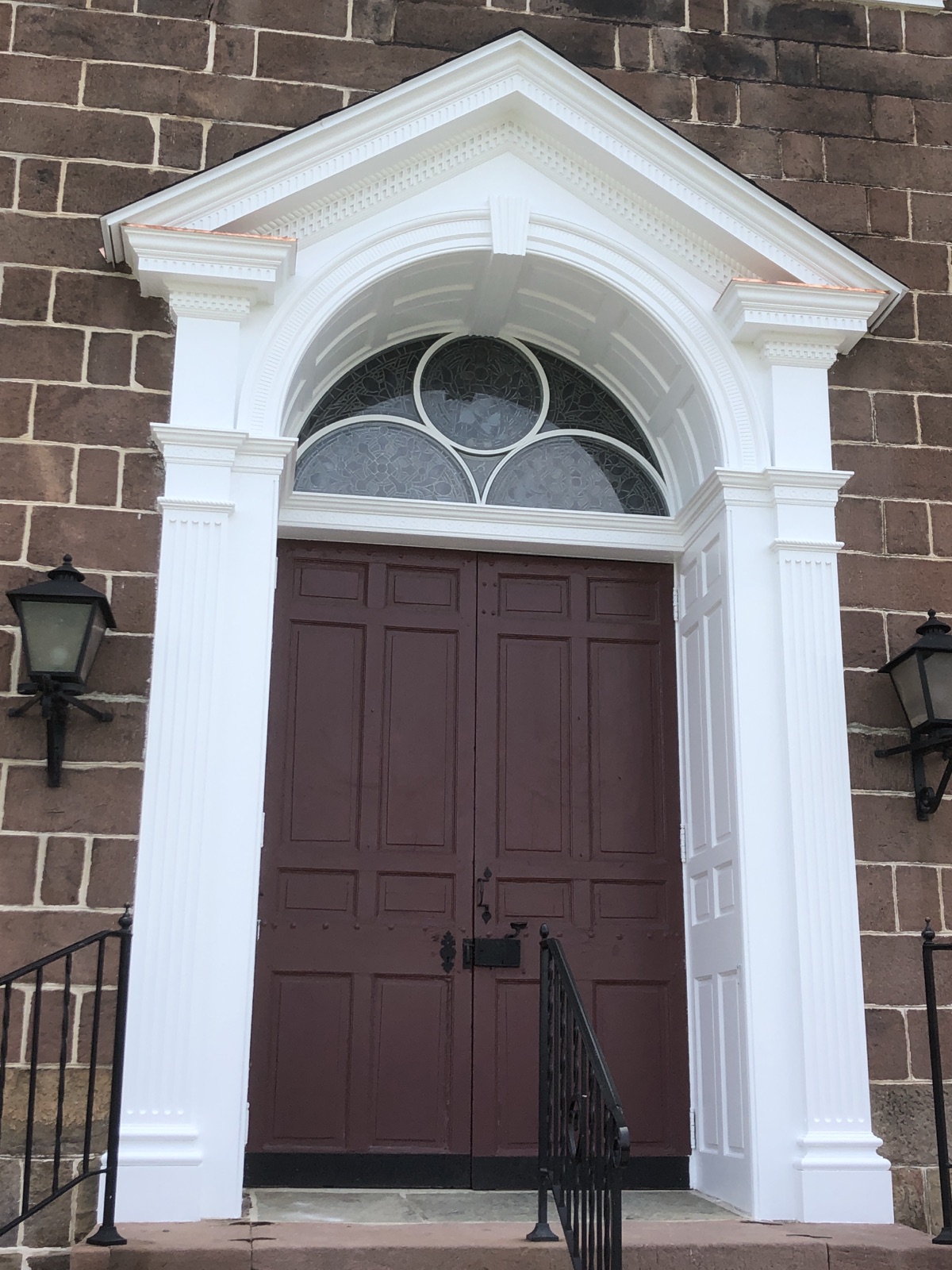
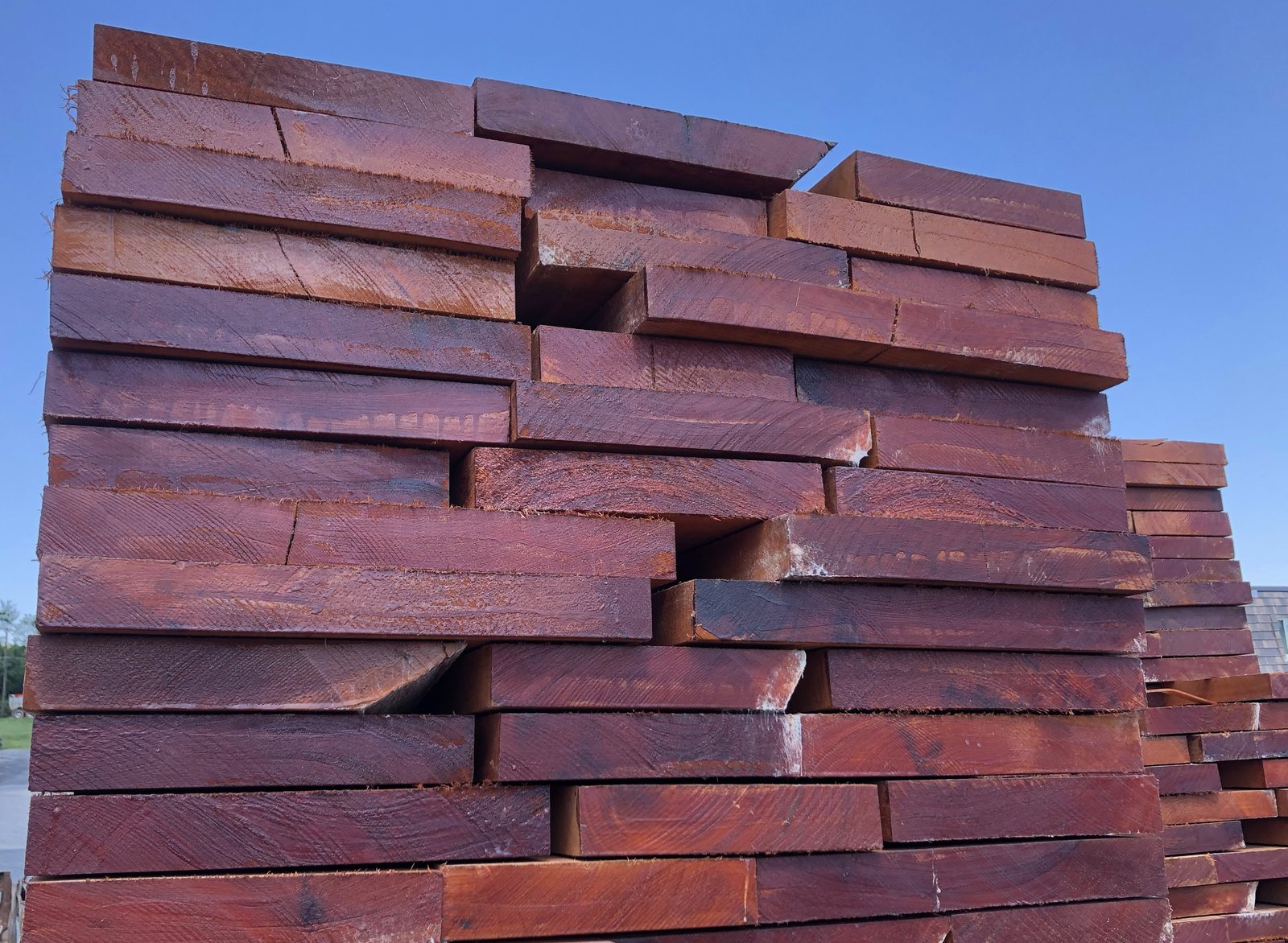
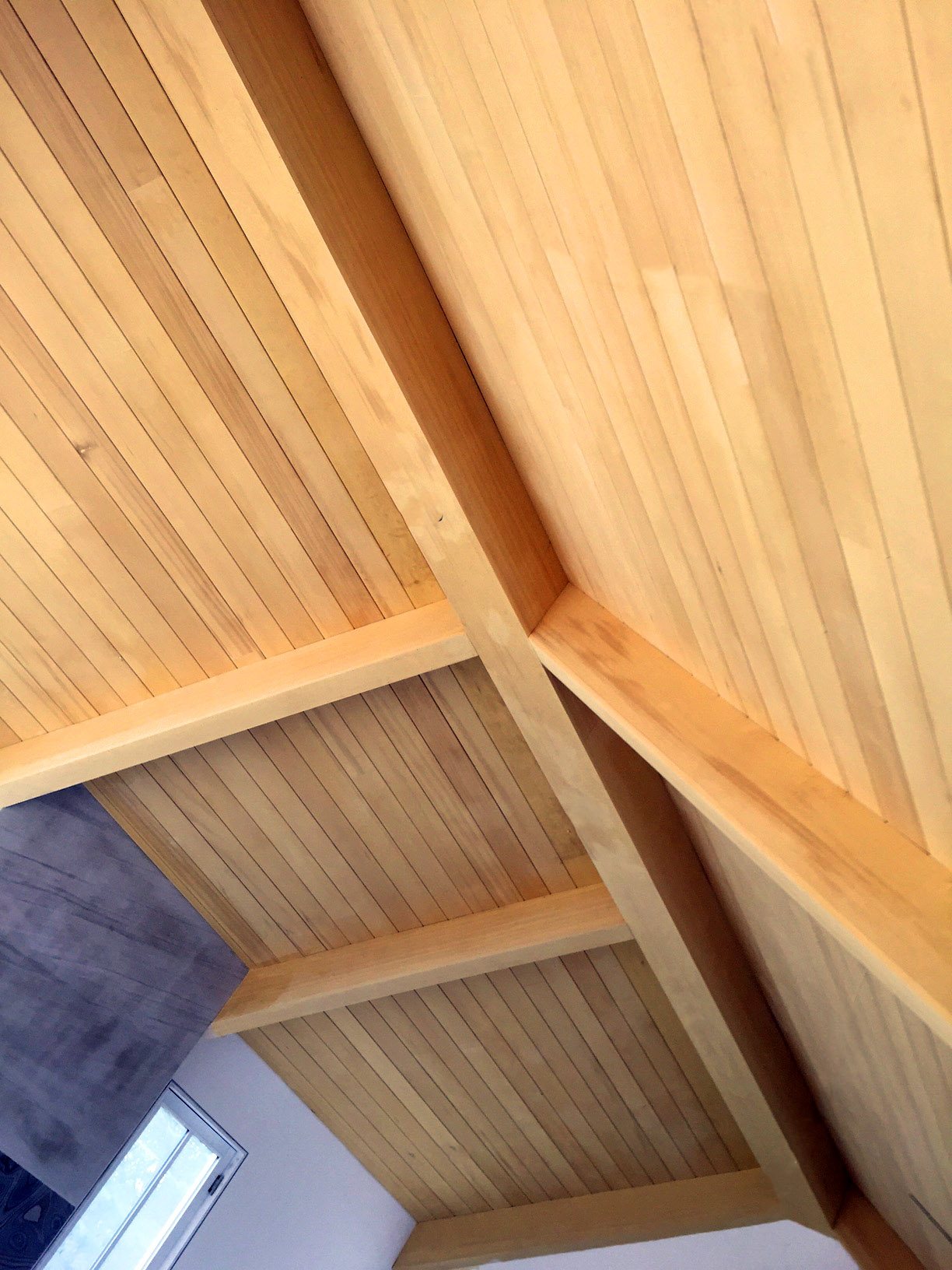
Cypress chars evenly and sits closest to the Japanese sugi the technique was born on, which makes it the traditional pick. Cedar, lighter and softer, takes a deep, dramatic char with lots of texture, and it forgives movement well. Accoya chars clean and even, and because acetylation locks its dimensions, the charred surface and the oil ride on a board that hardly moves. The USDA Forest Products Laboratory ties surface weathering and finish life directly to how much the substrate moves, which is why the stable wood keeps its char longest.
Cypress vs. Cedar vs. Accoya, Side by Side
| Factor | Cypress | Western Red Cedar | Accoya |
|---|---|---|---|
| Char character | Even, traditional | Deep, textured | Clean, uniform |
| Stability | Good | Good (better in CVG) | Very high |
| Char and finish retention | Solid | Solid | Longest |
| Weight | Moderate | Light | Light to moderate |
| Warranty | None (solid wood) | None (solid wood) | Manufacturer warranty (modified) |
| Best for | Traditional look, regional | Deep texture, budget-friendly | Lowest maintenance, tight reveals |
Maintenance and How the Char Ages
All three want a penetrating-oil recoat on a cycle, and the more stable the wood, the longer that cycle runs. The char itself is durable, but the oil over it is what keeps the black deep and slows rub-off.
Accoya stretches the recoat interval furthest because it moves so little that the finish is barely stressed. Cypress and cedar hold their char well too and recoat without stripping, the same as any penetrating oil; see our oil vs. film finishes guide. None of the three should carry a film finish. Films peel over char. And a point worth repeating: solid cypress and cedar cannot carry a product warranty, since they are organic, while Accoya as a modified product can.
Which One to Pick
Choose by maintenance tolerance and how demanding the wall is, not by which wood is "best." They all char beautifully.
- Cypress: you want the traditional yakisugi look and a species with a strong regional pedigree; see our cypress siding guide.
- Cedar: you want a deep, textured black on a light, forgiving wood, often at a friendlier budget.
- Accoya: you want the longest finish life and the tightest, most stable reveals, and a modified product that carries a warranty; see our modified wood overview for the broader category.
"All three char beautifully, so the real question is how much maintenance you want to sign up for. Cypress and cedar give you the traditional and the deep-textured looks, and they hold up. Accoya costs more, but it moves so little that the char and the oil last longer between recoats, and it is the one with an actual warranty. I point people to the wall and the maintenance plan, not to a favorite species."
Norm Moton, Director of Sales, J. Gibson McIlvain Company
How J. Gibson McIlvain Sources Charred Species
J. Gibson McIlvain sources charred cladding in cypress, cedar, and Accoya, milled to profile, charred, brushed, and oiled to the project's spec, then shipped nationwide. The team steers the species choice by maintenance tolerance and how stable the wall needs to be: Accoya for the longest finish life and tightest reveals, cypress for the traditional look, cedar for deep texture on a budget. Char level and oil are specified alongside the species.
Char is a finish, so where a project also needs a fire rating, that is handled separately with a naturally Class A hardwood or a documented fire-retardant-treated species. Every charred order pairs with a vented rainscreen, stainless fasteners, and careful handling so the char stays on the board through install.
Charred Species Selection Checklist
| Item | Why it matters |
|---|---|
| Maintenance tolerance | Accoya stretches the recoat cycle furthest. |
| Wall stability needs | Tight reveals favor the most stable wood. |
| Look | Traditional (cypress), textured (cedar), clean (Accoya). |
| Warranty | Only Accoya, as a modified product, carries one. |
| Char level and finish | Heavy or brushed; penetrating oil, no films. |
| Fire requirement | Char is not a rating; handle code separately. |
Where Charred Species Choices Usually Fail
- Picking on look alone: maintenance tolerance and stability should drive the choice too.
- Expecting a warranty on solid wood: only Accoya, as a modified product, carries one.
- Film finish over char: films peel; use penetrating oil on all three.
- Assuming char equals fire rating: it does not; handle code with species and assembly.
- Ignoring recoat cycle: the oil over the char needs periodic recoating to stay deep.
Ordering Information to Resolve Before Pricing
- Species: cypress, cedar, or Accoya, chosen for maintenance and stability.
- Char and finish: char level, brushing, oil color.
- Profile: face width, reveal, fastening method.
- Code: any separate fire requirement.
- Logistics: square footage, lengths, delivery, lead time.
Related J. Gibson McIlvain Guidance and Next Steps
Frequently Asked Questions
Cypress, cedar, or Accoya for shou sugi ban?
All three char well, so the choice comes down to maintenance and stability. Cypress gives the traditional even char with a strong regional pedigree. Cedar gives a deep, textured black on a light, forgiving wood, often at a friendlier budget. Accoya chars clean and holds the char and oil longest because it barely moves, and it is the only one of the three with a manufacturer warranty. J. Gibson McIlvain sources all three.
Which charred species lasts longest between recoats?
Accoya stretches the recoat cycle furthest, because acetylation makes it so dimensionally stable that the charred surface and the oil are barely stressed by movement. Cypress and cedar hold their char well too and recoat without stripping, but they move more than Accoya, so they generally come up for recoating sooner. All three use a penetrating oil, and none should carry a film finish, which peels over char.
Does charred cedar or cypress carry a warranty?
No. Cypress and cedar are solid, unmodified woods, and solid wood is organic and cannot carry a real product warranty. Accoya, as an acetylated modified product, does carry a manufacturer warranty, which is one reason it is chosen for low-maintenance charred facades. For cypress and cedar, the honest promise is a durable charred surface installed correctly over a vented rainscreen, maintained on a recoat cycle.
Is charred siding more fire resistant than uncharred?
Charring gives weather, rot, and insect resistance and a distinctive black surface, but it does not carry an ASTM E84 class or a WUI code approval on its own, regardless of species. For a fire-rated wall, the compliance comes from the species and the assembly, using a naturally Class A hardwood or a documented fire-retardant-treated species. Treat char as an aesthetic and durability finish, and handle any fire requirement separately.
Does J. Gibson McIlvain source charred cypress, cedar, and Accoya?
Yes. J. Gibson McIlvain sources shou sugi ban cladding in cypress, cedar, and Accoya, milled to profile, charred, brushed, and oiled to the project's spec, and ships nationwide. The team helps pick the species by maintenance tolerance and stability, pairs the order with a vented rainscreen and stainless fasteners, and handles any separate fire-code requirement through species and assembly rather than the char.
Sources and Standards Referenced
- USDA Forest Products Laboratory - Surface weathering and finish life
- Accoya - Acetylation and dimensional stability data
- Western Wood Products Association - Cedar grades and properties
- ASTM E84 - Surface burning characteristics, for fire context
- Forest Stewardship Council - Chain of custody certification