Step 1: Define the Assembly, Species, and Profile Before You Quote
A quote is only as good as the scope behind it. Pin down the assembly, species, grade, profile, and finish before the RFQ goes out. An RFQ that says "wood siding, about 8,000 square feet" forces every bidder to guess, and the numbers come back impossible to compare.
The scope should name the construction type and any fire requirement under the International Building Code, the species and grade, the profile and reveal, the finish, and the rainscreen assembly. On commercial and multifamily work the fire-rated assembly usually shortens the species list before anything else does, a point the WoodWorks commercial resources make well. For the code side, see our guide on commercial exterior wood cladding and fire code, and for the wall itself, rainscreen systems for commercial cladding.
Step 2: Request a Quote With Drawings and Real Quantities
An accurate quote needs the elevations, a take-off of net and gross square footage, the profile, and the lengths, not a lump-sum area. Length is where species enters the math. Modified woods such as Accoya, Thermory, and Abodo Vulcan top out near 16 feet because of the size of the modification kilns. Tropical hardwoods and cedar run longer.
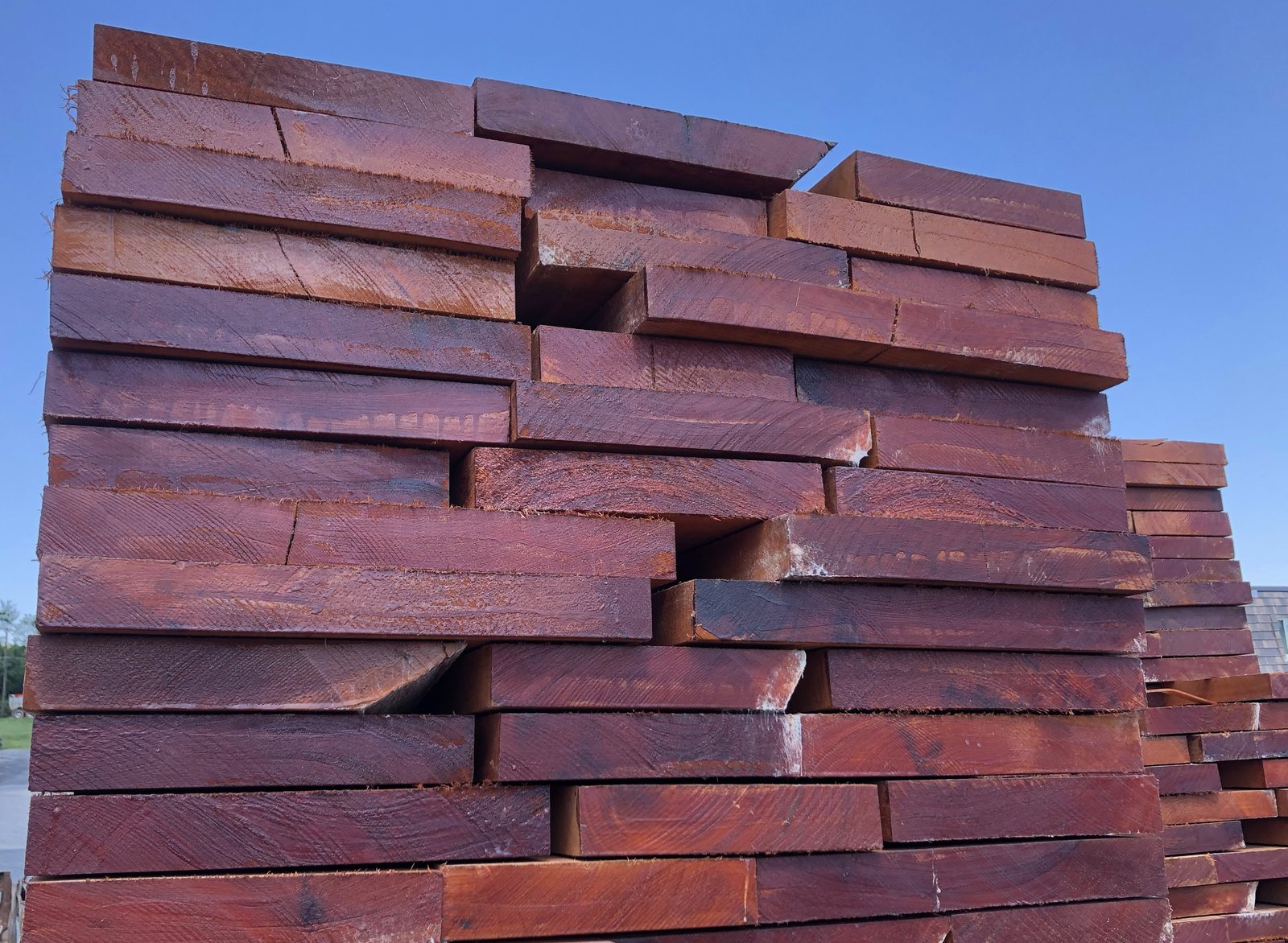
A specialty supplier turns those drawings into a board-level order, waste factor and cut pattern included. J. Gibson McIlvain carries deep inventory across species, and its Ipe runs the full range of dimensions and lengths, so a quote is never boxed into a handful of stock sizes. For single-source logistics on bigger jobs, see our guide on commercial wood cladding sourcing.
Step 3: Approve a Mockup and Submittal Before Release
A mockup approved before release is the single best safeguard on a commercial wood facade. The submittal should carry species and grade samples, the profile milled to the specified tolerance, the finish on the actual species, and the fastener and clip components.
Put those in front of the design team and substitutions surface early, while they are still cheap to fix. A lower-cost species or a look-alike profile changes shrinkage, finish behavior, and fastener holding, none of which shows up on a cut sheet. The mockup also gives the architect, owner, and GC one shared reference to point at when questions come up mid-build. Since J. Gibson McIlvain mills in-house, the submittal samples and the released order come off the same knives and the same inventory.
| Step | What happens | Who owns it |
|---|---|---|
| 1. Define scope | Assembly, species, grade, profile, finish, fire path | Architect / specifier |
| 2. RFQ | Drawings, take-off, lengths, waste factor | GC / estimator + supplier |
| 3. Mockup and submittal | Samples, milled profile, finish, fasteners approved | Architect + supplier |
| 4. Release and production | Milling, finishing, cure, QC | Supplier |
| 5. Delivery | Sequenced freight to the jobsite | Supplier + GC |
Step 4: Release to Milling, Finishing, and Quality Control
Once the mockup is signed off, the order goes to milling and finishing, and that is where the lead time lives. Running the profile, applying a factory finish, and curing the boards all take production time. Plan the release date against the install date rather than hoping for a quick turn.
Where a factory finish is specified, all six faces get sealed in a controlled shop, which pulls the finishing trade off the jobsite entirely. Modified woods take that finish especially well because they barely move. Dense hardwoods like Ipe and Cumaru take a penetrating oil that soaks into the fiber instead of sitting on top. Grade and moisture content get checked before the truck loads, since installing near the in-service equilibrium moisture content is what keeps boards flat later; our moisture content guide covers the target ranges.
Step 5: Coordinate Sequenced Jobsite Delivery
On a large facade, delivery gets sequenced to the install so material shows up in the elevations the crew is working, in the order they need it. Dump the whole order at mobilization and the last boards installed have sat in the weather for weeks, taking on moisture and handling damage.
A single-source supplier that ships nationwide can stage the order to the schedule and hold grade and color steady across every elevation. Split that facade across vendors and the color drift shows. J. Gibson McIlvain ships nationwide, West Coast included, and its business is commercial and contractor volume rather than retail. For milling and delivery specifics, see our guide on custom siding profile milling and national jobsite delivery.
"The commercial orders that go smoothly are the ones where the scope is settled before the RFQ and the mockup is approved before we release. Do those two things and milling, finishing, and delivery are predictable. The jobs that fight you are the ones where the drawings say wood siding and everybody assumes the rest fills itself in. We would rather spend a week on the mockup than fix a wall after the first bundles are open on site."
Brett Miller, President, J. Gibson McIlvain Company
How J. Gibson McIlvain Runs a Commercial Cladding Order
J. Gibson McIlvain runs a commercial order as one thread from scope to delivery. The team confirms the code envelope and assembly, turns the drawings into a board-level take-off, mills the profile in-house, builds submittal samples and mockup material to the specified tolerance, applies the factory finish where it is called for, and sequences delivery nationwide to the install. One supplier owning the whole chain is what keeps grade, color, and profile consistent across every elevation.
Species get matched to the code and the design. Naturally Class A hardwoods like Ipe and Cumaru go where fire performance is required without treatment. Modified woods such as Accoya, Thermory, and Abodo Vulcan go where stability and long finish life matter. Cedar or cypress go where a proven domestic species fits the look and budget. FSC chain-of-custody documentation comes with the order on projects that require certified sourcing.
Procurement and Delivery Checklist
| Item | Why it matters |
|---|---|
| Scope defined before RFQ | Makes quotes comparable and accurate. |
| Take-off with lengths | Length interacts with species; modified woods cap near 16 ft. |
| Mockup and submittal approved | Locks grade, profile, and finish before release. |
| Lead time vs install date | Milling, finishing, and cure take production time. |
| Single-source supply | Keeps grade and color consistent across elevations. |
| Sequenced delivery | Material arrives in the order the crew installs it. |
Where Commercial Cladding Orders Usually Fail
- Lump-sum RFQ with no take-off: quotes come back non-comparable and the quantities are wrong.
- No mockup: substitutions and color drift show up after the material ships.
- Length details ignored: modified woods cannot exceed about 16 feet; detail around it before release.
- Split supply: grade and color vary visibly across elevations when the facade comes from several vendors.
- No delivery sequence: material sits on site taking weather and handling damage.
Ordering Information to Resolve Before Pricing
- Code envelope: construction type, fire-separation distance, required flame-spread class.
- Material: species, grade, grain orientation, moisture-content target.
- Profile: face width, reveal, T&G or shiplap, clip compatibility, milling tolerance.
- Finish: factory prefinished or field finished, six-side sealing.
- Logistics: take-off, waste factor, delivery sequence, lead time, FSC documentation.
Related J. Gibson McIlvain Guidance and Next Steps
Frequently Asked Questions
How do architects and contractors buy wood cladding for a commercial building?
The order moves through five stages: define the assembly, species, grade, profile, and finish; get a quote built from drawings, a take-off, and the required lengths; approve a mockup and submittal; release to milling and finishing; then take delivery sequenced to the install. The mockup is the safeguard that matters most, since it locks grade, profile, and finish before thousands of board feet ship. J. Gibson McIlvain runs the whole sequence through one source and ships nationwide.
What information does a commercial cladding supplier need to quote accurately?
The supplier needs the elevations, a take-off of net and gross square footage, the profile and reveal, the required lengths, the species and grade, the finish, and the rainscreen assembly. Lengths drive species selection, since modified woods such as Accoya, Thermory, and Abodo Vulcan cap near 16 feet while tropical hardwoods and cedar run longer. A lump-sum area with no take-off produces quotes that cannot be compared and quantities that miss.
Why is a mockup important on a commercial wood facade?
A mockup approved before release lets the architect, owner, and GC check species, grade, profile, finish, and fastener detailing against the design before the bulk order ships. It catches substitutions early, since a lower-cost species or a look-alike profile changes shrinkage, finish behavior, and fastener holding, and it gives everyone one shared reference during construction. Because J. Gibson McIlvain mills in-house, the mockup material matches the released order.
Can one supplier handle a commercial cladding order from quote to delivery?
Yes. A supplier that mills and finishes in-house can build the take-off, produce the mockup, mill the profile, apply the factory finish, and sequence delivery from one source. J. Gibson McIlvain mills cladding profiles in-house, holds FSC chain-of-custody certification, carries deep inventory including a full range of Ipe dimensions, and ships nationwide, so grade, color, and profile stay consistent across every elevation from RFQ to delivery.
How far in advance should a commercial cladding order be placed?
Place the order against the install date, since milling the profile, applying a factory finish, and curing the boards all take production time. Modified woods and milled, prefinished hardwoods carry lead time, and delivery gets sequenced to the schedule. Ordering once the mockup is approved, with enough runway before the install window, keeps the facade on the critical path instead of waiting on material.
Sources and Standards Referenced
- International Code Council - International Building Code, construction types
- WoodWorks - Commercial and multifamily wood construction resources
- American Wood Council - Wood construction standards
- Forest Stewardship Council - Chain of custody certification
- ASTM - E84 surface burning characteristics
- National Hardwood Lumber Association - Hardwood grading rules