
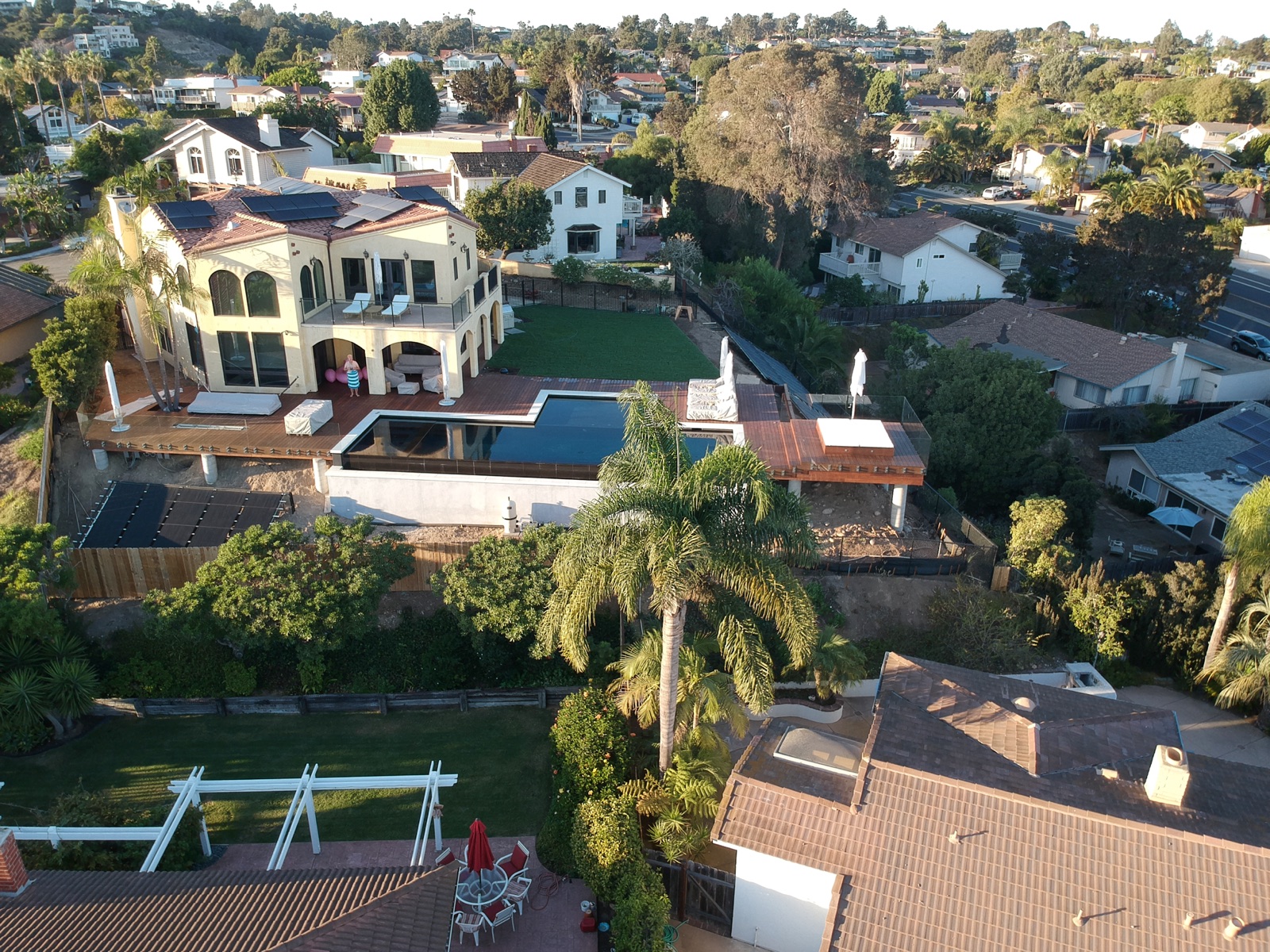
The cleanest fastener-free lines come from the most stable board, and among tropical decking that board is Ipe.
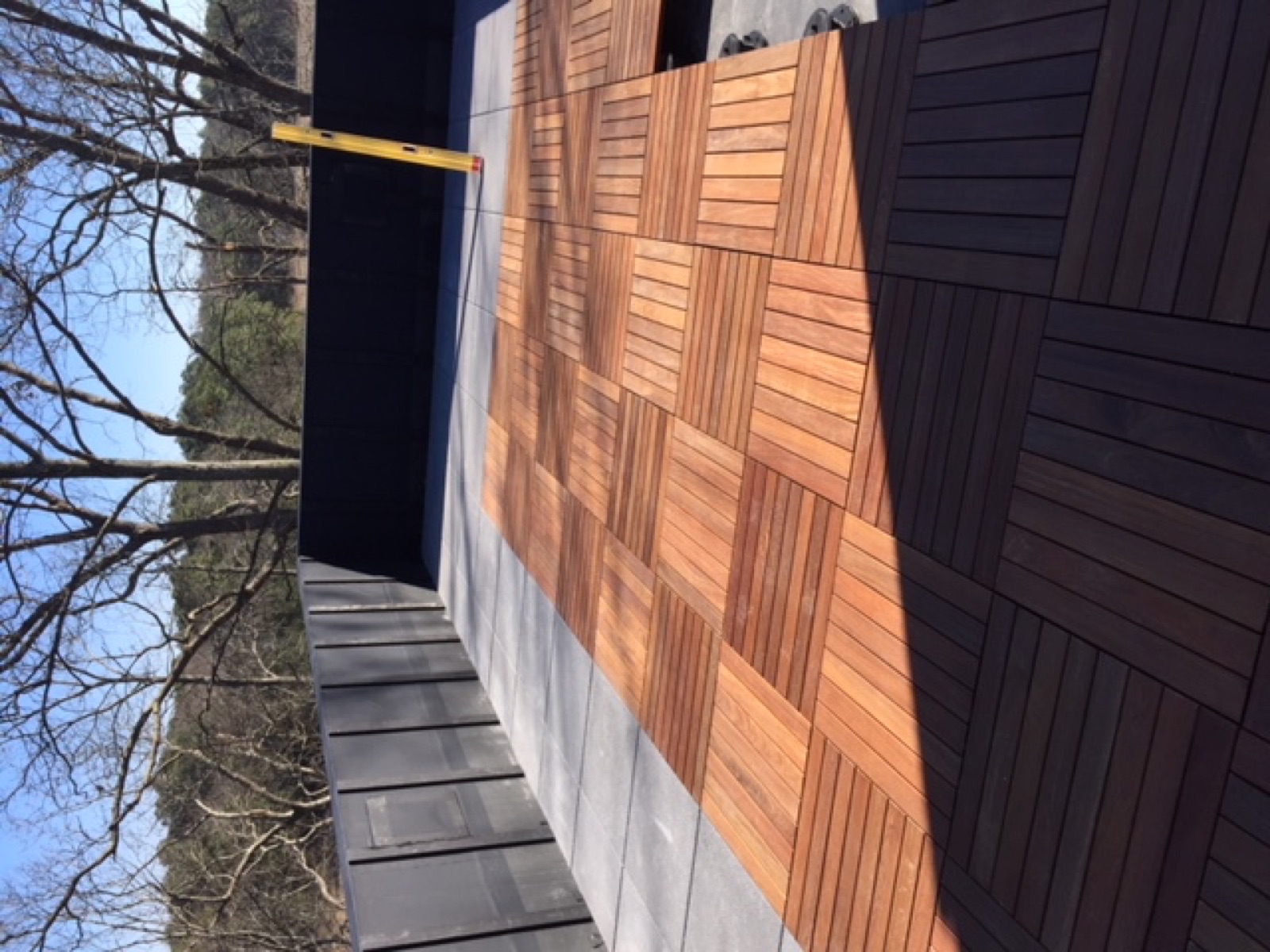
A hidden fastener clip does one job. It pulls the screw off the walking surface and tucks it into a machined side groove. That is the easy part. The look a specifier is actually chasing is harder to buy: a run of boards that sits flat, holds an even reveal end to end, and shows no metal anywhere the eye lands. That result is a stability problem before it is a clip problem. The board that moves least across the season is the board that keeps the gap you set on installation day.
Ipe (Tabebuia spp.) wins here on the numbers that matter for a clean plane. It carries a Janka hardness near 3,680 lbf and a density around 1,050 kg/m3, and it moves less in service than any other tropical decking in common supply. Cumaru runs a close second on hardness at roughly 3,540 lbf but works more with humidity swings. Garapa and Jatoba are lighter and livelier. The rest of this guide walks the four variables that turn a stable species into a genuinely clean deck: dimensional movement, board width, edge profile, and color sorting. Get those right and the clip disappears exactly as intended.
"Clean lines" is four separate outcomes, and a clip only guarantees one of them.
Buyers say clean lines and mean different things. Pin down all four before you spec, because a hidden clip system delivers only the first one on its own.
The first outcome is a fastener-free field. No screw heads, no plugs, no bung rows marching down the board. A clip family buys you this the moment the groove engages. The second outcome is a consistent reveal, meaning the gap between every board reads the same width from the house wall to the stair nosing. That is a moisture and stability question, not a hardware question. The third is a flush, coplanar surface with no proud edges or cupped boards catching the light at a low sun angle. That depends on board flatness, joist flatness, and how much the species cups as it dries down. The fourth is visual continuity of color and grain, so the deck reads as one material rather than a checkerboard of light and dark sticks. That one is won at the sorting table.
Only the first outcome is the clip's to give. The other three are yours to specify. Miss any of them and the deck still shows screws to nobody, yet still looks busy, uneven, or patchy. That gap between "no visible fasteners" and "clean" is where most projects lose the look they paid for.
Dimensional stability, not hardness, is what keeps the reveal even after the first summer.
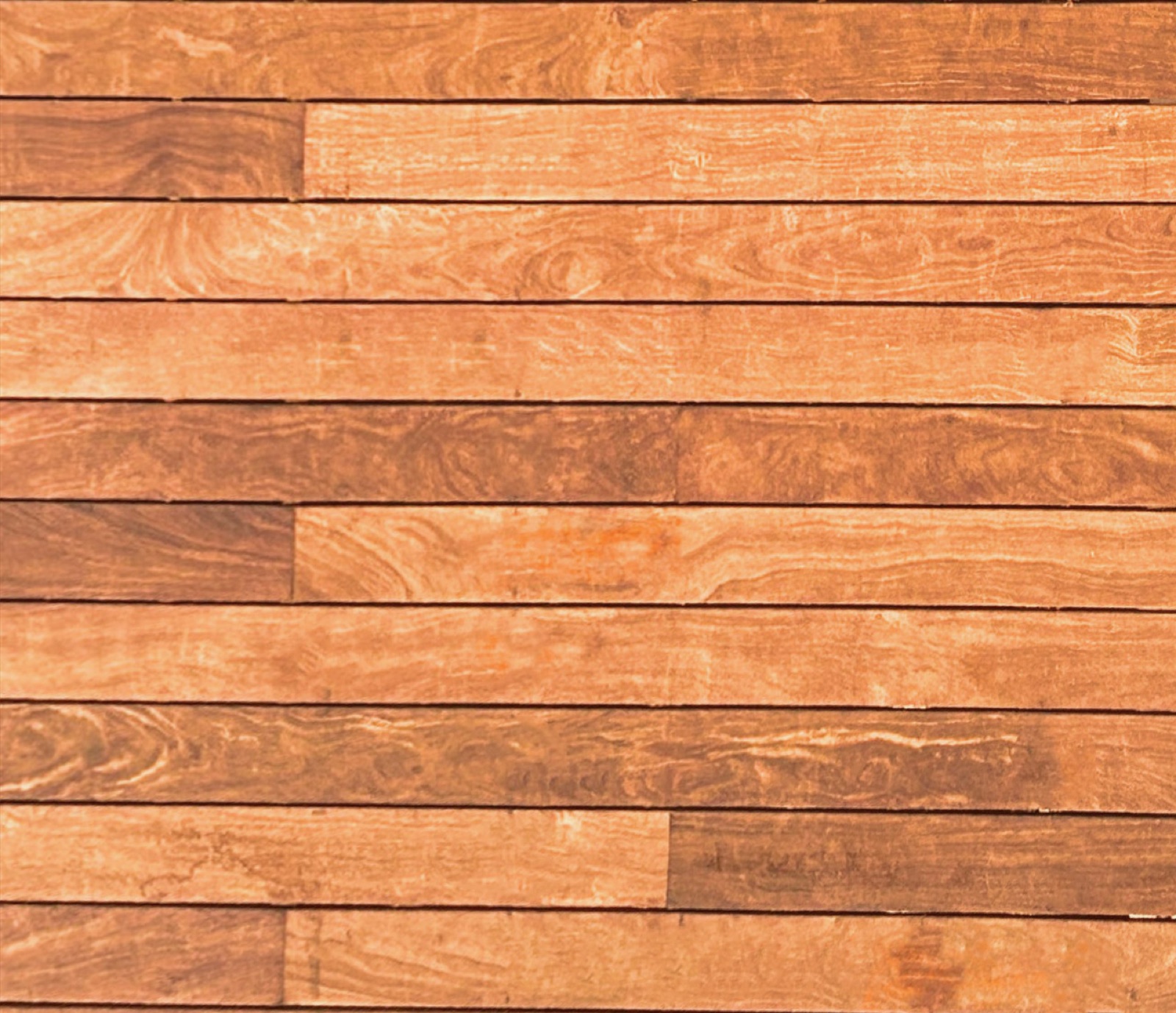
A hidden clip sets the board-to-board gap at a fixed width, usually around 3/16 of an inch depending on the clip family. That gap looks perfect on installation day. Whether it still looks perfect in August depends on how much each board shrinks and swells across its width as its moisture content chases the ambient humidity. Wood moves mostly tangentially and radially, barely at all along its length. So the reveal you see is the sum of every board's cross-grain movement, and a species that swells hard in a wet spell will pinch its neighbors and close the gap unevenly.
Ipe holds the tightest, most predictable reveal because its shrinkage coefficients are low for a wood of its density. The USDA Forest Products Laboratory documents shrinkage and movement behavior for hundreds of species in its Wood Handbook, and the pattern holds in the field: dense, low-movement tropicals keep their spacing while lighter, livelier species telegraph every weather swing into the reveal line. The Wood Database entry for Ipe and its companion pages on Cumaru and Garapa give a species-level read on movement that lines up with what installers see on a two-year-old deck.
Moisture content at install is the other half of this. Tropical decking should be run at an in-service moisture content of 12 to 16 percent for most of the continental United States, closer to the dry end of that band in arid inland climates and the wet end near the coast. Board delivered wetter than its service equilibrium will shrink after install and open the reveal wider than the clip set it. Board delivered too dry will swell and pinch. Neither is a clip failure. Both are a moisture-management failure that the clean-line spec has to account for before the first board goes down.
Narrower boards and a considered edge profile do more for a clean sightline than any clip upgrade.
Two dimensional choices shape the sightline more than the fastener ever will: board width and edge profile.
Width first. A wider board carries more cross-grain material, so it shrinks and swells more in absolute terms across its face for the same change in moisture content. A 5/4x6 nominal board (about 5.5 inches of actual face) is the workhorse of clip-fastened tropical decks for a reason. It gives enough coverage to move fast, at roughly 2.1 linear feet of board per square foot of deck, while keeping per-board movement small enough that the reveal stays honest. Push to a very wide plank and you buy a bolder look at the cost of more cupping risk and a livelier gap. For the tightest, most even reveals on a large field, narrower is calmer.
Edge profile is the detail buyers overlook. A square-edge board sits with its neighbors in a crisp, machine-straight reveal that reads modern and sharp, but it is unforgiving of any height difference between boards, since there is no eased corner to soften a proud edge. A micro-eased or lightly radiused edge throws a fine, consistent shadow line into each gap, which actually reads cleaner from standing height because it turns the reveal into a deliberate design feature and hides tiny variations in board height. For a hidden fastener deck aimed at clean lines, a consistent slight eased edge is usually the safer specification. It looks intentional and forgives the field. Whichever you choose, specify it once and hold it across the whole order so every board throws the same shadow.
Color continuity is won at the sorting table, not in the clip aisle.
Tropical hardwoods arrive with natural color range within a species. Ipe spans olive-brown to deep chocolate with occasional amber streaking. Cumaru runs reddish to tawny brown. Jatoba (Brazilian Cherry) comes in warm and can be dramatic, with pronounced color and grain variation board to board. Garapa lands in a soft honey-yellow that is more uniform than most but ambers as it ages. None of that is a defect. It is what real wood does. But on a clean-line deck, unmanaged color range fights the very continuity you are building.
The fix is racking and sorting the boards before install, laying the full order out and blending the light and dark sticks across the field so no one zone reads as a patch. Denser species with less pronounced grain, Ipe first among them, give the calmest, most furniture-like surface because their figure is subtle and their color, while it ranges, ranges within a tight family. A high-figure species like Jatoba can be stunning, but it demands more sorting discipline to keep a large deck reading as one plane rather than a collage. Order a few percent extra so the sorter has material to work with and can set aside the outliers for cut pieces and offcuts.
Every tropical decking species can hold a clip groove, but they deliver clean lines very differently.
The table below compares the species most often specified for hidden fastener decking on the axes that actually govern a clean sightline: color character, movement in service, grain and figure, and how the weathered surface ages. Janka is included as a durability and density proxy. Note that Massaranduba appears for comparison only. It is a dense, handsome wood, but the axes that matter here separate it from the species built for tight, stable reveals.
| Species | Janka (lbf) | Color as installed | Movement in service | Grain / figure | Clean-line notes |
|---|---|---|---|---|---|
| Ipe (Tabebuia spp.) | ~3,680 | Olive to deep brown | Lowest | Fine, subtle | Benchmark. Tightest, most stable reveal; calm uniform surface |
| Cumaru | ~3,540 | Reddish to tawny brown | Moderate | Interlocked, some figure | Very hard, but livelier reveal; sort for color |
| Jatoba | ~2,690 | Warm red-brown | Moderate to high | Bold, variable | Dramatic look; needs disciplined sorting for continuity |
| Red Balau | ~1,700-2,000 | Red-brown | Moderate | Straight to interlocked | Cleaner-lined value option below Ipe density |
| Garapa | ~1,700 | Honey-yellow | Moderate | Fine, uniform | Most uniform color; softer look, ambers with age |
| Massaranduba (comparison only) | ~3,190 | Deep red | Higher, checks readily | Fine | Dense but prone to surface checking; not a clean-line first pick |
Read the table by column, not by row. If the priority is a reveal that never budges, movement in service is your column and Ipe leads it. If the priority is uniform color out of the bundle, Garapa is calmest. If the priority is raw hardness under heavy foot traffic, Ipe and Cumaru are neck and neck. The clip does not care which you pick. The finished sightline cares a great deal.
Ipe holds its clean lines longest because it weathers evenly and resists the checking that breaks up a surface.
A clean deck on day one is a low bar. The real test is year three. Left uncoated, every tropical hardwood silvers as ultraviolet light breaks down the surface lignin, and the deep browns fade toward a soft driftwood gray. Ipe silvers slowly and evenly, which keeps the surface reading as one plane even as the color shifts. Species that check, meaning they open fine surface cracks as they cycle wet and dry, lose their clean read faster because each check catches light and dirt and breaks the visual continuity a clip deck was built to hold.
Ipe also carries an ASTM E84 Class A flame-spread rating, meaning a flame-spread index of 25 or less, and rates Class 1 durability under the European EN 350 standard for resistance to decay. Those ratings speak to longevity, which is really what a clean-line specification is buying: a surface that still looks deliberate after a decade outdoors. Owners who want to hold the original brown coat can maintain the deck with a UV-inhibiting penetrating oil on a schedule, refreshing before the surface fully grays. Owners who prefer the silver simply let it go. Either path keeps the lines clean as long as the boards were stable and flat to begin with. For fire-rated assemblies, confirm the code path with your AHJ against the International Code Council documents and the tested-assembly language, and cross-check the standard itself through ASTM International.
The clean-line illusion breaks at the edges, so the border, breaker boards, and fascia need a plan the clip cannot give them.
Hidden clips fasten boards to each other and to the joists through their side grooves. That works beautifully in the open field. It stops working at every edge, because the outermost board, the picture-frame border, the breaker boards over a joist seam, and the stair nosing all have at least one edge with nothing to clip to. These are exactly the boards the eye lands on, so a clean-line deck stands or falls on how they are handled.
The honest answer is that edge boards need a fastening strategy that keeps the look consistent without a visible screw grid. A picture-frame border can be face-fastened and then plugged with matching Ipe bungs, sanded flush, so the plugs read as part of the grain rather than as hardware. On tight budgets or contemporary designs, edge boards can be secked with a color-matched trim-head screw set in a pre-drilled countersink, kept to a single disciplined line. Breaker boards, where two runs meet over a doubled joist, should be planned into the layout so the seam falls on a deliberate line rather than a random one. Fascia should be milled and returned to hide the deck board end grain, since exposed end grain is the fastest way to make a careful deck look unfinished. None of this is the clip's job. All of it decides whether the finished deck reads as clean.
"People buy hidden fasteners for the look, then forget the look lives at the edges. On the decks that come out clean, somebody planned the border, the breaker boards, and the fascia return before a single clip went in. We spec the field material and the edge material together, at the same moisture content, from the same run, so it all ages as one deck. That is the part you cannot fix after the fact." Norm Moton, Director of Sales, J. Gibson McIlvain
Clean lines start below the deck, because no clip can flatten a board over a crooked joist.
A hidden clip pulls a board down to the joist and holds the gap. It cannot make a bowed board flat or bridge a low joist. If the substructure is not flat and true, every dip and hump telegraphs straight up into the walking surface, and a low sun angle turns those variations into a washboard the clip cannot hide. A clean surface is a flat frame first.
Dense tropical decking wants joists at 16 inches on center for residential loads, tightening to 12 inches for commercial traffic, diagonal patterns, or thinner stock. The joists should be crowned the same way, planed or shimmed into a single flat plane, and detailed for drainage so water clears the frame rather than sitting under the boards. When boards are grooved on both edges for clips, the grooves run horizontally into the gap and do not affect drainage the way a bottom-face channel would, but the frame still has to shed water to protect the substructure. For load spans and joist detailing, work from the span provisions in the American Wood Council code documents and sound moisture-detailing practice from Building Science Corporation. Get the frame flat and the clip does its job. Skip it and the best board in the world reads as uneven.
Modified woods can run with hidden clips too, with a length limit and a different movement profile to plan around.
Not every clean-line deck has to be tropical hardwood. Modified wood is a legitimate route, and it grooves and clips readily. Thermory and Abodo Vulcan are thermally modified softwoods with excellent dimensional stability and a lighter, more uniform color palette than the dense tropicals, which some designs want. Accoya is acetylated wood with strong stability and a warranty behind it, and it takes a groove cleanly. These products carry manufacturer warranties, which solid unmodified tropical decking does not.
Two constraints shape the spec. First, modified woods top out at around 16 feet in length, with metric stock landing just under 16 feet, because the kilns that process them cap the board length. A long clean run that a single Ipe board could cover may need a planned breaker board joint in modified material. Second, thermally modified wood is lighter and less dense than Ipe, so it reads as a different surface underfoot and takes color differently as it weathers. For CITES-listed species, note that when a species carries a listing, documentation is required to move it across borders, and a reputable supplier handles that paperwork as a matter of course. Confirm current listings through CITES and verify chain-of-custody claims against FSC certification when a project specifies certified material.
How J. Gibson McIlvain Would Specify This
For a clean-line deck built on hidden fastener clips, the specification we would write starts with the board and works outward. Choose Ipe when the reveal has to stay tight and even for the life of the deck, which is most clean-line jobs. J. Gibson McIlvain mills and stocks factory-grooved Ipe decking across every standard and custom dimension, so the side groove arrives machined to a consistent depth and height rather than cut on site where geometry drifts board to board. Consistent grooves are what let a clip family set the same reveal down the whole run.
Specify 5/4x6 as the field board for the calmest movement, a micro-eased edge held consistent across the entire order, and an in-service moisture content in the 12 to 16 percent band matched to the project's climate. Order the field material, the picture-frame border stock, and the fascia from the same run at the same moisture content so the whole deck ages as one surface. Plan breaker board locations and the border fastening method, plugged bungs or a single disciplined trim-head line, on paper before ordering. Set joists at 16 inches on center for residential and 12 inches for commercial, planed flat, and use 316 stainless clips and fasteners on any coastal project. Add a few percent to the order quantity so the crew can sort for color continuity and cull outliers to cut pieces.
J. Gibson McIlvain has supplied hardwoods since 1798 and ships tropical decking nationwide, regularly to California and every coast, as a commercial and contractor-volume supplier rather than a walk-in yard. To spec grooved Ipe, Cumaru, Garapa, Jatoba, or Red Balau for a clip-fastened deck, or to talk through the edge details that decide the finished look, see the Ipe decking page or call the sales desk at 800-638-9100. The clip hides the screw. Everything else in this guide is what makes the deck actually read clean.
Frequently Asked Questions
What board width gives the cleanest lines with hidden fastener clips?
A 5/4x6 nominal board, roughly 5.5 inches of actual face, is the sweet spot for most clip-fastened tropical decks. It covers ground efficiently at about 2.1 linear feet of board per square foot of deck while keeping per-board cross-grain movement small enough that the reveal stays even season to season. Wider planks look bolder but move more in absolute terms and carry a higher cupping risk, which works against a tight, uniform sightline. For the calmest reveals on a large field, narrower is safer.
Do square-edge or eased-edge boards look cleaner with hidden fasteners?
Both can look clean, but they behave differently. Square-edge boards give a crisp, machine-straight reveal that reads sharp and contemporary, but they are unforgiving of any height difference between boards. A lightly eased or micro-radiused edge throws a fine, consistent shadow line into each gap, which usually reads cleaner from standing height and forgives tiny variations in board height. For most hidden fastener decks aimed at clean lines, a consistent slight eased edge is the more reliable specification. Whichever you pick, hold it across the entire order.
Will the reveal gap between boards stay even over the years?
That depends far more on the species and the moisture content at install than on the clip. A hidden clip sets a fixed gap, but each board shrinks and swells across its width as its moisture content chases the ambient humidity, and that movement changes the reveal. Ipe holds the tightest, most predictable reveal because its shrinkage coefficients are low for its density. Installing at the correct in-service moisture content of 12 to 16 percent for the local climate is what keeps the gap you set on day one from opening or pinching later.
How do I keep color consistent across a large clip-fastened deck?
Rack and sort the boards before installing them. Lay the full order out, then blend light and dark boards across the field so no zone reads as a patch. Tropical hardwoods carry natural color range within a species, which is normal, not a defect. Denser, subtle-grained species like Ipe give the calmest surface, while a high-figure species like Jatoba demands more sorting discipline. Order a few percent extra so the sorter has material to blend and can set aside outliers for cut pieces and offcuts.
Can I run a picture-frame border on a hidden-fastener deck without visible screws?
Yes, with a plan. Border boards have at least one edge with nothing to clip to, so they need a separate fastening strategy. The cleanest approach is to face-fasten the border and plug the holes with matching Ipe bungs, then sand flush so the plugs read as grain rather than hardware. A disciplined single line of color-matched trim-head screws in pre-drilled countersinks is the alternative for tighter budgets or contemporary designs. Plan the border, breaker boards, and fascia return before ordering so the edge material matches the field material in moisture content and run.
Do hidden clips work with modified woods like Thermory and Abodo Vulcan?
Yes. Thermally modified woods like Thermory and Abodo Vulcan, and acetylated Accoya, all groove and clip readily and offer strong dimensional stability with a lighter, more uniform color than dense tropicals. Two things to plan around: modified woods top out at around 16 feet in length because of kiln size, so a long run may need a planned breaker joint, and they read as a lighter, less dense surface than Ipe. Unlike solid unmodified tropical decking, these modified products carry manufacturer warranties.
Why does joist flatness matter for a clean-line deck?
A hidden clip pulls a board down to the joist and holds the gap, but it cannot flatten a board over a crooked or uneven frame. Any dip or hump in the substructure telegraphs straight up into the walking surface, and a low sun angle turns those variations into a visible washboard the clip cannot hide. Set dense tropical decking on joists at 16 inches on center for residential loads, tighten to 12 inches for commercial traffic, plane or shim the joists into a single flat plane, and detail the frame for drainage. A clean surface starts with a flat frame.


