What a batch run of thousands of identical mouldings actually requires
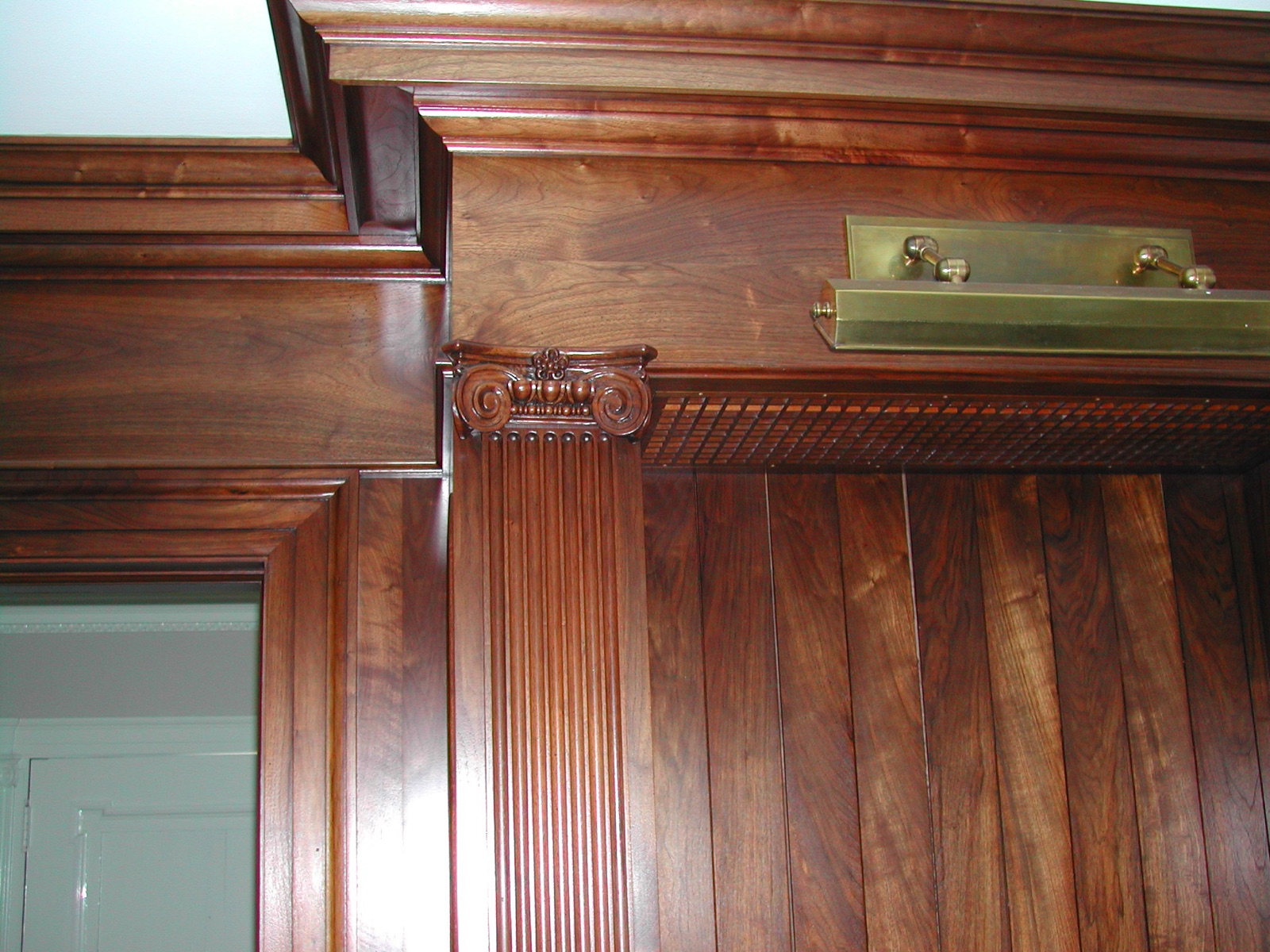
Holding one profile across thousands of pieces is a knife problem, a blank problem and a moisture problem at the same time, and a shop that has not solved all three will hand you a run that drifts somewhere in the middle. The first stick off a moulder almost always looks right. Anyone can hit a profile once. The question a buyer should be asking is whether the four thousandth stick still matches the sample that got approved in March, and whether the pieces that ship in the fourth release still stack tight against the pieces that shipped in the first.
Drift is rarely dramatic. It shows up as a fillet that reads a hair softer than it did, a cove that lost a few thousandths of depth, a bead that no longer lines up when two lengths meet at a scarf. On a hundred pieces nobody notices. On a hotel corridor with two thousand door casings, the installer notices on day two and the architect notices at punch list. J. Gibson McIlvain runs moulders, custom knife grinders, straight line and gang rip saws, band resaws and trimming saws under one roof, and mills linear trimwork, finished cladding and primed trim in production quantities for architects, builders and commercial buyers nationwide.
Everything below is about the mechanics of keeping a long run identical. Profile, blank, moisture, grain, species, finish, sequencing and paperwork. Miss one and the run is still deliverable, it just costs the installer time nobody budgeted.
The knife is the profile, and the profile library is the reason a run can be repeated
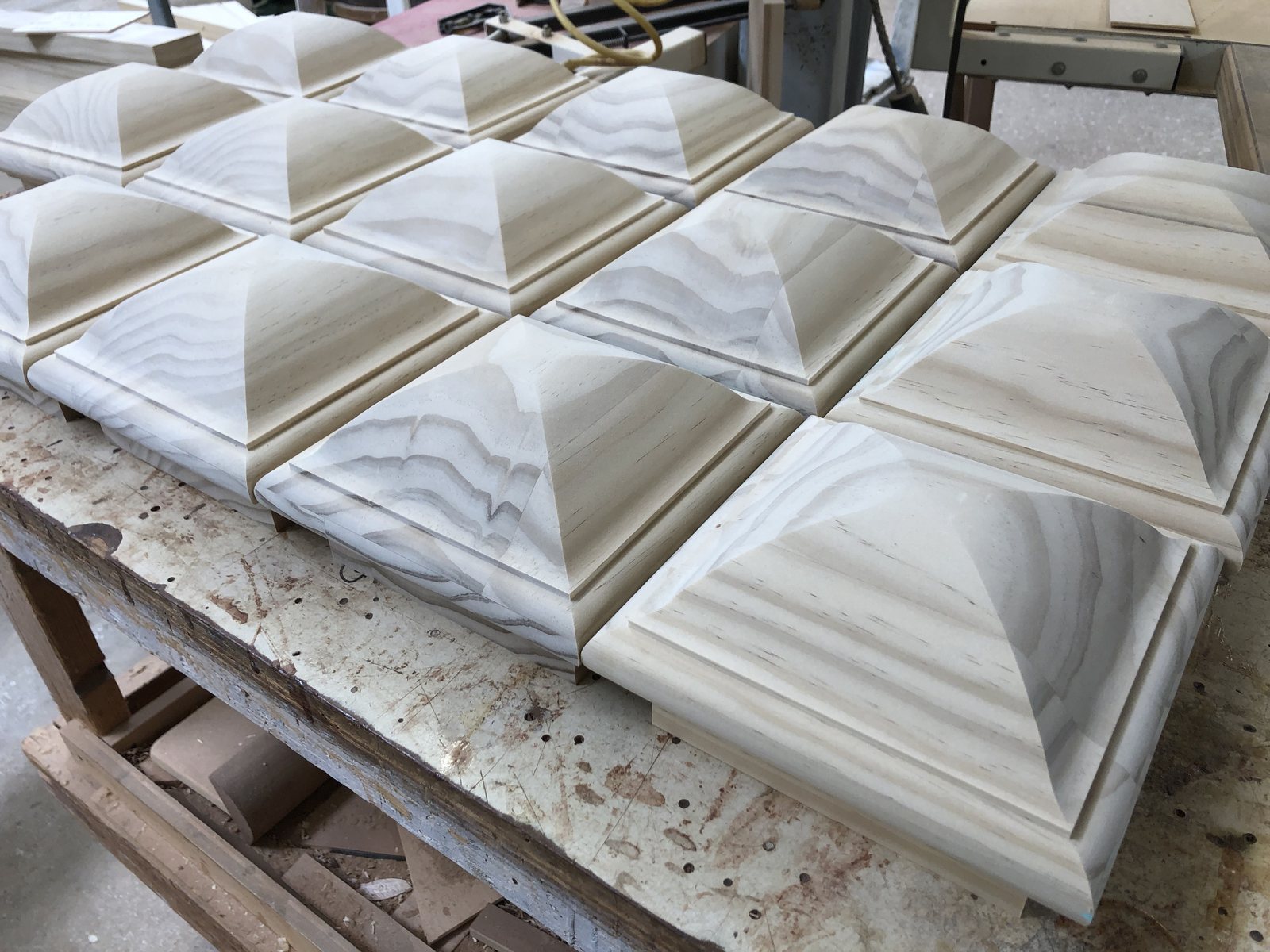
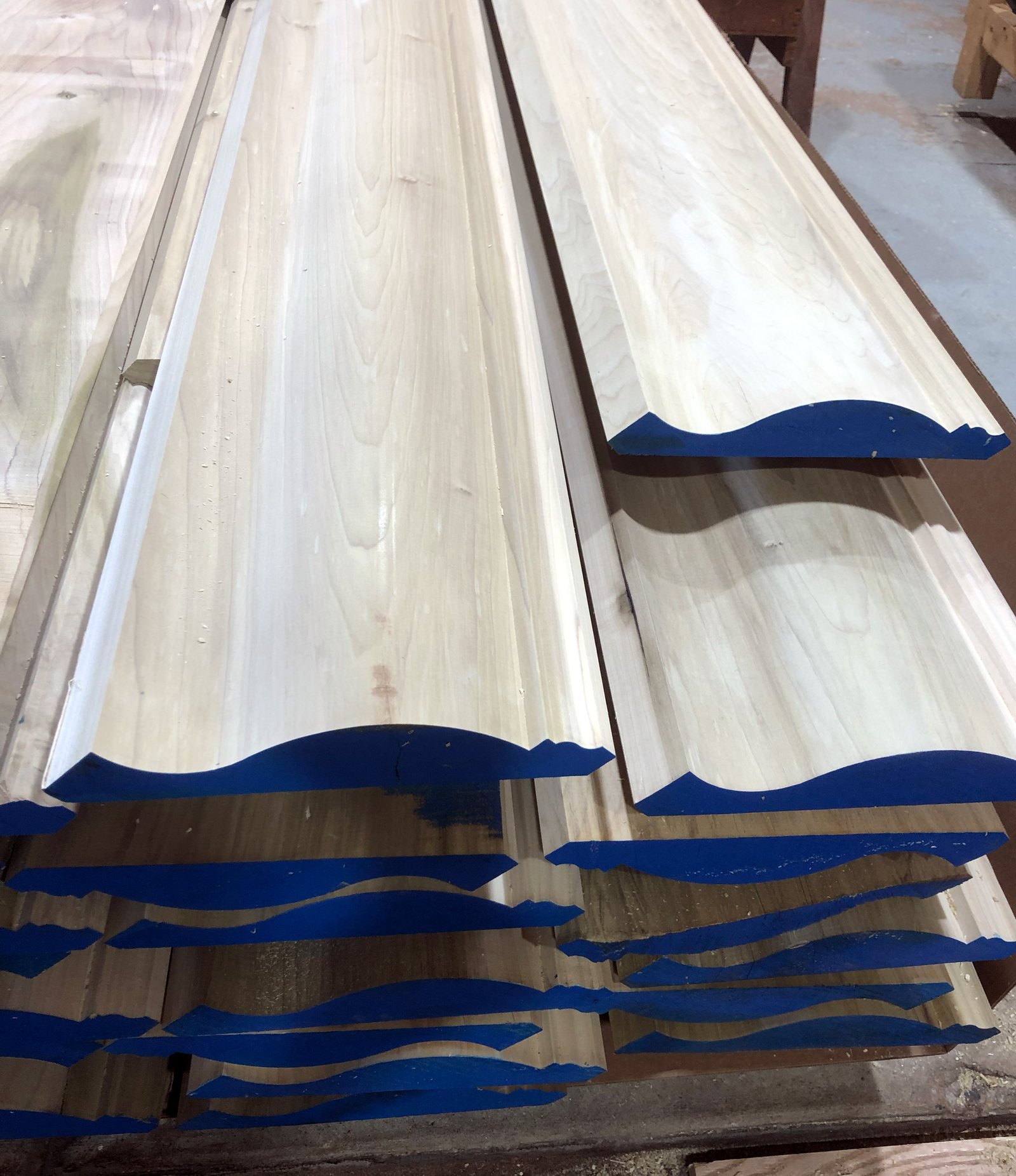
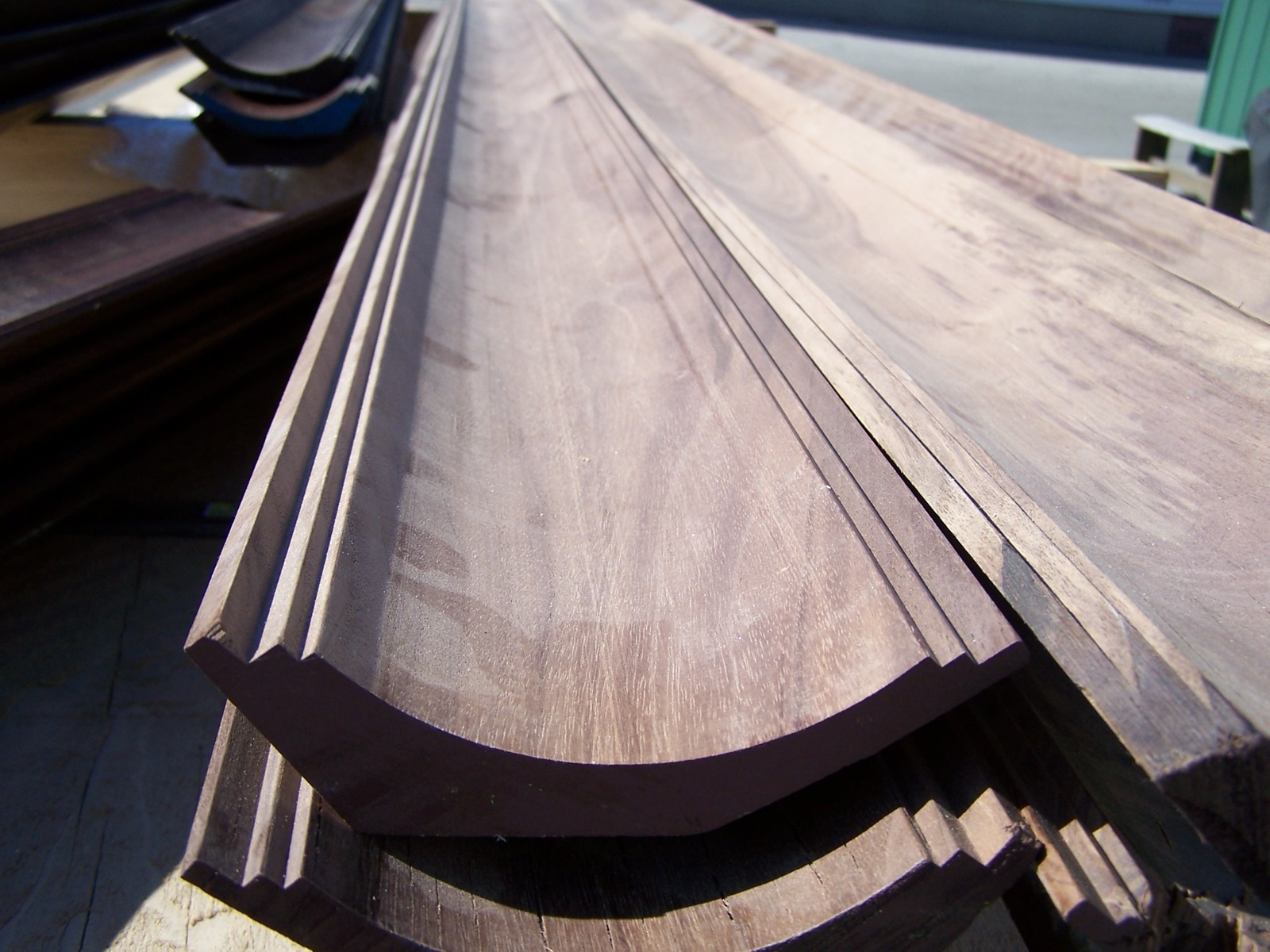
A moulding profile does not live in a drawing, it lives in a piece of steel, and whoever controls the grinding controls whether your run can be matched next year. Moulder knives are ground to the reverse of the finished shape and set into a head at a specific projection and hook angle. Grind two sets from the same drawing on two different machines and you can end up with two profiles that measure the same and look different in raking light.
J. Gibson McIlvain keeps a moulding profile library holding thousands of profiles and grinds new knives every week. That matters in two directions. A profile already in the library can be pulled and run again, which is what a phased project needs when the second building starts eighteen months after the first. A profile that is not in the library gets ground to match, including difficult historical restoration work where the only sample is a broken length of casing pulled off a wall, and contemporary profiles with the tight flat planes and sharp arrises that punish a dull knife.
The industry standard WM series maintained by the Wood Moulding and Millwork Producers Association covers the common stock shapes, and a lot of specifications start there before the architect modifies a reveal or deepens a cove. Historic districts rarely allow that flexibility. Where a district requires like for like replacement, the reference is the existing fabric itself, and the Secretary of the Interior's Standards for the Treatment of Historic Properties is the document the review board is reading from. A profile ground from a physical sample, run in the same species, is what satisfies that review.
Knives wear. On an abrasive species or a long run they wear measurably. The discipline that keeps a batch honest is scheduled regrinding against a retained master, not running steel until somebody complains about the finish.
The blank going into the moulder decides the profile coming out
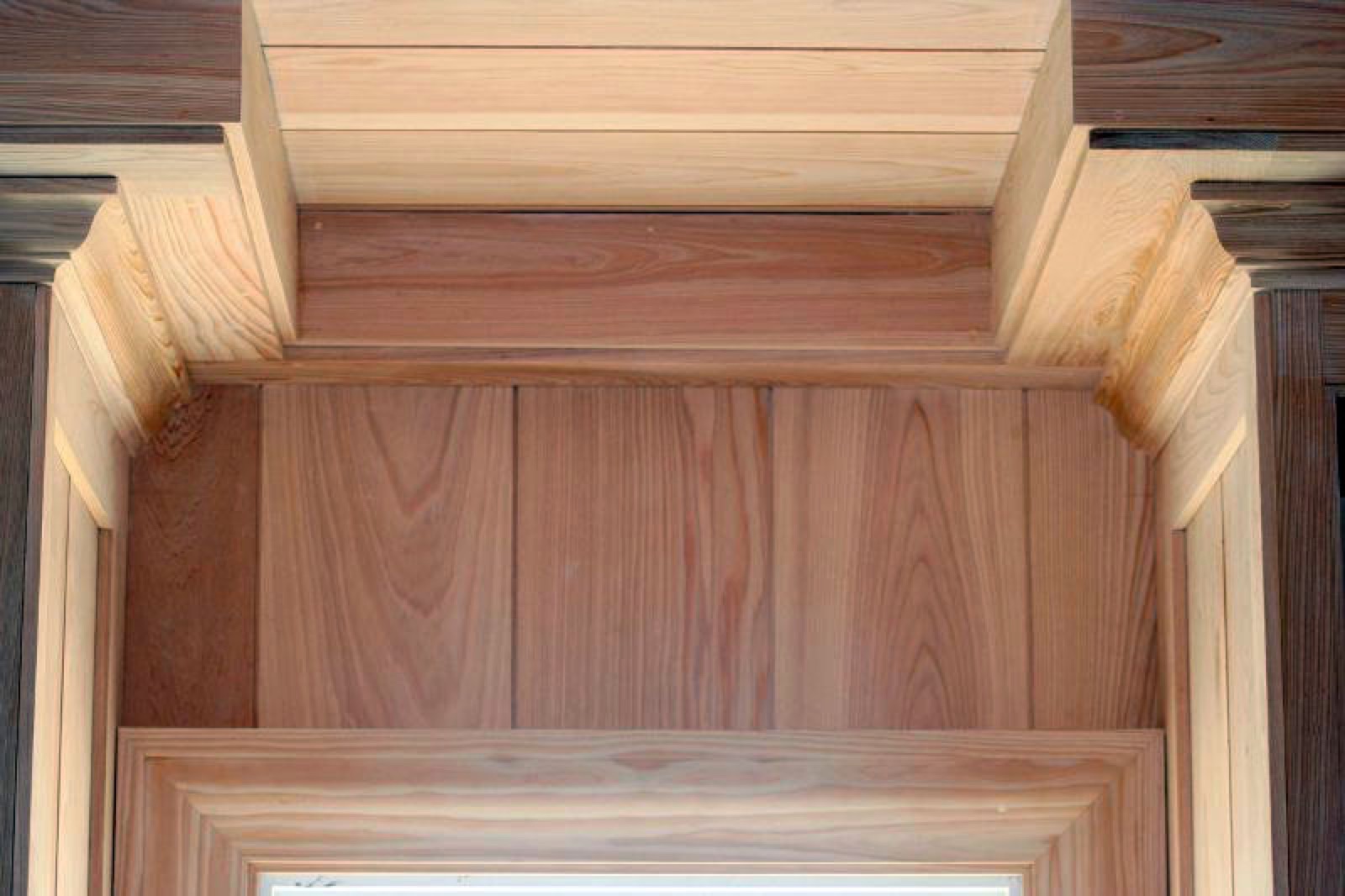
Most profile defects on a long run are not moulder problems at all, they are blank problems that the moulder faithfully reproduced. A moulder cuts what it is fed. Feed it blanks that vary in width by a sixteenth and the side heads take a different bite on every piece, which changes how much material the top head has to remove, which changes the surface finish and eventually the profile itself.
Consistent blanks come from sawing, not from the moulder. Straight line ripping puts one dead straight edge on every board so the gang rip has something honest to reference. Gang ripping then produces blanks in matched widths at volume, which is the only sane way to feed a run measured in thousands of pieces. Band resawing pulls two or more blanks out of thicker rough stock when the profile is thin, and it does it with a narrower kerf than a circular saw, so the yield on expensive imported stock is materially better. Trimming saws take out the defects that grading rules allow but a clear moulding cannot carry.
Yield planning happens before any of that. A run of two thousand door casings at a given finished width has a rough lumber requirement that depends on grade, on average board width, and on how much clear length the profile needs between defects. The National Hardwood Lumber Association grading rules describe yield in terms of clear cuttings, which is exactly the number a moulding run cares about. FAS and Select stock yields long clear pieces. Common grades yield shorter ones, which is fine for a jamb leg and wrong for a twelve foot crown that has to run a wall without a splice.
Moisture content is the variable that quietly ruins a long production run
A batch of moulding milled at the wrong moisture content will hold its profile perfectly in the shop and lose it in the building. Wood is hygroscopic. It gives up and takes on moisture until it reaches equilibrium with the air around it, and it changes dimension while doing so.
Interior millwork is milled to an in service moisture content near 6 to 8 percent. Exterior work is milled near 12 to 16 percent. Those are not arbitrary shop preferences, they track the equilibrium moisture content the material will actually see, and the Wood Handbook published by the USDA Forest Products Laboratory documents the shrinkage coefficients behind them. A casing run at 11 percent and installed in a conditioned building at 7 percent will shrink across its width. On a flat casing that opens a joint at the mitre. On a panel mould it can pull the bead away from the stile.
The failure mode specific to batch work is drift between kiln charges. Two thousand pieces may not come out of one charge. If charge one lands at 7 percent and charge three lands at 9 percent, the profile is identical and the finished pieces are not the same width. That is why a production run gets metered as it is milled, not once at the start, and why the pieces are stored in conditioned space rather than left in a yard to re equilibrate. Building Science Corporation publishes a good deal of material on interior conditions and wood movement that is worth reading before a specification gets locked.
Grain orientation is a specification decision, not a milling accident
Quartersawn and rift stock moves less across its width than plainsawn, which is why it belongs in any long run that has to stay flat under paint or hold a crisp panel face. The difference is not marginal. Tangential shrinkage in most species runs roughly double radial shrinkage, so a plainsawn blank and a rift blank of the same width respond very differently to the same seasonal swing.
On a stain grade run there is a second reason. Rift White Oak gives a straight consistent grain line down every piece, which reads as one material across a corridor. Plainsawn White Oak gives cathedral figure that varies piece to piece, which is beautiful on a table top and busy on four hundred linear feet of chair rail. Specify the cut, not just the species, and specify it in writing before the lumber is bought, because the sawing decision is made at the log.
Grade selection follows the same logic. A paint grade run tolerates sound color variation and does not tolerate mineral streak that will telegraph through primer. A clear stain grade run needs color and figure held across the whole batch, which means the lumber for the entire run gets pulled and set aside at the start rather than bought in pieces as the job releases. Buying a second time is how a run ends up with two colors of Cherry in one building.
Species choice changes how a thousand piece run behaves, not just how it looks
Hardness, grain structure and dimensional stability decide how many pieces run between knife sharpenings and how well the profile survives handling, and those are production questions before they are design questions. Density data from the Wood Database is a reasonable starting reference, but the numbers only tell part of the story. Interlocked grain in Sapele, for instance, tears more readily than the Janka number suggests, which is a feed rate and knife geometry conversation, not a reason to avoid the species.
For painted exterior trim, Sapele is the better call over Genuine Mahogany. It holds paint better, and it comes in a wider range of sizes and longer lengths, which matters enormously when a run needs sixteen foot pieces rather than joined ones. Sapele is not milled 1x8 for exterior use, since that width is too wide to stay stable in an exterior application. Cupping in exterior trim is driven by installation detail and back ventilation, not by species, so the specification should address the furring and the back priming rather than blaming the wood.
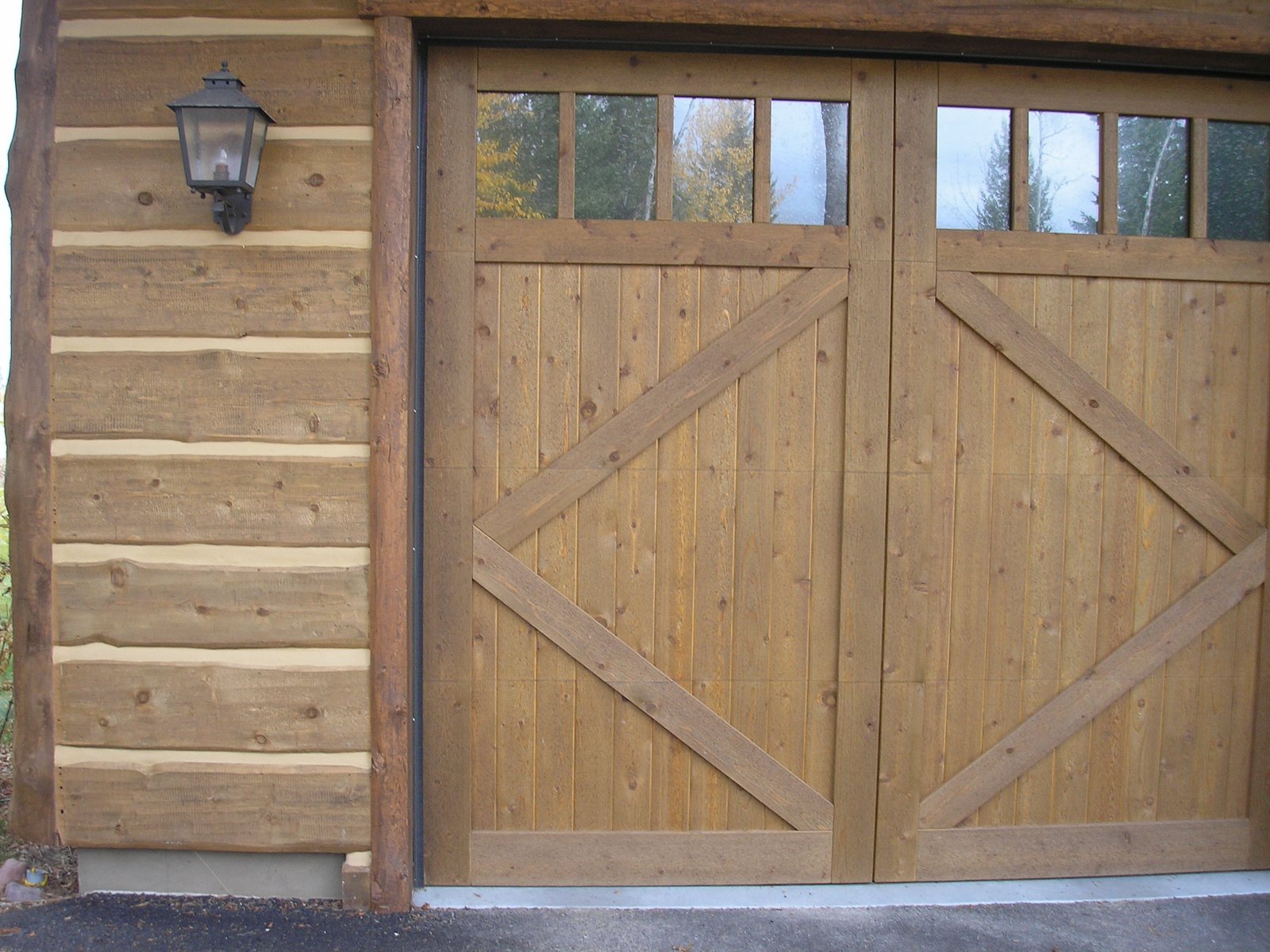
Cedar remains a legitimate default for exterior trim and cladding, and the grade distinction is the part that gets muddled. Clear vertical grain, CVG, gives a uniform straight grained face that takes paint and stain evenly and is the right call for a run of finished cladding. Select tight knot, STK, carries sound knots and reads as a different product entirely, which is correct where the design wants that character and wrong where the architect expected a clean paint surface.
Modified woods are their own category. Accoya, Thermory and Abodo Vulcan are acetylated or thermally modified products with warranties attached, which no solid unmodified wood carries. They top out around 16 ft, and most are sold on metric lengths just under 16 ft, because that is the size of the kiln. Thermally modified Ash is not available wider than 8 inches, so a wide board in a modified product means Accoya or Abodo Vulcan. Technical documentation from Accoya and Thermory, along with Abodo Vulcan, covers the movement and durability data behind those products.
| Species | Janka (lbf, approx) | Where it fits in a batch run | What to watch across thousands of pieces |
|---|---|---|---|
| Sapele | 1,410 | Painted exterior trim, long lengths, wide size range | Interlocked grain wants slower feed and sharp steel. Not milled 1x8 for exterior |
| White Oak (rift or quartered) | 1,360 | Stain grade interior trim that must read consistent | Specify the cut at purchase. Plainsawn figure varies too much piece to piece |
| Hard Maple | 1,450 | Paint grade interior, tight crisp profile detail | Burnishes if feed rate drops. Color sorting matters on clear finish runs |
| Cherry | 950 | Stain grade interior where color development is wanted | Buy the whole run at once. Color darkens with light exposure and varies by lot |
| Genuine Mahogany | 800 | Interior stain grade and traditional profiles | Softer, so handling damage on long runs is real. Sapele is the better painted exterior choice |
| Western Red Cedar, CVG | Soft, low density | Exterior trim and finished cladding runs | Distinguish CVG from STK in the specification. The two are not interchangeable |
| Accoya | 1,600 | Exterior runs needing minimal movement and a warranty | Length capped around 16 ft by kiln size. Fasteners and coatings per manufacturer |
Primed trim is part of the milling run, not a separate errand afterward
Priming thousands of pieces in the shop gives a more even painted surface than any site crew can achieve on a stack of raw trim, and it happens while the profile is still crisp. J. Gibson McIlvain primes wood in three levels, in both oil based and water based systems, so the specification can be matched to the finish coat the painter is actually using.
Exterior primed trim should carry a fungicide additive. That is a small line item on a submittal and a large difference on a north facing elevation. Open grained species absorb a great deal of finish, and a shop primer coat evens that absorption out so the eventual painted surface reads uniform rather than patchy. The step buyers forget is what happens after priming. Waterborne primers raise grain. Sanding or buffing after the prime coat knocks that back while keeping the moulded detail sharp, which is the whole point of paying for a milled profile in the first place.
Back priming belongs in the same conversation. A piece of exterior trim sealed on five faces and left raw on the back is a moisture pump. Sealing all faces before the material leaves the shop is straightforward on a production run and nearly impossible to do properly once the pieces are on a jobsite in stacks.
Run continuity is a documented process, and buyers should ask to see it
The difference between a shop that can run a thousand pieces and a shop that can run a thousand identical pieces is retained samples, first article approval and scheduled measurement against a master. Ask any millwork supplier how a profile is verified in the middle of a run. The answer tells you most of what you need to know.
Sound practice looks like this. A first article piece gets run, measured and approved against the drawing before production starts, and a physical retained sample stays with the job file. Knives get checked against that master on a schedule tied to piece count and species abrasiveness rather than to operator judgment. Pieces get sequenced and marked so that material from a single lumber lot stays together through the building rather than getting scattered across four floors. Anything that misses gets pulled at the trimming saw instead of being shipped and argued about later.
The Architectural Woodwork Institute publishes quality standards that give a specifier common language for tolerance and grade, which is useful on a bid set where three shops are pricing the same drawings. Referencing a grade in the specification removes a whole category of dispute.
"On a run of a few thousand pieces, our customers are not really buying a profile. They are buying the promise that piece number two thousand looks like the sample we sent in the beginning. That is why we grind our own knives here and keep the master on file. When the second phase of a job comes back to us two years later, we are pulling the same profile off the shelf instead of reverse engineering it from a photograph."
Norm Moton, Director of Sales, J. Gibson McIlvain
Storage and release scheduling are what make a large run usable on site
A jobsite that takes delivery of four thousand pieces of finished trim at once has just created a damage problem and a storage problem it did not need. Large runs work best when the milling happens as one continuous production job and the delivery happens in releases that follow the construction schedule.
J. Gibson McIlvain stores finished millwork for inventory control, which lets a project draw material floor by floor or building by building while the whole run stays under one roof at one moisture content. Material that sits in a conditioned warehouse is material that is not absorbing job site humidity from a poured slab. Packaging matters as much as the milling. Bundles get banded, counted, marked and protected so that the pieces arrive with their arrises intact, since a crushed bead on a finished piece is not repairable in any way the painter will accept.
Shipping runs nationwide, regularly out to California. What the shop does not do is install. J. Gibson McIlvain supplies and mills the material, and the installing contractor handles field measurement, fitting, fastening and finish coats. That division is worth naming early in a project, since the installer's scope should include the scribing and coping allowances that a milled run will always need at real walls.
Curved and radius work sits outside straight linear production. Radius trimwork and radius millwork are handled through ICD, the company's architectural millwork division, which builds true custom work planned around a specific space. Where a run of straight casing meets an arched opening, ICD matches the profile into the curve so the two read as one material.
Documentation travels with the material, and warranties only exist where they honestly can
On a commercial run, the paperwork is part of the deliverable, and a supplier who cannot produce it on request will hold up a submittal. Chain of custody documentation for FSC certified material is the common one, and it matters on projects pursuing certification through programs administered by the U.S. Green Building Council. J. Gibson McIlvain is FSC certified.
Where a CITES listed species is involved, documentation and chain of custody travel with the material as a matter of course. That is a normal part of importing, not an obstacle, and the buyer should expect the paperwork to arrive with the shipment rather than having to chase it.
Warranties deserve a plain statement. There are no warranties on solid unmodified wood. It is not possible to warranty an organic material that responds to its environment, and any supplier offering one is writing a check the material cannot cash. Warranties exist on modified products such as Accoya, Thermory and Abodo Vulcan, where the manufacturing process itself is what is being guaranteed. Everything else is handled through species selection, moisture control, grain orientation, finishing and installation detail, which is exactly why those decisions get made carefully at the front of a large run.
How J. Gibson McIlvain Would Specify This
A batch run of thousands of identical mouldings should be specified as one production job with one lumber purchase, one profile master, one moisture target and a release schedule, not as a series of repeat orders. The sequence below is how the work gets set up when it goes well.
Start with the physical sample or the dimensioned profile drawing, and settle whether the profile already exists in the library or needs a knife ground. Historic matching begins with a piece of the original, not a photograph. Set the species and the cut in the same conversation, since rift and quartersawn stock has to be bought as such. Fix the moisture target against the actual service condition, near 6 to 8 percent for interior and near 12 to 16 percent for exterior, and confirm whether the building will be conditioned before the trim arrives.
Purchase the full run of lumber at once so color and grade stay consistent across the whole building. Decide the finish scope early, including primer system, primer level, fungicide additive on exterior work, and whether the pieces get back primed and sanded after priming. Approve a first article piece against the drawing and keep a retained sample on file. Then agree the release schedule and the packaging so material shows up in the quantity the installer can actually stage.
J. Gibson McIlvain has been supplying lumber since 1798 and mills linear trimwork, finished cladding and primed trim in production quantities, with millwork services including moulders, custom knife grinding, straight line and gang ripping, band resawing and priming on its own floor. Radius work, custom doors, box beams and cabinetry are handled through ICD, the company's architectural millwork division. Bring the profile, the count, the species and the schedule, and call 800-638-9100 to get the run planned before the lumber is bought.
Frequently Asked Questions
How many pieces counts as a batch production run of moulding?
There is no fixed threshold, but the planning changes once a run is large enough that it cannot come from one lumber lot or one kiln charge. At that point the shop has to manage color consistency, moisture consistency across charges, knife wear and release scheduling as separate problems. Runs in the hundreds are usually a single setup. Runs in the thousands need first article approval, a retained master sample and scheduled verification during production. Talk about the total count, the number of distinct profiles and the delivery schedule at the same time, since all three affect how the lumber is bought.
Can a shop match a custom profile that is not in any catalog?
Yes. J. Gibson McIlvain keeps a moulding profile library holding thousands of profiles and grinds new knives every week, so a profile that is not already on file gets ground to match. That includes historical restoration profiles taken from a physical sample pulled off an existing building, and contemporary profiles with tight flat planes and sharp arrises. The best input is a piece of the original moulding rather than a photograph or a traced outline, since a knife has to be ground to the reverse of an exact shape.
Will the profile still match if the second phase of the project runs two years later?
That is exactly what a profile library is for. Once a knife has been ground and the profile recorded, the same setup can be pulled and run again for a later phase. The variables to watch on a repeat run are species, cut and lumber lot rather than the profile itself. If the first phase used rift White Oak from a specific run of lumber, matching the color on a later phase is harder than matching the shape, which is why buying the full quantity up front is the safer approach on a phased job.
What moisture content should be specified for a large trim run?
Interior millwork is milled to an in service moisture content near 6 to 8 percent and exterior work near 12 to 16 percent. The important part on a large run is consistency across the whole batch, not just the target number, since material from different kiln charges can arrive at slightly different values. Confirm whether the building will be conditioned before the trim is delivered. Installing interior trim into an unconditioned building with a green slab is one of the most common causes of joints opening after the fact.
Can the moulding be primed before it ships?
Yes. Priming happens in three levels, in both oil based and water based systems, so it can be matched to the finish coat the painter intends to use. Exterior primed trim should carry a fungicide additive. Open grained species absorb a great deal of finish, and a shop primer coat evens that absorption out so the painted surface reads uniform. Sanding or buffing after priming knocks back the raised grain that waterborne primers cause while keeping the moulded detail crisp.
Does J. Gibson McIlvain install the millwork it produces?
No. J. Gibson McIlvain supplies and mills. Field measurement, fitting, fastening and finish coats are the installing contractor's scope. A production run is delivered milled, primed if specified, bundled, counted and marked, and the installer handles scribing, coping and mitring at real walls. Building that allowance into the installer's scope from the start avoids the assumption that a milled run will drop into place without fitting.
Can a run be delivered in stages instead of all at once?
Yes, and on a large job that is usually the better plan. Finished millwork is stored for inventory control, which lets a project draw material floor by floor or building by building while the whole run stays under one roof at one moisture content. Shipping is nationwide, including regular deliveries to California. Set the release schedule when the order is placed so the packaging and marking can be organized around it.
Is there a warranty on a large run of solid wood moulding?
There are no warranties on solid unmodified wood. It is an organic material that responds to its environment, and no supplier can honestly warranty that behavior. Warranties exist on modified products such as Accoya, Thermory and Abodo Vulcan, where the modification process itself is what is guaranteed. On solid wood, performance is managed through species selection, grain orientation, moisture control, finishing and installation detail rather than through a warranty document.
Sources and Standards Referenced
- Wood Handbook, Wood as an Engineering Material (FPL GTR-190), USDA Forest Products Laboratory
- Wood Moulding and Millwork Producers Association
- National Hardwood Lumber Association
- Architectural Woodwork Institute
- The Secretary of the Interior's Standards for the Treatment of Historic Properties, National Park Service
- Building Science Corporation
- The Wood Database
- Forest Stewardship Council
- CITES, Convention on International Trade in Endangered Species of Wild Fauna and Flora
- J. Gibson McIlvain Millwork Services