Yes, and the Proof Lives on the Invoice Line
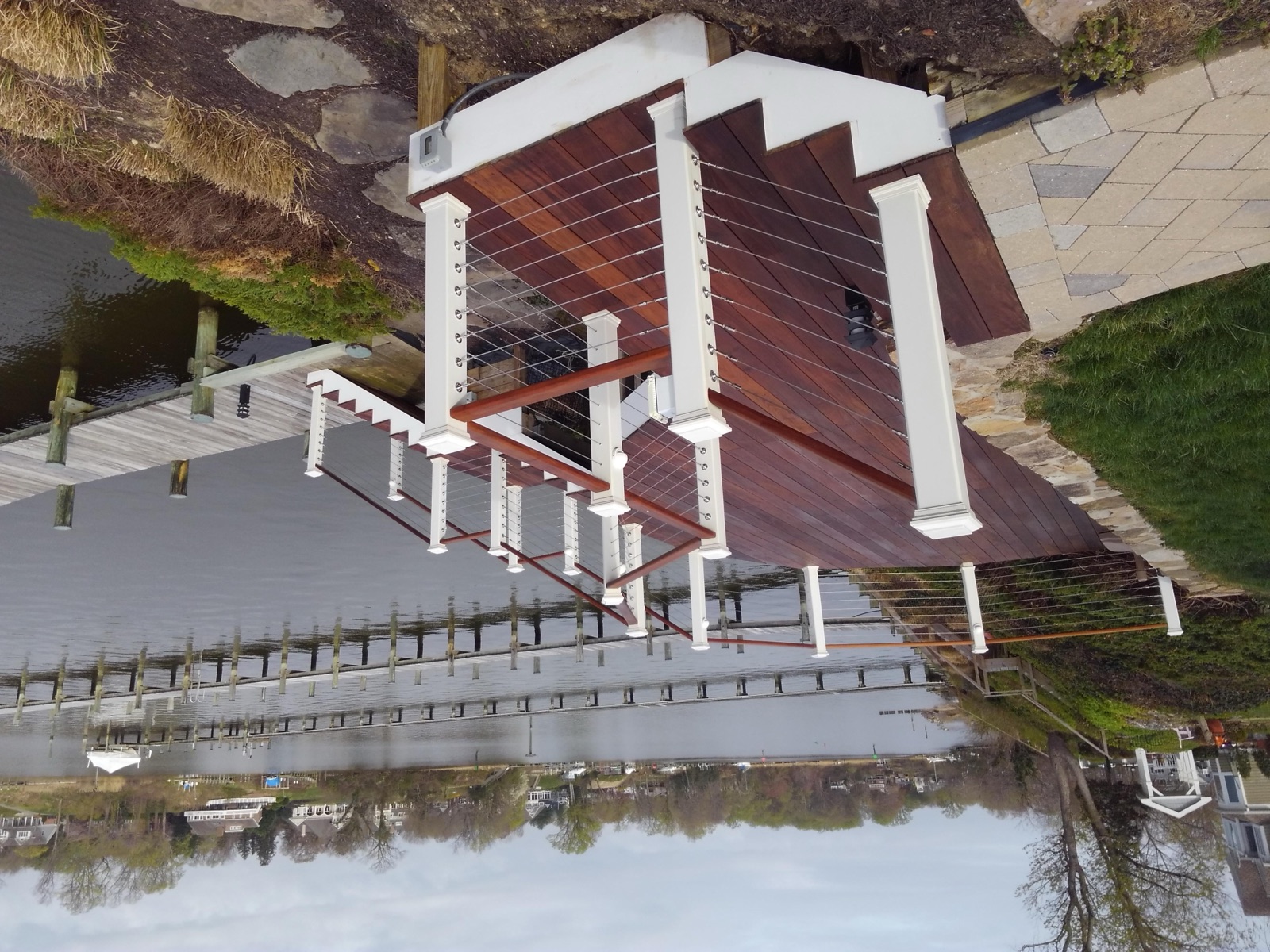
FSC-certified tropical hardwood decking is a real, orderable product in Ipe, Cumaru and Garapa, and the thing that decides whether your project can claim it is not the forest but the invoice. Certified boards are physically identical to uncertified boards from the same region. Same species, same density, same weathering behavior. What you are buying is a documented chain of ownership that runs from a certified forest concession through every mill, exporter and distributor that took title, ending at the last certified seller whose invoice states the claim. Break the chain once and the certification is gone, no matter how the wood was harvested. J. Gibson McIlvain supplies FSC-certified Ipe, Cumaru and Garapa decking to commercial and residential projects and ships it nationwide, with regular deliveries as far as California. This article covers the procurement mechanics. How the claim types work, how to verify a certificate before you cut a purchase order, which species survives a commercial spec, and what the submittal reviewer will ask you to produce.
The Claim Type That Belongs on Solid Decking
Solid tropical decking should carry the FSC 100% claim, and a buyer who understands the three claim types can read an invoice the way a reviewer does. The Forest Stewardship Council recognizes three output claims under its chain of custody system. FSC 100% means every fiber in the product came from FSC-certified forests. FSC Mix means the product combines certified fiber with controlled wood or reclaimed content, a claim built for paper and composite panels where fiber streams blend in production. FSC Recycled covers reclaimed material. A solid Ipe deck board is one piece of one tree, so the honest claim for solid tropical decking is FSC 100%. If a quote for solid boards arrives carrying an FSC Mix claim, ask questions. It is not automatically wrong on engineered or finger-jointed product, but on solid decking it signals a supplier who either does not understand the system or is papering over a gap in it. The claim must appear on the sales invoice tied to the specific line item, together with the seller's certificate code. A certificate hanging in the lobby certifies the company. Only the invoice certifies your wood.
Verify the Certificate Before You Cut the PO
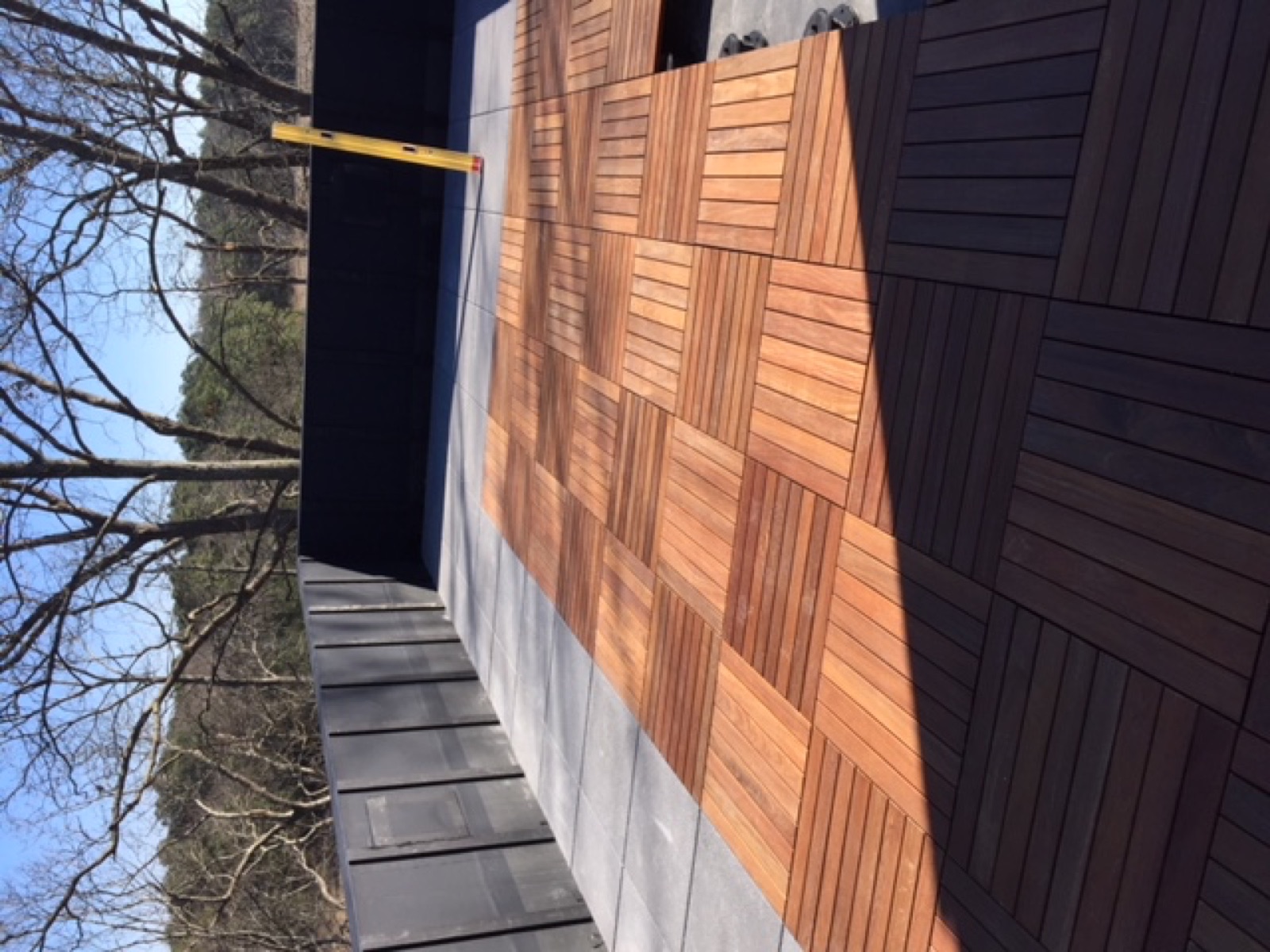
Every FSC chain of custody certificate can be checked in the public FSC database in under two minutes, and no certified order should proceed until someone on the buying side has done it. Each certificate carries a code issued through a certification body, in a format like XXX-COC-000000. Search that code through the certificate lookup at fsc.org and confirm three things. First, the certificate status is valid, not suspended or expired. Certificates lapse, and a supplier quoting against a suspended certificate cannot legally apply the claim. Second, the certificate scope covers the product you are buying. Scope is specific. A company certified for plywood trading is not certified to sell you sawn tropical decking under claim. Third, the certificate holder is the company on your quote, not a sister entity or a former trading name. Then confirm one more thing that the database cannot show you. Every company that takes ownership of the wood between the forest and you must hold its own chain of custody certificate. A certified mill selling through an uncertified broker produces uncertified wood at your jobsite, full stop.
The orders that go sideways are the ones where the certificate chase starts after the truck is loaded. Tell us on the first call that the job is FSC. We allocate certified stock to the order, the invoice carries the claim and our certificate code, and your submittal package practically writes itself. What I cannot do is bless material after the fact that never moved through the certified chain.
Norm Moton, Director of Sales, J. Gibson McIlvain
Match the Species to the Project Class First
The commercial 2x thickness rule sorts these three species before certification ever enters the conversation, and it points public work at Ipe and Cumaru. Commercial boardwalk, pier and plaza decks are specified at 2x thickness to control deflection under crowd loading, and no professional will go first with a thinner board on a public job even where the strength math for 5/4 pencils out. Only Ipe, Cumaru and Jatoba can be sourced consistently in true 2x decking thickness. That single fact filters Garapa out of commercial specs regardless of its FSC status. So the question splits by project class. On a certified municipal boardwalk or a pier for a park authority, your realistic choices are FSC Ipe or FSC Cumaru in 2x6. Ipe (Tabebuia spp.) brings a Janka hardness around 3,680 lbf, density near 1,050 kg/m3, EN 350 Class 1 durability and a Class A flame spread rating under ASTM E84, meaning a flame spread index of 25 or less. Cumaru runs close behind at roughly 3,540 lbf and 1,070 kg/m3, with a warmer and more varied color range. Garapa, golden in color and around 1,700 lbf, belongs on residential decks and on engineer-approved 5/4 work, where it performs well and costs less than Ipe. If a project bans tropical hardwood outright, thermally modified options such as Thermory and Abodo Vulcan fill that slot, with the understanding that kiln size caps modified lengths just under 16 feet.
Plan Dimensions Early and Lock Them Into the Certified Order
A certified order should carry its full dimension list from the first conversation, since certified material is tracked and segregated from open stock at every step. Chain of custody is physical as well as clerical. Certified bundles are identified, stored and invoiced separately from the open program, which means a mid-project addition of stair treads or fascia is a new certified transaction, not a quick pull from the rack. Do the takeoff completely before the order goes in. Count the field decking, then the stair treads, the fascia, the handrail cap stock and the blocking that will show. For estimating, a 5/4x6 board covers about 2.1 linear feet per square foot of deck. On the supply side, Ipe is the deep end of the pool. J. Gibson McIlvain holds a vast Ipe inventory across all standard and custom dimensions, from 1x4 through 2x12 and into custom milled profiles, so matching a certified order's dimension schedule is a planning exercise, not a scramble. Cumaru follows a similar range. Garapa concentrates in 1x and 5/4 decking profiles, which fits the residential work it belongs on. Long lengths deserve a note on the order too. Dense tropical decking ships in tallies that mix lengths, and a job that needs continuous 20 foot runs across a long elevation should say so up front rather than discover the tally on delivery day.
The Species Compared as a Procurement Decision
Set the three species side by side on procurement criteria rather than raw durability numbers and the choice for any given project class becomes nearly automatic. The table below adds Jatoba, which shares the 2x sourcing consistency of Ipe and Cumaru, and Massaranduba, a species that appears in competing quotes and deserves an honest comparison even though it sits outside the J. Gibson McIlvain program.
| Species | Janka hardness | Density | Consistent 2x sourcing | Where it belongs on a certified project |
|---|---|---|---|---|
| Ipe (Tabebuia spp.) | ~3,680 lbf | ~1,050 kg/m3 | Yes | Commercial boardwalks, piers and plazas in 2x; premium residential in 1x and 5/4 |
| Cumaru | ~3,540 lbf | ~1,070 kg/m3 | Yes | Commercial 2x work and residential decks wanting warmer, more varied color |
| Jatoba | ~2,690 lbf | Lighter than Cumaru | Yes | Commercial 2x work and reddish-toned residential decks |
| Garapa | ~1,700 lbf | Well below Ipe | No | Residential decks and engineer-approved 5/4 work; golden color |
| Massaranduba | ~3,190 lbf | ~1,150 kg/m3 | Comparison only | Shown for reference; not part of the J. Gibson McIlvain decking program |
Read the far right column as the operative one. Hardness numbers make good sales literature, but on a certified project the controlling questions are whether the species ships consistently in the thickness the engineer specified and whether the certified chain reaches your region in that dimension.
What the Submittal Reviewer Will Ask For
A certified decking submittal stands on four documents, and assembling them before the reviewer asks is the difference between approval and a three week delay. First, a copy of the supplier's valid chain of custody certificate, matched to the certificate code on the quote. Second, the sales invoice or a pro forma showing the FSC 100% claim applied to each certified line item. Third, for projects pursuing LEED, the invoice-level documentation that lets the project team calculate the certified wood contribution under the responsible sourcing of raw materials credit. LEED math runs on invoiced value of certified product, so the claim must sit on the line, not in a cover letter. Fourth, import compliance. FSC certification does not replace legal due diligence. Imported wood enters the United States under the Lacey Act, which requires an import declaration identifying genus, species and country of harvest, and the importer of record carries that duty. Separately, when using a CITES-listed species, export permits and import documentation under the CITES convention are required, and a supplier that runs its own import program handles that paperwork before the wood ever reaches a port. On public boardwalk work, add the access requirements of the ADA accessibility standards to the checklist, since board gapping and surface tolerances get reviewed alongside the wood itself.
Certification Does Not Change How the Wood Behaves
An FSC claim changes the paperwork, not the board, so certified Ipe and Cumaru will still move, still silver in the sun and still show surface checking as they acclimate. Buyers new to certified tropical decking sometimes expect a premium product in the physical sense. What arrives is the same dense, oily, mineral-hard wood documented by the USDA Forest Products Laboratory literature, with in-service moisture content settling between 12 and 16 percent depending on climate. Surface checking deserves a straight explanation. Checking is the wood's natural tension release as the board surface heats and dries faster than the core. It does not weaken the board, small surface checks are normal, and their presence is a sign of proper seasoning rather than a defect. No supplier can promise to prevent it and none should. What responsible supply does is reduce it. J. Gibson McIlvain factory coats its tropical decking with Cutek, a penetrating oil wood stabilizer that slows the surface moisture swing and significantly reduces checking. Site practice keeps checks small from there. Confirm moisture at delivery, seal every field-cut end the day it is cut, and store bundles flat, stickered and out of direct sun until installation.
Installation Decides the Outcome as Much as the Certificate
A certified board on a bad frame fails exactly like an uncertified one, so the joist system, ventilation and fastening deserve the same rigor as the paperwork. Frame dense hardwood decking on joists at 16 inches on center. Give the deck real airflow underneath, because a board that can dry from one face only will cup no matter its pedigree, and skirted decks need vent area engineered in. Fasten with stainless steel, and make it 316 stainless within reach of salt air. Drilling is site work, always. No mill drills fastener holes before shipping, and no buyer should ask for it, since the hole pattern only exists once the frame is built and the field cuts are made. On site, pilot every hole. Run two fasteners per board at every joist, hold roughly 3/4 inch edge distance, and drill full pilots near board ends where splitting risk peaks. Land butt joints on doubled bearing, never on a single joist face. A self-centering combination bit that drills and countersinks in one pass keeps the crew consistent across thousands of holes. Guidance on connection design and outdoor structural detailing is published by the American Wood Council, and it applies with extra force to woods this dense. There is no silver-bullet species. Profile, fastener, ventilation and detailing carry as much of the service life as the wood does.
How J. Gibson McIlvain Would Specify This
Write the certification requirement, the species, the thickness and the finish into the spec as one clause, and name the documentation at bid time rather than at submittal. For a commercial boardwalk, pier or plaza, specify FSC 100% certified Ipe or Cumaru decking at 2x6, S4S with eased edges, kiln dried for exterior use, factory coated with Cutek, installed on joists at 16 inches on center with 316 stainless fasteners and two fasteners per board per joist. Require the supplier's chain of custody certificate copy and invoice-level FSC claims as bid submittals, and require the importer of record to confirm Lacey Act declaration responsibility in writing. For residential and engineer-approved 5/4 work, the same clause structure applies with FSC Garapa or 5/4 Ipe substituted, and with the engineer's deflection check attached where 5/4 spans are in question. Where a client wants long continuous runs, state the minimum length tally in the spec instead of hoping the shipment breaks your way. J. Gibson McIlvain mills and ships FSC-certified Ipe decking along with Cumaru, Garapa, Jatoba and Red Balau from its own inventory, serving architects, contractors and commercial buyers in every state. The company has been in the lumber trade since 1798 and runs its own import program, which is why the certificate codes, claims and declarations arrive with the material instead of trailing it. Send the dimension schedule and the certification requirement to the sales desk at 800-638-9100, or start at mcilvain.com, and get the certified allocation locked before the bid closes.
Frequently Asked Questions
What FSC claim should appear on the invoice for solid tropical decking?
FSC 100%. Solid Ipe, Cumaru and Garapa boards are single pieces of certified timber, so the full claim applies. FSC Mix belongs to products that blend certified fiber with controlled wood, like paper and composite panels. If a quote for solid decking shows FSC Mix, ask the supplier to explain before you commit, and confirm the claim will appear on each invoice line item next to the seller's certificate code.
How do I confirm a supplier's FSC certificate is real and current?
Take the certificate code from the quote and search it in the public certificate database reachable through fsc.org. Confirm the status is valid rather than suspended or expired, confirm the scope covers sawn tropical hardwood or decking, and confirm the certificate holder matches the legal name on your quote. Then verify that every company taking ownership between the forest and you also holds chain of custody certification, since one uncertified link breaks the claim.
Does my deck builder need FSC chain of custody certification too?
No. Chain of custody ends at the last certified seller, which on a decking job is the lumber supplier. The installer takes delivery and builds. Keep the certified invoices in the project file, because LEED documentation and owner audits run on those invoices, not on anything the installation crew holds.
Can a public boardwalk be built with FSC Garapa?
No. Commercial boardwalk, pier and plaza decks are specified at 2x thickness to control deflection, and no professional goes first with a thinner board on a public job. Only Ipe, Cumaru and Jatoba can be sourced consistently in 2x decking thickness, so a certified public deck means FSC Ipe or FSC Cumaru. Garapa belongs on residential decks and engineer-approved 5/4 work, where it performs very well.
Will FSC-certified Ipe check less than uncertified Ipe?
No. Certification documents the supply chain and changes nothing about the wood. Surface checking is the board's natural tension release as its surface dries faster than its core, it does not weaken the board, and small checks are normal. J. Gibson McIlvain factory coats its tropical decking with Cutek, a penetrating oil stabilizer that significantly reduces checking, and good site practice with end sealing and ventilation keeps checks small.
Who handles the Lacey Act declaration on an imported certified order?
The importer of record. FSC certification does not replace the federal import declaration, which identifies genus, species and country of harvest. Separately, when using a CITES-listed species, export permits and import documentation are required. A supplier that runs its own import program, as J. Gibson McIlvain does, files this paperwork before the material reaches a port, which keeps it off the contractor's desk.
What if the project prohibits tropical hardwood entirely?
Thermally modified woods fill that slot. Thermory and Abodo Vulcan deliver strong exterior durability from non-tropical timber, and as modified products they carry manufacturer warranties that solid unmodified decking does not. Plan around one hard limit: kiln size caps modified lengths just under 16 feet, so long continuous runs need a joint layout worked out in advance.