Why Projects Need Custom Milled Profiles
Stock profiles rarely match a historic building, a designed reveal, or a specific clip. Custom milling is how a facade ends up with the profile it was actually drawn with. Three situations drive most of the runs we see.
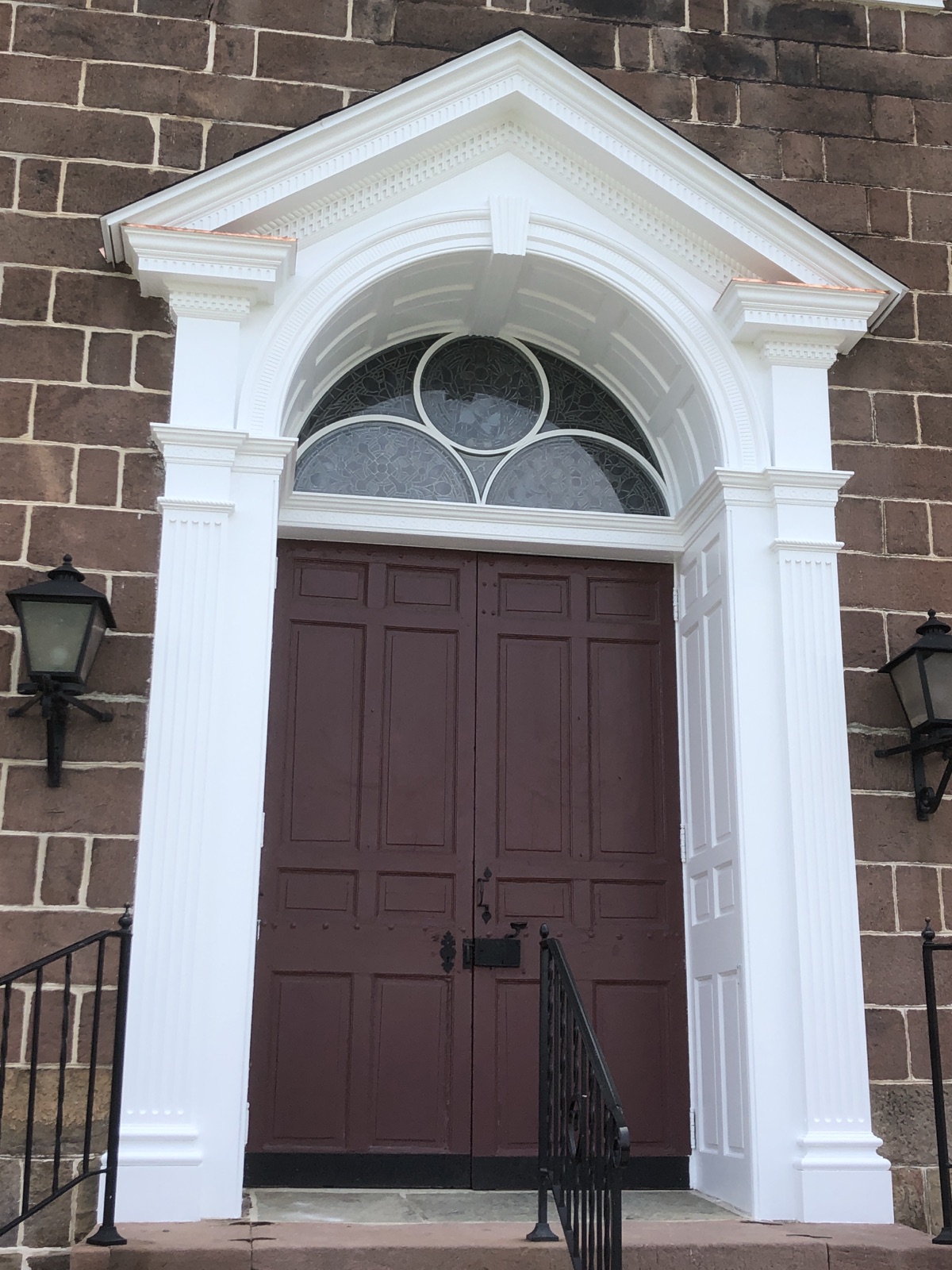
- Matching a legacy profile: a renovation or historic-district job needs new boards that match the existing siding exactly, down to the reveal and bead. See our guide on historic-district siding specification.
- An architect's bespoke reveal: a contemporary facade wants a specific shadow line or open-joint reveal that no stock profile throws.
- Clip-system compatibility: a proprietary rainscreen clip needs the exact kerf that engages it, not a standard tongue-and-groove.
Profile and fastener are one call, so the custom profile also sets the fastening, which our profile selection guide works through.
The Reference Profile Drives Accuracy
A custom run is only as accurate as the reference it is milled from. The best starting point is a physical sample of the existing board or a fully dimensioned drawing. A photo or a verbal description leaves the reveal, bead, and rabbet to guesswork, and guesswork shows on a wall.
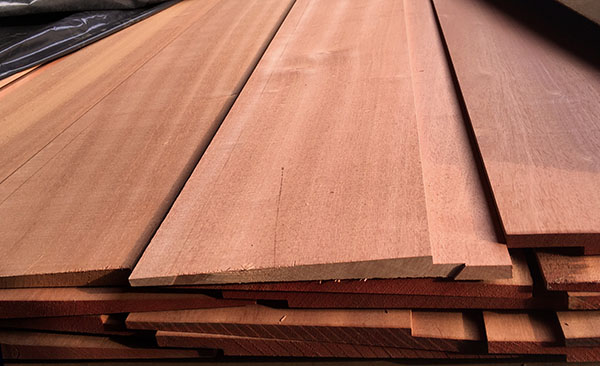
From a sample or a dimensioned section, the mill grinds knives to the pattern and runs a trial piece for approval before the full order. Think of that first-article as a mockup for the profile. It confirms the geometry before thousands of feet get milled. Because J. Gibson McIlvain mills in-house, the trial piece and the production run come off the same knives, so what gets approved is what ships.
| Input | Why it matters |
|---|---|
| Physical sample or dimensioned drawing | Sets exact reveal, bead, tongue, and rabbet geometry |
| Species and grade | Determines stability, finish behavior, and available sizes |
| Moisture content | Milling and installing near in-service EMC minimizes movement |
| Fastening method | T&G hidden, shiplap visible, or clip-specific kerf |
| Run quantity and tolerance | Holds the profile consistent across the whole order |
Species and Moisture Content in a Custom Run
The species sets what a custom profile can even be, from board width to how the milled surface takes a finish. The moisture content sets whether it holds after install. A wide custom board in an unstable species will move no matter how precisely it was cut.
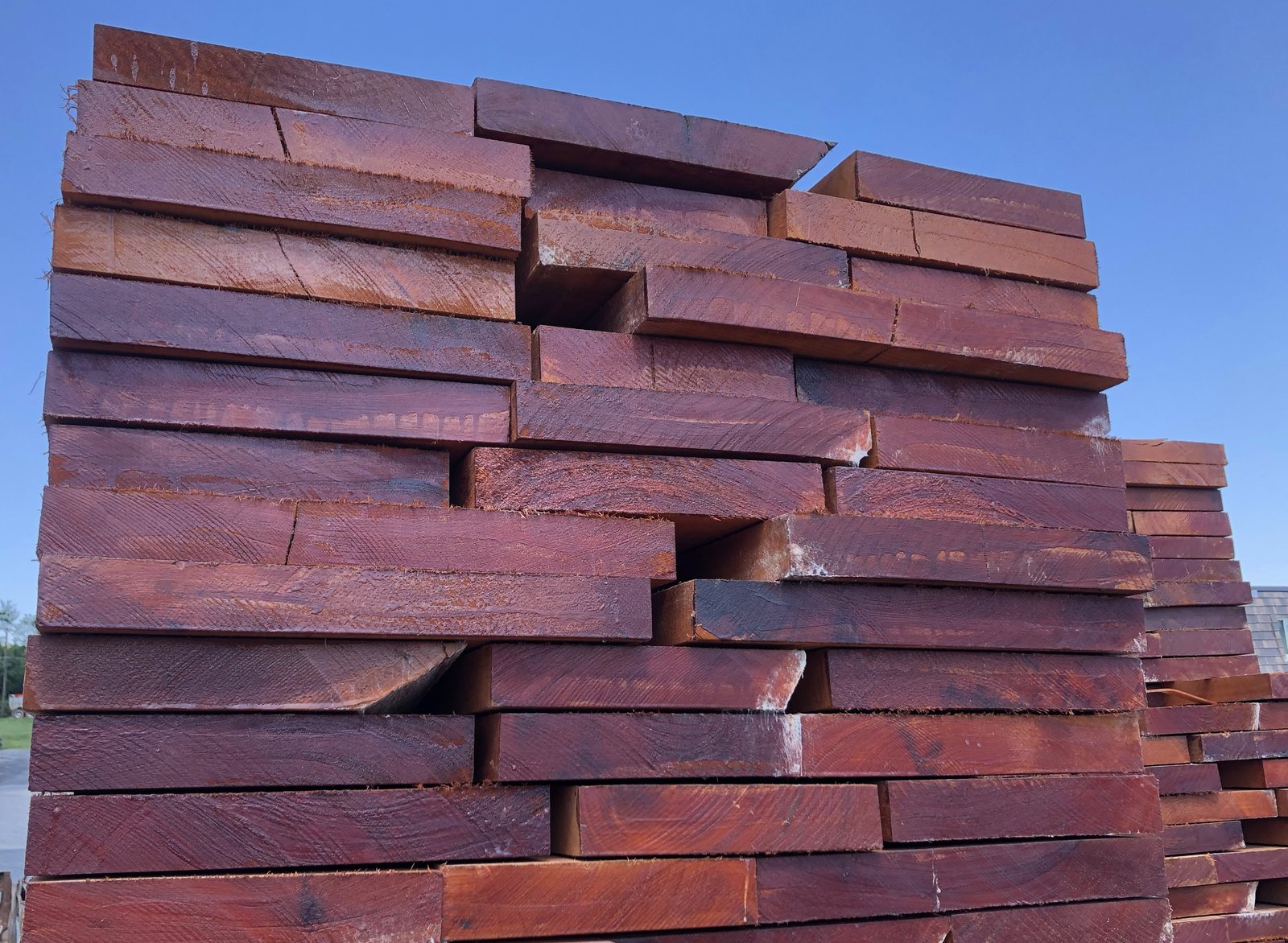
Stable species hold a custom reveal best. Modified woods such as Accoya, Thermory, and Abodo Vulcan move the least, and clear vertical grain cedar and properly dried tropical hardwoods like Ipe and Sapele hold a tight profile well. The USDA Forest Products Laboratory ties post-install movement directly to the moisture content at install, so custom stock should be milled and delivered near its in-service equilibrium. See our moisture content guide. J. Gibson McIlvain stocks these species in depth, including a full range of Ipe dimensions, so a custom profile is not limited by what is on hand.
"Give us a piece of the old siding or a dimensioned section, and we grind knives to it and run a sample first. Once the architect signs off on that trial piece, the production run comes off the same knives, so it matches. The trouble starts when someone tries to match a profile from a photo. Wood forgives a lot, but a reveal that is a sixteenth off shows across a whole wall. Start with a real sample."
Camden Zacker, Sales Director, J. Gibson McIlvain Company
How J. Gibson McIlvain Runs a Custom Profile
A custom profile at J. Gibson McIlvain starts with a physical sample or a dimensioned drawing. The team grinds knives to the pattern, runs a first-article for approval, picks the species and grade, controls the moisture content, and mills the production run in-house to a held tolerance, then ships nationwide. The trial piece and the run come off the same tooling, so the approved profile is the one that arrives on site.
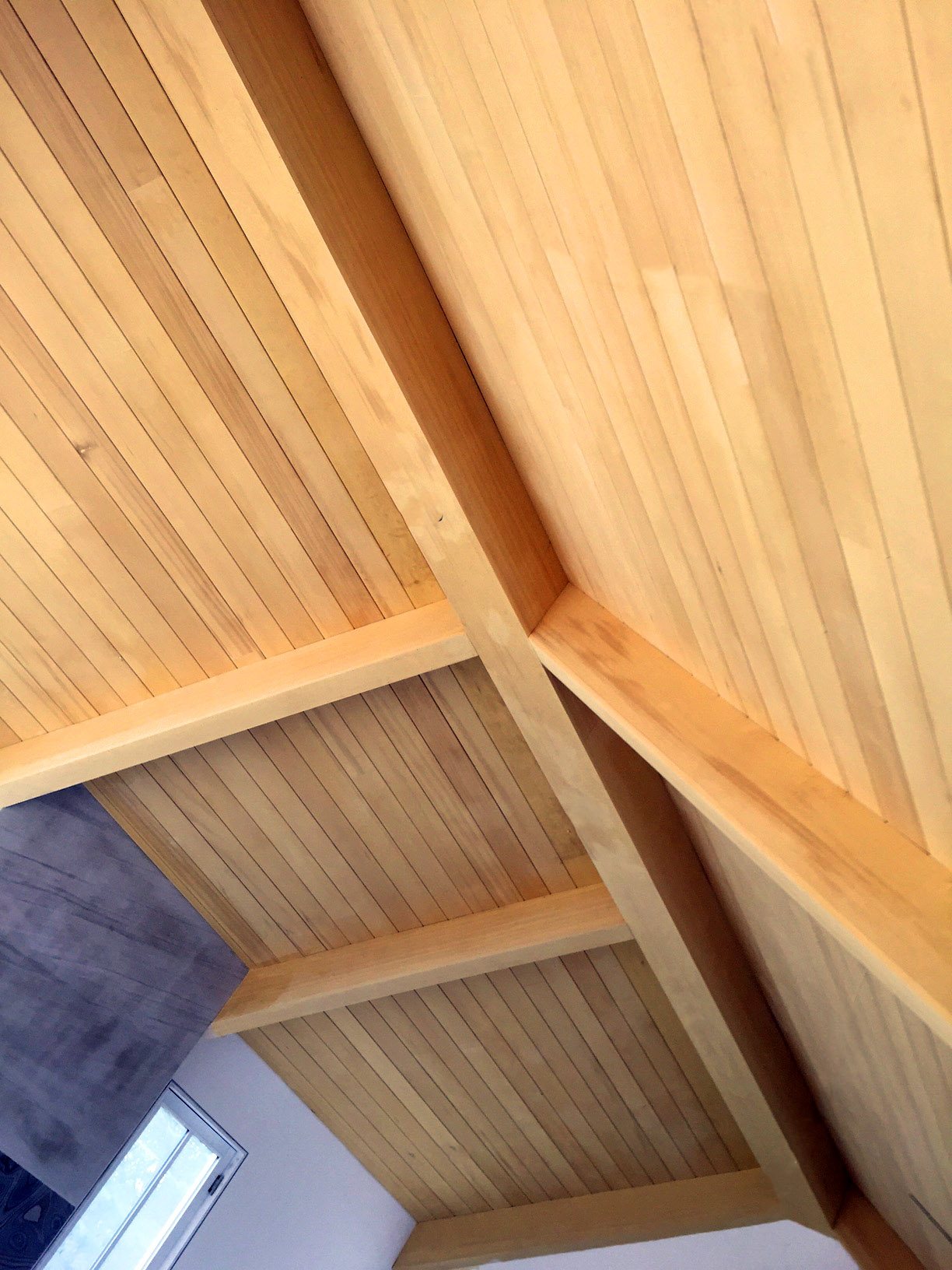
Species get matched to the profile and the exposure. Modified woods where stability is critical, clear vertical grain cedar for a stable softwood, dense hardwoods like Ipe and Sapele where durability or width is the driver. For a facade that transitions between profiles or matches existing work, the team coordinates the custom profile with the surrounding details; see our guide on transitions between siding profiles.
Custom Milling Checklist
| Item | Why it matters |
|---|---|
| Reference sample or drawing | Accuracy depends on a real reference, not a photo. |
| First-article approval | Confirms geometry before the full run. |
| Species and grade | Sets stability, width, and finish behavior. |
| Moisture content | Install near in-service EMC to hold the profile. |
| Fastening method | Profile must match hidden, visible, or clip fastening. |
| Tolerance and quantity | Holds the reveal consistent across the order. |
Where Custom Profile Orders Usually Fail
- Matching from a photo: reveal and bead get guessed; start with a sample or dimensioned drawing.
- No first-article approval: the geometry goes unverified before the full run.
- Unstable species for a wide custom board: the profile moves after install; choose a stable species or grain.
- Wrong moisture content: stock milled or installed wet moves and opens the reveal.
- Profile that fights the fastener system: clip systems need a clip-specific kerf, not a standard T&G.
Ordering Information to Resolve Before Pricing
- Reference: physical sample or dimensioned section of the target profile.
- Species and grade: chosen for stability, width, and finish.
- Profile geometry: face width, reveal, tongue or rabbet, clip kerf.
- Moisture content: target and acclimation plan.
- Logistics: run quantity, tolerance, delivery sequence, lead time.
Related J. Gibson McIlvain Guidance and Next Steps
Frequently Asked Questions
Can a supplier mill a custom wood siding profile to match existing siding?
Yes. A supplier that mills in-house grinds knives to a specific pattern and runs your exact face width, reveal, and tongue or shiplap geometry to match existing siding. The best starting point is a physical sample of the old board or a fully dimensioned drawing, and a trial piece gets run for approval before the full order. J. Gibson McIlvain grinds its own knives, mills in-house, and ships nationwide.
What do I need to provide for a custom profile run?
Provide a physical sample or a dimensioned drawing of the target profile, the species and grade, the required moisture content, the fastening method, and the run quantity. The reference sample matters most, since reveal, bead, and rabbet cannot be matched accurately from a photo. From the reference, the mill grinds knives, runs a first-article for approval, and then mills the production run to a held tolerance.
Which species work best for custom milled profiles?
Stable species hold a custom reveal best. Modified woods such as Accoya, Thermory, and Abodo Vulcan move the least, and clear vertical grain cedar and properly dried tropical hardwoods like Ipe and Sapele hold a tight profile well. A wide custom board in an unstable species moves regardless of milling precision, so pick the species and grain for stability. J. Gibson McIlvain stocks these in depth, including a full range of Ipe dimensions.
Is there a minimum order for custom milled siding?
Custom runs involve grinding knives to the pattern, so they work best at project volume rather than small quantities, which fits a supplier focused on commercial and contractor work. J. Gibson McIlvain mills custom profiles in-house for facade-scale orders and ships nationwide. The efficient path is to settle the species, profile, and quantity together so the knives get ground once for the full run.
How do I match a historic siding profile for a renovation?
Provide a physical sample of the existing board so the mill can grind knives to the exact reveal and bead, then approve a first-article trial piece before the full run. Matching from a sample rather than a photo is the whole game, since a reveal a sixteenth of an inch off shows across a wall. J. Gibson McIlvain mills profiles in-house to match legacy and historic-district work and coordinates the match with the surrounding details.
Sources and Standards Referenced
- USDA Forest Products Laboratory - Moisture content and dimensional movement
- National Hardwood Lumber Association - Hardwood grading rules
- Accoya - Dimensional stability data
- Thermory - Thermally modified wood documentation
- Abodo - Vulcan thermally modified radiata pine specifications
- American Wood Council - Wood construction standards