Sustainability for Ipe Rests on Two Legs
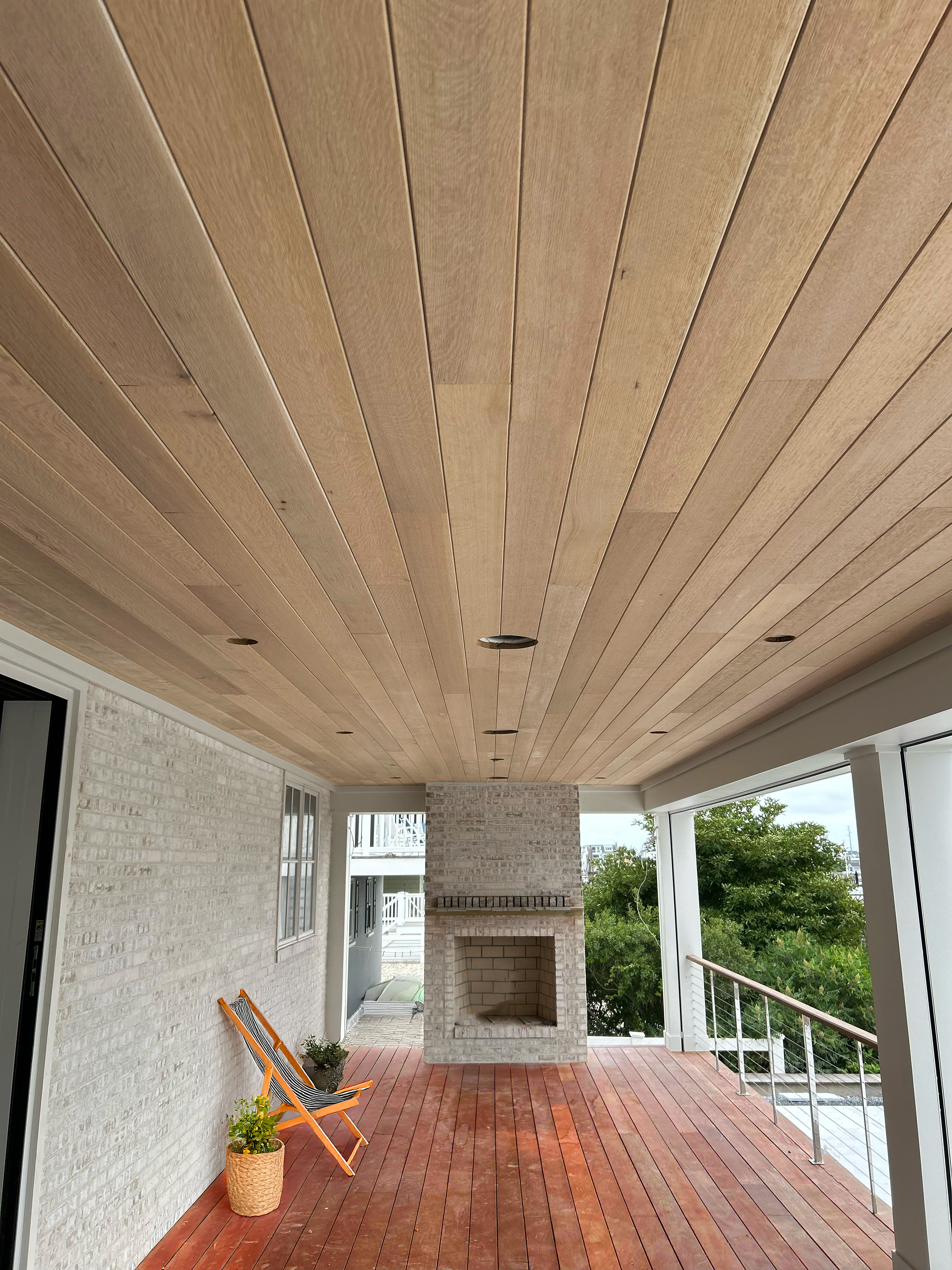
Responsibly sourced Ipe is judged on two things: whether the wood was harvested legally and responsibly, proven by documentation, and how its lifecycle impact compares to the alternatives. The first is a sourcing and paperwork question, FSC chain-of-custody and Lacey Act compliance. The second is a materials question, where Ipe's durability and lack of chemical treatment carry the argument. Both matter, and both point back to buying certified, documented material. The Forest Stewardship Council governs the certification, and our FSC certification guide explains the chain-of-custody detail.
Responsible Forestry and Ipe
Ipe is a slow-growing, dispersed rainforest species, which makes responsible, selectively managed harvest and a documented chain of custody the core of any sustainability claim. Because Ipe grows spread through the forest rather than in stands, documented selective harvest matters, and FSC certification traces the wood to a forest managed to that standard. For a project with environmental goals, FSC-certified Ipe answers the sourcing question with a verifiable record rather than a marketing claim. See our related guide on FSC-certified wood for LEED and institutional projects.
Longevity Is Part of the Environmental Case
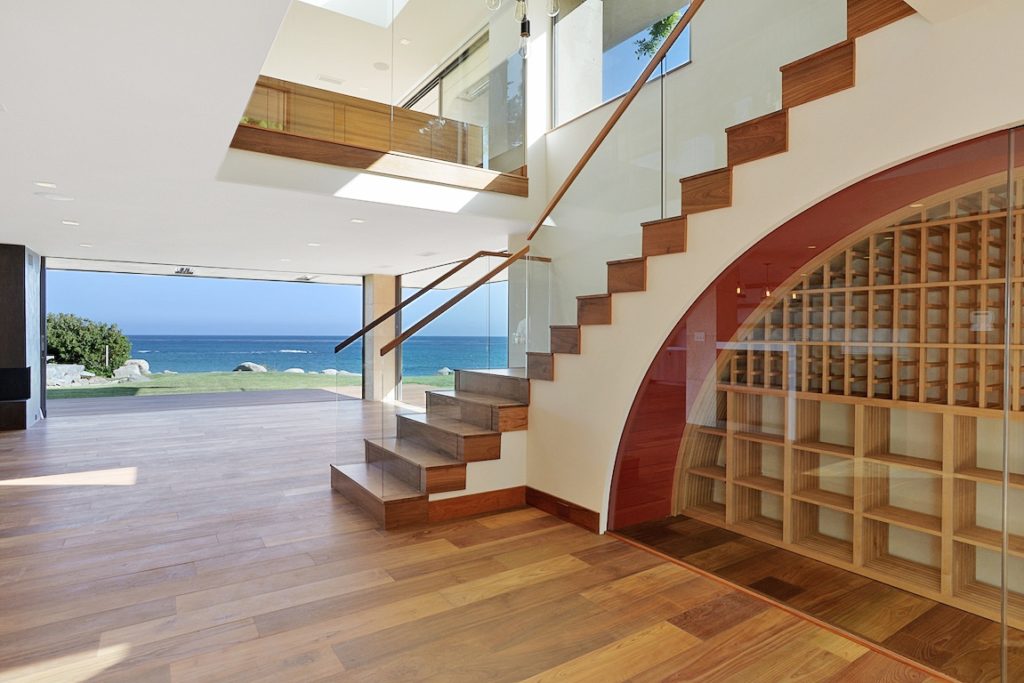
A material that lasts 40 to 75 years is inherently lower-impact than one replaced several times over the same span, and Ipe achieves that life with no chemical treatment. Ipe's density near 1,050 kg/m3 and Class 1 durability under EN 350, documented by the USDA Forest Products Laboratory, give it natural rot and insect resistance without preservatives, so it leaches nothing into soil or water. The environmental cost of a deck is spread across its service life; a deck that is not torn out and rebuilt every 15 to 25 years amortizes that cost far better.
| Factor | FSC Ipe | Pressure-treated softwood | Composite |
|---|---|---|---|
| Service life | 40 to 75 years | 15 to 25 years | Varies; eventual replacement |
| Chemical treatment | None | Preservative-treated | Plastic/resin content |
| Renewable material | Yes, if managed/FSC | Yes | Partly; plastic component |
| Documentation path | FSC chain-of-custody | Treatment records | Manufacturer data |
The Alternatives, Honestly
Composite decking carries a plastic and resin content and is eventually replaced, while pressure-treated softwood uses chemical preservatives and has a shorter life, so neither is automatically greener than responsibly sourced Ipe. Composite avoids harvesting a tree but embeds plastic; treated wood is renewable but chemically treated and shorter-lived. Responsibly sourced, FSC-certified Ipe is a renewable material with an exceptionally long, untreated service life. The honest comparison is a lifecycle one, not a single attribute. See our full comparison in wood decking versus composite.
What Makes the Claim Credible
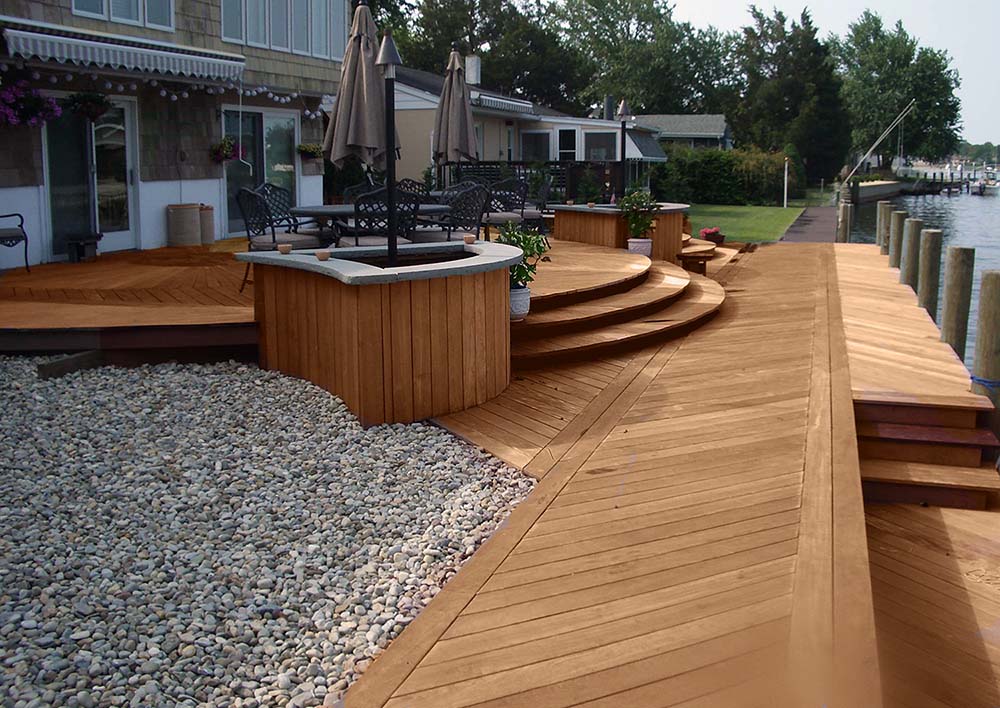
An environmental claim for Ipe is only as good as the documentation behind it, so FSC chain-of-custody with a verifiable certificate code and Lacey Act-compliant sourcing are what turn a sustainability story into a defensible one. For green-building projects, the U.S. Green Building Council recognizes FSC-certified wood toward LEED materials credits, so the documentation serves both the environmental case and the credit. Buying from an FSC-certified supplier that maintains the records is how the claim holds up. The certification, not the species alone, is what makes the responsible-sourcing case verifiable.
Embodied Impact and End of Life
Wood decking stores carbon and, at end of life, a solid untreated hardwood like Ipe can be reused, repurposed, or left to biodegrade, options that a plastic-containing composite does not share. A solid Ipe board carries no plastic or chemical treatment, so old boards can be re-milled into furniture, trim, or smaller decking, and untreated wood ultimately breaks down naturally. The American Wood Council publishes life-cycle and carbon documentation for wood products, which is why wood is often favored on embodied-impact grounds when it is durable and responsibly sourced.
Because Ipe is so dense and hard, a Janka hardness near 3,680 lbf, salvaged boards remain sound and usable for decades, so a responsibly sourced Ipe deck has genuine reuse value at the end of its long life. That reuse potential, plus the long service life and lack of treatment, rounds out the lifecycle case that documentation makes verifiable.
Comparing Lifecycle Impact Honestly
An honest environmental comparison weighs a deck's whole lifecycle, material source, service life, maintenance, and end of life, rather than a single attribute, and on that full accounting responsibly sourced Ipe compares well. A composite deck avoids cutting a tree but embeds plastic and resin and is eventually replaced; a pressure-treated deck is renewable but chemically treated and shorter-lived. FSC-certified Ipe is a renewable material with a 40-to-75-year untreated life, documented by the USDA Forest Products Laboratory, and reusable at end of life. No single option wins every category, which is why the comparison must be a lifecycle one.
The point is not that Ipe is automatically the greenest choice, but that a blanket assumption, such as composite being greener because no tree is cut, does not survive a full accounting. Responsible sourcing plus long service life plus reuse potential gives documented Ipe a defensible position. The U.S. Green Building Council reflects this by recognizing FSC-certified wood toward LEED credits, treating certified, durable wood as an environmental asset.
Certification Beyond FSC
FSC is the most widely specified certification, but the Programme for the Endorsement of Forest Certification (PEFC) is another recognized chain-of-custody standard, and a buyer should confirm which certification a project requires. Both trace wood to responsibly managed forests through a documented chain of custody, and some projects or regions accept either. Knowing which certification the specification calls for avoids ordering FSC-certified material for a project that required a different standard, or vice versa.
For most North American residential and institutional decking projects, FSC is the specified standard, and FSC-certified Ipe answers the requirement directly. The broader point is that a credible environmental claim rests on a recognized certification with a verifiable trail, whichever standard the project names. A supplier that holds certification and maintains the records is what makes any of these claims stand up. J. Gibson McIlvain is FSC-certified and documents its Ipe accordingly.
"People ask whether Ipe is a green choice, and the honest answer is: it can be, if it is FSC-certified and documented, and its lifespan is a big part of that. A deck that lasts fifty, sixty years and never gets a chemical treatment is not getting torn out and landfilled every twenty. Composite has plastic in it; treated wood has chemicals in it. Responsibly sourced Ipe is a renewable material that lasts. We sell it FSC-certified so the environmental case is documented, not just claimed."
Norm Moton, Director of Sales, J. Gibson McIlvain Company
How J. Gibson McIlvain Frames Responsible Ipe
For J. Gibson McIlvain, a responsible Ipe order is framed around documented, FSC-certified sourcing and the material's long, untreated service life. As an FSC-certified company, the team supplies chain-of-custody-documented Ipe with the records a LEED or environmentally conscious project needs, and it positions the species honestly: a renewable, very long-lived material whose environmental case rests on responsible harvest and longevity, not on marketing.
The team's guidance is to judge decking on lifecycle rather than a single attribute. Responsibly sourced Ipe, documented and long-lived, compares well against the plastic content of composite and the chemical treatment and shorter life of treated softwood.
Responsible-Ipe Checklist
| Item | Why it matters |
|---|---|
| FSC certification | Documents responsible, managed harvest. |
| Verifiable certificate code | Turns a claim into a defensible record. |
| Lacey Act compliance | Confirms legal harvest and trade. |
| Long service life | 40 to 75 years lowers lifecycle impact. |
| No chemical treatment | Leaches no preservatives into soil or water. |
Where the Green Claim Falls Apart
- No certification: An uncertified Ipe claim is not verifiable.
- Single-attribute comparison: Judge lifecycle, not one factor.
- Ignoring longevity: A short-lived deck has a higher lifetime impact.
- Assuming composite is automatically greener: It embeds plastic and is replaced.
Ordering Information to Resolve Before Pricing
- Certification: FSC chain-of-custody with certificate code.
- Compliance: Lacey Act documentation and any CITES permits.
- Project goals: LEED or environmental record requirements.
- Dimensions: decking plus matching components.
- Logistics: total square footage, delivery, lead time.
Related J. Gibson McIlvain Guidance and Next Steps
Frequently Asked Questions
Is Ipe decking environmentally friendly?
Ipe can be environmentally responsible when it is FSC-certified from a responsibly managed forest and Lacey Act-compliant, and its long service life strengthens the case: a deck that lasts 40 to 75 years with no chemical treatment is replaced far less often than alternatives and leaches no preservatives. The environmental case rests on documented responsible sourcing plus low lifecycle impact. J. Gibson McIlvain supplies FSC-certified, documented Ipe so the claim is defensible rather than just marketed.
Is Ipe more sustainable than composite decking?
It depends on lifecycle, not a single attribute. Composite avoids harvesting a tree but embeds plastic and resin and is eventually replaced, while responsibly sourced FSC Ipe is a renewable material with an exceptionally long, untreated service life of 40 to 75 years. Neither is automatically greener; the honest comparison weighs material content, service life, and end of life. J. Gibson McIlvain supplies FSC-certified Ipe and frames the comparison on lifecycle terms.
Does Ipe leach chemicals like pressure-treated wood?
No. Ipe is naturally rot- and insect-resistant because of its density, near 1,050 kg/m3, and Class 1 durability under EN 350, so it needs no chemical preservative treatment and leaches nothing into soil or water. Pressure-treated softwood, by contrast, relies on chemical preservatives. This is part of Ipe's environmental case. J. Gibson McIlvain supplies untreated, FSC-certified Ipe that achieves its long service life without chemical treatment.
How does Ipe's lifespan affect its environmental impact?
A material's environmental cost is spread across its service life, so Ipe's 40-to-75-year lifespan gives it a lower lifetime impact than a deck replaced every 15 to 25 years. A deck that is not torn out and rebuilt repeatedly avoids the material, transport, and disposal impact of each replacement. Combined with responsible FSC sourcing and no chemical treatment, that longevity is central to Ipe's environmental case. J. Gibson McIlvain supplies long-lived, documented Ipe.
Can Ipe be responsibly harvested?
Yes, when it is selectively harvested from a responsibly managed forest and documented through FSC chain-of-custody. Because Ipe is slow-growing and dispersed through the rainforest, responsible selective harvest and a verifiable certificate are the core of any sustainability claim. FSC certification traces the wood to a forest managed to that standard. J. Gibson McIlvain is FSC-certified and supplies Ipe with chain-of-custody documentation of responsible harvest.
Does responsibly sourced Ipe help with LEED?
Yes. FSC-certified Ipe can contribute to LEED materials credits, since the U.S. Green Building Council recognizes FSC-certified wood toward those credits, and the same documentation supports both the environmental case and the credit. Only an FSC-certified supplier can provide the certificate and chain-of-custody records a LEED submission needs. J. Gibson McIlvain supplies documented FSC-certified Ipe suited to green-building and institutional projects.
Can old Ipe decking be reused or recycled?
Yes. Because Ipe is solid, untreated, and extremely dense, salvaged boards remain sound and can be re-milled into furniture, trim, or smaller decking, or left to biodegrade naturally at true end of life, options a plastic-containing composite does not share. That reuse value is part of Ipe's lifecycle case. J. Gibson McIlvain supplies solid, untreated, FSC-certified Ipe whose durability gives it genuine reuse potential after a long service life.
Does wood decking store carbon?
Wood stores carbon, and the American Wood Council publishes life-cycle and carbon documentation showing wood products often compare favorably on embodied impact when they are durable and responsibly sourced. A long-lived, responsibly sourced Ipe deck keeps that carbon stored for decades and avoids the repeated material impact of replacement. Combined with FSC certification and no chemical treatment, this supports Ipe's environmental case. J. Gibson McIlvain supplies documented, long-lived Ipe.