What Is Shou Sugi Ban?
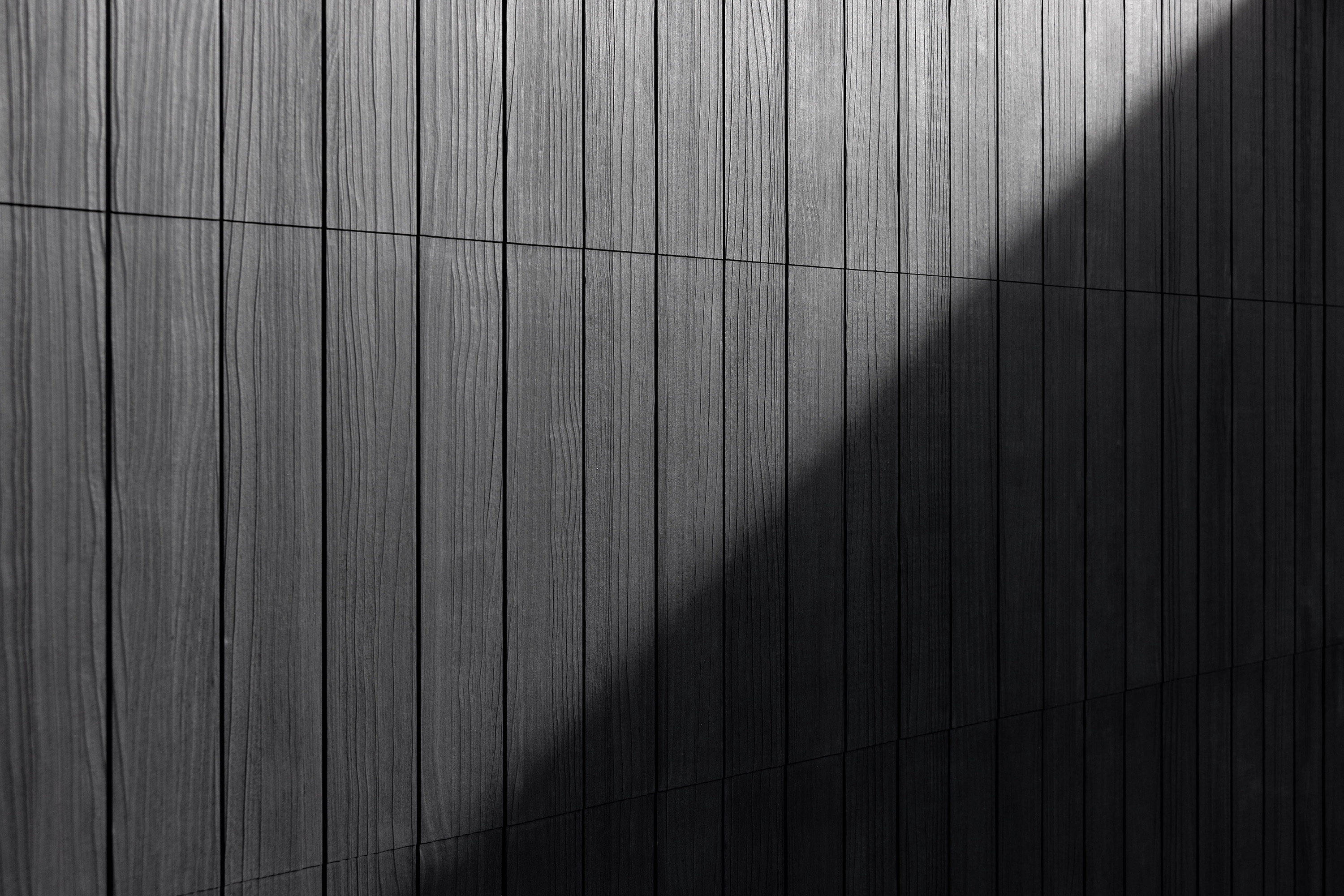
Shou sugi ban (焼杉板, literally "burned cedar board") — also romanized as yakisugi — is the Japanese technique of charring wood surfaces with fire to create a naturally preserved, weather-resistant exterior cladding. The practice originated in the 18th century in western Japan, where builders discovered that deep-charring sugi (Japanese cypress, Cryptomeria japonica) created a carbon layer that resists rot, insects, UV degradation, and even fire.
The carbonized surface layer (typically 2-5mm deep in traditional applications) functions as a natural preservative through multiple mechanisms documented by the USDA Forest Products Laboratory:
- Hydrophobic carbon layer: The charred surface sheds water rather than absorbing it, reducing moisture penetration by 50-70%
- Eliminated food source: Surface cellulose and hemicellulose are converted to inert carbon — fungi and insects cannot feed on charcoal
- UV stability: The black carbon surface is already fully degraded by UV — it cannot gray or erode further
- Fire resistance: Counterintuitively, charred wood resists ignition because the volatile gases have already been released from the surface layer
Traditional vs. Modern Production Methods
| Method | Char Depth | Consistency | Species Options | Cost Impact |
|---|---|---|---|---|
| Traditional (三角焼き / triangle burn) | 3-5mm+ (deep alligator texture) | Variable — artisan craft | Japanese cypress (sugi) only | Highest — labor-intensive |
| Propane torch (field-applied) | 1-3mm (light to medium char) | Moderate — operator-dependent | Any softwood or modified wood | Low — DIY possible |
| Factory tunnel kiln (Thermory Ignite, etc.) | 2-4mm (controlled, even char) | High — industrial process control | Thermally modified ash, pine, spruce | Moderate — scaled production |
| Wire-brushed (post-char finishing) | 1-2mm (textured, grain exposed) | High — mechanical process | Any charred species | +$2-4/sq. ft. over base char |
Species Selection for Charred Siding
Not all species char equally well. The ideal candidate has low resin content (prevents uneven flaming), straight grain (consistent char depth), and adequate density to maintain structural integrity after surface carbonization:
Japanese Cypress (Cryptomeria japonica) — The Traditional Choice
The original and still the gold standard for shou sugi ban. Sugi's low density (330 lbf Janka), minimal resin content, and straight grain produce the classic deep "alligator skin" char pattern. However, sourcing authentic sugi in North America is challenging — most supply comes from Japanese mills with 8-12 week lead times and premium pricing ($18-$22/sq. ft.).
Thermally Modified Ash (Thermory Ignite) — The Modern Standard
Thermory's Ignite line combines thermal modification with controlled charring in a single factory process. The base wood is already Class 1 durable before charring — the carbon surface layer adds UV protection and the distinctive aesthetic. Available from J. Gibson McIlvain in multiple profiles with 2-3 week lead times. Cost: $14-$18/sq. ft.
Accoya (Acetylated Pine) — Maximum Durability
Charred Accoya combines the world's most dimensionally stable modified wood with the shou sugi ban aesthetic. The acetylated substrate maintains 75% ASE even under the charred surface layer. Cost: $16-$22/sq. ft. Best for projects demanding the longest possible lifespan with minimal maintenance.
Western Red Cedar — The Budget Option
Cedar chars well due to low density and resin content. However, charred cedar still only achieves Class 2 durability at the substrate level — if the char layer is breached by impact or aggressive wire-brushing, the underlying wood remains susceptible to decay. Cost: $12-$16/sq. ft.
"Architects love the shou sugi ban aesthetic, but the sourcing question always trips them up. My recommendation for most commercial and high-end residential projects is Thermory Ignite — you get the charred look with industrial consistency, a 25-year warranty, and 2-3 week delivery instead of waiting months for Japanese import. We keep it in stock."
— Pius Clapsadl, Project Specialist, J. Gibson McIlvain Co.
Fire Ratings and Code Compliance
One of the most misunderstood aspects of charred wood siding is its fire performance. Despite being literally burned during production, properly charred wood achieves superior fire resistance compared to uncharred wood:
Testing per ASTM E84 (Standard Test Method for Surface Burning Characteristics) shows:
- Charred thermally modified ash (Thermory Ignite): Class A fire rating (Flame Spread Index ≤25)
- Charred Accoya: Class A fire rating
- Charred cedar: Class B-C (depends on char depth and profile)
- Uncharred cedar (comparison): Class C (Flame Spread Index 70-75)
The charred surface has already released its volatile organic compounds during production. Without volatiles to ignite, the carbon layer actually acts as an insulating barrier that slows flame spread — the same principle used in fire-resistant intumescent coatings.
For projects in Wildland-Urban Interface (WUI) zones, charred thermally modified wood with a Class A rating meets International Building Code (IBC) Chapter 7A requirements for exterior wall assemblies in Very High Fire Hazard Severity Zones.
Installation Specifications
- Rainscreen requirement: Mandatory — minimum 3/4" ventilated cavity. Charred surfaces trap moisture if not properly ventilated.
- Fastening: Stainless steel ring-shank nails or hidden clip systems. Standard fasteners will corrode against the acidic char surface.
- Orientation: Vertical installation preferred for drainage. Horizontal acceptable with properly detailed flashings and end-grain sealing.
- Joints: Open-joint (1/4" gap) or shiplap. Butt joints are not recommended — charred end grain is vulnerable to moisture wicking.
- Handling: Charred surfaces are fragile until sealed. Use gloves during installation (carbon transfers to hands and adjacent surfaces).
Sourcing and Lead Times
| Product | Species/Substrate | Typical Lead Time | Price Range (per sq. ft.) |
|---|---|---|---|
| Thermory Ignite (via McIlvain) | Thermally modified ash | 2-3 weeks (stocked) | $14-$18 |
| Charred Accoya | Acetylated radiata pine | 4-6 weeks | $16-$22 |
| Authentic sugi (Japanese import) | Cryptomeria japonica | 8-12 weeks | $18-$22 |
| Charred western red cedar | Thuja plicata | 3-4 weeks | $12-$16 |
For East Coast architectural projects, J. Gibson McIlvain stocks Thermory Ignite in channel, shiplap, and open-joint profiles. Custom char depths and wire-brushed finishes available on 4-week production schedules. Contact 410-687-0857 for samples and project pricing.
Frequently Asked Questions
What wood is used for shou sugi ban siding?
Traditional shou sugi ban uses Japanese cypress (Cryptomeria japonica), but modern commercial options include thermally modified ash (Thermory Ignite), Accoya (acetylated pine), and western red cedar. The best choice depends on durability requirements and budget — thermally modified ash offers the best combination of Class 1 durability, consistent factory charring, and domestic availability at $14-$18/sq. ft.
Is shou sugi ban fire resistant?
Yes — counterintuitively, properly charred wood achieves better fire ratings than uncharred wood. Charred thermally modified ash achieves Class A fire resistance per ASTM E84 (Flame Spread Index ≤25), compared to Class C for uncharred cedar. The charred surface has already released volatile gases during production, so it acts as an insulating barrier rather than fuel. Many charred products meet WUI (Wildland-Urban Interface) code requirements.
How long does shou sugi ban last?
Lifespan depends on the substrate species: charred thermally modified ash (Thermory Ignite) carries a 25-year warranty; charred Accoya is warranted for 50 years; charred cedar lasts 20-30 years with maintenance. Traditional Japanese yakisugi buildings have survived 80+ years, though that uses deep-charred sugi in a climate very different from North American conditions. All charred siding benefits from a rainscreen installation for maximum longevity.
Where can I buy shou sugi ban siding?
J. Gibson McIlvain stocks Thermory Ignite (charred thermally modified ash) in multiple profiles for 2-3 week delivery to East Coast job sites. For charred Accoya or authentic Japanese sugi, lead times are 4-12 weeks depending on source. Custom char depths and wire-brushed finishes are available on production schedules. Call 410-687-0857 for samples, specifications, and project pricing.
Does shou sugi ban need maintenance?
Minimal. The charred surface is inherently UV-stable (it cannot gray further) and water-resistant. Most installations require no maintenance for 10-15 years. If the surface develops a dusty appearance from carbon erosion in high-traffic areas, a penetrating hardwax oil can be applied to lock in the remaining char. Wire-brushed finishes may need reapplication of sealer every 5-7 years to prevent carbon dusting.
Sources and Standards Referenced
- USDA Forest Products Laboratory — Research on carbonization effects on wood durability and moisture resistance
- ASTM E84 — Standard Test Method for Surface Burning Characteristics of Building Materials
- Thermory — Ignite product line specifications and fire test documentation
- International Code Council (ICC) — IBC Chapter 7A, WUI fire zone requirements
- Accsys Technologies — Charred Accoya specifications