Who Can Actually Fill a Grooved Tropical Decking Order
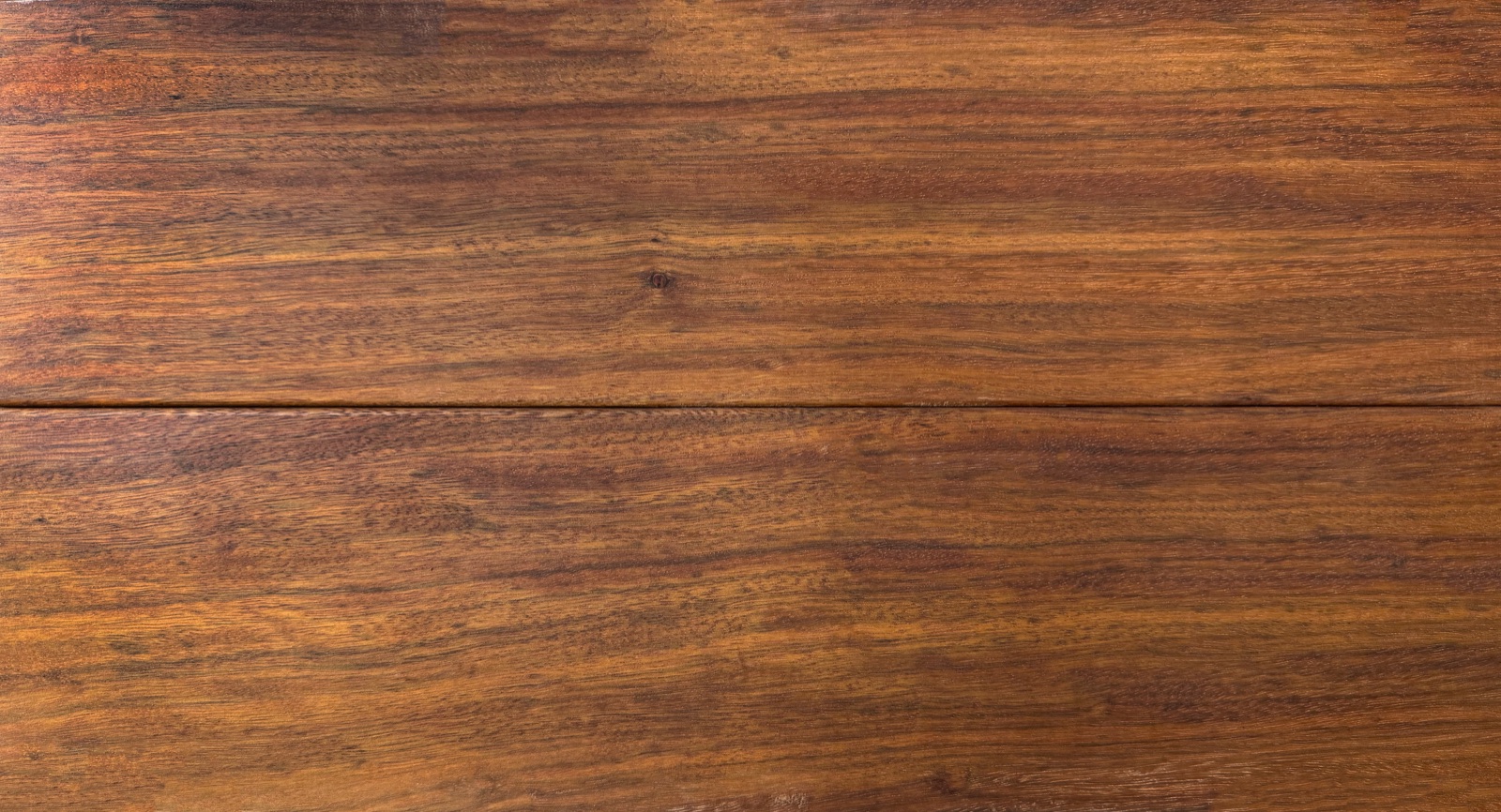
Grooved tropical decking comes from importers that run their own moulders and hold decking-dimension inventory in house, which is a much shorter list than the number of yards willing to quote it. The groove itself is a milling pass. Any shop with a moulder can cut one. What separates a supplier who can fill the order from a supplier who can only promise it is whether the boards are already on the ground, already kiln dried to a stable in-service moisture content, and already sorted for color and grade before the knives ever touch them. A yard that has to buy the lumber, ship it to a third-party millwork shop, and ship it again to you has added two freight legs and two chances for the schedule to slip.
J. Gibson McIlvain mills grooved Ipe decking from its own inventory and ships it nationwide by the truckload, California included. That matters more on a hidden fastener job than on a face-screwed one. Clip decks are unforgiving about consistency, and consistency comes from running one order out of one inventory on one setup rather than assembling it from three sources. Buyers working at contractor and commercial volume should be talking to the mill directly, with a takeoff in hand, at 800-638-9100. A grooved order is a specification, not a shelf item, and the conversation goes faster when both sides are looking at the same board schedule.
What the Groove Does to Your Material Takeoff
A grooved board cannot be ripped, which changes the takeoff math on every deck that is not an exact multiple of board width. Rip a 5/4x6 down to fill a 3-inch gap at the house wall and one groove edge is gone, which means that board now needs face fasteners while its neighbors are held by clips. Plan the layout so the closing course lands full width, or plan for a deliberately face-fastened board at the wall and at the outside edge.
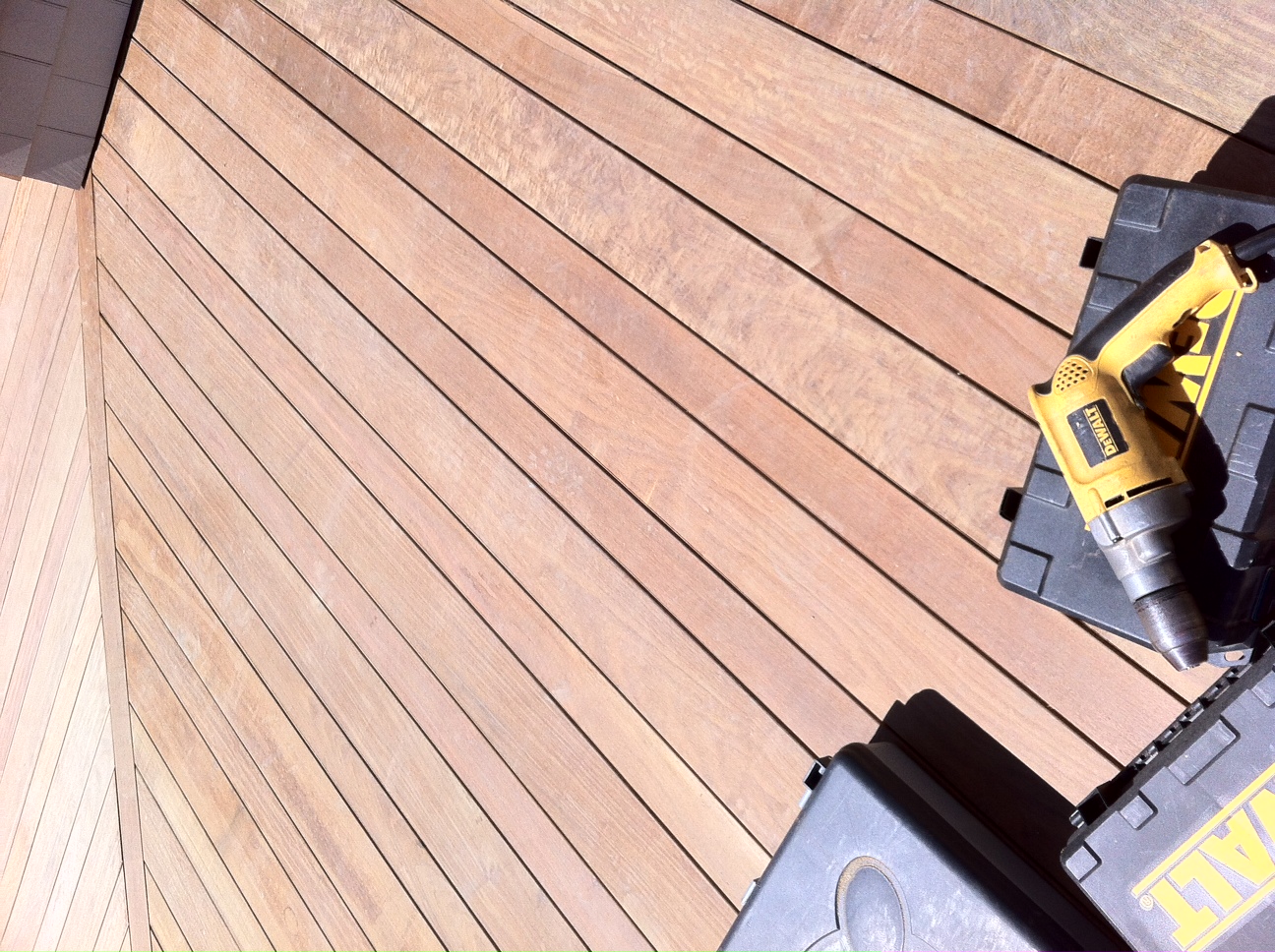
Start with coverage. A 5/4x6 board with a nominal 5-1/2 inch face plus a clip-set gap covers roughly 2.1 linear feet per square foot of deck. Multiply the deck area by that factor, then add for the pattern. A straight run parallel to the house wastes little. A 45-degree layout eats considerably more, since every board on the perimeter gets a compound cut and the offcut is rarely long enough to use elsewhere. Diagonal decks want a meaningful cutting allowance on top of the base number.
Clip counts come off the same takeoff. With joists at 16 inches on center, every board picks up a clip at every joist it crosses, plus a starter clip or face screw at the first course. Take the total linear footage of decking, divide by the joist spacing in feet, and add for stair treads and perimeter boards that get fastened conventionally. Order the border and fascia material ungrooved. It is a separate line on the order, and forgetting it is the most common reason a grooved delivery comes up short at the end of the job.
Length Mix Decides Where Your Butt Joints Land
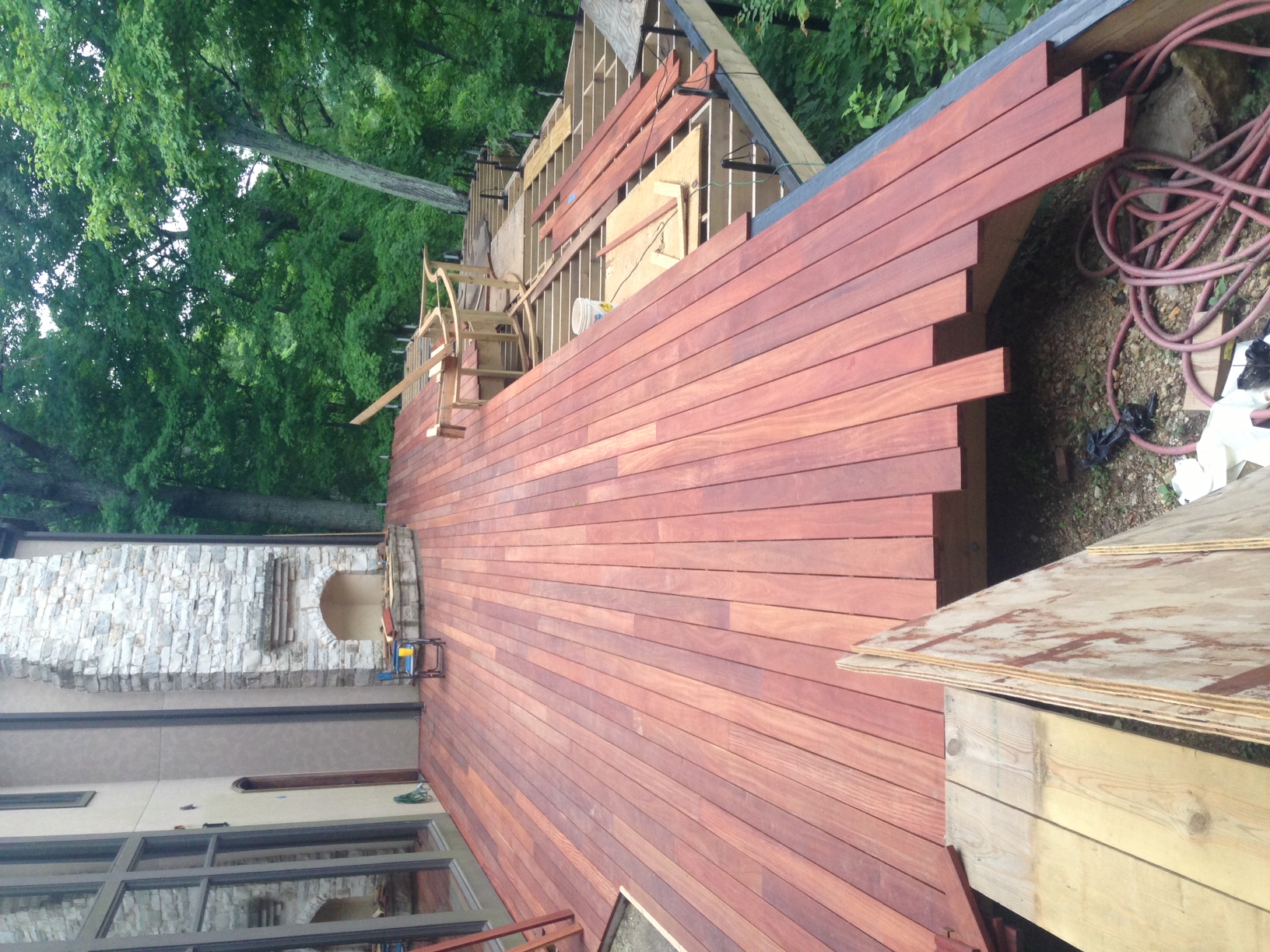
Tropical decking ships in random length bundles unless the order specifies otherwise, and on a clip deck the length mix determines the joint pattern you are stuck with. Ipe, Cumaru and Jatoba are all cut into long lengths, and a mill holding real inventory can pull a length schedule rather than shipping whatever the bundle happens to contain. Ask for it. A 14-foot run served by a single 16-foot board has zero joints. The same run served by random 8s and 10s has a joint on every course, each one needing doubled bearing underneath.
Give the supplier the actual run lengths from the framing plan, not just a total footage. On a rectangular deck with 18-foot runs, a mix weighted toward 18-foot and 20-foot boards produces a jointless field. On a long boardwalk or a rooftop terrace where no board spans the run, a planned joint pattern beats a random one, and the joints should follow a rhythm rather than falling wherever the boards happened to end.
Thermally modified and acetylated products carry a hard ceiling here. Thermory and Abodo Vulcan, along with Accoya, top out around 16 feet because the modification kilns are only so long, and the metric-cut lengths land just under that. Specify a run longer than 16 feet in modified wood and there is no board that will make it. Solid tropical hardwood is where the long stock lives, which is one of the quiet reasons long-run decks keep coming back to Ipe and Cumaru.
Thickness Is the Real Filter on Commercial Work
Commercial boardwalks, piers and plaza decks are specified at 2x thickness to control deflection, and that single requirement takes most hidden fastener systems off the table. Clip systems are engineered around 1x and 5/4 material. The groove sits at the board's mid-thickness, the clip is sized for that geometry, and the whole assembly assumes a board light enough for the clip's holding power to matter. Push into true 2x stock and the calculus changes. The board is heavier, the fastener demand is higher, and public-job engineers want a mechanical connection they can see and inspect. No professional goes first with a thinner board on a public deck, even where the strength math for 5/4 works.
The species list narrows just as hard. Ipe, Cumaru and Jatoba can be sourced consistently in 2x decking thickness. Red Balau and Garapa cannot, which places them in residential work and in engineer-approved 5/4 applications rather than on a municipal pier. Deflection limits for walking surfaces come out of the structural provisions the American Wood Council maintains alongside the model codes published by the International Code Council, and the reviewing engineer sizes the deck boards against span and live load before anyone discusses fastening.
Two other code items ride along on public work. Openings in a walking surface are limited so that a half-inch sphere cannot pass through in the direction of travel under the ADA Accessibility Standards, which puts a ceiling on the gap a clip is allowed to set. Where a rooftop or elevated assembly needs a fire rating, Ipe carries an ASTM E84 Class A result, meaning a flame-spread index of 25 or less under the test method administered through ASTM International. Neither item cares whether the board is grooved. Both can kill a fastening approach late in review.
"The call I take most often on grooved decking starts with a residential detail that somebody carried onto a commercial job. They saw a clip deck at a house, loved how clean it looked, and wrote it into a boardwalk spec at 2x. I have to walk them back to thickness before we ever talk about grooves, because on a public deck the thickness gets settled first and the fastening follows it. Once we are in 5/4 and the engineer is on board, grooved is a great way to go, and we mill it here." Norm Moton, Director of Sales, J. Gibson McIlvain
Species, Thickness and Where Grooved Stock Belongs
Sort candidate species by what thickness they can be sourced in before sorting them by hardness, because thickness availability decides whether hidden fasteners are even an option. The Janka numbers below all come from the same family of dense tropical species and none of them is soft. The column that drives the decision is the 2x column.
| Species | Janka (lbf) | Density (kg/m3) | Sourced in 2x decking | Grooved 5/4 suitability | Where it belongs |
|---|---|---|---|---|---|
| Ipe (Tabebuia spp.) | ~3,680 | ~1,050 | Yes, consistently | Excellent, holds a crisp groove | Commercial 2x decks and premium residential clip decks |
| Cumaru | ~3,540 | ~1,070 | Yes, consistently | Excellent, watch interlocked grain at the knives | Commercial and residential, costs less than Ipe |
| Jatoba | ~2,690 | ~910 | Yes | Good, machines cleanly | Covered and lower-exposure decks and porches |
| Red Balau | ~1,700 to 2,000 | ~800 to 900 | No | Good in 5/4 | Residential decks and engineer-approved 5/4 work |
| Garapa | ~1,700 | ~800 | No | Good in 5/4, lighter color | Residential decks where a pale surface is wanted |
| Massaranduba (comparison only) | ~3,190 | ~1,150 | Varies by source | Prone to checking and movement | Shown for hardness comparison only, not a stocked item |
Species data of this kind is worth cross-checking against independent references such as the Wood Database and the mechanical property tables published by the USDA Forest Products Laboratory. Numbers move a few percent between sources depending on the sample and the moisture content at test.
Factory Coating, the Groove, and Surface Checking
Grooving and factory coating happen in sequence, and the order they happen in determines whether the groove faces are protected. J. Gibson McIlvain factory coats tropical decking with Cutek, a penetrating oil wood stabilizer that significantly reduces checking by slowing the rate at which the surface loses moisture relative to the core. Applied after the groove is cut, the oil reaches the groove walls and the freshly machined edges. Applied before, it does not. That sequencing question is a fair one to put to the supplier outright.
Checking will still happen. Dense tropical decking releases tension as the surface heats and dries faster than the interior, and small surface checks are a normal part of that, often a sign the board was properly seasoned rather than rushed. They do not weaken the board. Nobody should promise a checking-free deck in Ipe or Cumaru, and a supplier who does is either inexperienced or telling a buyer what he wants to hear. What the coating does is keep the checks small and slow. What site practice does is keep them from opening up, which means delivering at a stable moisture content, sealing every field-cut end, ventilating the underside, and never laying boards over a sealed membrane with no air path.
In-service moisture content for exterior decking runs 12 to 16 percent through most of the country, and boards that arrive wetter than that shrink after installation. On a clip deck that shows up as gaps wider than the clip set them. The moisture model behind that behavior is laid out well by Building Science Corporation for anyone who wants the physics rather than the rule of thumb.
Receiving and Storing Grooved Stock on Site
A grooved board damaged in handling is scrap for clip purposes, so grooved deliveries need more care on site than face-screwed material does. The groove edge is a thin lip of wood. Drop a bundle on a curb, drag boards off a stack across gravel, or set a strap over an unprotected corner, and the lip crushes. A crushed groove will not hold a clip at the design load, and the damage usually is not obvious until the installer is halfway down a course.
Take delivery on a prepared, level surface. Keep bundles banded until the crew is ready for them. Sticker any material that has to sit, with stickers aligned over one another and spaced closely enough that the boards do not sag, then cover the stack with something opaque that still breathes. Full sun on a banded bundle is the worst case. The top boards heat, dry and cup while the boards underneath stay stable, and the whole bundle comes apart out of flat.
Check moisture on arrival with a meter set for a high-density species correction, not on the default softwood scale. Pull readings from several boards at several depths. If the material reads well above the local service range, let it acclimate on stickers near the installation location before the first clip goes in. On a rooftop or a coastal site, factor the wind and the sun into how long that takes, and keep the stack out of standing water.
Fastening the Boards That Clips Cannot Hold
Every clip deck has boards that get screwed, and that work is done on site against the frame as it was actually built. Never order decking pre-drilled or pre-countersunk, and do not accept an offer to do it at the mill. Layout shifts, joists sit where they sit, and field cuts move every hole relative to the board end. A factory hole pattern is wrong the moment the first board is trimmed.
Here is what holds up in the field. Pilot every hole, without exception, in material this dense. Two fasteners per board per joist, spaced evenly across the face. Hold roughly 3/4 inch of edge distance so the fastener is not splitting a thin margin. Near the ends of a board, run a full-depth pilot rather than letting the screw wedge its way in, since end grain has nothing holding it together across the width. Land butt joints on doubled bearing, never on a single joist shared by two board ends, and give each end its own fastener line. A self-centering combination bit that drills, countersinks and centers in one pass is the tool that makes this pace tolerable across a whole perimeter.
Fastener metallurgy is not optional. Stainless is the baseline for tropical hardwood, and 316 stainless is the specification within reach of salt spray. Plated screws corrode against the extractives in these species and stain the surface. On profiles the distinction is simple. Shiplap takes visible fasteners. Tongue and groove is the profile hidden clips are made for. Material rides on furring strips or joists with an air gap, and grooves face down for drainage wherever a grooved profile runs vertically or on a soffit.
Documentation That Has to Travel With the Order
Grooved decking on a certified or publicly funded project carries paperwork requirements that have nothing to do with the milling, and they need to be settled before the order runs. Chain-of-custody claims are the common one. If the job needs FSC-certified material, the certification has to be documented through every link in the chain under the rules published by the Forest Stewardship Council, and a mill that is itself certified can invoice the claim directly rather than sending a buyer chasing a third party. Adding a milling step at an uncertified shop breaks the chain.
Species documentation is the other. When using a CITES-listed species, documentation is required at import and must accompany the material through the supply chain, under the permit framework described at CITES. Ask the supplier which listing status applies to the species being specified and what paperwork comes with the shipment. Legality documentation for imported hardwood is a standing obligation for the importer of record, and buying from a company that imports directly puts that responsibility with an organization equipped to carry it.
Green building submittals add a layer. Projects pursuing credits under the rating systems maintained by the U.S. Green Building Council want the certification claim on the invoice, not on a separate letter, so raise it during the quote rather than after delivery. Retrofitting a claim onto a shipped order is not possible.
Replacing a Board Eight Years Later
Hidden fastener decks are harder to repair than face-screwed decks, and the time to solve that is at the original order. A board in the middle of a clip field is locked on both edges. Pulling it means either removing every board back to the nearest edge, or cutting the damaged board out and rebuilding the opening with a face-screwed replacement that no longer engages the clips on either side. Most crews do the second thing. Done well it is invisible from six feet. Done poorly it announces itself forever.
Order attic stock. A modest overage of the same species from the same shipment, stickered and stored dry, is worth far more than the material it ties up when a planter gouges a board in year eight. Tropical hardwood weathers to silver-gray unless it is maintained, and a fresh board dropped into an eight-year-old deck will not match for a season or two even in the same species. Same-lot material at least starts from the same color and grain character.
Maintenance intervals matter here too. Cutek-coated decking holds its color longer when it is recoated on a schedule rather than after it has already gone gray, and recoating the whole deck at once is what keeps a repair board from standing out. Solid unmodified wood carries no warranty, from any supplier, which follows from it being a natural material that moves with its environment. Warranty coverage is available on modified products such as Accoya, Thermory and Abodo Vulcan, and those terms are worth reading when warranty language is a contract requirement.
How J. Gibson McIlvain Would Specify This
Write the specification starting with thickness and species, then the length schedule, then the groove profile, the coating, and fastening last. Reversing that order is what produces the calls that start with a clip system and end with a redesign.
Set thickness from the application. Public and commercial decks go 2x, which means Ipe, Cumaru or Jatoba and a face-fastening method, and it means clips are out. Residential decks and engineer-approved 5/4 assemblies open the door to grooved boards and the full species list, Red Balau and Garapa included.
Name the groove by dimension, not by brand alone. State the width, the depth and the distance from the board face, and state which clip system it must accept. Confirm the mill will cut to that dimension rather than to a house standard that is close but not identical. Both edges grooved for field boards. Ungrooved stock for borders, fascia, stair treads and any board that will be ripped.
Give a real length schedule pulled from the framing plan, and add the ungrooved perimeter material as its own line item. Specify the factory coating and confirm it goes on after grooving so the groove faces get oil. Specify 316 stainless fasteners for coastal work and stainless everywhere else. Require joists at 16 inches on center for dense hardwood decking, doubled bearing at every butt joint, and a ventilated cavity beneath the deck surface.
Then call before the order is released. J. Gibson McIlvain stocks Ipe decking in a vast inventory across every standard and custom dimension, mills grooved profiles in house, and ships nationwide on its own trucks and by common carrier for contractor and commercial volume. Bring the takeoff, the clip system and the framing plan to 800-638-9100, or start from the Ipe decking pages at mcilvain.com. Ten minutes on the phone with a length schedule in front of both parties prevents the two failures that cost the most on a grooved job, the wrong groove and the missing border boards.
Frequently Asked Questions
How much extra material should be ordered for a hidden fastener deck?
Base coverage first. A 5/4x6 board covers roughly 2.1 linear feet per square foot of deck surface. On a straight run parallel to the house, add a modest cutting allowance. On a 45-degree or herringbone layout, add considerably more, since every perimeter board takes a compound cut and the offcuts are rarely reusable. Then add two separate line items that estimators forget on grooved jobs: ungrooved material for borders, fascia and stair treads, and attic stock from the same shipment for future repairs. Grooved boards cannot be ripped without destroying a groove edge, so any board that has to be narrowed should be ordered ungrooved from the start.
Can grooved decking be ripped down to fit the last course?
Not without converting it to a face-screwed board. The groove sits at the board's mid-thickness on both edges, and ripping removes one of them. The board can still be installed, but it has to be face fastened while the boards beside it are held by clips, and that means pilot holes, plugs or exposed stainless screws in a field that was supposed to be clean. Plan the layout so the closing course lands at full width, or order ungrooved stock for the wall board and the outside edge and treat those as intentional face-fastened boards from the start.
What board lengths does grooved tropical decking come in?
Ipe, Cumaru and Jatoba are cut into long lengths, and a supplier holding real inventory can pull a specified length schedule instead of shipping random-length bundles. Give the mill the actual run lengths off the framing plan so long runs can be covered by single boards. Thermally modified and acetylated products are the exception: Thermory, Abodo Vulcan and Accoya top out around 16 feet because of kiln size, with metric-cut lengths landing just under that. Any run longer than 16 feet has to be solid hardwood or it will have a joint.
Can 2x tropical decking be installed with hidden fastener clips?
Generally no, and on commercial work the question rarely comes up. Clip systems are engineered around 1x and 5/4 material, and commercial boardwalks, piers and plaza decks are specified at 2x thickness to control deflection. That thickness requirement also narrows the species list, since Ipe, Cumaru and Jatoba can be sourced consistently in 2x decking while Red Balau and Garapa cannot. Grooved hidden fastener decks belong in residential work and in engineer-approved 5/4 assemblies.
Does the factory oil coating go on before or after the boards are grooved?
It should go on after. J. Gibson McIlvain factory coats tropical decking with Cutek, a penetrating oil stabilizer that significantly reduces surface checking, and applying it after the groove is machined means the oil reaches the groove walls and the freshly cut edges rather than only the original faces. Ask any supplier to confirm the sequence in writing. Field-cut ends still need sealing on site, since no factory treatment can anticipate where the saw lands.
Can surface checking in tropical decking be prevented?
No, and any supplier promising a checking-free deck is overselling. Checking is the wood releasing tension as the surface heats and dries faster than the core. It does not weaken the board, and small surface checks are normal in dense tropical decking, frequently a sign the material was seasoned properly rather than rushed. Factory coating with Cutek significantly reduces checking, and site practice keeps the checks small: deliver at 12 to 16 percent moisture content, seal every field cut, and ventilate the underside of the deck.
How should grooved decking be stored on site before installation?
The groove edge is a thin lip of wood that crushes if a bundle is dropped, dragged or strapped without corner protection, and a crushed groove will not hold a clip at its design load. Take delivery on level, prepared ground. Keep bundles banded until the crew needs them. Sticker anything that has to sit, with stickers aligned vertically and spaced close enough to prevent sag, and cover the stack with an opaque cover that still breathes. Never leave a banded bundle in full sun, and check moisture on arrival using a meter set for a high-density species correction rather than the softwood default.
How do you replace a single board in the middle of a hidden fastener deck?
A field board is locked on both edges, so there are two options. Remove every board back to the nearest free edge and reinstall, or cut the damaged board out and set a face-screwed replacement that no longer engages the clips on either side. Most crews take the second route, and done carefully it disappears at normal viewing distance. The real fix is planning ahead: order attic stock from the same shipment so the replacement starts with matching color and grain, and recoat the deck on a schedule so a new board is not dropped into a weathered gray field.