Why Hardwood Lumber Outperforms Softwood in Fence and Gate Applications
Hardwood fence construction delivers 3-5x the service life of standard pressure-treated pine while eliminating the warping, checking, and chemical leaching that plague softwood installations. According to the USDA Forest Products Laboratory, natural durability in hardwoods stems from extractive compounds — tannins, oils, and resins — that resist fungal decay and insect attack without chemical treatment. This biological resistance translates directly to fence longevity in ground-contact and above-ground exposure.
The economics favor hardwood over a full lifecycle. A pressure-treated pine fence averaging $12-$18 per linear foot installed requires replacement every 10-15 years. An Ipe or White Oak fence at $28-$45 per linear foot installed lasts 40-50+ years with minimal maintenance — yielding a lower annualized cost and eliminating two full replacement cycles. For architects and contractors specifying estate fencing, commercial perimeter enclosures, or high-visibility residential boundaries, hardwood is the performance-driven choice.
The National Hardwood Lumber Association grading standards ensure consistent quality across shipments — FAS and Select grades deliver clear, defect-free boards essential for fence pickets and gate panels where every face is visible. This grading precision is unavailable in commodity softwood fence stock.
Species Selection: Performance Data for Fence and Gate Lumber
Ipe (Tabebuia spp.)
Ipe achieves 3,680 lbf Janka hardness and Class 1 durability per ASTM D2017 decay resistance testing, making it the premier species for fence construction in extreme exposure conditions. With a density of 69 lbs/ft³ and natural oil content exceeding 8%, Ipe resists rot, insects, and UV degradation without any applied finish. Typical service life in fence applications exceeds 50 years — documented installations in Brazil have survived 75+ years in ground contact.
For fence construction, McIlvain supplies Ipe in 4/4 through 8/4 thicknesses and widths from 4" to 8", accommodating both picket and post applications. Pre-drilling is mandatory — Ipe's density causes standard screws to snap — and stainless steel fasteners (316-grade) are required to prevent galvanic staining.
Ipe also achieves a Class A flame spread rating per ASTM E84 without treatment, a critical specification for fences in wildfire-urban interface zones. For more on fire-rated species, see our guide on WUI-compliant wood species.
White Oak (Quercus alba)
White Oak's tyloses — cellular growths that block vessel pores — deliver natural water resistance unmatched by any other domestic hardwood, with moisture absorption rates 70% lower than Red Oak. At 1,360 lbf Janka hardness and 47 lbs/ft³ density, White Oak provides the structural rigidity needed for tall fence panels and heavy gate assemblies while remaining workable with standard carbide tooling.
White Oak carries a Class 2 durability rating (durable, 15-25 years ground contact) per the USDA Wood Handbook classifications. In above-ground fence applications with proper ventilation, 35-40 year service life is typical. The species accepts penetrating oil finishes exceptionally well, allowing architects to specify warm honey tones or weathered silver-gray depending on client preference.
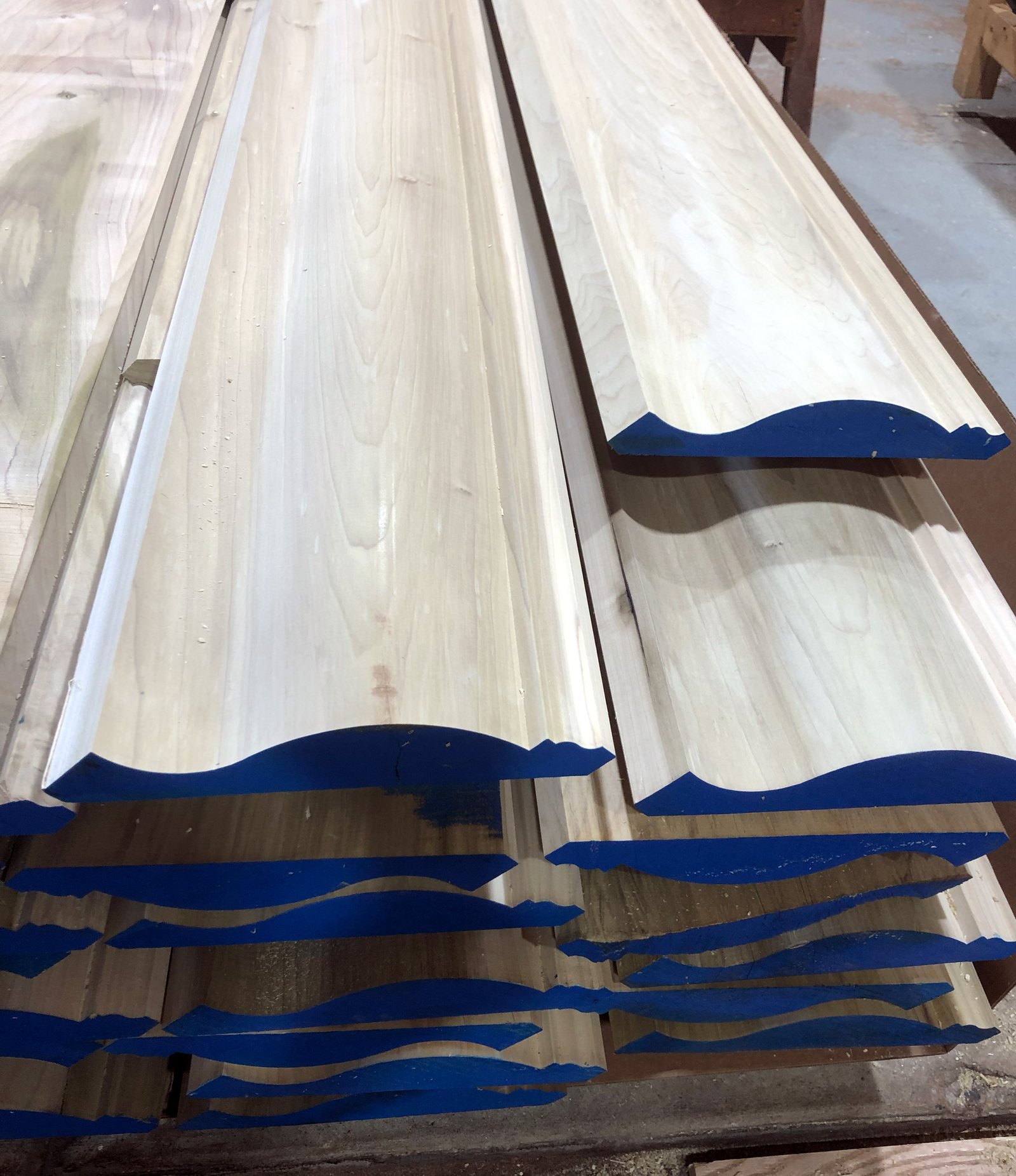
McIlvain carries White Oak in FAS and Select grades, available in lengths up to 16' for uninterrupted rail spans. Custom milling to fence-specific profiles — beveled picket tops, chamfered edges, routed decorative patterns — is available through their milling services division.
Cypress (Taxodium distichum)
Cypress heartwood contains cypressene, a natural preservative oil that delivers Class 2 durability and exceptional dimensional stability with only 3.8% tangential shrinkage from green to oven-dry. At 510 lbf Janka and 32 lbs/ft³, Cypress is significantly lighter than tropical hardwoods — reducing structural load on posts and simplifying gate hinge calculations.
The Southern Cypress Manufacturers Association documents 30+ year fence installations throughout the Gulf Coast and Southeast, where heat, humidity, and termite pressure destroy lesser species in under a decade. Cypress is particularly well-suited to tall privacy fences where board weight becomes a structural concern — a 6' Cypress picket weighs roughly 40% less than equivalent Ipe.
For coastal fence applications, see our detailed guide on Cypress performance in coastal environments. The species machines cleanly, holds paint and stain well, and develops an attractive silver-gray patina when left unfinished.
Western Red Cedar (Thuja plicata)
Western Red Cedar delivers the highest dimensional stability of any readily available softwood — shrinking only 2.4% radially and 5.0% tangentially — which minimizes the gap cycling and cupping that cause fence board failure. Though technically a softwood at 350 lbf Janka, Cedar's natural thujaplicin compounds provide genuine decay resistance rated Class 2-3 (moderately durable to durable) depending on heartwood percentage.
Cedar fences typically achieve 20-30 year service life in above-ground applications. The species weighs only 23 lbs/ft³, making it ideal for large gate panels where hinge stress is a primary concern. Cedar accepts all finish types and is available in tight-knot and clear grades — clear grades essential for premium fence installations where knot pop-out would compromise aesthetics.
Additional Species for Specialty Applications
Beyond the four primary fence species, McIlvain supplies several additional options for specific project requirements:
- Genuine Mahogany (Swietenia macrophylla) — 800 lbf Janka, exceptional workability for ornate gate panels. Note: FSC certification and CITES Appendix II documentation required for legal harvest verification.
- Sapele (Entandrophragma cylindricum) — 1,410 lbf Janka, interlocked grain provides racking resistance in gate frames. See our Sapele exterior performance guide.
- Jatoba (Hymenaea courbaril) — 2,350 lbf Janka, extreme impact resistance for commercial/security fencing.
- Teak (Tectona grandis) — 1,070 lbf Janka, highest natural oil content (~5%) of commercial species, self-finishing.
- Thermally modified ash and pine — Thermory and Abodo Vulcan products achieve Class 1-2 durability through thermal modification, offering domestic species with tropical-grade decay resistance. See our thermally modified wood overview.
- Accoya (acetylated radiata pine) — Accoya's acetylation process delivers 50+ year above-ground durability with superior dimensional stability (anti-shrink efficiency >75%). Available through McIlvain's Accoya program.
Post Sizing, Rail Dimensions, and Structural Requirements
Fence post sizing must account for species density, fence height, wind load, and soil conditions — with minimum recommendations of 4x4 for fences under 4', 4x6 or 6x6 for fences 5-8', and 6x8 or 8x8 for gates and corners. The American Wood Council's National Design Specification provides allowable stress values for structural wood members, and these calculations apply directly to fence post engineering.
Post Specifications
- Standard privacy fence (6' height): 6x6 posts set 36" deep minimum, spaced 6-8' on center
- Estate/tall privacy (8' height): 6x6 or 8x8 posts set 42-48" deep, spaced 6' on center maximum
- Gate posts: Minimum 6x6, preferably 8x8, set 48" deep with concrete collar — gate posts bear dynamic lateral loads 3-4x static fence panel loads
- Corner/end posts: One size up from line posts, with diagonal bracing at 45° for fences over 5'
For hardwood posts in ground contact, species selection is critical. Ipe and White Oak can be direct-buried with proper drainage (4" gravel base below post). Cypress and Cedar require either concrete encapsulation or metal post bases to separate wood from standing water. The American Wood Protection Association UC4A and UC4B use categories apply to ground-contact fence posts — verify species natural durability meets or exceeds the required use category for your installation.
Rail Dimensions
- Top and bottom rails: 2x4 minimum for 6' spans, 2x6 for 8' spans or heavy picket loads (Ipe/Jatoba)
- Mid-rails (recommended for fences over 5'): 2x4 centered between top and bottom rails
- Gate stiles: 2x4 minimum, 2x6 preferred — the stile carries hinge load and must resist twist
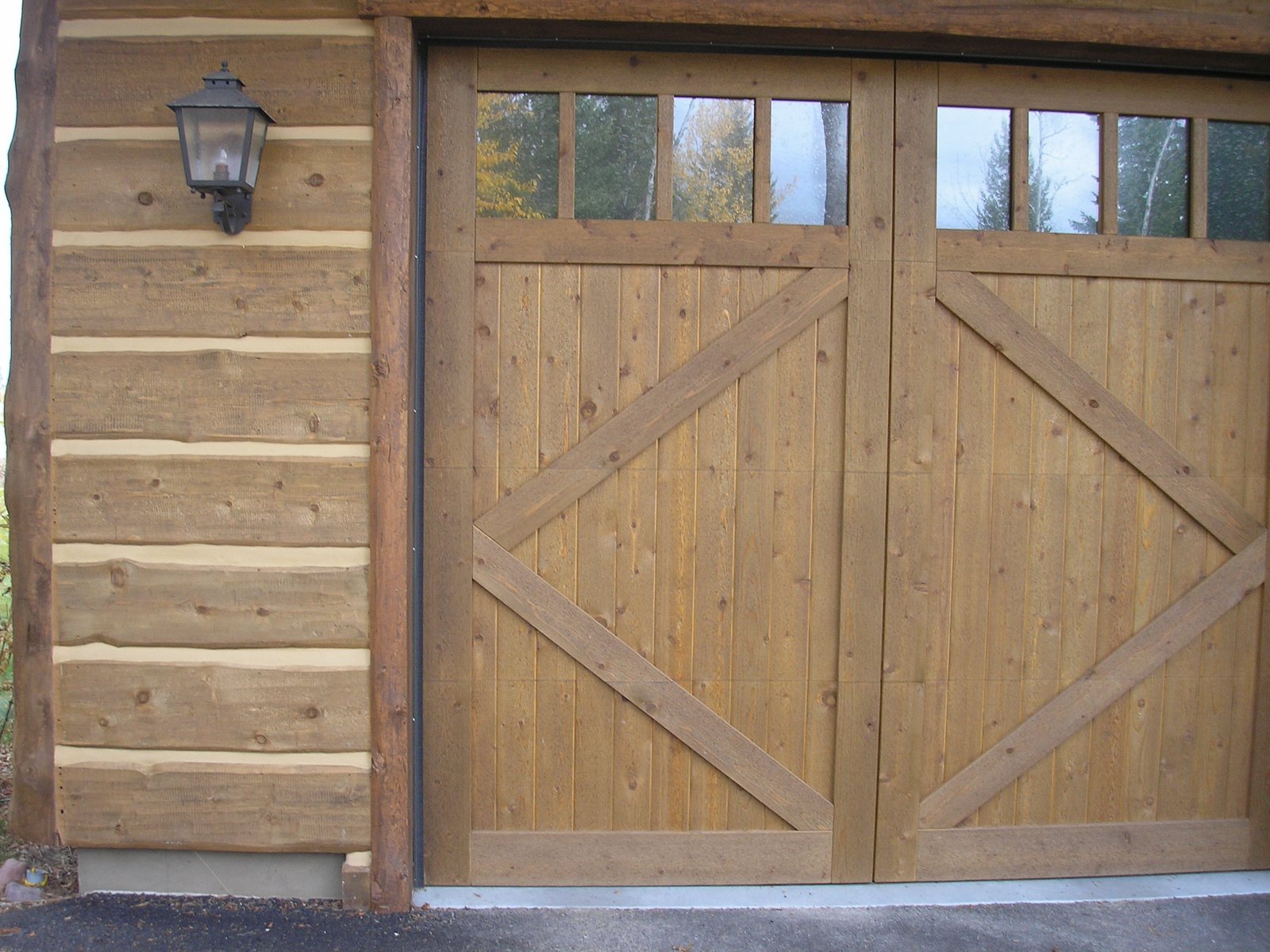
- Gate rails: 2x6 with diagonal brace (2x4) running from bottom hinge-side to top latch-side
Gate-Specific Structural Notes
Gate assemblies represent the highest-stress application in fence construction — a 4' wide x 6' tall Ipe gate panel weighs approximately 140-160 lbs, requiring heavy-duty strap hinges rated for 200+ lbs and lag-bolted through the full post section. The International Building Code Section 3306 addresses gates in construction site perimeter applications, while residential codes vary by jurisdiction.
For gate frames, mortise-and-tenon joinery with marine-grade epoxy and stainless steel draw-bore pins outperforms screwed butt joints by 400%+ in racking resistance. McIlvain's custom milling can produce tenoned rail ends and mortised stiles to architectural specifications, eliminating field joinery errors.
Hardware and Fastener Compatibility
Fastener selection for hardwood fences requires matching metal chemistry to wood chemistry — tannic species (Oak, Ipe) cause severe black staining with standard zinc-plated hardware, mandating 316 stainless steel or silicon bronze exclusively.
| Species | Required Fastener Grade | Pre-Drilling | Recommended Hinge Type | Staining Risk |
|---|---|---|---|---|
| Ipe | 316 Stainless Steel | Mandatory (pilot + countersink) | Heavy strap, stainless | Severe with zinc/iron |
| White Oak | 316 Stainless Steel | Recommended | Strap or butt, stainless | Severe with iron/zinc |
| Cypress | 304 or 316 Stainless | Recommended for dense heartwood | Standard strap or tee | Moderate with iron |
| Western Red Cedar | 304 Stainless or Hot-Dip Galv. | Optional (soft species) | Standard tee or butt | Moderate with iron |
| Genuine Mahogany | 316 Stainless or Silicon Bronze | Recommended | Decorative strap, bronze | Moderate with ferrous |
| Thermally Modified (Thermory/Abodo) | 304 Stainless | Recommended (brittle) | Concealed or face-mount | Low |
For screw sizing in fence pickets, #8 x 2-1/2" trim-head stainless screws provide adequate holding power in most species. For hardwood rails to posts, 3/8" x 4" stainless lag bolts or structural screws (GRK RSS or equivalent) are appropriate. Gate hinges require through-bolts with backing plates — lag screws alone will eventually pull free under dynamic gate loads.
Weathering Expectations and Finish Strategies
All exterior hardwoods will silver to gray within 6-18 months without UV-protective finish — this weathering is purely aesthetic and does not indicate decay or structural compromise. The Forest Products Laboratory's research on weathering confirms that surface graying from UV photodegradation affects only the top 0.01-0.05" of wood fiber, with no measurable impact on structural properties or decay resistance in naturally durable species.
Finish Options for Hardwood Fences
- Unfinished (silver patina): Zero maintenance, natural aging. Best for Ipe, Teak, and Cypress where the silver-gray aesthetic is desired. Initial tannin bleed (brown/black runoff) lasts 3-6 months on light-colored surfaces below.
- Penetrating oil (Penofin, TWP, Rubio): Maintains warm wood tones, requires reapplication every 1-3 years depending on exposure. Best for White Oak, Mahogany, Sapele where color preservation is specified.
- Film-forming (marine spar varnish): Maximum UV protection but highest maintenance — full sand-and-recoat every 2-3 years. Only practical for gates and limited decorative elements, not full fence runs.
- Pigmented stain (solid or semi-transparent): Longest maintenance cycle (3-7 years between coats) but obscures wood grain. Appropriate for Cedar and Cypress where color uniformity is prioritized over natural figure.
For detailed finish comparison data, see our guide on oil versus film finish performance.
Species Comparison: Cost, Performance, and Best Application
| Species | Material Cost ($/LF picket, 1x6) | Janka (lbf) | Durability Class | Expected Lifespan | Best Application |
|---|---|---|---|---|---|
| Ipe | $14-$22 | 3,680 | Class 1 (Very Durable) | 50+ years | Security, estate, commercial perimeter |
| White Oak | $8-$14 | 1,360 | Class 2 (Durable) | 35-40 years | Estate, traditional residential, historic |
| Cypress | $6-$10 | 510 | Class 2 (Durable) | 30-35 years | Coastal, tall privacy, Southern regional |
| Western Red Cedar | $4-$8 | 350 | Class 2-3 (Mod. Durable) | 20-30 years | Residential privacy, large gate panels |
| Genuine Mahogany | $10-$16 | 800 | Class 2 (Durable) | 30-40 years | Ornate gates, decorative panels |
| Sapele | $8-$12 | 1,410 | Class 2-3 (Durable) | 25-35 years | Modern horizontal, commercial entries |
| Thermally Modified (Thermory/Abodo) | $7-$12 | Varies (reduced ~20%) | Class 1-2 | 30-40 years | Contemporary, uniform color projects |
| Accoya | $10-$15 | ~600 | Class 1 | 50+ years above ground | Maximum stability, painted applications |
Note: Costs represent material only as of 2024-2025 pricing. Installation labor adds $8-$20/LF depending on species difficulty, site access, and detail level. Volume pricing available through McIlvain direct quotation.
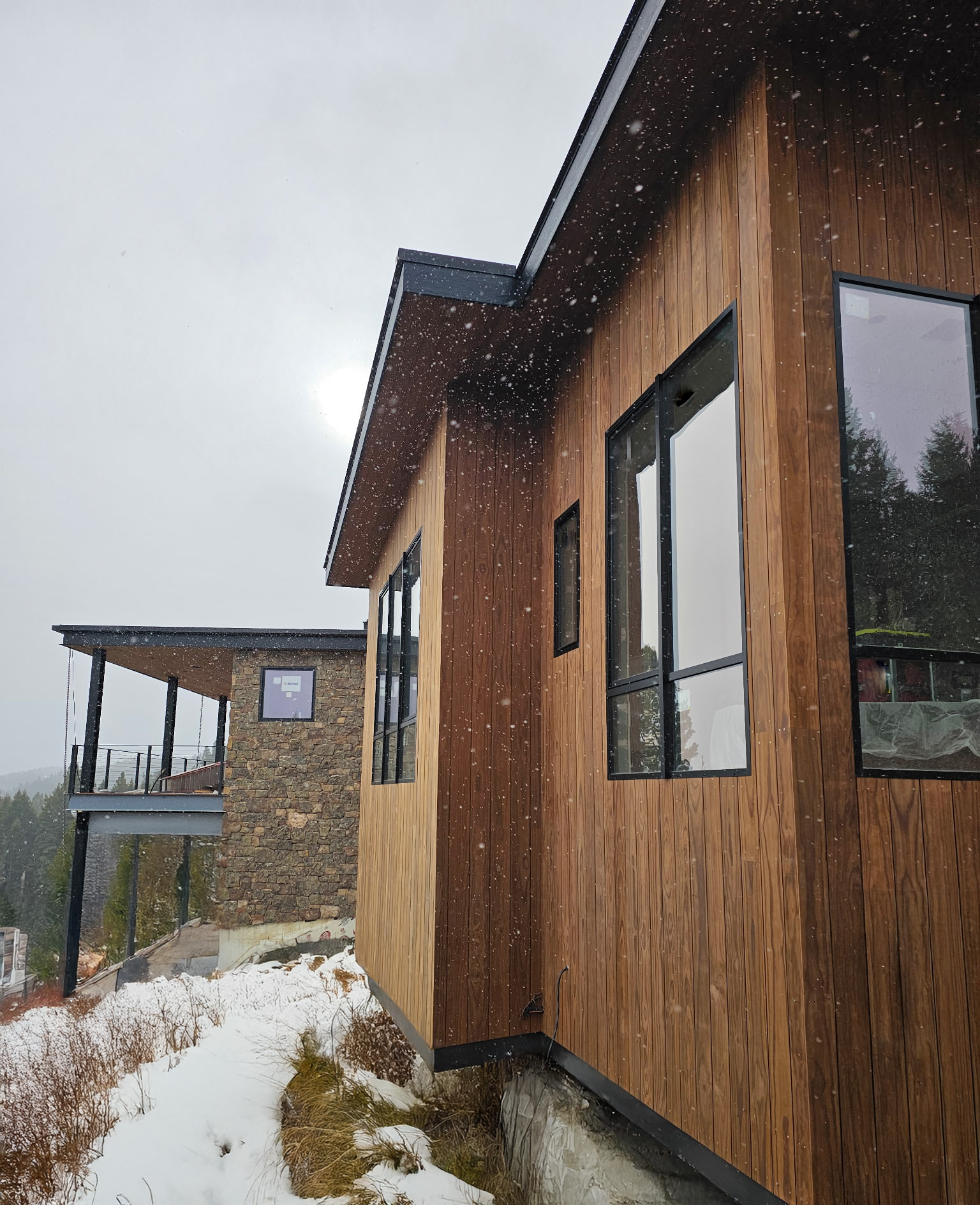
"We see architects increasingly specifying hardwood fences as an extension of the building envelope — the same Ipe or White Oak running on the facade continues into the site perimeter as fencing and gate panels. The key is sourcing fence lumber from the same inventory lot as the cladding to ensure color and grain consistency. That's something a specialty supplier can coordinate that a big-box store simply cannot."
— Brett Miller, President, J. Gibson McIlvain Company
Moisture Content and Acclimation for Fence Lumber
Fence lumber should be installed at 12-16% moisture content (MC) for above-ground applications — wood installed significantly above this range will shrink and gap, while wood installed too dry will swell and buckle. The Wood Handbook (FPL-GTR-282) establishes equilibrium moisture content (EMC) charts by region — most exterior applications in the continental U.S. equilibrate between 12-19% MC seasonally.
Tropical hardwoods (Ipe, Jatoba, Sapele) are typically kiln-dried to 10-12% MC before shipping. Domestic species (Oak, Cypress, Cedar) should be specified at 15% MC maximum for fence applications. Allow 2-4 weeks of on-site acclimation with boards stickered and covered before installation. For detailed moisture management guidance, see our moisture content specification guide.
Gate panels are particularly sensitive to MC — a 4' wide gate assembled from lumber at 8% MC that equilibrates to 16% in service will expand approximately 3/16" in width (White Oak), potentially binding in the frame. Specify gate lumber at 14-16% MC or allow 1/4" clearance per side.
Specification Considerations for Commercial and Institutional Fencing
Commercial fence specifications must address IBC Chapter 31 requirements for construction site perimeters, NFPA 1 fire code clearances, and local zoning height/setback restrictions — all before species selection begins.
For commercial projects, McIlvain can supply fence lumber in the same shipment as Alpha wood cladding or other exterior materials, consolidating freight and ensuring species/lot matching. The WoodWorks program provides free technical support for architects specifying wood in commercial applications, including site perimeter elements.
Key commercial specification requirements:
- Chain of custody documentation: FSC or PEFC certification often required for LEED and green building credits
- Fire rating: Fences within 5' of structures may require Class A or B flame spread — specify Ipe (Class A natural) or fire-retardant-treated alternatives
- Structural engineering: Wind load calculations per ASCE 7 for solid fence panels exceeding 6' in height
- ADA compliance: Gate hardware, opening force (5 lbs max for accessible gates), and clear width (32" minimum)
How McIlvain Would Specify This for a Real Project
When a project calls for premium hardwood fencing, McIlvain's specification support begins with exposure assessment. A south-facing fence in Phoenix receiving direct UV 10+ hours daily needs different species and finish strategy than a north-facing fence in Seattle under constant moisture pressure. The procurement workflow follows this sequence:
- Confirm total linear footage, fence height, and gate count/sizes
- Identify exposure conditions: UV intensity, moisture regime, ground contact requirements
- Select species based on performance requirements, aesthetic goals, and budget parameters
- Determine post method (direct-bury, concrete pier, metal post base) and size posts accordingly
- Specify rail and picket profiles — flat-sawn vs. quarter-sawn, S4S vs. rough-sawn face
- Confirm hardware specification (stainless grade, hinge capacity, latch type)
- Coordinate delivery timing with site readiness and acclimation needs
Performance and Procurement Checklist
| Item | Specification Required | Notes |
|---|---|---|
| Species | Botanical name, heartwood requirement | Specify "heartwood only" for Cypress/Cedar durability |
| Grade | NHLA grade (FAS, Select, #1 Common) | FAS for gates/visible faces; #1 Common acceptable for pickets |
| Moisture Content | Target MC% at delivery | 12-16% for most applications; verify with pin meter on receipt |
| Dimensions | Actual vs. nominal, tolerance | S4S hardwood is actual dimension; specify net size |
| Length | Minimum/maximum, random length acceptable? | Gates need matched lengths; fence runs can use random |
| Surfacing | S4S, S2S, rough-sawn | Rough-sawn hides fasteners better, takes finish differently |
| Certification | FSC, PEFC, or legal-harvest documentation | Required for Genuine Mahogany (CITES Appendix II) |
| Quantity Buffer | 10-15% overage | Accounts for culls, cuts, and future repair stock |
Where Specifications Usually Fail
- Sapwood inclusion: Specifying species name without "heartwood only" note results in boards with non-durable sapwood edges that decay rapidly in fence applications
- Undersized gate posts: Standard 4x4 posts fail within 3-5 years under heavy gate loads. 6x6 minimum for any gate, 8x8 for double gates
- Wrong fastener metal: A single galvanized hinge on a White Oak gate produces permanent black staining within one rain event — irreversible without planing
- No acclimation period: Installing kiln-dried tropical hardwood directly from container results in expansion and buckled pickets within the first wet season
- Insufficient ground clearance: Bottom rails and pickets touching soil or mulch wick moisture and decay regardless of species durability class
- Ignoring grain orientation: Flat-sawn boards cup toward the bark side — install with bark side out on fence pickets to shed water properly
Ordering Information to Resolve Before Pricing
- Exposure: Geographic location, orientation, proximity to saltwater or industrial pollutants
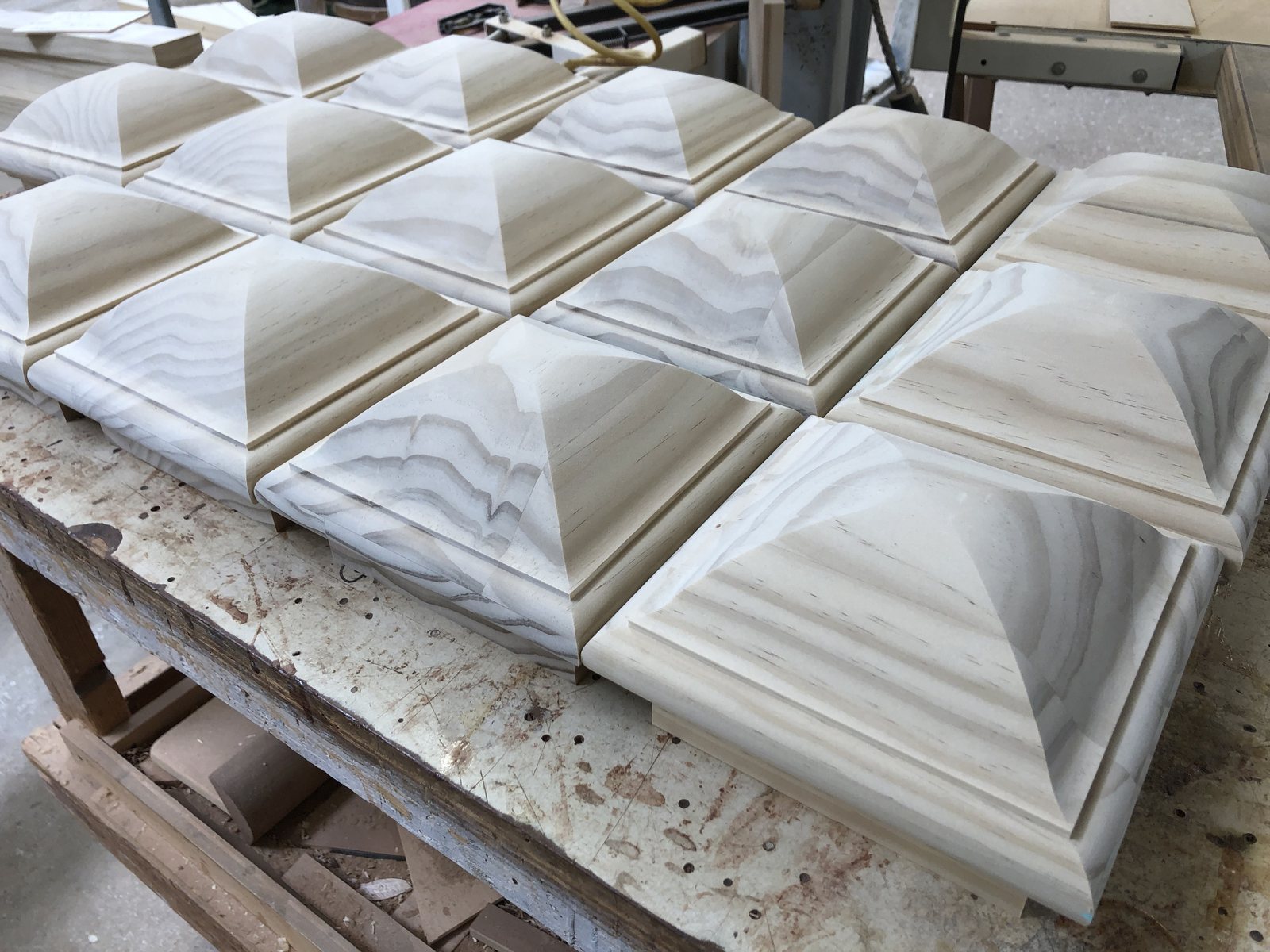
- Profile: Square-edge, beveled top, dog-ear, French Gothic, custom decorative — each affects waste factor
- Finish: Pre-finished (adds $2-4/LF but saves field time) vs. site-applied vs. unfinished
- Appearance: Color uniformity requirements, acceptable sapwood percentage, grain figure preference
- Assembly: Site-built vs. pre-assembled panels shipped on pallets (McIlvain can coordinate panel assembly)
- Logistics: Delivery access (tractor-trailer vs. straight truck), forklift on site, covered storage available
Related McIlvain Guidance and Next Steps
- Specifying Exterior Hardwood for 30+ Year Lifespan — applies directly to fence longevity planning
- Rainscreen Cladding Species Profiles — same species, similar exposure considerations
- Ventilation and Airflow Behind Wood — applies to fence panel backing and post drainage
- Pre-Finished Hardwood Sourcing — pre-finish options reduce field time for fence installations
- Contact McIlvain for project quotation — 410-687-0857 or mcilvain.com/contact-us/
Frequently Asked Questions
What is the best wood species for a fence that will last 40+ years without replacement?
Ipe (3,680 lbf Janka, Class 1 durability) and Accoya (acetylated radiata pine, Class 1 durability) both deliver documented 50+ year service life in above-ground fence applications. Ipe requires no finish but must use 316 stainless steel fasteners. Accoya offers superior dimensional stability and accepts paint or stain. Both are available through J. Gibson McIlvain with FSC chain-of-custody documentation.
What size posts do I need for a hardwood fence gate?
Gate posts should be minimum 6x6 for single gates under 4' wide, and 8x8 for double gates or any gate exceeding 4' width. Posts must be set 48" deep minimum with concrete collar. A 4' x 6' Ipe gate panel weighs 140-160 lbs — hinges must be rated for 200+ lbs and through-bolted with backing plates, not lag-screwed. The American Wood Council's National Design Specification provides allowable stress values for engineering post connections.
Will a hardwood fence turn gray and does that mean it is rotting?
All unfinished exterior wood silvers to gray within 6-18 months from UV photodegradation of surface lignin. According to the USDA Forest Products Laboratory, this affects only the top 0.01-0.05 inches of fiber and has zero impact on structural integrity or decay resistance in naturally durable species like Ipe, White Oak, or Cypress. To maintain original wood color, apply a penetrating UV-protective oil every 1-3 years.
Can I use White Oak for fence posts in ground contact?
Yes — White Oak is one of few domestic hardwoods with sufficient natural durability (Class 2) for direct ground burial in fence post applications. Its tyloses block moisture absorption, providing 15-25 year ground-contact service life without treatment. Install with 4" of gravel below the post base for drainage, and specify heartwood only — sapwood has no natural decay resistance regardless of species.
What fasteners should I use with Ipe or White Oak fencing to avoid staining?
Both Ipe and White Oak contain high tannin levels that react with iron and zinc to produce permanent black stains. Use exclusively 316 stainless steel screws, bolts, hinges, and latches. Silicon bronze is an acceptable alternative for decorative hardware. Pre-drill all connections in Ipe (mandatory — standard screws will snap in 3,680 lbf hardness material) and use #8 x 2-1/2" trim-head stainless for pickets, 3/8" x 4" stainless lags for structural connections.
Sources
- USDA Forest Products Laboratory — Wood Handbook (FPL-GTR-282), wood properties, weathering research, and equilibrium moisture content data
- ASTM International — Standard D2017 (decay resistance testing), E84 (surface burning characteristics), and dimensional stability standards
- American Wood Council — National Design Specification for Wood Construction, allowable stress values for structural calculations
- National Hardwood Lumber Association — Hardwood grading rules (FAS, Select, Common grades) and measurement standards
- International Code Council — International Building Code Chapter 31 (construction fencing) and residential fence requirements
- National Fire Protection Association — NFPA 1 Fire Code, clearance requirements for combustible fencing near structures
- Southern Cypress Manufacturers Association — Cypress heartwood durability data and exterior application guidance
- Forest Stewardship Council — Chain of custody certification standards and CITES species documentation requirements
- American Wood Protection Association — Use Category system (UC4A, UC4B) for ground-contact wood applications
- Thermory — Thermal modification process data and durability class documentation
- Abodo Wood — Vulcan thermally modified radiata pine technical specifications
- Accoya — Acetylation process, dimensional stability data, and durability class certification