What Starts the Lead Time Clock
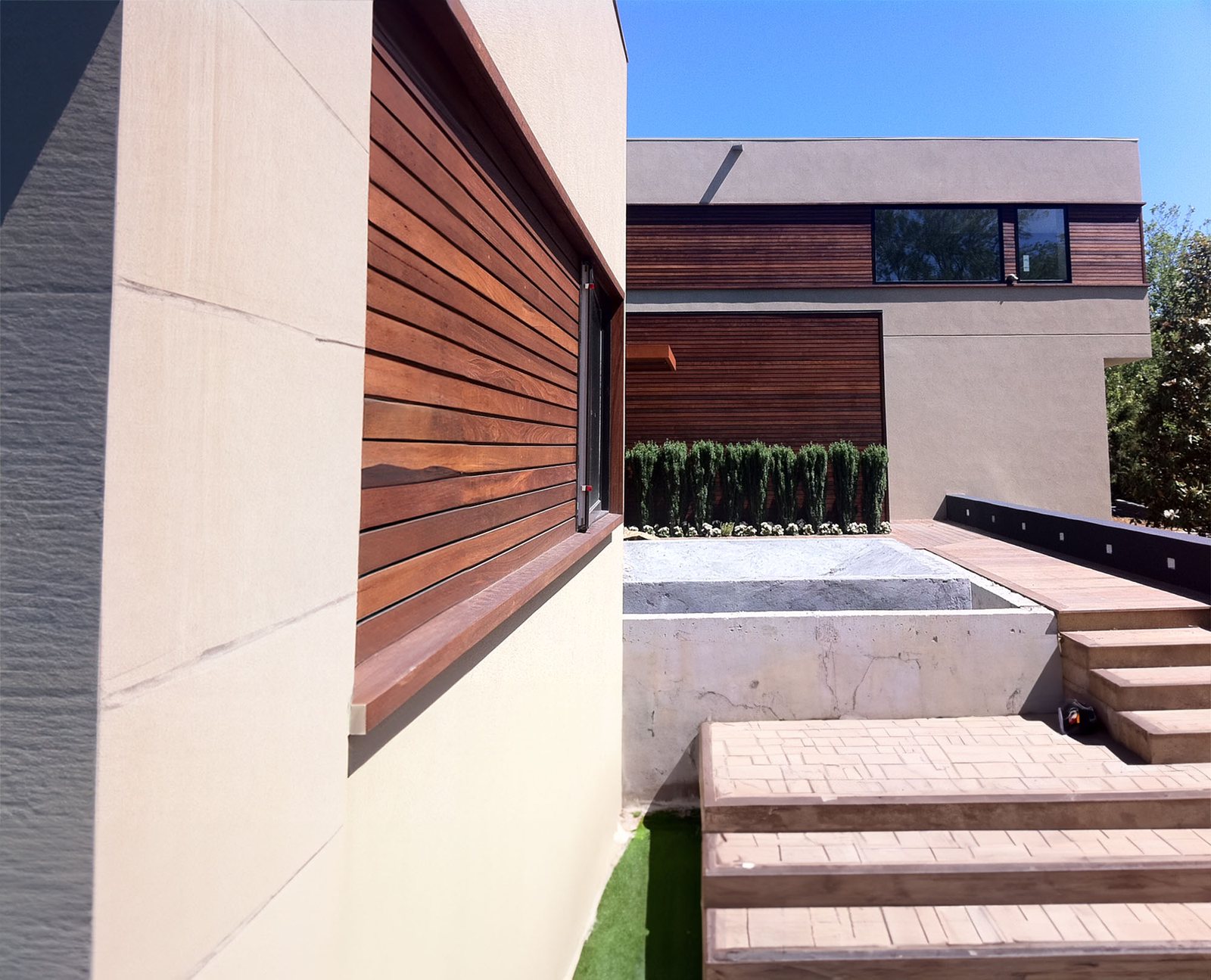
A custom millwork lead time starts when the shop has an approved drawing it can cut from, not when the purchase order lands. That gap is where most schedule surprises are born. A contractor counts from the day the order was placed. The shop counts from the day the last open question was closed, because a moulder setup cannot be scheduled against a profile still sitting in an architect's review pile.
The questions that hold a drawing are usually small ones. Which face of the jamb carries the rabbet. Whether a box beam wraps a steel column or a glulam. Whether a curved head casing is struck from a fixed radius or drawn as an ellipse. Each of those is a five minute answer that can sit unanswered for 8 working days, and 8 working days of silence looks identical to 8 working days of production on a bar chart.
ICD, the architectural millwork division of J. Gibson McIlvain, runs true custom work through a defined sequence of drawing, approval, machining and finishing, published as its working process. Reading that sequence before a bid closes is the cheapest schedule insurance available on a millwork package, and it tells a project manager which dates are actually his to move.
Where the Weeks Sit in a Custom Order
Every stage in a millwork order is governed either by a physical constraint the shop cannot compress or by a decision the buyer still owes, and the two behave completely differently on a schedule. Drying time, glue cure and finish cure are chemistry. They take what they take. Approval time, selection time and release-to-ship time are decisions, and decisions can be made in an afternoon.
Sorting the stages into those two buckets is the single most useful thing a builder can do with a millwork submittal. It shows where pushing helps and where pushing only moves risk onto the finished product. A rushed approval is recoverable. A rushed glue cure on a lock mitered box beam is not.
| Stage | What sets the clock | What the buyer controls |
|---|---|---|
| Drawing and approval | Round trips between shop, architect and owner on profile, reveal and dimension | Nearly all of it. Consolidated markups and a single approving authority cut this stage hardest |
| Lumber selection and release | Availability of the width, length and grade in the specified species, plus color and figure matching across a lot | Flexibility on width, length and sapwood tolerance. Locking the species early |
| Drying and conditioning | Kiln schedule and the time the stock needs to settle at target moisture content before machining | Little to none. Specifying a species already in dried inventory avoids the stage entirely |
| Knife grinding | Whether the profile exists in the library, needs a match ground from a sample, or is being originated from a drawing | Submitting a physical sample or a clean full scale section rather than a photograph |
| Machining | Linear footage, number of separate setups, and whether parts are straight or curved | Reducing the number of distinct profiles. Radius work cannot be reduced, only planned for |
| Assembly and joinery | Joint type, clamp time and glue cure on beams, doors, gates and case work | The joinery choice itself, made at design stage rather than at fabrication |
| Priming and cure | Number of coats, sanding between coats, and cure time before parts can be stacked or wrapped | Priming level and coating system, decided with the painter before the order is placed |
| Packaging and transit | Crating method, truck routing and the number of staged releases | Whether the job site is ready to receive, and whether finished material sits in storage first |
Species Selection and Releasing the Lumber
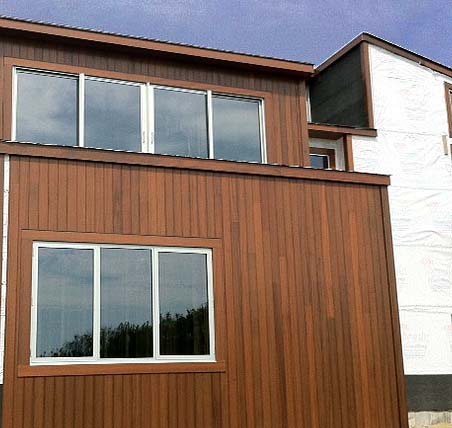
Finding the board is a scheduled stage of its own, and on wide, long or figure-matched custom work it is often the longest one before a cutter ever turns. A 16 ft run of Sapele crown in one continuous piece is not the same order as 16 ft of Sapele in random lengths. The first requires somebody to walk a pack and pull.
J. Gibson McIlvain holds over seven million board feet of exotic and domestic lumber at its Maryland yard, which is why a width or a length that puts a smaller shop on allocation usually does not move the date here. That inventory depth matters most on true custom items such as rafter tails, radius millwork, pergola members and wide stile and rail doors, all of which eat clear material fast.
The millwork palette runs on Sapele, Iroko, Afrormosia, Teak and Utile. Those five machine cleanly, glue reliably and hold a moulded edge, which is the whole job in a millwork shop. Sapele carries a Janka hardness around 1,410 lbf and takes paint better than Genuine Mahogany at roughly 800 lbf, so painted exterior trim is specified in Sapele more often than not. Sapele is not milled 1x8 for exterior use. That width is too much to stay stable in service.
The tropical decking species behave differently. Ipe, botanically Tabebuia spp, along with Cumaru, Garapa, Jatoba and Red Balau, are extremely hard and carry high oil content, which makes them difficult to glue. That is a decking conversation, not a millwork one, and a shop building a glued box beam or a stile and rail gate reaches for Sapele, Iroko, Afrormosia, Teak or Utile instead.
Where a specification calls for a CITES listed species, documentation and chain of custody travel with the material, and that paperwork has its own calendar. J. Gibson McIlvain is an FSC certified importer and miller, so the permit and certification trail is assembled alongside the order rather than chased after the fact. Buyers can read the listing framework at CITES and the certification framework at FSC.
Moisture Content Is a Scheduled Step
Wood has to arrive at its in-service moisture content before it is machined, and no amount of expediting changes how long that takes. J. Gibson McIlvain mills interior millwork to an in-service moisture content near 6 to 8 percent and exterior work near 12 to 16 percent. Machining a profile into stock that has not settled produces parts that move after the knife, which shows up as an open miter three months after handover.
This is the stage builders most want to compress and least can. Drying is governed by thickness, species and starting condition. The practical lever is specifying material that is already dried and sitting in inventory rather than material that has to be scheduled into a kiln. The USDA Forest Products Laboratory documents the equilibrium behavior in its Wood Handbook, and the seasonal interior swings that drive it are covered well by Building Science Corporation.
Sawing pattern buys stability that moisture control alone cannot. Quartersawn and rift stock moves less across its width than plainsawn, which is why a painted panel, a wide flat casing or a radius laminated component gets specified that way. It costs yield. It saves callbacks.
Modified woods change the math and the limits at the same time. Accoya runs around 1,600 lbf Janka with acetylation giving dramatically reduced shrinkage and swelling, and Thermory and Abodo Vulcan give thermally and chemically modified options that J. Gibson McIlvain carries. All of them top out around 16 ft, most sold on metric lengths just under 16 ft, because of kiln size. Thermally modified Ash is not available wider than 8 inches, so a wide modified board means Accoya or Abodo Vulcan. Specifying a 20 ft modified run does not create a long lead time. It creates an impossible one. Product detail is published by Accoya and Thermory.
Knife Grinding and the Profile Library
Grinding a knife is a small stage with an outsized ability to stall an order, because it depends entirely on how well the profile was communicated. A physical sample of the existing moulding, even a 6 inch offcut pulled from a closet, resolves the question in one pass. A photograph with a tape measure held next to it does not.
J. Gibson McIlvain keeps a moulding profile library holding thousands of ground knives and grinds new knives custom every week. When a profile already exists in that library, this stage effectively disappears. When it does not, the shop grinds to match, including difficult historical restoration profiles and contemporary sections that were drawn last month.
The library also governs what happens on phase two. Seventh generation and family run since 1798, J. Gibson McIlvain keeps the knife and the record on file, so a run repeated three years later comes off the same steel instead of being reverse engineered from a weathered sample. On multi building campuses and long renovation programs, that is the difference between a match and an approximation. Profile families are shown at ICD trim profiles, and the industry reference for standard patterns is the Wood Moulding and Millwork Producers Association.
Straight Runs Against Radius Work
Linear trimwork and radius millwork sit on the same order but not on the same clock, and combining them without planning is the most common cause of a package being held for its last item. Straight run production is governed by setups and footage. A thousand feet of one profile runs faster per foot than a hundred feet of ten profiles, every time.
Radius work is a different operation. Curved casings, arched heads, segmental jambs and radius crown are laid up, built up or bent, then the profile is worked onto a curved blank. Each radius is unique to the opening it serves, and the opening has to be measured by the builder before the blank can be laid out. That handoff, not the machining, is where curved work usually loses time.
The practical fix is sequencing rather than speed. A package that releases straight linear trim, finished cladding and primed trim on an early truck and holds radius components for a second release keeps a finish carpenter working while the curved parts are still in the shop. J. Gibson McIlvain runs a full millwork shop on site at the lumber yard and a full architectural millwork house off site, which is ICD, so a linear run and a true custom curved element come off one order instead of two vendors with two schedules. The linear side is described under J. Gibson McIlvain millwork services.
Box Beams and the Joinery Decision
The joinery chosen for a box beam sets its fabrication time, its strength and its finished appearance in one decision, and that decision belongs at design stage rather than on the shop floor. ICD builds box beams in three joinery types, and they are genuinely different products.
Butt joints give the most minimal profile, the fastest turnaround and the easiest on-site assembly. They also leave visible seams and visible end grain, and they are the weakest of the three. On a painted beam in a low sight line application, that trade is often correct.
Dado joints are strong and still easy for a carpenter to assemble on site, but seams and end grain remain visible. Lock miter joints show no visible seams and are the strongest of the three, which is what a stained beam at eye level in a great room needs. Lock miters also demand the most setup precision and the most clamp and cure time, and that time is not negotiable once the glue is spread.
A buyer who picks lock miter three days before a delivery date is really picking a new delivery date. A buyer who picks it during design gets both the joint and the date. Rafter tails, pergola members, benches and railings follow the same rule, with assembly method driving the schedule more than species selection does.
Gates, Shutters and Custom Doors
Large swing gates and historically matched shutters carry engineering and research time that has nothing to do with machining, and leaving it out of the schedule is how these items become the long pole. ICD builds pedestrian, garden, courtyard and estate entry gates along with large driveway swing gates. At driveway scale, size and weight mean the gate requires engineering rather than craftsmanship alone, and that engineering happens before any stock is pulled.
Shutters carry a different kind of front-loaded time. ICD builds louver and panel styles, including complete historical matching for both style and species, which is what a historic district review requires when like-for-like replacement is mandated. Matching an original means documenting the original first, and the review body has its own meeting calendar. The federal framework for that work is set out in the National Park Service Standards for Rehabilitation.
Custom doors sit between the two. Stile and rail construction, panel layout and the moisture behavior of a large glued assembly all matter, and exterior doors are milled to the 12 to 16 percent exterior range rather than the interior range. Exterior gate and door work is shown at ICD exterior millwork and ICD custom doors and windows.
One thing to be clear about. There are no warranties on solid unmodified wood. It is an organic material responding to its environment, and no shop can warranty that response. Warranties exist on modified products only, which is a real reason to specify Accoya or Abodo Vulcan on a fully exposed gate in a punishing climate.
Kitchen Cabinets and Case Work
True custom cabinetry is engineered around a specific room, so its lead time includes design work that modular cabinetry skips entirely. That design time is exactly what buys the result. Cabinets assembled from standard modules produce filler strips, mismatched face frames and a run of drawers that stops short of a wall for no visible reason.
ICD plans kitchen cabinetry around how the space is actually used rather than around a catalog of box sizes. Specialty drawers get designed for what goes in them. Storage gets worked around plumbing stacks, ductwork and structure instead of surrendering a cabinet to them. Construction is tailored to the countertop material being carried, because a heavy stone slab and a wood top ask different things of the cabinet below.
The schedule consequence is straightforward. Approval of the cabinet drawings is the gate, and it is a bigger gate than on trim because there are more decisions inside it. Once approved, case work machining and assembly are predictable. Hardware selection is the item most likely to sit open and quietly hold a door or drawer package. Standards for construction grades are published by the Architectural Woodwork Institute, and the scope of this work is shown at ICD cabinets and case work.
Priming, Cure Time and the Trip to Site
Priming is where a millwork order stops being a machining schedule and starts being a chemistry schedule, and cure time is the part builders forget to draw on the schedule. J. Gibson McIlvain primes wood in three levels, in both oil-based and water-based systems, and exterior primed trim carries a fungicide additive.
Open-grained and oily species absorb a great deal of finish, so a primer coat evens out the eventual painted surface rather than letting the topcoat disappear into the wood in patches. Sanding or buffing after priming knocks back grain raising while keeping the moulded detail crisp, which is the difference between a profile that reads sharp on the wall and one that looks softened. Each of those passes takes shop time, and each coat has to cure before parts can be stacked, wrapped or crated.
Parts leaving primed on all six faces also change what happens after delivery. The installer is not waiting on a painter to seal backs and ends before anything can be hung, which is usually worth more days on site than it costs in the shop. J. Gibson McIlvain supplies and mills. Field measurement and installation stay with the buyer's own carpenter or fabricator.
"The date people remember is the delivery date, but the date that decides everything is the day we get an approved drawing back. I would rather spend an extra week at the front of a job answering questions than explain later why a curved head casing did not match the straight run beside it."
Norm Moton, Director of Sales, J. Gibson McIlvain
J. Gibson McIlvain stores finished millwork for inventory control, which lets a package that is finished early wait in a conditioned building instead of on a job site under a tarp. Release is then staged against the actual trim schedule. The company runs its own fleet of trucks and keeps a section of the mill dedicated to packaging, and it ships nationwide, regularly to California, so a primed and finished surface is protected through the trip rather than handed off and hoped for.
How J. Gibson McIlvain Would Specify This
Lead time on custom millwork is managed by deciding early, not by expediting late, and the decisions that matter most are the ones that lock a physical constraint into place. Species and profile first. Joinery second. Priming level third. Delivery staging last.
Lock the species before the drawings go out, with Sapele, Iroko, Afrormosia, Teak or Utile as the working palette and cedar as a legitimate default on exterior work where its behavior suits the detail. Distinguish CVG, clear vertical grain, from STK, select tight knot, in the specification itself rather than leaving the grade to interpretation. State the in-service moisture target, 6 to 8 percent interior and 12 to 16 percent exterior, so the mill and the site are working to the same number.
Send a physical profile sample when one exists. Name the box beam joint in the drawing set, not in a phone call. Decide the priming level with the painter before the order is placed, and state whether parts arrive primed on all six faces. Confirm the storage and release plan so finished millwork is not delivered into a building that is still being framed. Plan curved and straight components as two releases from one order.
For a live lead time on a specific package, or to walk a profile drawing through before the submittal deadline, call J. Gibson McIlvain at 800-638-9100. Custom work is handled through ICD, the company's architectural millwork division, and linear trimwork, finished cladding and primed trim come off the same order. Code and standards references that sit behind most millwork specifications are maintained by the American Wood Council and the National Hardwood Lumber Association.
Frequently Asked Questions
Which stage of a custom millwork order is the one buyers most often underestimate?
Drawing approval, by a wide margin. The shop cannot schedule a moulder setup against a profile that is still under review, so every round trip between the shop, the architect and the owner sits on the critical path exactly like production time does. Consolidating markups and naming a single approving authority is the fastest schedule compression available on a millwork package, and it costs nothing. The second most underestimated stage is finish cure, because primed parts have to cure before they can be stacked, wrapped or crated.
Does sending a physical sample of an existing moulding actually shorten the lead time?
Yes, and usually by more than people expect. J. Gibson McIlvain keeps a profile library holding thousands of ground knives and grinds new knives every week, so the first question on any match is whether the profile already exists in that library. A 6 inch offcut answers that in one pass. A photograph with a tape measure held beside it does not, and the resulting back and forth is pure schedule loss on historical restoration work where the original section has an odd fillet or an uncommon cove radius.
Why does a lock miter box beam take longer than a butt jointed one?
Setup precision and cure time. Lock miter joints show no visible seams and are the strongest of the three joinery options ICD offers, which is what a stained beam at eye level needs, but the joint demands tighter machining and full clamp and glue cure before the beam can move. Butt joints give the most minimal profile, the fastest turnaround and the easiest on-site assembly, with visible seams, visible end grain and the least strength. Dado joints sit between them, strong and easy to assemble on site but still showing seams and end grain.
Can a modified wood order be run long to eliminate a joint in a run?
Not past about 16 ft. Accoya, Thermory and Abodo Vulcan all top out around 16 ft because of kiln size, and most are sold on metric lengths just under 16 ft. Thermally modified Ash is not available wider than 8 inches, so a wide modified board means Accoya or Abodo Vulcan. Specifying a 20 ft modified member does not produce a long lead time, it produces an order nobody can fill, and finding that out at submittal review is far better than finding it out during procurement.
Does ordering primed trim add time to the order or remove it from the job site?
It adds shop time and usually removes more site time than it adds. J. Gibson McIlvain primes wood in three levels in both oil-based and water-based systems, with a fungicide additive on exterior primed trim. Open-grained and oily species absorb a great deal of finish, so a primer coat evens out the eventual painted surface, and sanding or buffing after priming knocks back grain raising while keeping moulded detail crisp. Parts arriving primed on all six faces mean the installer is not waiting on a painter to seal backs and ends.
What most often holds up radius millwork specifically?
The measurement handoff, not the machining. Each curved casing, arched head or segmental jamb is unique to the opening it serves, so the opening has to be measured accurately by the builder before a blank can be laid out. J. Gibson McIlvain supplies and mills, and field measurement stays with the buyer's own carpenter. The workable approach is to plan curved and straight components as two releases from a single order so linear trim, finished cladding and primed trim reach the site while radius parts are still in the shop.
Is solid wood millwork covered by a warranty against movement?
No. There are no warranties on solid unmodified wood. It is an organic material responding to its environment, and no shop can warranty that response. Warranties exist on modified products only, which is one genuine reason to specify Accoya or Abodo Vulcan on a fully exposed gate or a shutter in a harsh exposure. What a specification can control is sawing pattern and moisture, since quartersawn and rift stock moves less across its width than plainsawn, and interior millwork milled near 6 to 8 percent behaves predictably in a conditioned building.
Sources and Standards Referenced
- Wood Handbook: Wood as an Engineering Material, USDA Forest Products Laboratory
- Wood Moulding and Millwork Producers Association
- Architectural Woodwork Institute
- CITES, Convention on International Trade in Endangered Species
- Forest Stewardship Council
- National Park Service, Standards for the Treatment of Historic Properties
- American Wood Council Codes and Standards
- National Hardwood Lumber Association