What a Finish Sample Actually Records
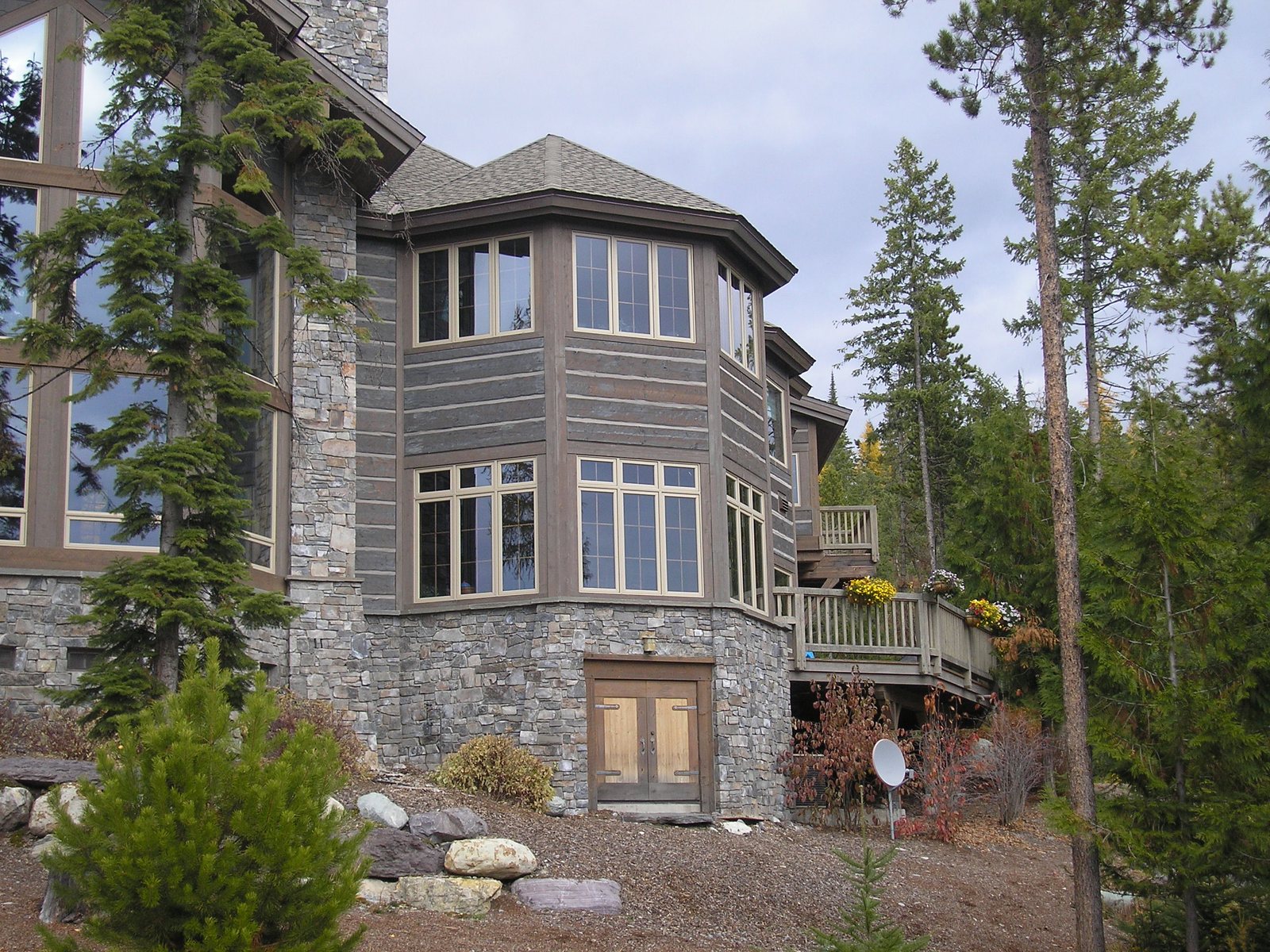
A finish sample records one cured film on one piece of wood, sanded one way, judged under one light, on one day. That is the whole of it. The chip carries no species name, no cut, no sanding grit, no film build and no date. A shop asked to recreate it is reading backward from a result toward a process, and the number of different processes that land on the same result is larger than most buyers expect.
Renovation and addition work is where this bites hardest. The new run has to sit beside trim, casework or a stair that was finished years ago by someone who left no record behind. A chip pried off the back of a baseboard or a door stile is often the only physical evidence left in the building. It is good evidence. It is also incomplete in specific and predictable ways.
The value of knowing those ways is practical. Every gap the sample leaves can be closed on paper before the order goes into production, which is far cheaper than discovering it when the crates are open and the installer is standing there holding a piece that reads warm against a room that reads cool.
The Wood Under the Film Decides the Color
A stain does not have a color on its own, and the same formula on two species produces two finished surfaces that no amount of tinting will reconcile later. Color lives in the interaction between the colorant and the cell structure it lands in. Pore size, extractive content and natural ground color all push the result. The sample shows where the combination ended up. It does not name the wood that got it there.
Species identification off a finished chip is genuinely difficult. Sapele and Utile are routinely confused by eye once a dark stain is on them, and the two behave differently under a knife and under a coating. Iroko passes for Teak in a photograph and reads distinctly greener in a raw board. Afrormosia has been sold as a Teak substitute for decades on exactly that resemblance. A millwork house works with the whole of that group because Sapele, Iroko, Afrormosia, Teak and Utile machine cleanly, glue predictably and take a coating without fighting it.
Lot variation sits underneath species. Heartwood and sapwood in the same tree take stain at different rates, and boards cut from different logs in the same species carry different amounts of the extractives that shift final color. J. Gibson McIlvain pulls and matches stock from a single lot when a renovation has to blend into existing work, which removes a variable that no finishing schedule can correct once the parts are milled. The technical profile for Sapele gives a sense of how much range a single species name actually covers.
Grain Orientation Changes the Same Formula
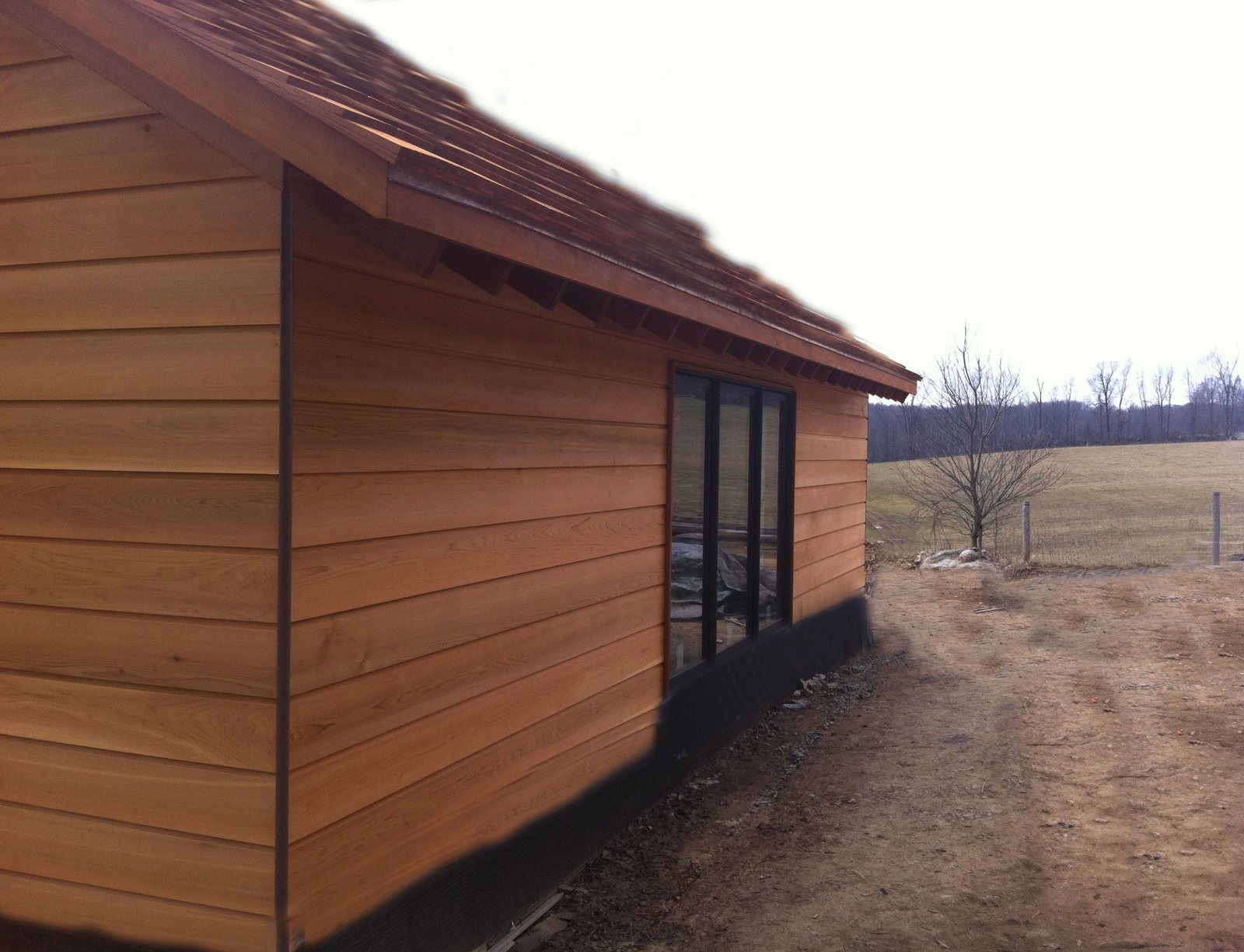
Quartersawn, rift and plainsawn stock finished with identical materials will not look identical, and a sample almost never states which one it came from. Plainsawn faces expose broad bands of earlywood and latewood that drink colorant at different rates, which is what produces the striped look people either want or hate. Quartersawn faces present a tighter, more even surface and come out lighter with the same schedule.
Sapele makes the point better than most. Quartersawn Sapele shows the ribbon figure it is known for, and that ribbon flips light and dark as the viewer walks past it. A sample cut from quartersawn stock and installed against plainsawn work will read as a color mismatch to the client even when the finish schedule is the same on both.
The reason to care goes past appearance. Quartersawn and rift stock moves less across its width than plainsawn, which is why it gets specified where a painted or panelized surface has to stay flat through a heating season. Grain orientation is a stability decision and a color decision at the same time, and the sample speaks to neither.
Machining and Sanding Set How Much Stain Goes In
Two boards of identical species and cut will finish at different values if one was sanded to 120 grit and the other to 180 grit, and the sample cannot tell anyone which happened. Finer sanding closes the surface and holds colorant out. Coarser sanding opens it and lets more in. The difference across two grit steps is visible across a room.
Machined surfaces behave differently again. A moulded profile comes off the knife with a burnished face that resists penetration, so a run of trim finished straight off the moulder can sit noticeably lighter than a flat panel sanded by hand in the same shop on the same afternoon. Where a match matters, the profile needs the same surface preparation as whatever it is being matched to.
Grain raising is the other half. Water-borne systems lift fiber on the first coat, and that lifted fiber scatters light and reads as a slightly hazier, lighter surface if it is not cut back. Sanding or buffing after the first coat knocks back the raised grain while keeping moulded detail crisp, which matters most on the fine beads and fillets where aggressive sanding would soften the profile the knife just cut. The finishing chapter of the Wood Handbook from the USDA Forest Products Laboratory covers the mechanics in detail.
Sheen Is a Measurement, Not a Word
Satin is not a specification, and a sample submitted without a gloss reading leaves the single most visible property of the finish undefined. One manufacturer's satin lands where another's semi gloss starts. Gloss is measured at a fixed angle with an instrument, most commonly 60 degrees for mid range coatings, under the ASTM International test methods for specular gloss. A number travels. A word does not.
Sheen also drifts with application. The same product sprayed at a heavier film build comes out glossier than the same product wiped on, and a final rub with synthetic abrasive drops sheen without changing color at all. Any of those steps could be sitting inside the existing work a renovation is trying to match, and none of them show up in a chip.
Light is the last variable. Two finishes that match under shop lighting can separate under the warm lamps in a dining room, a mismatch that comes from different colorant systems reflecting different parts of the spectrum. The only reliable check is to view the approval sample in the room, at the angle and under the light the finished work will live in.
The Work Being Matched Has Already Moved
The existing finish in the building is not the finish that was applied to it, and matching the original formula produces a piece that looks wrong on day one. Wood keeps reacting after the coating goes on. Ultraviolet light, oxygen and ordinary room light all push color, and the direction depends on the species.
Cherry is the clearest case. It arrives pale and pinkish at roughly 950 lbf on the Janka scale, then deepens to a reddish brown within a year or two of light exposure. A Cherry addition finished to match the color of new Cherry will be several shades light against a room that has been sitting in sunlight since the first phase. Genuine Mahogany at roughly 800 lbf darkens and reddens the same way. Sapele at roughly 1,410 lbf moves less but still moves.
Two honest paths exist. The new work can be toned at the shop to sit at the aged value, which looks right immediately and may drift slightly darker over time. Or it can be finished to the original formula and allowed to catch up, which looks light for a season or two and ends up correct without intervention. That choice belongs to the architect or owner, and it has to be made out loud before production starts, since no finish sample from either phase contains the answer.
Profile Geometry Reads as Color
A moulding profile changes apparent color through shadow alone, so a flat finish sample tells a buyer nothing about how the same finish will read on a cove, a bead or a radius return. A deep cove holds a shadow line that darkens the whole member visually. A flat fillet catches light and lifts it. Two pieces of trim finished from the same batch can look like two different colors because the knives that cut them were different.
Radius trimwork pushes it further. On a curved head casing or a segmental arch, grain runs through the curve at a continuously changing angle, so the surface passes from something like quartersawn to something like plainsawn along a single piece. Colorant uptake shifts along with it. Anyone who has stained a curved jamb has watched one section come up darker and wondered what went wrong. Nothing went wrong. The geometry did it.
ICD, the architectural millwork division of J. Gibson McIlvain, builds radius trimwork and radius millwork as true custom work planned around a specific opening rather than bent from stock parts, and lays up curved members so the visible face carries consistent grain through the arc. The profile work on the custom side starts from the same drawing set the flat runs come from. J. Gibson McIlvain holds a moulding profile library of thousands of ground knives and grinds new ones every week, so a profile lifted from an existing building gets matched in steel before anyone argues about stain.
Glue Lines and Joints Show Up Under a Finish
A finish sample is a flat chip, and most of the parts in a renovation are assemblies where the joint, not the film, decides whether the match survives. End grain absorbs several times what a face absorbs and finishes darker unless it is sealed first. Every exposed joint in a box beam, a face frame or a door is a place where that shows.
Box beams make the trade visible. Butt joints give the most minimal profile, the fastest turnaround and the easiest assembly on site, and they leave visible seams and visible end grain while being the weakest of the three. Dado joints are strong and still easy to assemble on site, and they still show seams and end grain. Lock miter joints show no visible seams and are the strongest, which is why they are the default where a stained beam has to read as solid timber.
Cabinetry has the same exposure in miniature. ICD builds kitchen cabinets engineered around how a specific room is used rather than assembled from standard modules, which is what avoids the filler strips and mismatched face frames that stock boxes force into a renovation. Door stiles, rails and panel glue ups get color matched across a single kitchen before finishing, since a face frame with one bright rail in it will pull the eye no matter how good the stain match is overall. The casework side handles panel selection as part of the build, not after it.
Painted Work Is a Different Match Problem
A painted sample hides the species and exposes the substrate preparation instead, which is where painted matches actually fail. Color is easy when a paint company owns the formula. What fails is the surface under it, especially on exterior work where the coating is carrying a weather load as well as a color.
Open-grained and oily species absorb a great deal of finish, so a primer coat evens out the eventual painted surface and keeps the topcoat from sinking unevenly into open pore structure. J. Gibson McIlvain primes in three levels in both oil based and water based systems, and exterior primed trim carries a fungicide additive. Sanding or buffing after priming knocks back grain raising while keeping the moulded detail crisp, which is the same discipline that protects a stained profile.
For painted exterior trim, Sapele is the better call than Genuine Mahogany. It holds paint better and comes in a wider range of sizes and longer lengths, which matters on a long elevation where fewer joints is the goal. Sapele is not milled 1x8 for exterior use, since that width is too wide to stay stable in service. Cupping on exterior boards is driven by installation and back ventilation rather than by species, a point the moisture research at Building Science Corporation has made repeatedly.
Moisture sits under all of it. Interior millwork is milled to an in service moisture content near 6 to 8 percent and exterior work near 12 to 16 percent, and a coating applied over stock that is wet relative to its destination will telegraph movement through the film within a season. No warranty exists on solid unmodified wood, and none can, since it is an organic material responding to its environment. Warranties live on modified products only. Accoya runs roughly 1,600 lbf with acetylation giving dramatically reduced shrinkage and swelling, and both Thermory and Abodo Vulcan are carried, all of which top out around 16 ft, most sold on metric lengths just under 16 ft, because of kiln size. Thermally modified Ash is not available wider than 8 inches, so a wide modified board means Accoya or Abodo Vulcan.
What to Send Along With the Chip
Every gap a finish sample leaves can be closed by a second piece of information that costs nothing to collect on site. The list is short and it does not require a finisher to assemble it. A contractor with a phone camera, a utility knife and ten minutes in the building can gather almost all of it.
| Variable | Visible in the sample | What closes the gap |
|---|---|---|
| Species | Only the finished appearance, which several species share | A raw back face or an unfinished offcut from the existing work |
| Grain orientation | Whatever cut the sample happened to come from | A photo of a full board face and an end grain shot |
| Sanding and machining | The cured surface, not how it was prepared | The grit sequence if known, and whether the face was moulded or sanded |
| Sheen | A word that means different things to different makers | A gloss reading at a stated angle, or a physical sheen chip |
| Age and light exposure | The current color only | A chip from a sun exposed face plus one from inside a cabinet |
| Profile geometry | A flat surface | A clean cut section of the existing moulding, roughly 6 inches long |
| Joinery and end grain | Nothing at all | Photos of visible joints on beams, frames and jambs |
| Substrate moisture | Nothing at all | Whether the space is conditioned, and the season of installation |
The single most useful item on that list is the unfinished offcut. A short piece of the existing material with clean raw wood on it settles species, cut and natural ground color in one move, and it gives the shop a substrate to spray trials on instead of guessing on a fresh board that may not be the same wood at all.
The second most useful is a section of the actual profile. A 6 inch piece of existing moulding, cut square and pulled from a spot that will be covered later, lets a knife be ground to the real geometry rather than to a tracing. J. Gibson McIlvain records the ground profile and keeps it in the library afterward, which is what makes phase two of a renovation match phase one three years later.
How J. Gibson McIlvain Would Specify This
J. Gibson McIlvain treats a finish sample as the starting target and the surrounding record as the actual specification, and builds approval samples on the real substrate before anything goes to the moulder. The company has been family run and in business since 1798, now in its seventh generation, and that continuity is the practical reason a knife ground for a first phase is still on file when an addition gets drawn years later.
"People send us a chip and expect a miracle. What we actually want is the chip plus a raw piece of the same wood and a short section of the moulding. Give us those three things and we will put an approval sample in your hand that matches in the room, not just on the bench."
Norm Moton, Director of Sales, J. Gibson McIlvain
The specification a buyer should write reads roughly like this. Name the species and the cut rather than leaving it to the sample. State the sheen as a measured value at a stated angle. State whether the target is the original finish or the aged finish now in the building. Call out grit and whether moulded faces are to be sanded before finishing. Specify the joinery on beams and casework, since the joint decides what end grain the finish has to cover. Give an in service moisture content that matches the destination, near 6 to 8 percent for interior and 12 to 16 percent for exterior.
A millwork shop on site at the lumber yard handles linear trimwork, finished cladding and primed trim, and ICD, the architectural millwork division, handles the true custom work planned to fit a specific space, including rafter tails, gates, box beams, custom doors, radius millwork, shutters, benches, railings and kitchen cabinetry. Both come off one order, which means the casing and the curved head over the same opening are matched to each other rather than to two different suppliers' interpretations of the same chip. The working process on the custom side starts with drawings and samples before any stock is committed.
J. Gibson McIlvain mills, primes, stores and ships finished millwork nationwide, regularly to California, and stages release so parts arrive when the installer is ready for them. The company supplies and mills. It does not install, so field measurement, fitting and hanging stay with the buyer's own installer, and the shop's job is to deliver parts that need nothing beyond fitting. Quality benchmarks from the Architectural Woodwork Institute and grading rules from the National Hardwood Lumber Association give a common vocabulary for writing all of this into a submittal.
To get an existing finish recreated for a renovation or an addition, send the sample along with a raw offcut and a section of the profile, and call the millwork team at 800-638-9100 or start with the J. Gibson McIlvain millwork service. For historic district work where like for like replacement is required, the guidance in the National Park Service preservation briefs is the standard most review boards are working from, and complete historical matching of both style and species is part of what the shop already does on shutters and trim.
Frequently Asked Questions
Can a millwork shop identify the species from a finished chip alone?
Not reliably. Once a colorant and a topcoat are on the surface, several species converge on the same appearance. Sapele and Utile are commonly mistaken for each other, and Iroko, Teak and Afrormosia all sit close enough that a photograph will not settle it. Identification works off raw wood, where pore structure, ground color and end grain are readable. Send a small offcut with clean unfinished wood on at least one face, or pull the sample from a hidden back surface that was never coated. That one item removes more guesswork than any other piece of evidence a buyer can supply.
Should the new work match the original finish or the aged finish that is in the room now?
That is a decision the owner or architect has to make, and it changes the finishing schedule completely. Cherry, Genuine Mahogany and Sapele all shift with light exposure, so a room finished ten years ago is no longer sitting at its original value. Toning the new work to the aged color looks correct the day it is installed and may drift slightly darker later. Finishing to the original formula looks light for a season or two, then catches up on its own. Neither is wrong. What causes trouble is leaving the question unanswered until the parts are already sprayed.
How large does a finish sample need to be to be useful?
Bigger than most people send. A chip the size of a fingernail shows a color under one light and nothing else. A piece roughly 3 to 4 inches across gives enough surface to read grain direction, sheen at a glancing angle and any variation within the board. Pair it with a 6 inch section of the actual moulding so the profile can be ground to real geometry, and include a raw offcut for species. Pull all of it from somewhere that will be covered by new work or by a patch later.
Why does a moulded profile finish lighter than a flat board with the same stain?
The knife burnishes the surface as it cuts, which closes the wood and limits how much colorant penetrates. A sanded face is more open and takes more. That is why a run of trim coming straight off the moulder can sit visibly lighter than a flat panel finished from the same batch. The fix is to match surface preparation across the whole package, which usually means a light sanding of moulded faces before the first coat. Profile geometry also affects apparent color on its own, since coves hold shadow and fillets catch light.
Does the sheen have to be specified separately from the color?
Yes, and it is the property people forget most often. Satin means different things to different coating manufacturers, and a color match at the wrong gloss level still reads as a mismatch from across a room. Gloss is measured with an instrument at a fixed angle, most commonly 60 degrees for mid range coatings. Supply a measured value or a physical sheen chip rather than a word. Application method matters too, since a heavier sprayed film build comes out glossier than the same product wiped on.
Can J. Gibson McIlvain keep the profile on file for a later phase of the same project?
Yes. The profile library holds thousands of ground knives and new ones are ground every week, and a knife ground for a specific project stays recorded afterward. For phased renovations that is the difference between a second phase that matches and a second phase that starts the matching process over from a photograph. The company has been family run since 1798, which is the reason a record from an earlier phase is still retrievable years later. Call 800-638-9100 with the original project information to have the earlier profile pulled.
Who handles fitting and installation of the matched millwork?
The buyer's own installer does. J. Gibson McIlvain supplies and mills, and does not install or perform field measurement. What ships is millwork machined to the approved profile, milled to an in service moisture content near 6 to 8 percent for interior work or 12 to 16 percent for exterior work, and primed or finish sanded as specified. The installer handles fitting, fastening and any on-site touch up at cut ends, which is where a sealed end grain detail matters most on stained work.
Sources and Standards Referenced
- USDA Forest Products Laboratory, Wood Handbook and finishing research
- The Wood Database, Sapele species profile
- ASTM International, standard test methods including specular gloss
- Architectural Woodwork Institute, architectural woodwork quality standards
- National Hardwood Lumber Association, hardwood grading rules
- National Park Service Technical Preservation Services, Preservation Briefs
- Building Science Corporation, moisture and exterior coating research
- J. Gibson McIlvain millwork service