Blog Section

Expert insights on lumber, craft, and building with nature — from America's oldest lumber company since 1798

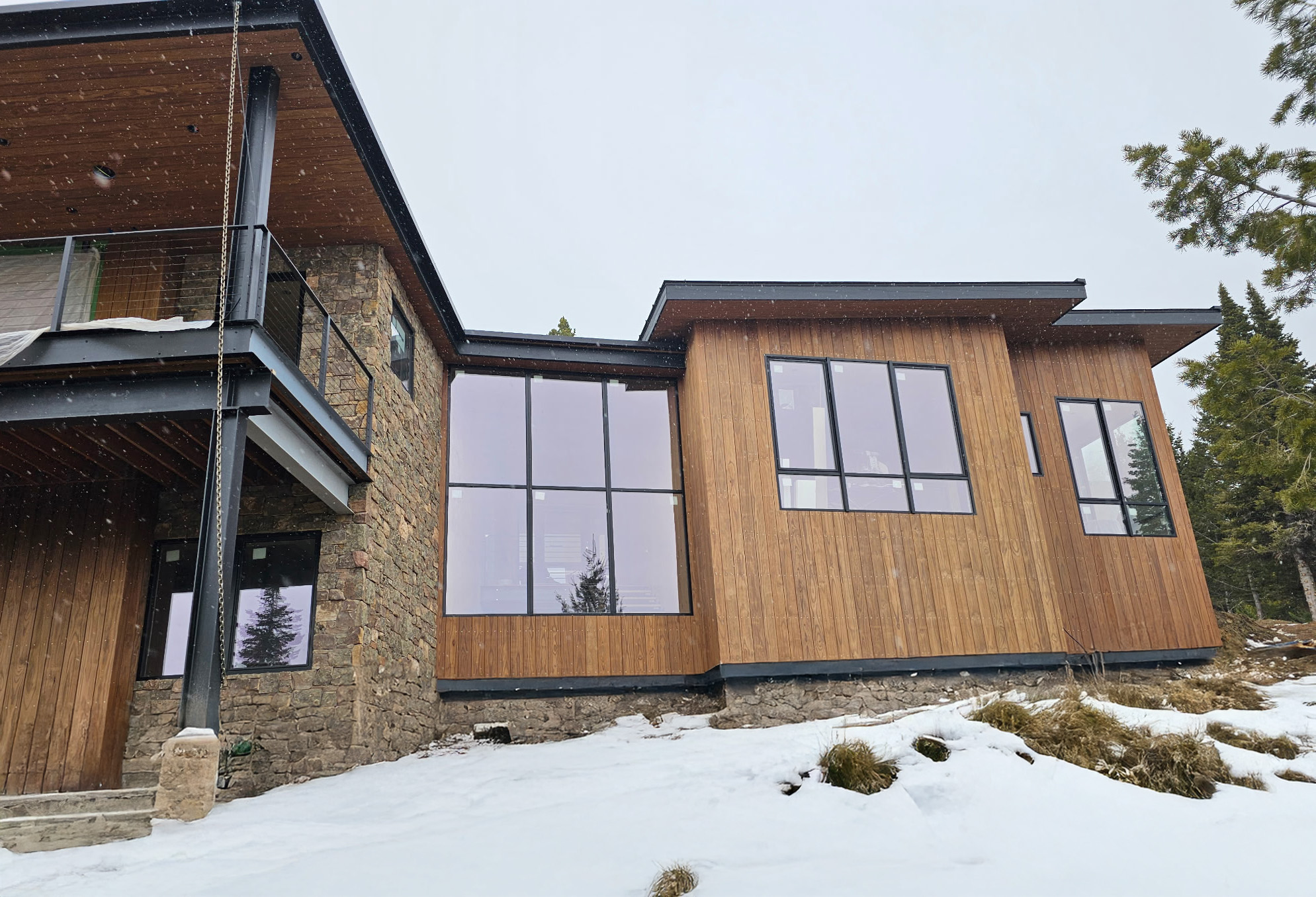
Zero-Maintenance Wood Siding: Which Species Last 30+ Years Without Refinishing

Zero-Maintenance Wood Siding: Which Species Last 30+ Years Without Refinishing

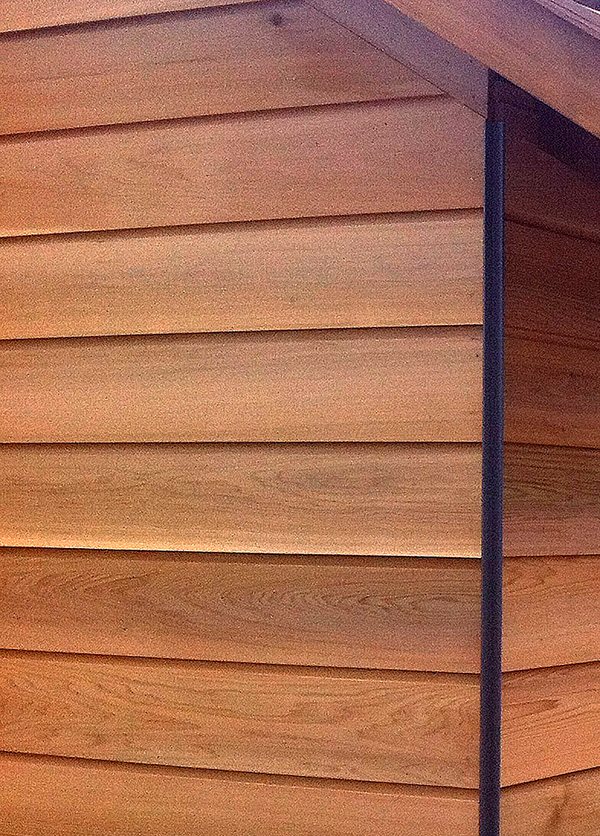
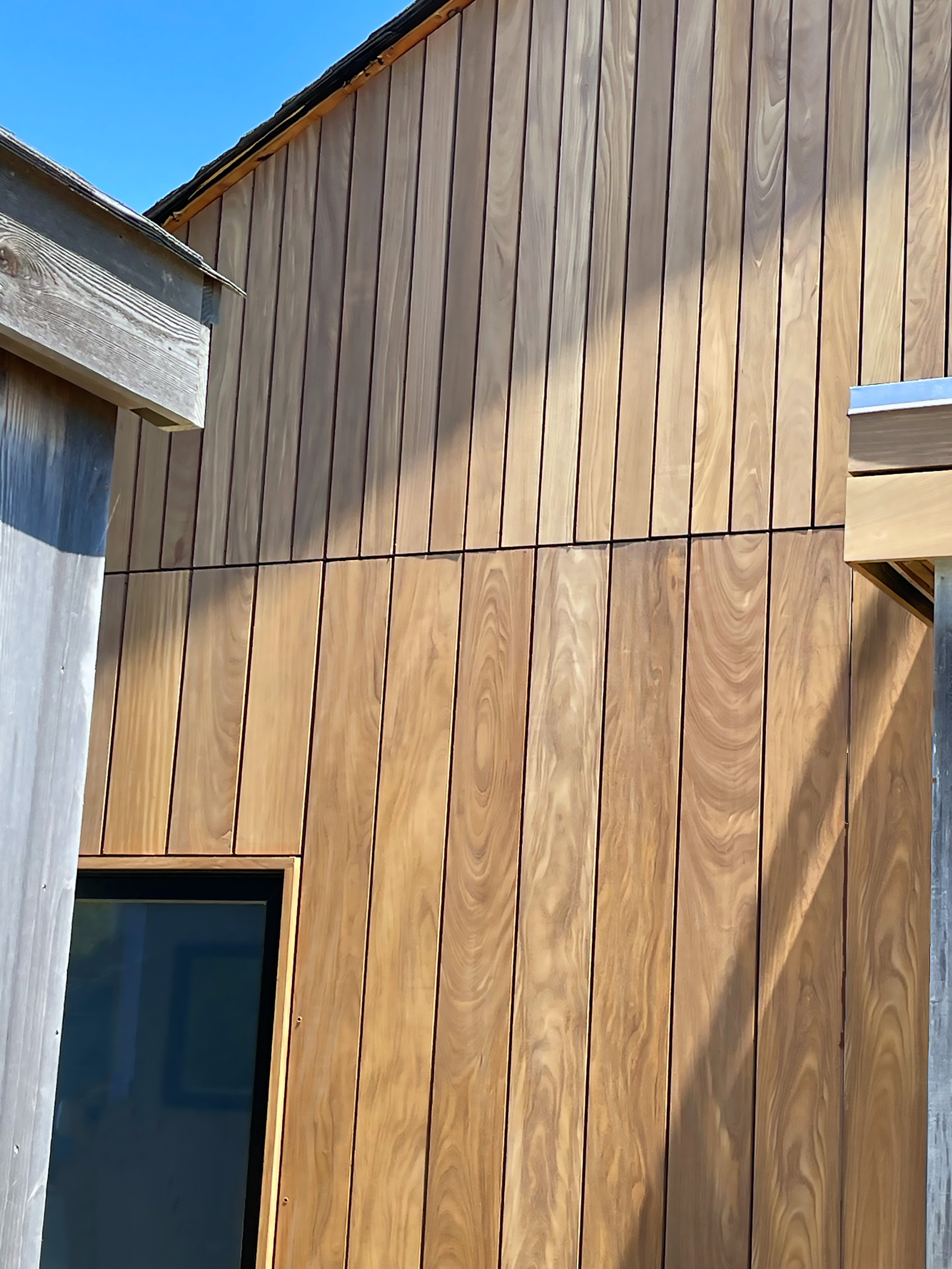
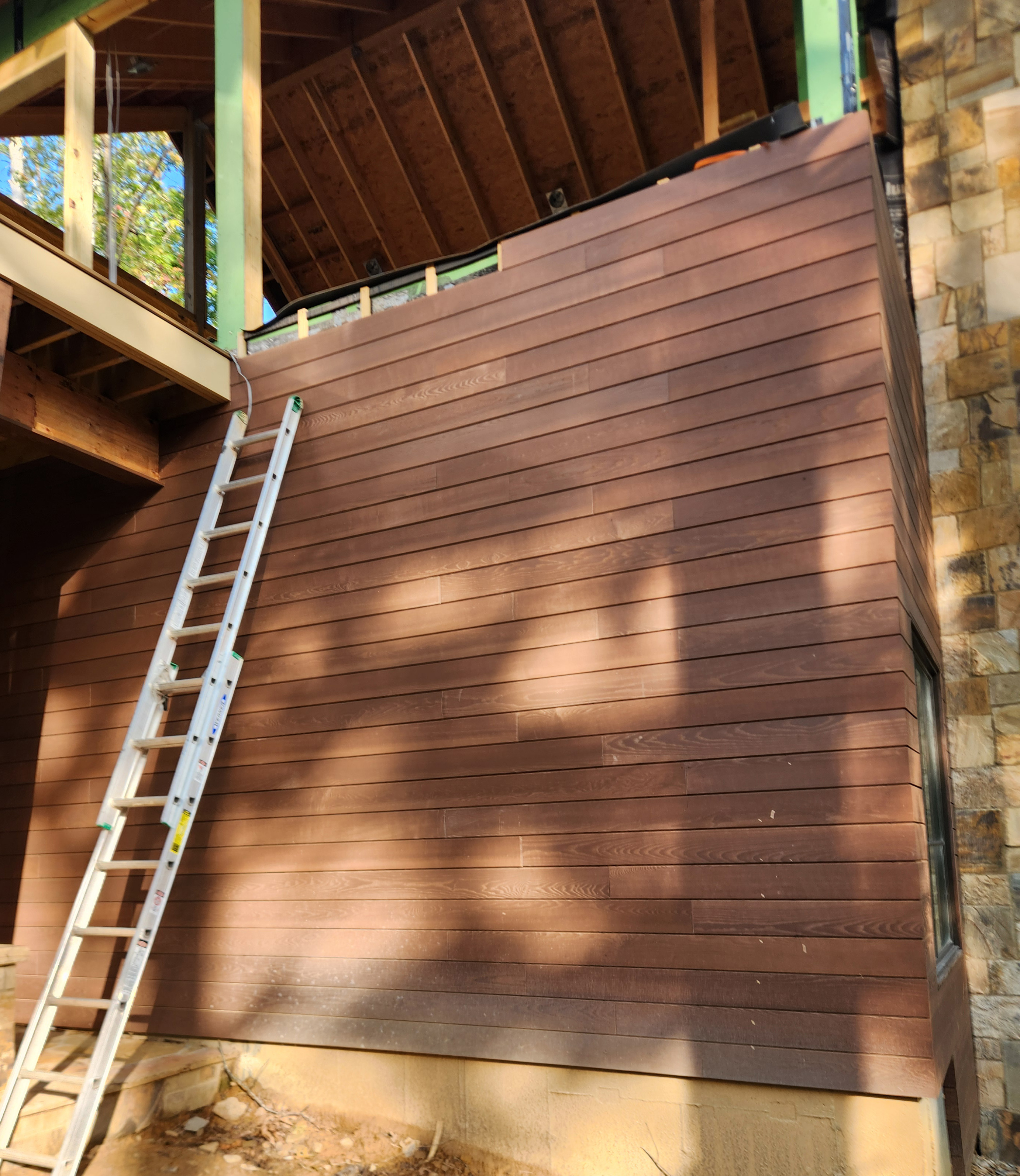
A technical comparison of wood siding species that deliver 30+ years of structural performance without refinishing — Ipe, Accoya, Thermory, Abodo Vulcan, and cypress heartwood — including lifecycle cost analysis, weathering timelines, and installation requirements for architects specifying unfinished exterior wood.

Best Wood Siding Profiles for a Modern Farmhouse Exterior

Best Wood Siding Profiles for a Modern Farmhouse Exterior

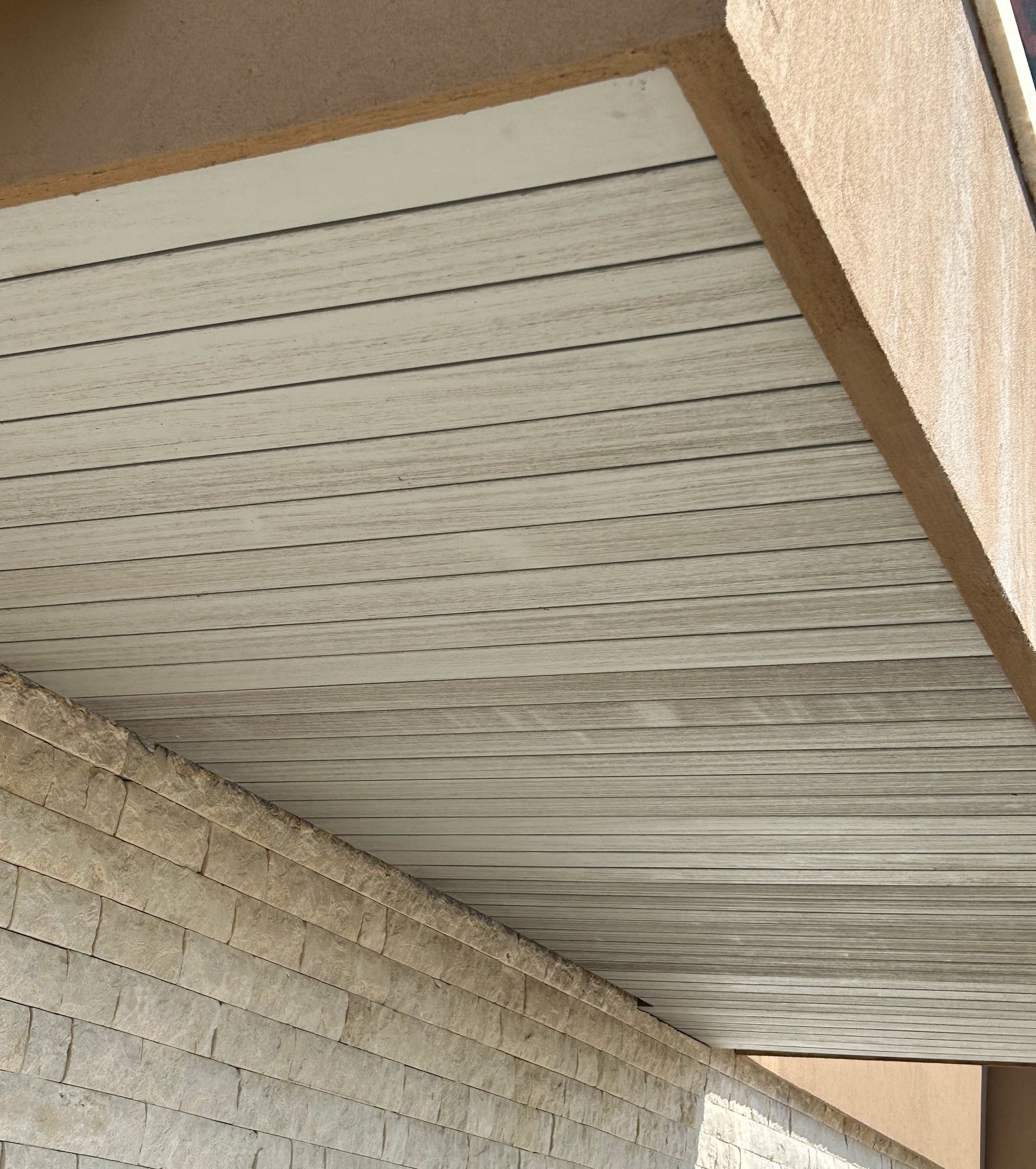
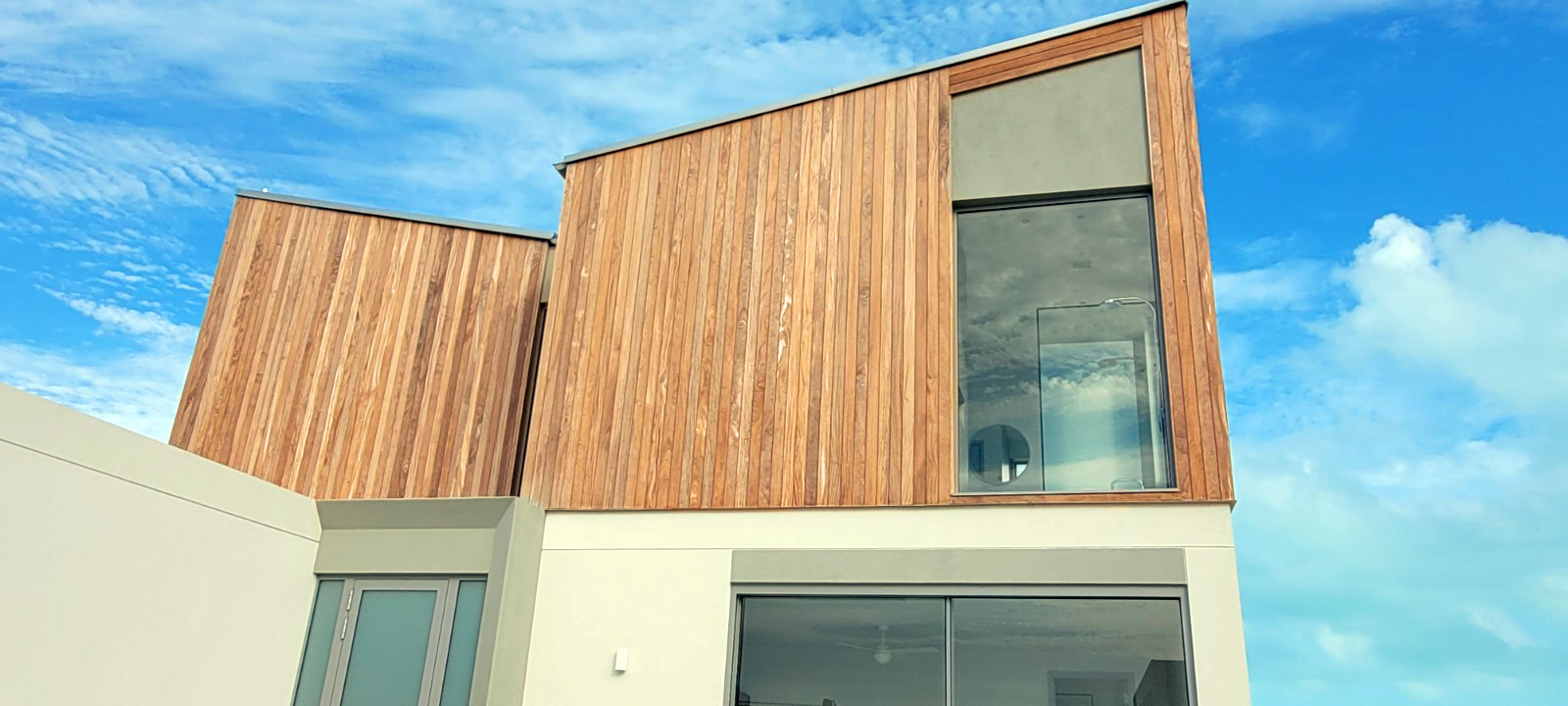
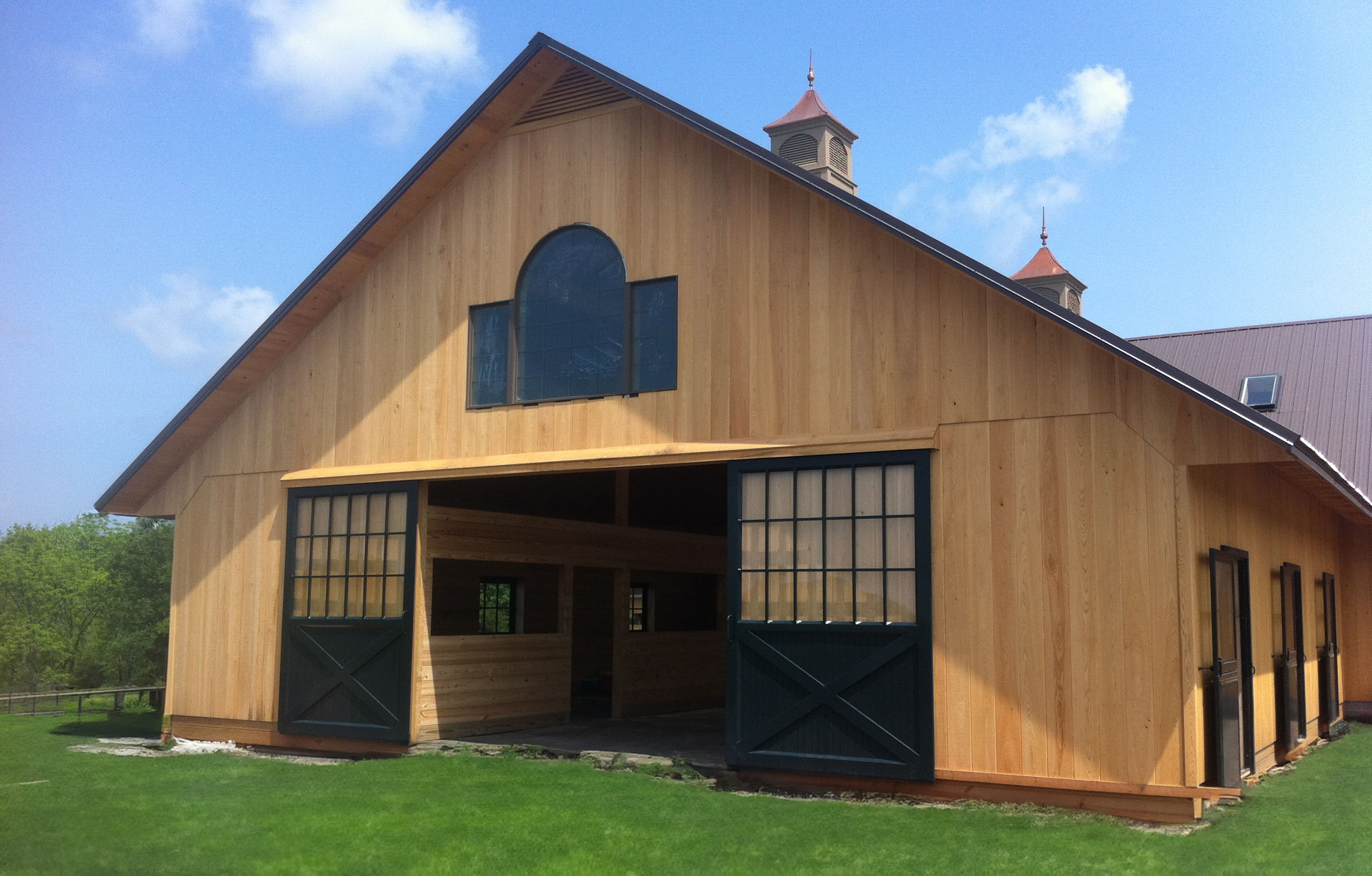
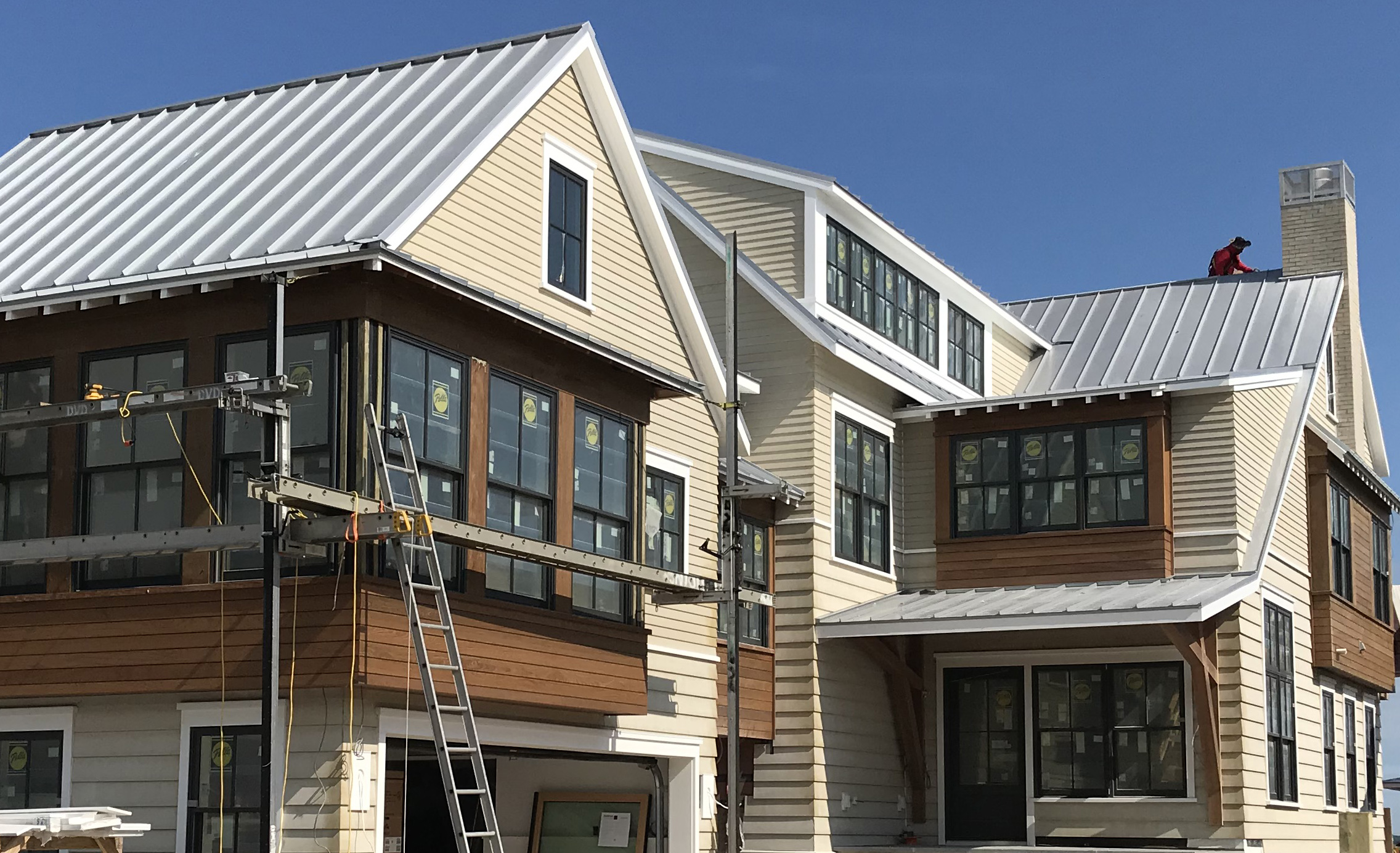
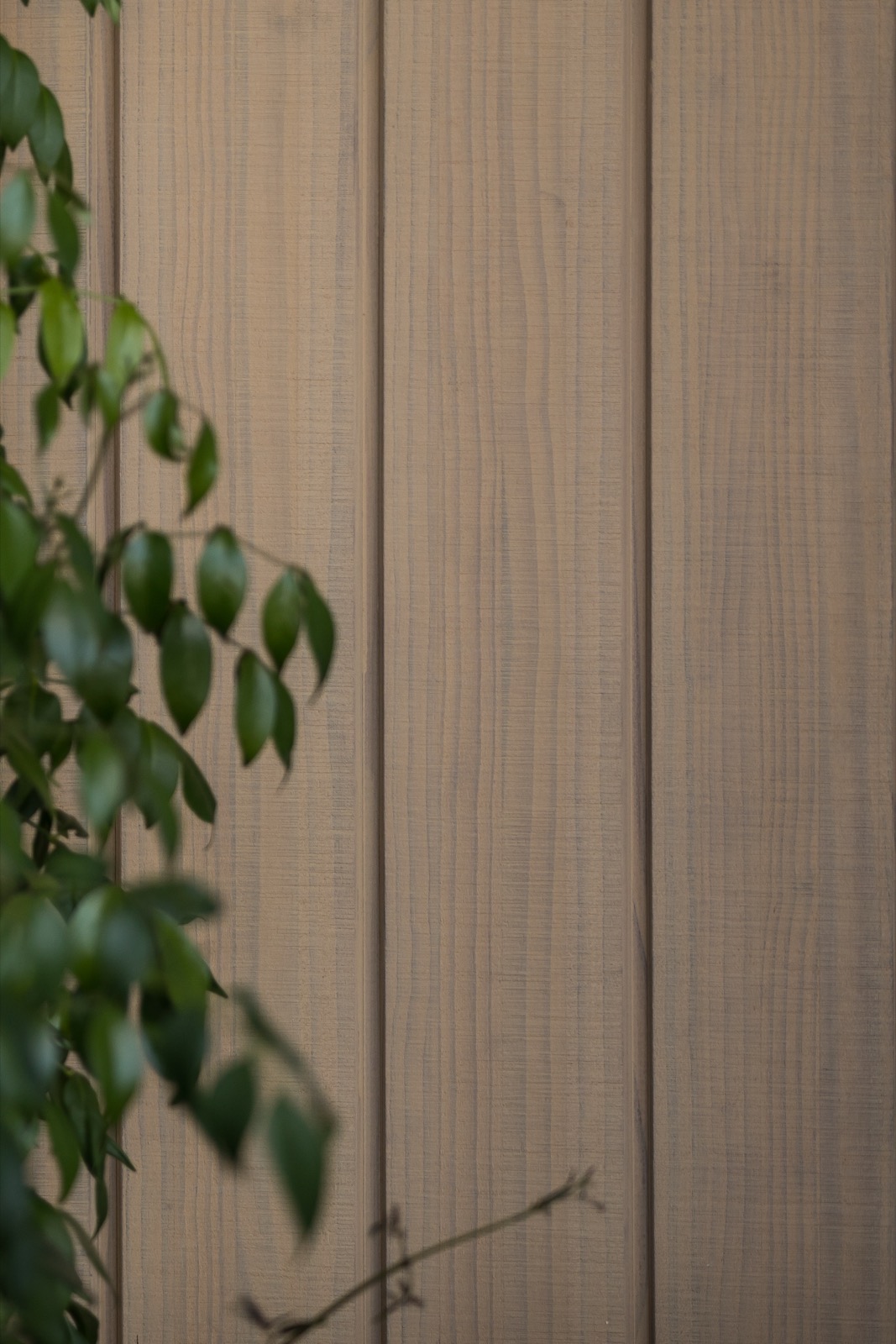
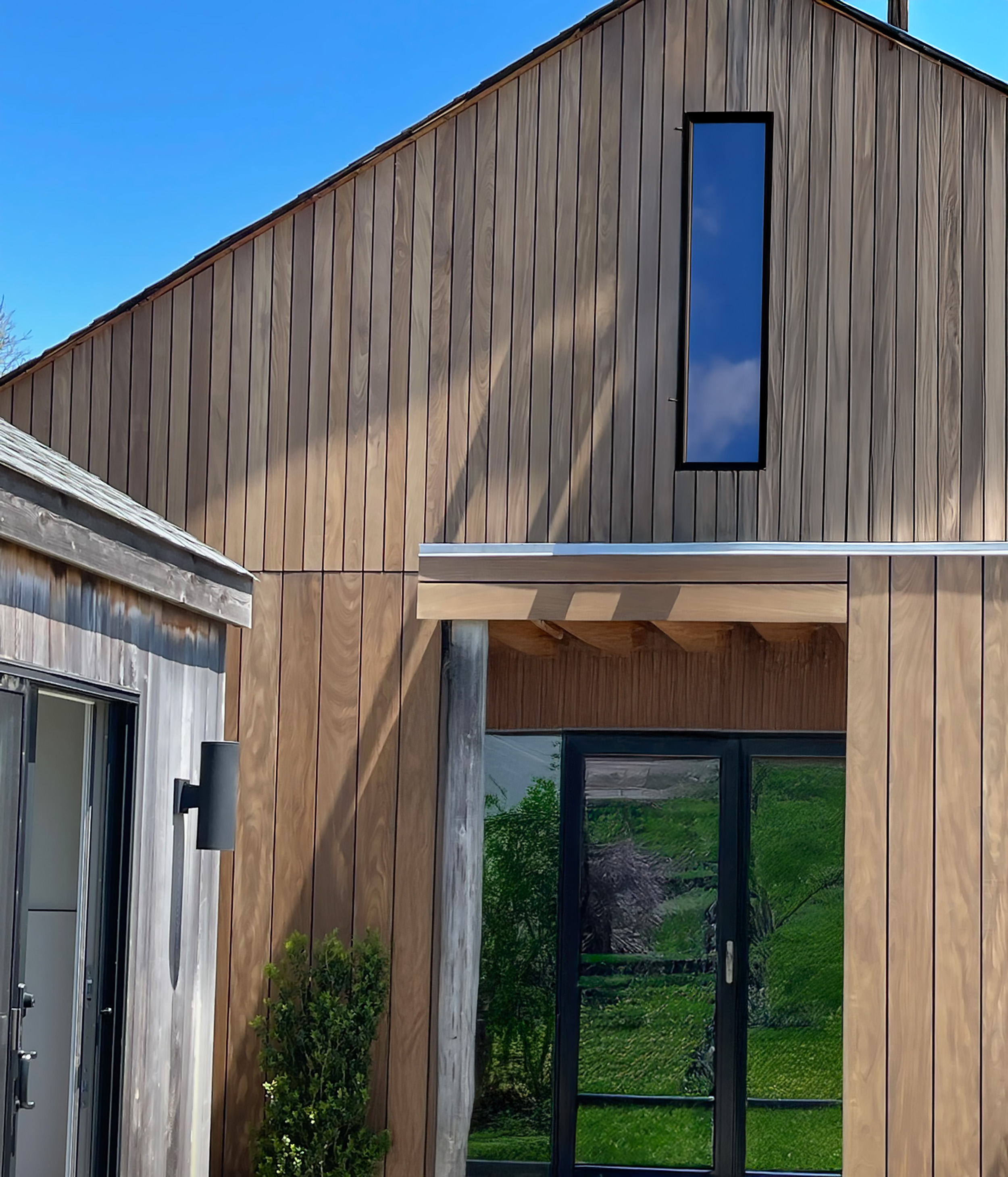
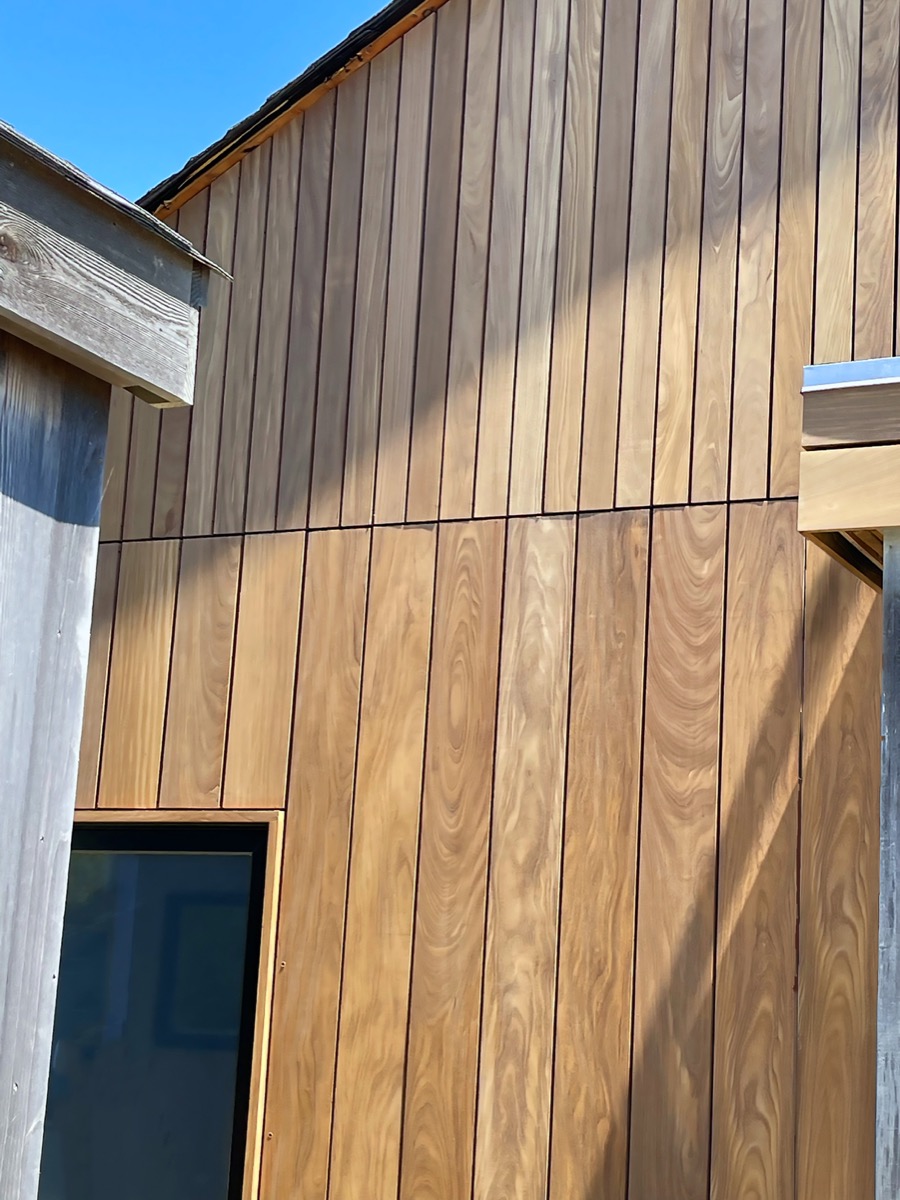
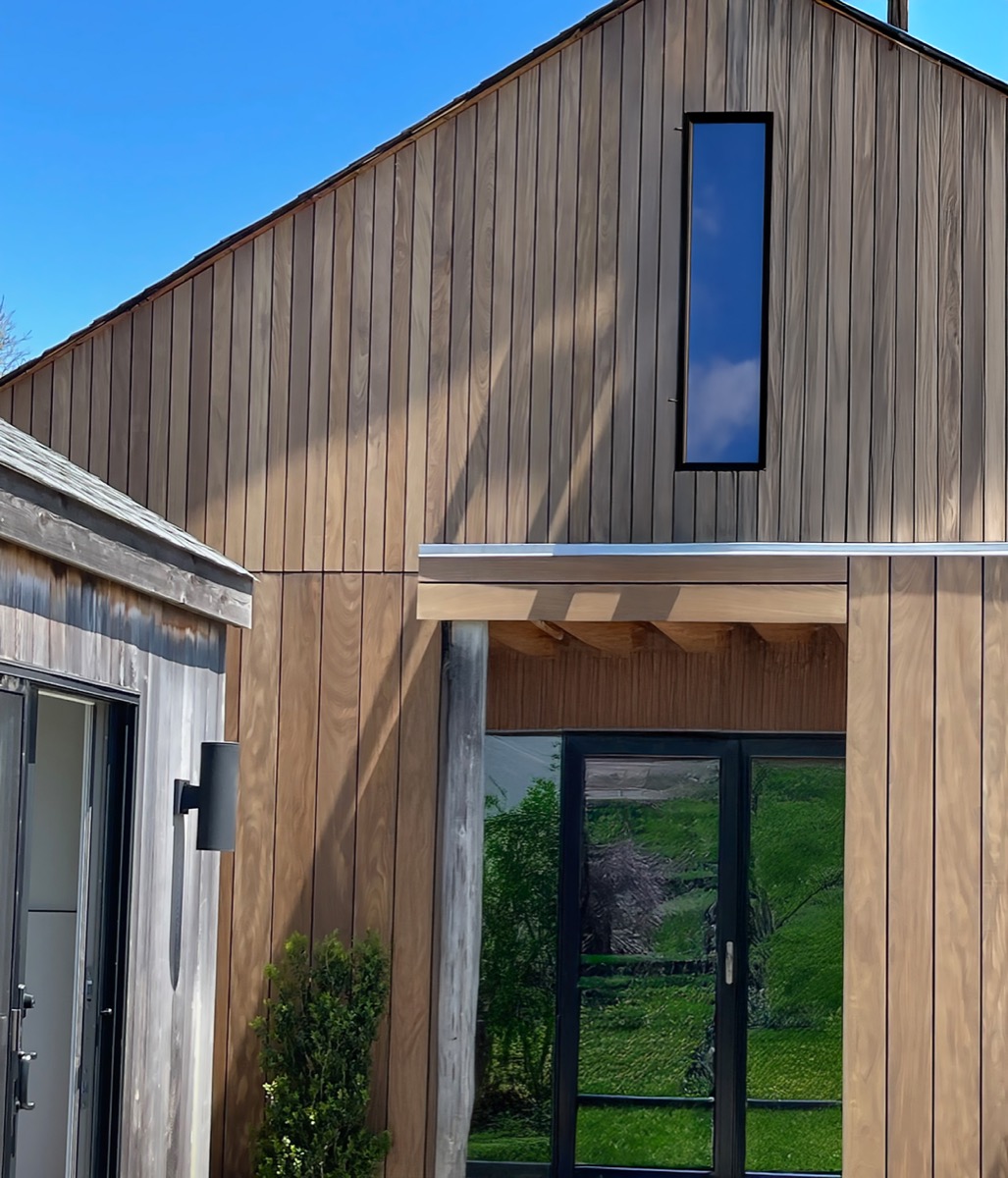
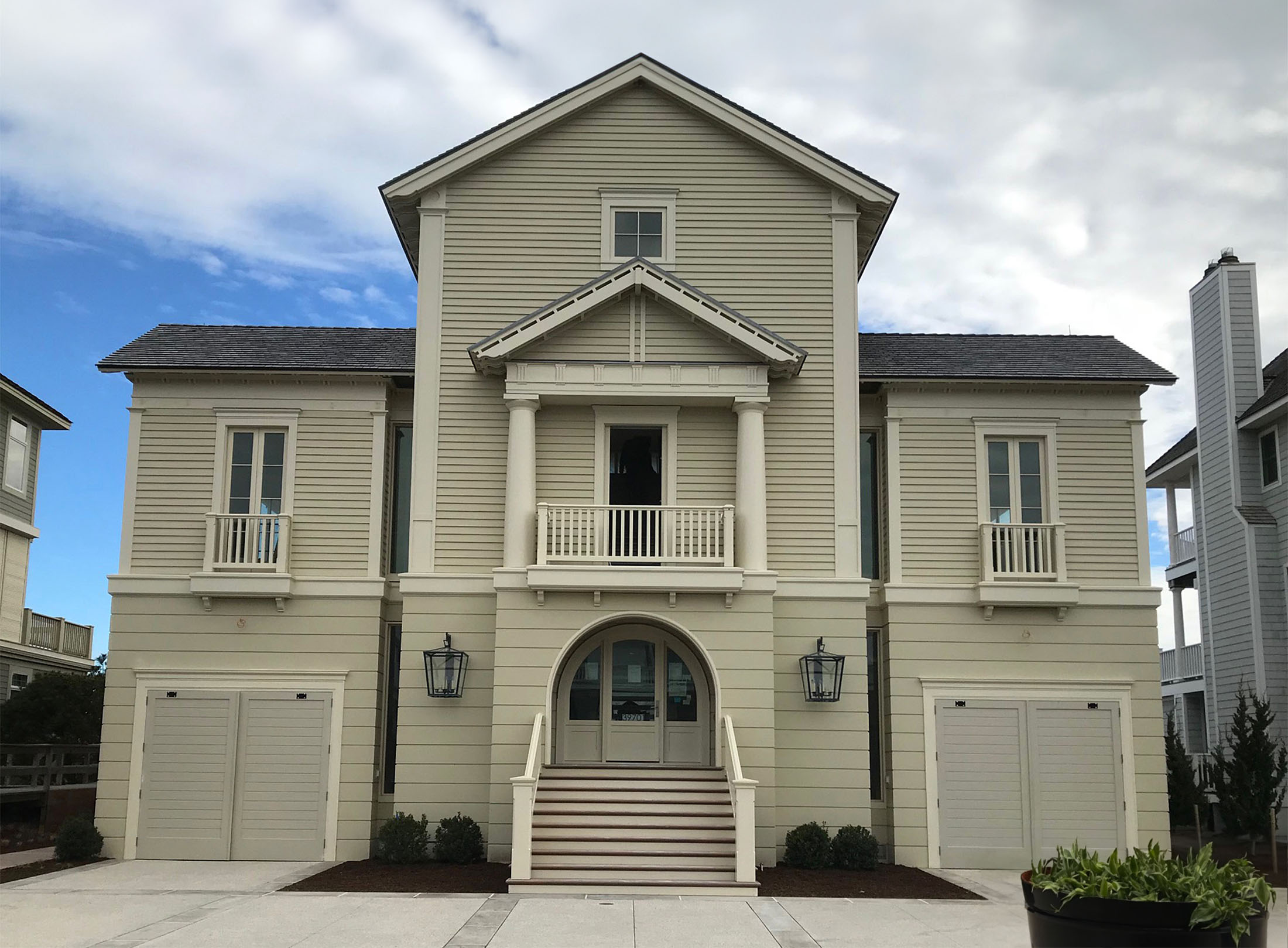
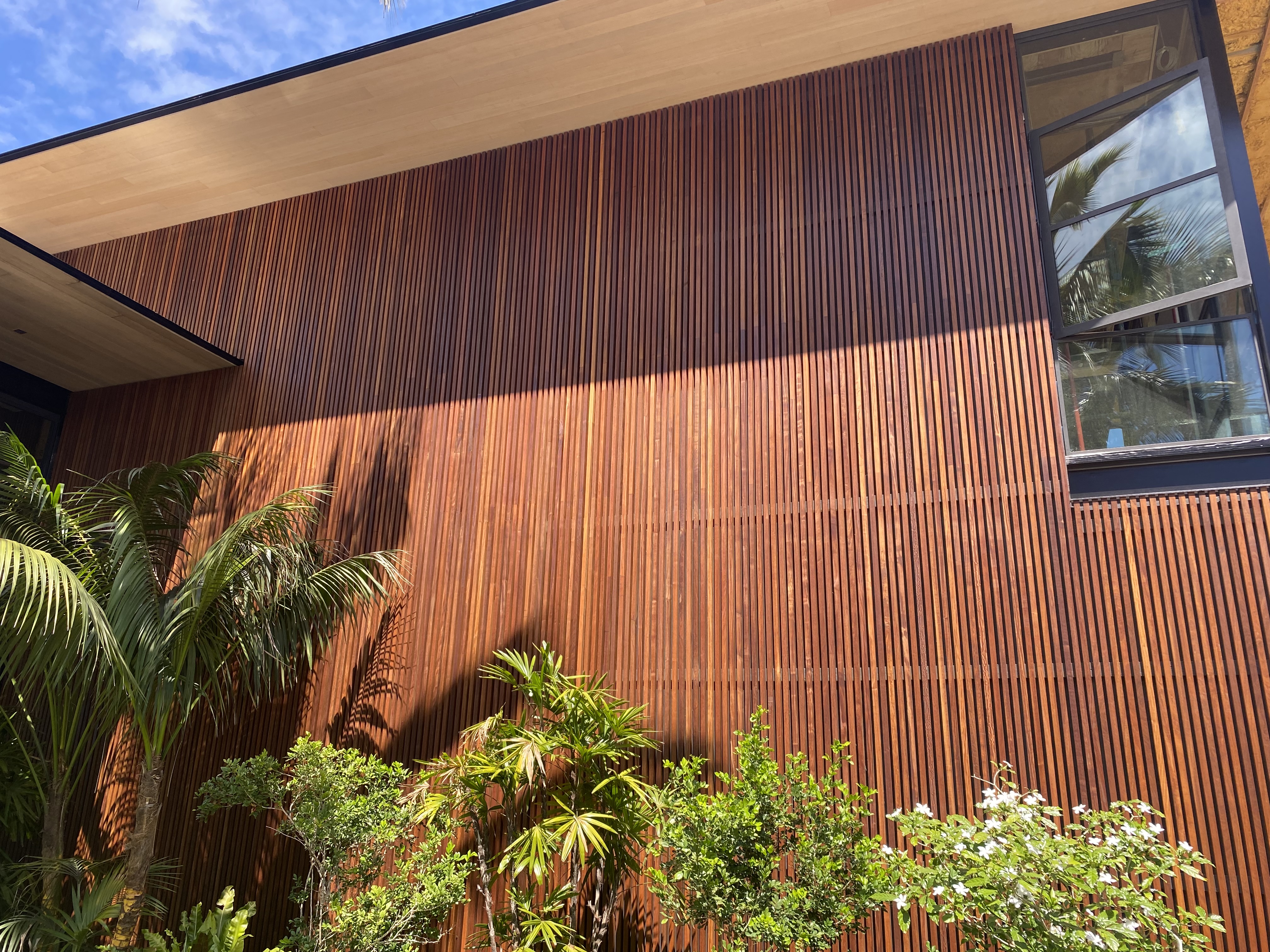
The modern farmhouse look is driven by vertical board-and-batten siding, with shiplap and nickel-gap as the supporting profiles for accents and porch ceilings. The profile sets the aesthetic, but vertical siding needs counter-batten drainage and a ventilated cavity to perform.

The Commercial Wood Cladding Submittal Package: What the Supplier Provides

The Commercial Wood Cladding Submittal Package: What the Supplier Provides

A commercial wood cladding submittal should contain species and grade samples, the actual milled profile, the finish on the real species, fasteners and clips, ASTM E84 fire documentation, and chain-of-custody paperwork. The milled profile and product-specific fire report are the items most often missing.

How to Write a Wood Cladding Specification for a Multifamily Project

How to Write a Wood Cladding Specification for a Multifamily Project

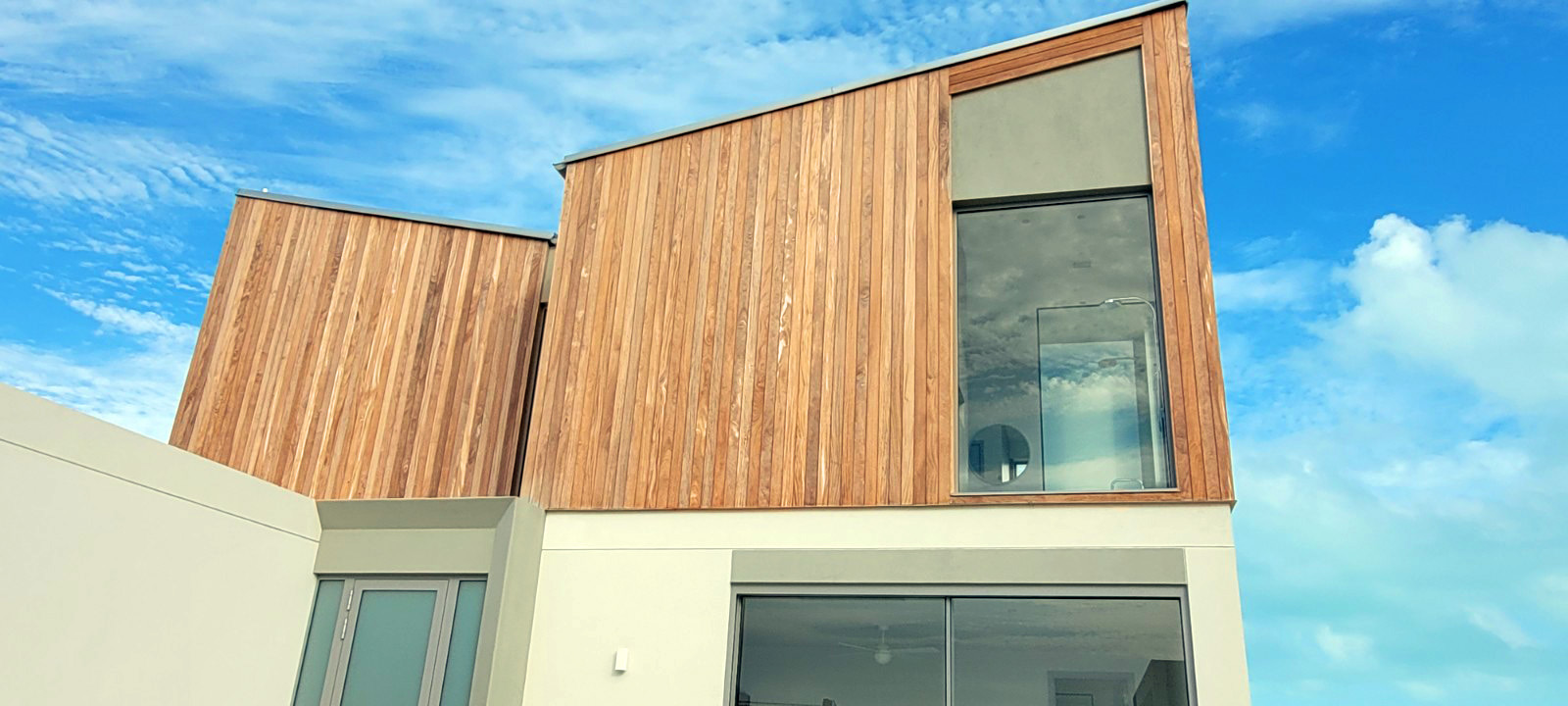
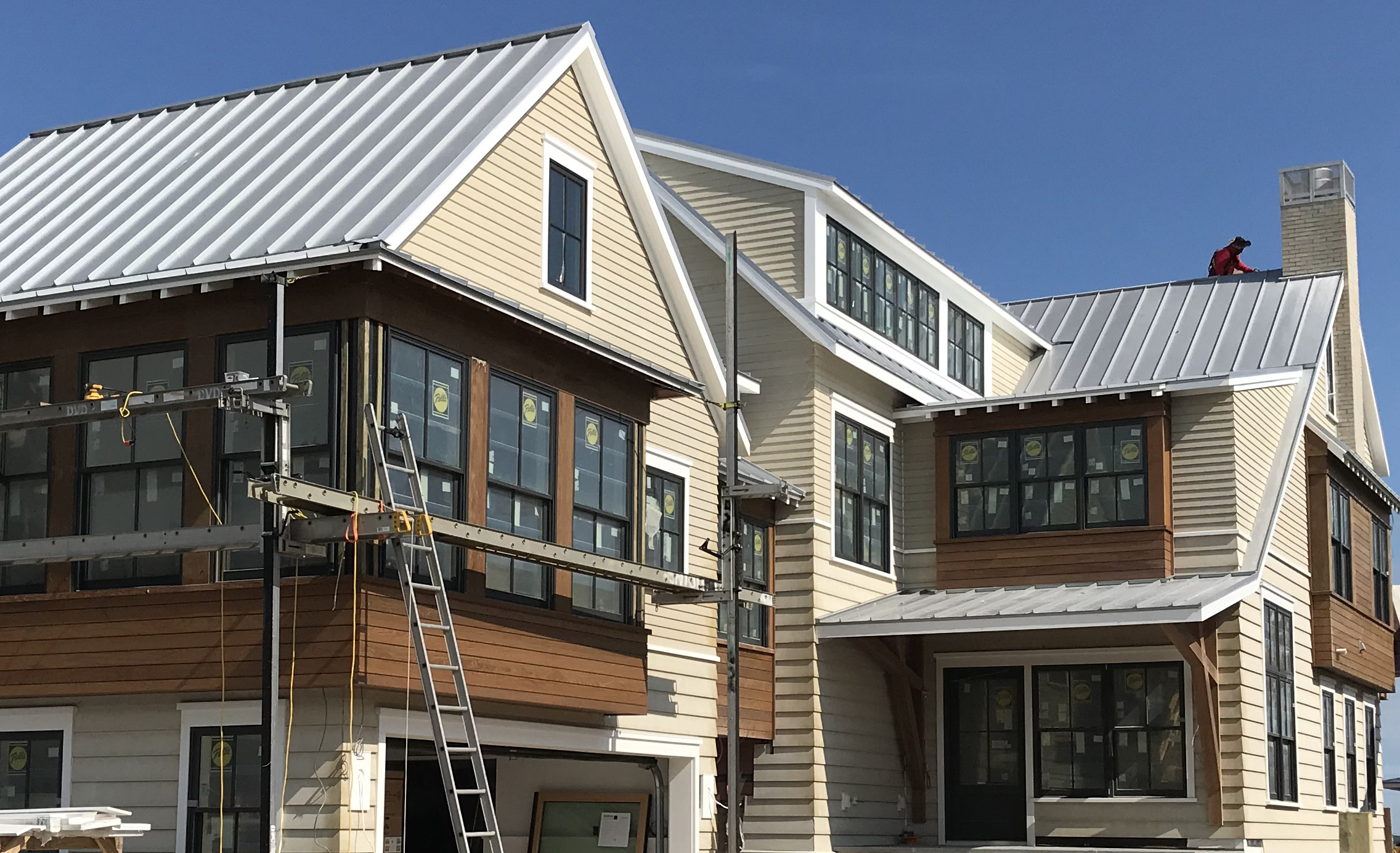
A multifamily wood cladding specification succeeds on three coordinated things: the wall assembly, the material definition in real grading terms, and the submittal and mockup process. Naming a species is the easy part; defining grade, moisture content, profile, fastener method, and single-source supply is what makes the wall perform.

Where to Source Prefinished Hardwood Siding That Ships Ready to Install

Where to Source Prefinished Hardwood Siding That Ships Ready to Install

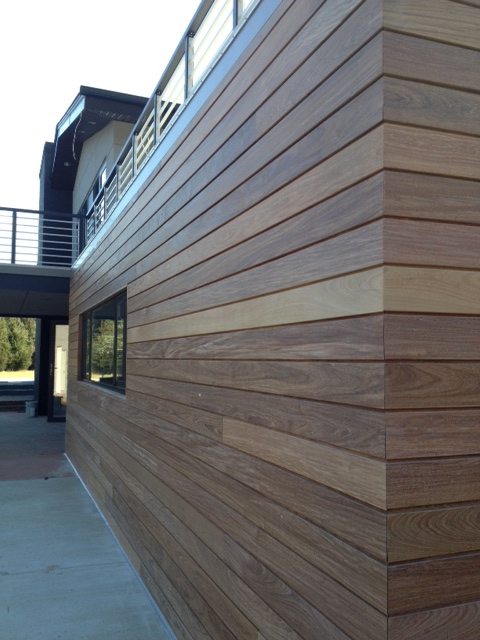
Prefinished hardwood siding ships milled, oil-finished, and sealed on all six faces, ready to install with no field finishing. Ipe, Cumaru, Sapele, Teak, and Jatoba are finished with penetrating oil because dense hardwoods reject film finishes. The only field step is sealing the cut ends.

Back Priming Wood Siding: What Actually Controls Moisture from Behind

Back Priming Wood Siding: What Actually Controls Moisture from Behind

Back priming applies a thin uniform coat to the back of a board so it exchanges moisture at a similar rate front and back, which helps it stay flat. But a thin coat is sufficient, a heavy coat adds nothing, and back priming is not a substitute for the ventilated rainscreen that is the real defense against moisture from behind.

How Architects and Contractors Buy Commercial Wood Cladding: RFQ to Delivery

How Architects and Contractors Buy Commercial Wood Cladding: RFQ to Delivery

Buying wood cladding for a commercial building runs through five steps: define the assembly and species, request a quote with drawings and quantities, approve a mockup and submittal, release to milling and finishing, and coordinate sequenced delivery. The mockup step is the safeguard that locks grade, profile, and finish before material ships.

Where to Buy Prefinished Ipe Siding in All Dimensions

Where to Buy Prefinished Ipe Siding in All Dimensions

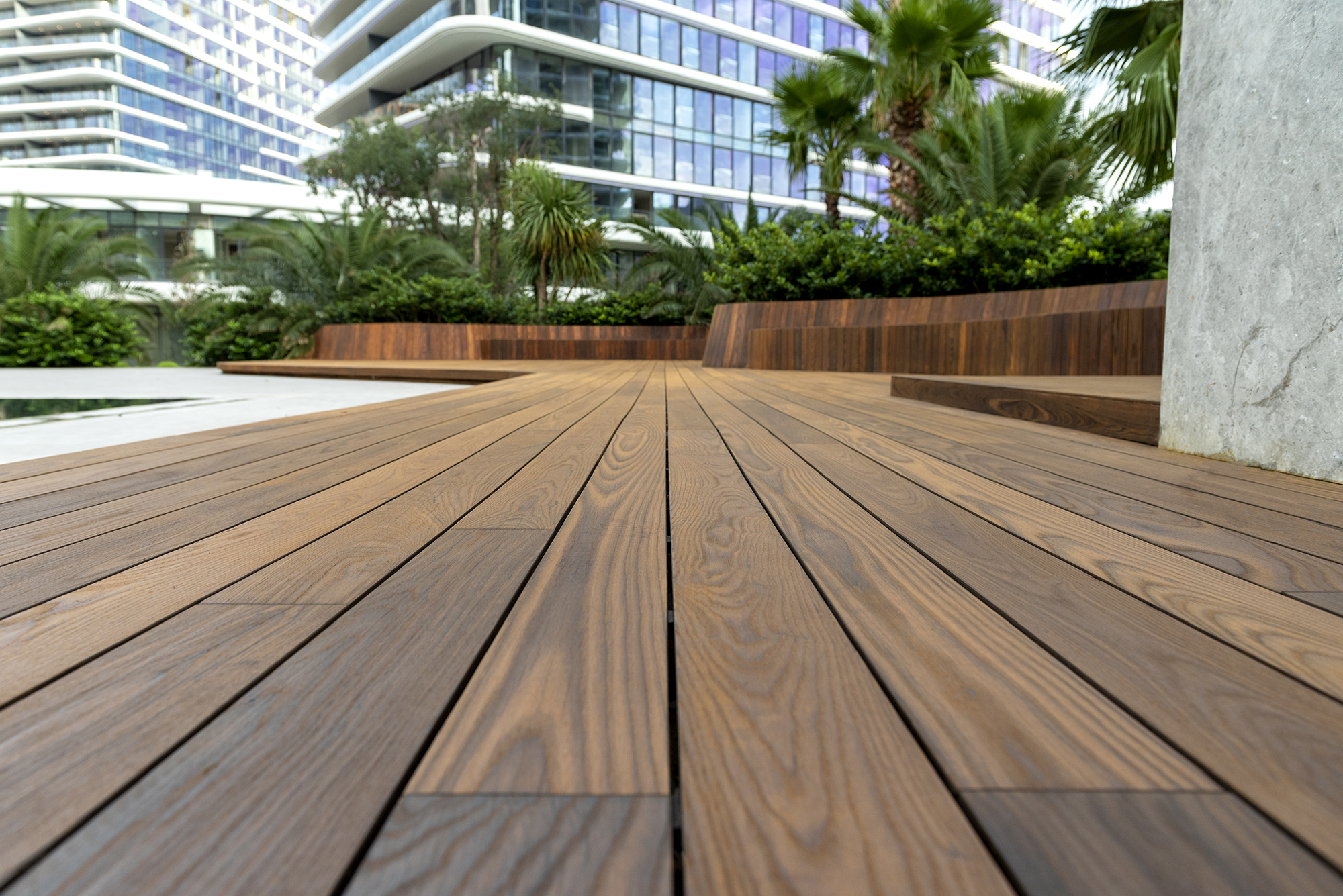
Prefinished Ipe siding is bought from a specialty hardwood supplier that stocks Ipe in depth, mills the profile, and oils all six faces before shipping ready to install. Ipe is naturally Class A (ASTM E84 index ~20), Janka ~3,680 lbf, and available in a full range of dimensions.

Prefinished vs. Field-Finished Wood Siding: Which Performs Better and Why

Prefinished vs. Field-Finished Wood Siding: Which Performs Better and Why

Factory-prefinished wood siding seals all six faces in a controlled environment before the boards see weather, while field-finished siding coats only the front face under uncontrolled conditions. The performance gap comes down to which faces are sealed and when, not the species or coating chemistry.

Jobsite Delivery of Wood Cladding: Freight, Sequencing, and Staging

Jobsite Delivery of Wood Cladding: Freight, Sequencing, and Staging

Jobsite delivery of wood cladding is about protecting the material and matching it to the install: freight that keeps boards dry and flat, delivery sequenced to the elevations being installed, and staging that protects finished faces. The common failure is dumping the whole order at mobilization.

Prefinished Wood Cladding Lead Times and How to Order to Schedule

Prefinished Wood Cladding Lead Times and How to Order to Schedule

Prefinished wood cladding carries production lead time because the boards are milled, finished on all six faces, and cured before they ship, so the order is planned backward from the install date. Lead time grows with a custom profile, a modified-wood species, or a specific finish.

Teak vs. Ipe for Luxury Cladding and Privacy Screens

Teak vs. Ipe for Luxury Cladding and Privacy Screens

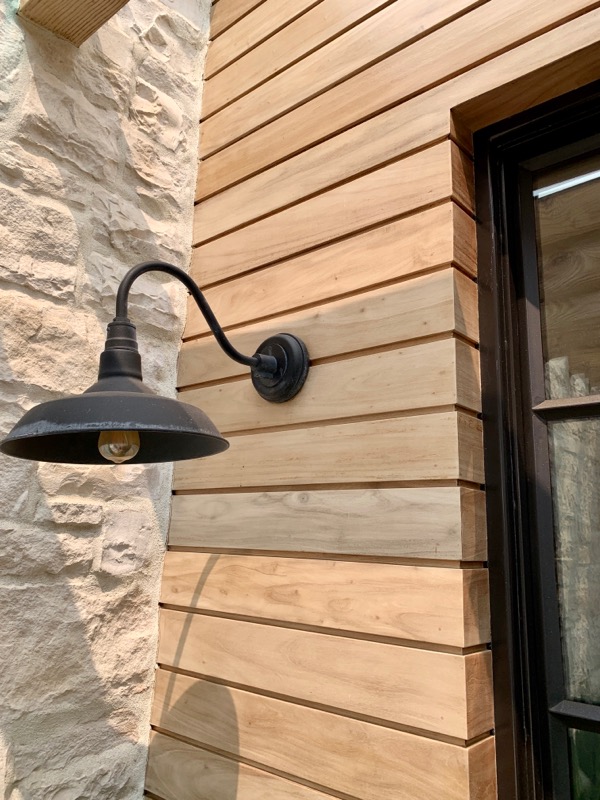
Teak and Ipe are both Class 1 luxury hardwoods, but they split on color, hardness, and fire: teak is golden and light enough for screens, Ipe is darker, far harder, and reaches Class A fire performance untreated. Choose on the design and whether a fire rating is required.

Where to Buy Premium Wood Cladding for Commercial Building Exterior Applications

Where to Buy Premium Wood Cladding for Commercial Building Exterior Applications

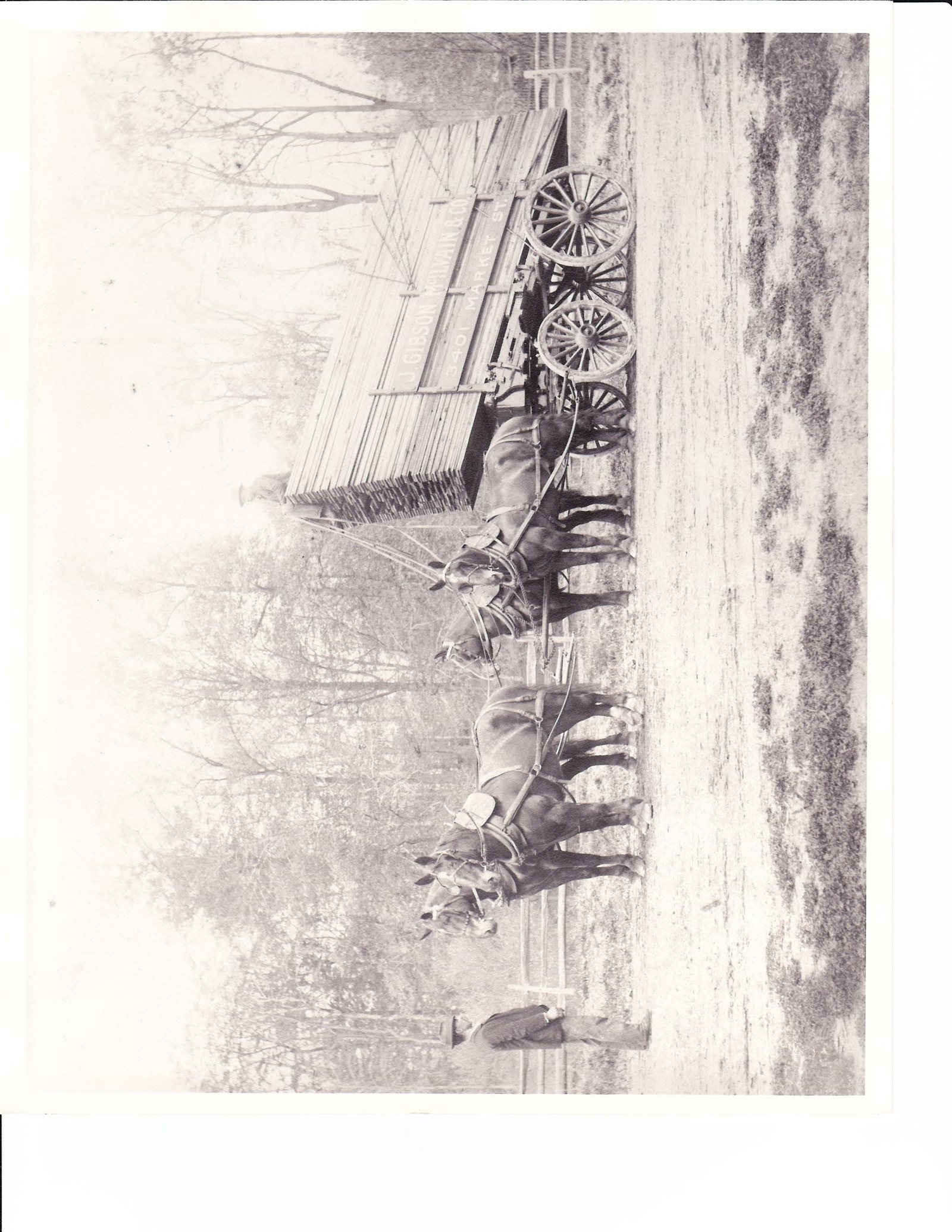
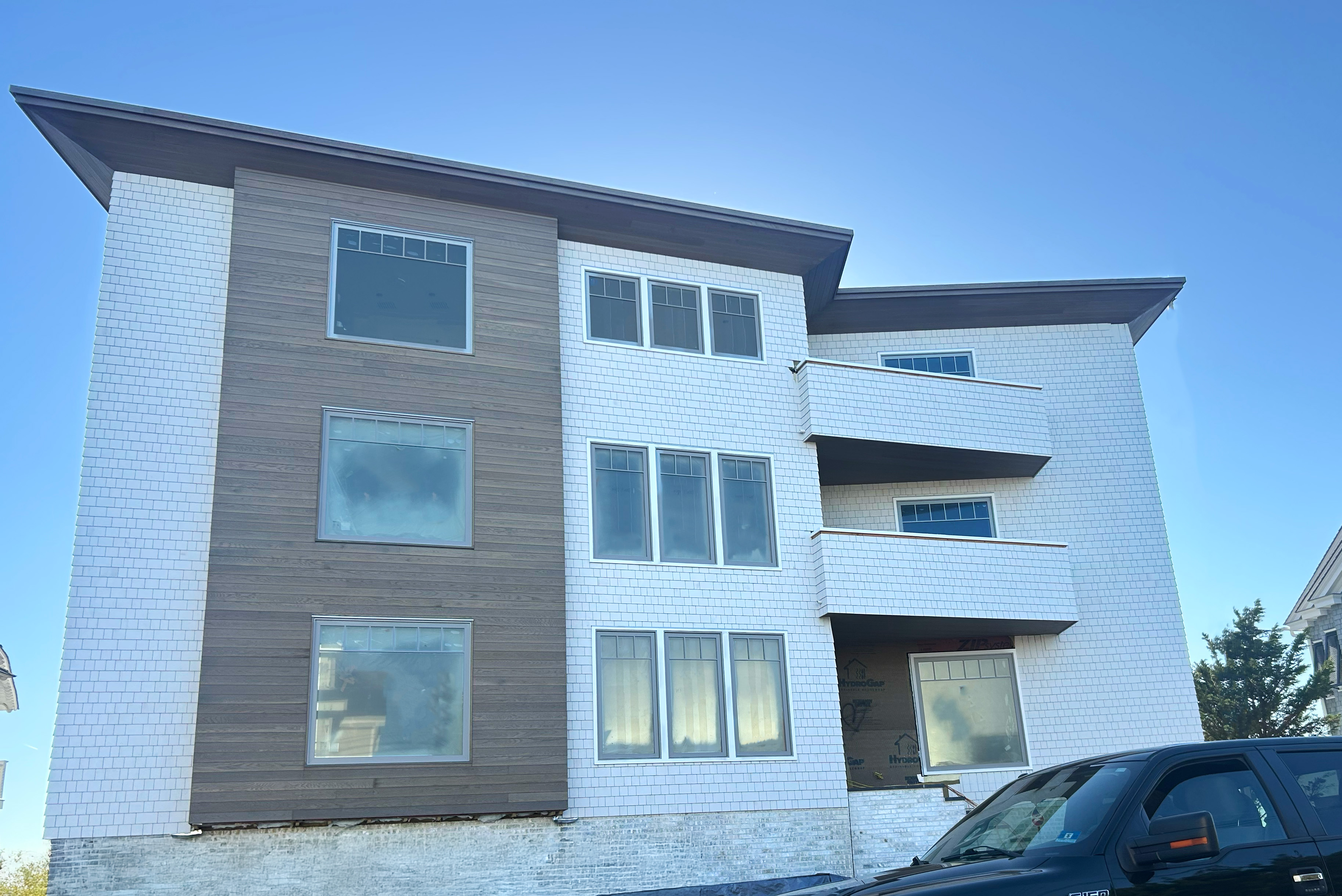
A comprehensive purchasing guide for commercial architects and general contractors sourcing premium wood cladding at scale, covering supply chain management, lead times, specification submittals, mock-up approvals, and why working with a specialty lumber supplier like McIlvain reduces project risk and compresses schedules.